
 Vaata sisu
 Jaga teost
 Jaga
Jaga
 Detailid
 Õppekate juhend

 Laadi alla
 Sarnased teosed
 Röntgenuuring
 Slaidietendus
 Statistika
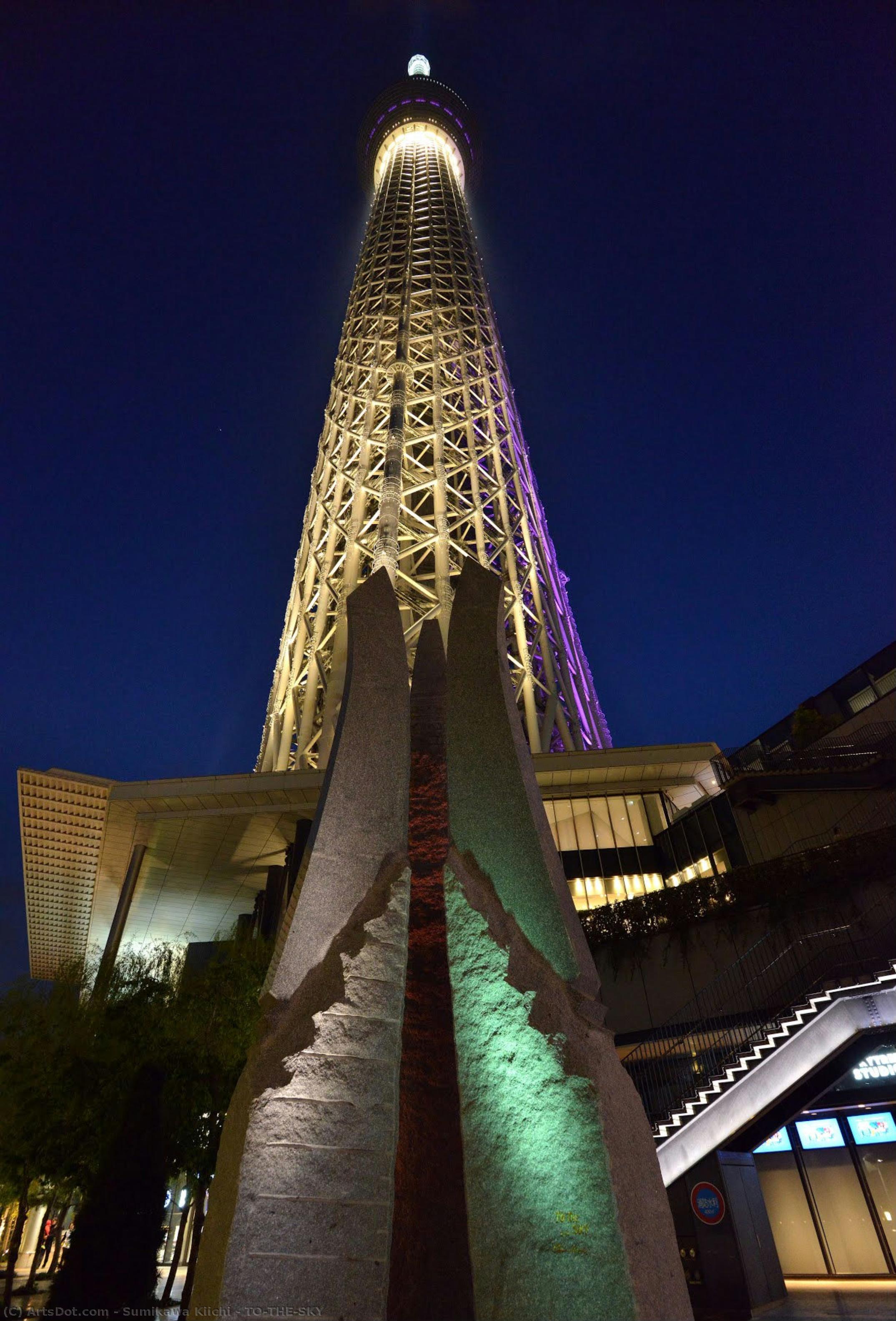
TO THE SKY


 Loe lähemalt
Käsitsi valmistatud õlimaalireproduktsioon
Meie kunstnike poolt tellimusel valmistatud käsitsi maalitud õli-kainaste teos teie soovitud suuruses ja raamis. ( Lülita trükkitoodetele Ülemineku digitaalse pildi müügi kanalisse)




P118B $10

P118H $10

P118W $10

P438Z $10

P508JH $12

P508YH $12

P805H $10

P805Z $10

P919BZ $10

P919G $10

P919XJ $10

P959ZH $10

P968JZ $12

W106C $8

W218G $10

W218JH $8

W218Y $10

W307PJ $10

W316G $10

W316PJ $8

W316Y $10

W398PJ $8

W4111J $10

W500HY $15

W500JH $15

W692G $12

W849H $8

W940BG $15

W953PJ $8




Vali meie eelmääratud suurused, mis vastavad teose algupärastele proportsioonidele.

Sa võite sisestada oma mõõtmed konkreetse raami või ruumi sobivuse tagamiseks. Kui teie valitud suurus ei vasta originaalpildi proportsioonidele, siis kärvime kunstiteost või laiendame maali täiendavate käsitsi maalitud elementidega. Enne tootmise algust saadetakse teile heakskiitmiseks digitaalne eelvaade.
Palun pidage meeles, et ekraanil kuvatav eelvaade ei kajasta tegelikku kärpimist või laiendamist. Ainult eelvaade näitab täpselt lõplikku kompositsiooni.
Kuigi on saadaval kohandatud suurused, soovitame originaalproportsioonide säilimiseks valida mõõdud eelmääratletud nimekirjast.
Pärast tellimust saadab OriginalUniqueArt.com meeskond kliendile e-posti juhised ning esitab eelvaate kavandi
Maailmline tarne 3–4 nädala jooksul tavalise 5 nädala asemel. (26 september). Kvaliteedis kompromisse ei tehta.

Tasuta ekspresssaatmine üle maailma

Kõrgekvaliteediline lina-kangastest muld

Täielik transpordikindlustus

Tollimaksude tagastamise garantii

Värvitoime täpsuse garantii

100 päeva tagastusõigus (ainult defektide korral)

100% raha tagasi garantii

Hulgusoodustus
 Klaasivalik on saadaval ainult kuni 110 cm suuruses teostes

TO THE SKY
Reproduktsiooni materjal
Reproduktsiooni mõõtmed
-


Lõppsumma
$ 300
A Nocturnal Symphony in Light and Steel
In the heart of a bustling metropolis, where the pulse of modern life meets the quiet reverence of the night, Sumikawa Kiichi captures a moment of profound architectural grace in his work, TO THE SKY. This evocative piece presents a breathtaking nighttime view of the iconic Tokyo Tower, rising majestically against the velvet darkness of the Japanese sky. The tower, bathed in a warm, luminous glow, serves as more than just a landmark; it acts as a beacon of human ingenuity and structural elegance. As the light spills from its lattice framework, it illuminates the surrounding urban landscape, casting a soft radiance upon the nearby buildings and creating a mesmerizing interplay between shadow and brilliance.
The composition is masterfully balanced, grounding the soaring verticality of the tower with the presence of a large, artistic sculpture nestled near its base. This juxtaposition of man-made architectural triumph and sculptural artistry invites the viewer to contemplate the layers of creativity that define the modern urban experience. Scattered throughout the scene, the subtle silhouettes of people moving through the plaza add a vital layer of human energy. Their presence transforms the image from a mere architectural study into a living, breathing narrative, suggesting a shared moment of wonder as they navigate the vibrant life of the city under the watchful eye of the illuminated tower.
The Essence of Contemporary Japanese Vision
Sumikawa Kiichi brings to this work his signature ability to distill the essence of form and atmosphere. Drawing from a deep-seated lineage of Japanese craftsmanship, his approach transcends simple representation to achieve a sense of serene balance. In TO THE SKY, the technique emphasizes the contrast between the sharp, geometric precision of the tower and the soft, atmospheric diffusion of light in the night air. The artist utilizes the nocturnal setting to explore themes of permanence and transience—the enduring steel of the monument contrasted with the fleeting movements of the crowds below.
For the discerning collector or interior designer, this piece offers a sophisticated focal point that embodies both cultural depth and modern elegance. The artwork’s palette, dominated by the warm ambers of the tower against the deep indigos of the night, provides a rich, emotive atmosphere that can anchor a room with a sense of calm strength. It is an invitation to look upward, to find beauty in the structural rhythms of our cities, and to appreciate the quiet magic that occurs when light meets the dark. Whether placed in a contemporary gallery setting or a refined residential space, this reproduction serves as a window into the luminous soul of Tokyo.
Kunstniku elulugu
A Pioneer of Wood Sculpture and Nature’s Embrace
Sumikawa Kiichi, born in Nagoya, Japan, in 1936, stands as a distinctive voice within contemporary Japanese sculpture. His artistic journey began amidst the rich tapestry of Japanese art history—a tradition deeply rooted in reverence for natural forms and imbued with philosophical contemplation—influencing his approach to crafting evocative pieces from wood and other materials. Unlike many sculptors of his era who focused solely on representational imagery, Sumikawa Kiichi deliberately sought to distill essence, prioritizing balance and serenity as core tenets of his artistic vision.Early Influences and Artistic Training
Sumikawa’s formative years were marked by exposure to the diverse traditions of Japanese art, ranging from ancient ceramics and calligraphy to monumental Buddhist statues. This immersion instilled in him a profound understanding of craftsmanship—the meticulous attention to detail demanded by techniques honed over centuries—and fostered an appreciation for symbolism inherent within artistic expression. While biographical details about his formal training remain somewhat sparse, it’s evident that he cultivated a disciplined aesthetic sensibility, recognizing the importance of mastering fundamental sculptural principles.The Essence of Sōsaku Hangā: Exploring Natural Forms
Sumikawa Kiichi's artistic philosophy aligns closely with the tenets of *sōsaku hangā*, or “pure landscape” art movement—a pivotal force in postwar Japanese sculpture. Rejecting academic conventions, *sōsaku hangā* artists prioritized direct engagement with natural materials and forms, aiming to capture their inherent beauty and conveying emotions rather than replicating reality. Sumikawa’s sculptures consistently demonstrate this commitment, utilizing wood – often reclaimed or found objects – as a medium to express profound connections between humanity and the environment. His works are characterized by minimalist designs that emphasize geometric precision combined with organic textures—a deliberate juxtaposition reflecting the movement's core aesthetic ideals.Notable Works and Exhibitions
Among Sumikawa Kiichi’s celebrated creations is “Sori no aru Katachi” (“Bowed Form”), a striking woodblock print that exemplifies the principles of *sōsaku hangā*. This piece, meticulously crafted with exceptional skill, embodies the movement's focus on balance and understated elegance. Furthermore, his sculptures have graced prestigious venues such as the Yokohama Museum of Art and Hiroshima City Museum of Contemporary Art, securing him recognition as a figure of cultural significance in Japan. His work is currently housed in collections at institutions like Shimane Art Museum (Matsue-shi), showcasing his enduring legacy within the art world.Legacy and Recognition
Sumikawa Kiichi’s contribution to Japanese sculpture extends beyond individual artworks; he represents a continuing dialogue between tradition and innovation—a testament to the transformative power of artistic exploration. His unwavering dedication to capturing the spirit of nature through sculptural form has solidified his position as a visionary artist whose work resonates with audiences globally. In 2006, he was honored by Japan’s Ministry of Culture for his achievements in promoting cultural heritage and fostering artistic creativity—a fitting acknowledgment of his profound impact on contemporary art history.
Sumikawa Kiichi
1936 - , Japan
Lühikest infot
- Artistic Movement Or Style: Sōsaku hanga
- Date Of Birth: 1936
- Full Name: Sumikawa Kiichi
- Nationality: Japanese
- Notable Artworks: ['Sori no aru Katachi']
- Place Of Birth: Nagoya, Japan
Sarnased artiklid
Urban Visions: A Historical & Artistic Exploration of the Cityscape in Painting
Explore the evolution of cityscape painting from historical maps to Impressionist masterpieces. Discover artists like Caillebotte, Utrillo & Matsumoto Shunsuke. Find museum-quality reproductions at OriginalUniqueArt.
Concrete Narratives: Exploring Urban Life in Modern & Contemporary Art
Explore the evolution of cityscape painting with OriginalUniqueArt. Discover key artists from Realism to contemporary movements & invest in timeless urban visions. Expert guidance, museum-quality reproductions.

Concrete Visions: Exploring the Urban Landscape in Painting – From Realism to Contemporary Art
Explore the evolution of cityscape painting from Realism to contemporary art with OriginalUniqueArt. Discover key artists & invest in timeless urban visions. Expert guidance, museum-quality reproductions.
Concrete Visions: Exploring Representations of Urban Life in Modern & Contemporary Art
Explore the evolution of cityscape painting from Realism to contemporary art. Discover key artists & invest in timeless urban visions with OriginalUniqueArt's expert guidance and museum-quality reproductions.
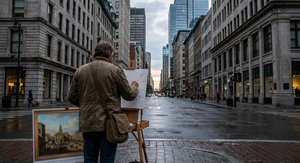
Urban Visions: A Historical & Artistic Exploration of the Cityscape in Painting
Explore the evolution of cityscape painting from historical maps to Impressionist masterpieces. Discover artists like Caillebotte & Utrillo. Find museum-quality reproductions at OriginalUniqueArt.