Pop Art/Conceptual art · 1962
Objectivity (Sol Lewitt, 1962)
Sol Lewitt (1928–2007) on loonud teose Objectivity. See on pärinev 1962 aastast. See kuulub Pop Art/Conceptual art suuntrime. Teos on valmistatud materjalist Mixed Media. Mõõdud on 128 × 128 cm.
- 1962
- Mixed Media
- 128 × 128 cm

 Eelvaade

 Käsitsi maalatud õlimaalatsioon
 Saada
 Jaga
 Teave teose kohta


 Laadi alla
 Sarnased teosed
 Röntgenuuring
 Slaidietendus
 KÜSIMUSED JA VASTUSID

 Statistika
Objectivity lühidalt
- Pealkiri
- Objectivity
- Kunstnik
- Sol Lewitt (1928–2007)
- Kunstnik on sündinud
- Hartford, Ameerika Ühendriigid
- Kuupäev
- 1962
- Tehnika
- Mixed Media
- Mõõtmed
- 128 × 128 cm
- Suunad
- Pop Art/Conceptual art
- Aeglkond
- Modern
- Teema
- grid, text, minimalism, conceptual, repetition, objectivity
Mida Objectivity kujutab?
Objectivity by Sol LeWitt: A Grid of Conceptual Precision
Sol LeWitt's "Objectivity," created in 1962, is a seminal work within the realms of Minimalism and Conceptual Art. This striking piece challenges traditional notions of artistic representation, prioritizing idea and system over subjective expression or illusionistic depiction. Measuring an impressive 128 x 128 cm, it commands attention with its rigorous structure and deliberate repetition.
Composition and Technique: A Three-Dimensional Grid
"Objectivity" presents as a square canvas meticulously divided into a three-dimensional grid of twenty-five squares. Each row contains five squares across and five down. The word "OBJECTIVITY," rendered in bold blue capital letters, is repeated five times across the rows. However, it's not simply a straightforward repetition. Each square displays two letters – “OB,” “JE,” “CT,” and “IV” – with the rightmost squares completing the word “ITY.” A key element of the work lies in its layering: the top row projects outward from the canvas surface, while subsequent rows recede further back, creating a subtle illusion of depth. The background color shifts progressively from orange in the upper row to increasingly darker shades of red as one descends, contributing to a sense of diminishing visibility and an overall darkening effect.
Style and Historical Context: Minimalism and Conceptualism
“Objectivity” emerged during a pivotal period in art history. The late 1950s and early 1960s witnessed the rise of Minimal Art, which rejected Abstract Expressionism’s emphasis on gesture and emotion, favoring instead geometric forms, industrial materials, and a reduction to essential elements. Simultaneously, Conceptual Art began to gain momentum, prioritizing the idea behind the artwork over its physical manifestation. LeWitt's work brilliantly embodies both movements. "Objectivity" exemplifies Minimalism through its grid structure, precise geometry, and serial repetition. It aligns with Conceptualism by foregrounding the underlying concept – in this case, a meditation on objectivity itself – and minimizing the artist’s hand in the final product. The systematic nature of the piece reflects LeWitt's interest in mathematical principles and logical systems.
Symbolism and Emotional Impact: Questioning Perception
The title "Objectivity" is inherently provocative, given the work's visual complexity and layered construction. By repeatedly presenting the word within a receding grid, LeWitt seems to question the very notion of objective truth or perception. The darkening effect as one descends suggests that objectivity becomes increasingly elusive, obscured by layers of interpretation and perspective. The rigid structure can evoke feelings of detachment, artificiality, and even a subtle unease. While seemingly impersonal, "Objectivity" invites viewers to contemplate the complexities of seeing and understanding, prompting reflection on how our perceptions are shaped by context and distance.
Materials and Legacy
LeWitt utilized mixed media in “Objectivity,” primarily employing cardboard or similar rigid material painted with acrylics. The choice of materials reinforces the work's industrial aesthetic and its rejection of traditional artistic techniques. "Objectivity" remains a significant piece within LeWitt’s oeuvre, demonstrating his pioneering approach to artmaking and solidifying his place as a key figure in 20th-century art. Its influence can be seen in subsequent generations of artists exploring conceptual frameworks and systematic processes.
Objectivity kõrge resolutsiooniga pildid
Protected by copyright: these files are for personal reference, not a licence to republish.
Sol Lewitt, Objectivity (1962).
Küsimused teemal Objectivity – vastused
Mis aastal loodi teos „Objectivity“, autor Sol Lewitt?
Teos "Objectivity" on pärit aastast 1962. See ajastu aitab mõista teost Sol Lewitt karjääri ja selle ajastu kontekstis.
Millist tehnikat teose „Objectivity“, autor Sol Lewitt valmistamisel kasutati?
Teos "Objectivity" on valmistatud tehnika Mixed Media.
Mis on originaalteose „Objectivity“, autor Sol Lewitt mõõdud?
Teose "Objectivity" originaalmõõdud on 128 x 128 cm. Algdimensioonid on kasulik viide reproduktsiooni suuruse valimisel.
Mida „Objectivity“, autor Sol Lewitt kujutab?
„Objectivity“, autor Sol Lewitt kujutab: grid, text, minimalism, conceptual, repetition, objectivity, geometric.
Kas teose „Objectivity“, autor Sol Lewitt pilt on vabalt reproduseeritav?
Teos „Objectivity“, autor Sol Lewitt on lubaõiguslikult on endiselt autoriõiguse all under kaitse. See staatus reguleerib teose pildi reprodüseerimise võimalusi.
Millisele kunstnikule on teos "Objectivity" atribuutseeritud?
Teose "Objectivity" looja on Sol Lewitt. Teos on kataloogitud nime Sol Lewitt all.
Millissele kunstisuunale kuulub teos „Objectivity“, autor Sol Lewitt?
Teosest „Objectivity“, autor Sol Lewitt tuntud kunstisuuna on Pop Art/Conceptual art. See klassifikatsioon aitab teost paigutada sarnaste kunstnike ja teoste hulka.
Millissele perioodile Sol Lewitt karjäärist kuulub teos "Objectivity"?
Teos "Objectivity" kuulub Sol Lewitt loomingulise karjääri perioodi Mature Period. See klassifikatsioon seostab teose kunstniku loovliku arenguga.
Kui palju oli Sol Lewitt aastane, kui teos "Objectivity" loodi?
Sol Lewitt loobus teose "Objectivity" 34 aasta vanuses. Kunstnik on sündinud aastal 1928 ning teos on dateeritud 1962.
Kunstnikust, Sol Lewitt

1928–2007, Ameerika Ühendriigid
Sol Lewitt
Ideede arhitekt: Sol LeWitti elu ja pärand twentieth sajandi modernismi laabas maailmand, kus väheselgi isik on jätnud nii pikast kui intellektuaalselt sügavast varjust kui Solomon LeWitt. Sündinud 9. september 1928. aastal Hartfordis, Connecticutis, Venemaalt pärit juudi emigrantide peresse, oli LeWitti teekond määratud otsusest eelistada puhtat mõtet pelgale füüsilisele täitmisele.
Ka Sol Lewitt teosed
 Serial Project #1 ABCD1966
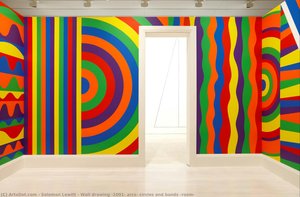 Wall drawing #1091: arcs, circles and bands (room)2003
 Distorted Cubes Bozuk Küpler
 Wall Drawing #3911983
Essee teemadel Objectivity
 Geometry with Purpose: Distinguishing Suprematism from ConstructivismMaster the differences between Suprematism and Constructivism with our expert guide. Discover the soul of the Russian avant-garde now.
 Beyond the Object: Top 10 Masterpieces of Conceptual ArtExplore 10 iconic works of Conceptual Art by Duchamp and Ono. Discover the power of ideas on OriginalUniqueArt.com.
 Expressionism vs. New Objectivity: Emotion vs. Precision in German ArtMaster the tension between Expressionist emotion and New Objectivity precision. Explore the soul of German modern art now.