
 Eelvaade
 Saada
Saada Jaga
Jaga
 Teave teose kohta

 Laadi alla
 Sarnased teosed
 Röntgenuuring
 Slaidietendus
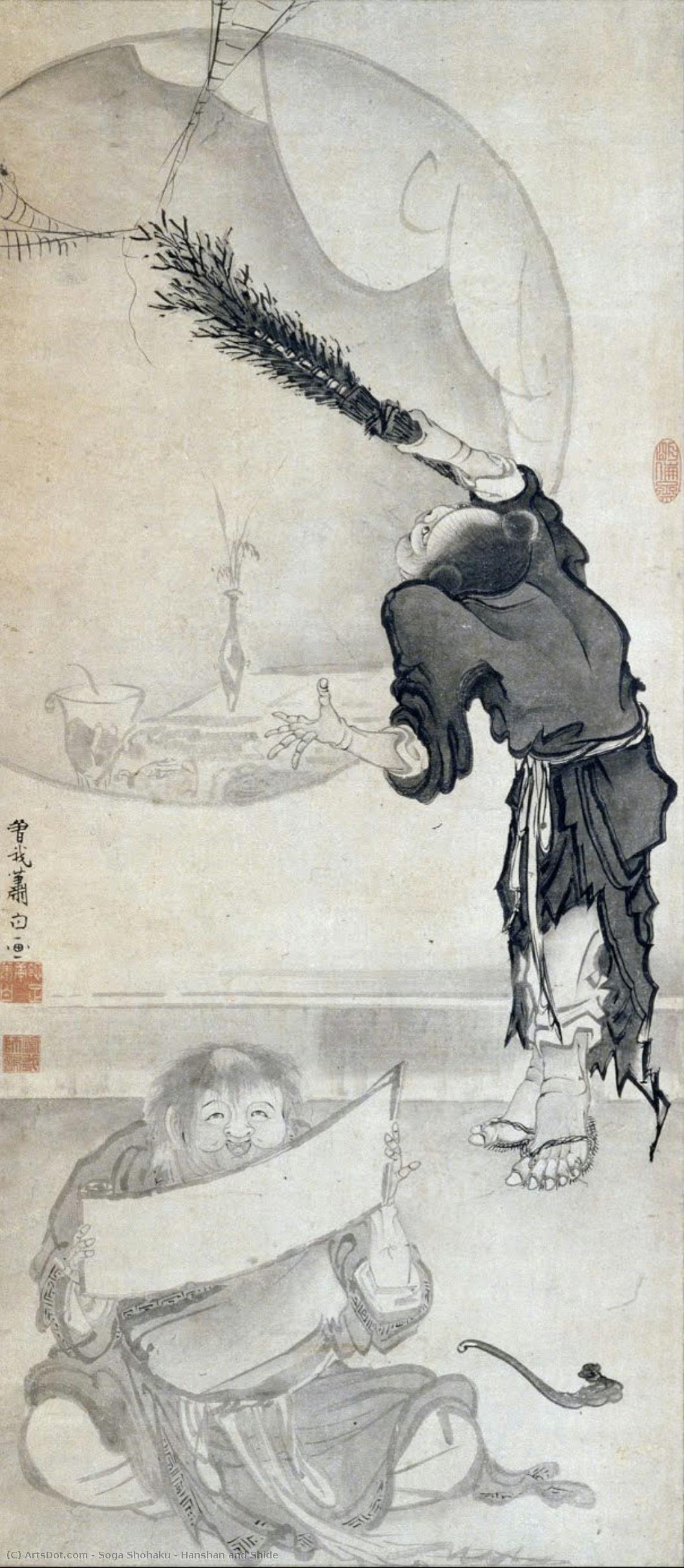
Hanshan and Shide
 1781
1781 54.0 x 123.0 cm
 Aichi Prefectural Museum of Art
 Loe lähemalt
Giclée / Kunstiprint
Muuseumikvaliteediga giclée- või kangasprint kiire tootmisega ja paindlikud viimistlusvõimalused. ( Osta käsitsi maalitud maal Osta pilt)




































Vali meie eelmääratud suurused, mis vastavad teose algupärastele proportsioonidele.

Saate sisestada oma mõõdud, et need sobiks konkreetse raami või ruumi sisse. Kui valitud suurus ei vasta originaalteose proportsioonidele, lõigame teose ära või laiendame pilti peegeldatud või ühtlase servaga. Enne tootmisprotsessi algust saadetakse Teie kinnitamiseks digitaalne näidis.
Palun märka, et ekraanil kuvatav eelvaade ei kajasta tegelikku lõigamist või laiendamist. Ainult näidis kujutab täpselt lõplikku kompositsiooni.
Kuigi erimõõdu on saadaval, soovitame originaaproportsioonide säilitamiseks valida mõõt ette määratud nimekirjast.
Ülemaailmne tarne () 2 nädala jooksul, tavalise 4/5 nädala asemel. (16 august)

Tasuta ekspresssaatmine üle maailma

Kõrgekvaliteediline linakangas

Täielik transpordikindlustus

Tollimaksude tagastamise garantii

Värvitoime täpsuse garantii

60-päevane tagastusõig: ainult tootmisdefektide korral

100% raha tagasi garantii

Hulgusoodustus
 Klaasivalik on saadaval ainult suuruses kuni 110 cm

Hanshan and Shide
Giclée / Kunstiprint
Reproduktsiooni suurus
-


Kogusumma
$ 80
Kunstniku elulugu
life and artistic style
soga shōhaku, a japanese painter from the edo period (1730-1781), defied conventions with his unique brush style, reminiscent of the muromachi period, which was already 150 years out of vogue by the time of his birth. this distinctive approach set him apart from his contemporaries.notable works and their significance
* race at uji river (harvard art museums, cambridge, united states): this polychromatic screen, depicting a famous episode from the 14th-century war epic "the tale of the heike," showcases shōhaku's pictorial grotesquerie. it is a rare example of his work in full color. * the immortal li tieguai (128 x 28 cm, paper): this piece illustrates the story of one of the eight chinese immortals, li tieguai, and demonstrates shōhaku's ability to convey complex narratives through his art.artistic influences and legacy
* shōhaku's preference for the muromachi period's brush style reflects an aesthetic that was already passé by the time of his birth. this choice not only distinguishes him from his contemporaries but also highlights his unique artistic vision. * his monstrous depictions of prominent figures were extremely unusual compared to other painters of his time, further solidifying his position as an unconventional artist.explore more at OriginalUniqueArt
- discover soga shōhaku's works in the artist profile on OriginalUniqueArt.
- learn more about japanese art movements, including the bunjinga art movement, which influenced shōhaku's style.
- view other notable artists from the edo period in OriginalUniqueArt's extensive collection, including mori ransai.
conclusion
soga shōhaku's unorthodox approach to japanese painting during the edo period has left an indelible mark on art history. his unique style, characterized by monstrous depictions and a preference for outdated aesthetics, continues to fascinate art lovers today. explore his works and those of other influential artists at OriginalUniqueArt, the virtual museum for art aficionados. references:- soga shōhaku - artist profile, OriginalUniqueArt
- the bunjinga art movement, OriginalUniqueArt
- mori ransai - artist profile, OriginalUniqueArt
- ito jakuchu, known for his unique use of vegetables and plants in his art.
- kano einō, a prominent member of the preeminent kano family workshop.
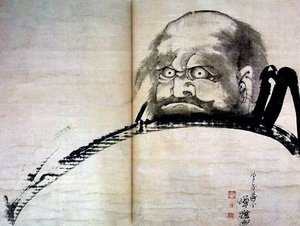
soga shohaku
1730 - 1781 , Japan
Lühikesed faktid
- Artistic Movement Or Style: Muromachi Style
- Artists Or Movements Influenced By This Artist: ['Bunjinga']
- Artists Who Influenced This Artist: ['Takada Keiho']
- Date Of Birth: Kyoto, Japan (1730)
- Full Name: Soga Shōhaku
- Nationality: Japanese
- Notable Artworks:
- Race at Uji River
- The Immortal Li Tieguai
- Place Of Birth: Kyoto

