

 Vaata sisu
 Jaga teost
 Jaga
Jaga
 Detailid
 Õppekate juhend

 Laadi alla
 Sarnased teosed
 Röntgenuuring
 Slaidietendus
 Statistika
The Hundred Jugs
 Acrylic On Canvas
- WallArt
 1916
1916- 19th Century
 123.0 x 154.0 cm
 Walker Art Gallery
 Loe lähemalt
Giclée / Kunstiprint
Muuseumikvaliteediga giclée- või kangasprint kiire tootmisega ja paindlikud viimistlusvõimalused. ( Telli käsitsi maalitud reproduktsioon Ülemineku digitaalse pildi müügi kanalisse)




P118B €10

P118H €10

P118W €10

P438Z €10

P508JH €12

P508YH €12

P805H €10

P805Z €10

P919BZ €10

P919G €10

P919XJ €10

P959ZH €10

P968JZ €12

W106C €8

W218G €10

W218JH €8

W218Y €10

W307PJ €10

W316G €10

W316PJ €8

W316Y €10

W398PJ €8

W4111J €10

W500HY €15

W500JH €15

W692G €12

W849H €8

W940BG €15

W953PJ €8




Vali meie eelmääratud suurused, mis vastavad teose algupärastele proportsioonidele.

Sisestage vajalik laius ja kõrgus, et see sobiks teie raamile või seinale. Trükki saab ainult lõigata, seda ei saa kunagi pildist suuremaks teha, seega ka differentse vormiga suurus kaotab osa pildist. Enne trükkimist saadame teile kinnitamiseks digitaalse näidisprojektsiooni. Sellel lehel näidatud pilt ei kujuta reaalset lõiget — seda näitab ainult näidisprojekttsioon.
Ülemaailmne tarne () 2 nädala jooksul, tavalise 4/5 nädala asemel. (26 oktoober)

Tasuta ekspresssaatmine üle maailma

Kõrgekvaliteediline lina-kangastest muld

Täielik transpordikindlustus

Tollimaksude tagastamise garantii

Värvitoime täpsuse garantii

100 päeva tagastusõigus (ainult defektide korral)

100% raha tagasi garantii

Hulgusoodustus
 Klaasivalik on saadaval ainult kuni 110 cm suuruses teostes

The Hundred Jugs
Giclée / Kunstiprint
Reproduktsiooni mõõtmed
-


Lõppsumma
€ 70
A Symphony of Ceramics: William Nicholson’s “The Hundred Jugs”
William Nicholson's "The Hundred Jugs," painted in 1916 during the tumultuous years of World War I, is far more than a simple arrangement of pottery. It’s a carefully constructed tableau brimming with quiet observation, subtle tension, and a poignant exploration of domesticity amidst the backdrop of national upheaval. The painting, now residing in the Walker Art Gallery in Liverpool, immediately draws the eye into a densely packed room – not a grand hall, but rather a humble space, hinting at a comfortable, if slightly cluttered, existence. Nicholson masterfully employs a muted palette of browns, ochres, and greys, creating an atmosphere of subdued warmth that contrasts subtly with the inherent chaos of the scene.
The sheer volume of jugs is immediately arresting – a seemingly endless collection of earthenware, stoneware, china, and glass vessels in varying sizes and shapes. They aren’t arranged with any discernible order; instead, they tumble over each other, creating a sense of overflowing abundance. This isn't the idealized still life of earlier periods, where objects were meticulously posed for aesthetic perfection. Here, Nicholson embraces a more spontaneous approach, capturing the everyday reality of a household filled with possessions – a reflection of the era’s burgeoning interest in the ordinary and the vernacular.
The Beggarstaff Legacy and Artistic Innovation
To fully appreciate “The Hundred Jugs,” it's crucial to understand Nicholson’s artistic background. He was a key figure in the Beggarstaff partnership, alongside his brother-in-law James Pryde, renowned for their groundbreaking poster designs and illustrations. The Beggarstaff style – characterized by its bold lines, dynamic compositions, and often satirical or humorous subject matter – represented a significant departure from traditional illustration. Nicholson’s influence on this movement is evident in the painting's energetic arrangement and slightly off-kilter perspective.
However, “The Hundred Jugs” transcends the Beggarstaff aesthetic. While retaining some of their dynamism, it demonstrates a deeper engagement with color and texture. Nicholson’s use of tone—the subtle variations in hue and value—is particularly noteworthy. He eschews bright colors in favor of muted tones that create a sense of depth and atmosphere. This tonal approach, as he himself described, is “quality in common between colours,” prioritizing the overall harmony of the composition over precise representation.
Symbolism and Emotional Resonance
The painting’s symbolism is layered and open to interpretation. The abundance of jugs can be seen as a metaphor for domesticity, prosperity, or even the anxieties associated with wartime shortages. The cat perched atop a stack of jugs, greedily lapping up milk from a spilled vessel, adds a touch of playful irony – a moment of levity amidst a period of profound uncertainty. This small detail hints at the human desire for comfort and pleasure in the face of adversity.
Furthermore, the painting’s creation during World War I imbues it with a poignant emotional resonance. Nicholson's son, Ben, later recalled that his father’s still-life paintings stemmed from “a very simple, direct painterly approach,” rooted in the beauty of everyday objects like these jugs – a grounding force amidst the horrors of war. The painting serves as a testament to the enduring power of art to capture and convey human experience, even in times of great upheaval.
A Timeless Masterpiece for Collectors and Designers
"The Hundred Jugs" remains a captivating work of art, offering a glimpse into the domestic life of early 20th-century Britain. Its masterful composition, evocative use of color, and subtle symbolism make it a timeless masterpiece. Reproductions of this painting are highly sought after by collectors and interior designers alike, who appreciate its ability to add warmth, character, and a touch of understated elegance to any space. It’s a piece that invites contemplation, sparking conversations about art, life, and the enduring beauty found in the ordinary.
Küsimused ja vastused
Milline toon on teose „The Hundred Jugs“, autor William Nicholson domineeriv?
Teose „The Hundred Jugs“, autor William Nicholson läbimõtes on tunda Green to Violet Spectrum toonist.
Kas teose "The Hundred Jugs" looja William Nicholson on tuntud ka muude nimede all?
Kunstnik William Nicholson tuntub ära ka nime all Sir William Newzam Prior Nicholson, W. Nicholson.
Mis on teose „The Hundred Jugs“, autor William Nicholson tehnika ja mõõdud?
Teos "The Hundred Jugs" on valmistatud tehnika Acrylic On Canvas ja algses vormis mõõdetakse 123 x 154 cm.
Kunstniku elulugu
Varajane Elu ja Kunstialgused
Sir William Newzam Prior Nicholson, sündinud 1872. aastal Newark-on-Trentis, kasvas üles keskkonnas, mis ühendas tööstusliku praktilisuse kunstilise tundlikkusega. Tema isa, edukas insener ja Konservatiivse Partei liige, õpetas distsipliini, samal ajal kui ema sugupuu seob teda Oxfordshire’i esteetiliste traditsioonidega. Juba varakult ilmutas Nicholson andekust kunsti suhtes, mida toetasid kohaliku maalikunstniku William Cubley tunnid, kes omakorda jälgis oma kunstilisi juuri Sir Joshua Reynoldsi juurde. See varajane kokkupuude pani aluse karjäärile, mis hõlmaks mitmeid erinevaid meediume ja stiile. Lühike periood Hubert von Herkomeri kunstikoolis osutus pöördeliseks, mitte ainult oskuste lihvimise poolest, vaid ka Mabel Pryde’iga tutvumise tõttu, kes hiljem tema abikaasaks sai ning oluliseks kaasautoriks tema kasvavas kunstilises teekonnas. Just Mabeli kaudu kohtus ta tema vennaga James Prydga, mille tulemuseks oli partnerlus, mis varsti revolutsioneeris graafilise disaini maailma.Beggarstaffid ja Plakatikunsti Revolutsioon
William Nicholsoni ja James Pryde’i koostöö, tuntud kui “J. & W. Beggarstaff,” tähistas pöördepunkte Briti visuaalkultuuris. Tagasilükkades valitsevat Victorian-ajastu plakatite üleküllast stiili, nad omaksid julge lihtsuse, mida iseloomustasid silmatorkavad siluetid, lamedad värvipinnad ja traditsioonilise perspektiivi tahtlik vältimine. Nende kujundused ei olnud pelgalt reklaamid; need olid avaldused – võimsad graafilised kompositsioonid, mis köitsid avalikkuse kujutlusvõimet. Plakatid lavastuste jaoks nagu “Don Quixote” ja väljaannete jaoks nagu “Harper’s Magazine” said koheselt äratuntavaks, mõjutades kunstnike ja disainerite põlvkonda. See periood ei piirdunud lihtsalt kommertsikunstiga; see puudutas visuaalse kommunikatsiooni ümberdefineerimist. Beggarstaffide töö väljakutse konventsioonidele sillutas teed kaasaegsele graafilisele disainile ja kinnistas Nicholsoni maine uuendajana. Nende mõju kajas kaugele plakatite valdkonnast, mõjutades illustratsiooni ja isegi maalikunsti tugeva vormi ja tahtliku kompositsiooni rõhu tõttu.Puidulõikudest Portreedele: Stiili Arenemine
Beggarstaffi partnerluse lõpetamise järel asus Nicholson stilistilise uurimise perioodi. Ta pööras tähelepanu puidulõikudele ja puugraveeringutele, tehnikatele, mis võimaldasid tal edasi viimistleda oma meisterlikkust joone ja vormi vallas. James McNeill Whistleri julgustusel omaksid ta need meetodeid, tootes keerukaid ja väljendusrikkaid trükke, mis demonstreerisid tema kasvavat kunstilist küpsust. Need tööd näitasid tähelepanuväärset võimet tabada olemust minimaalse detailiga – kvaliteeti, mis sai tema stiili tunnusjooneks. Samal ajal hakkas Nicholson end kehtestama portreekunstnikuna, saades tellimusi ajastu silmapaistvatelt figuuridelt. Tema portreed ei olnud pelgalt sarnasused; need olid sisukad iseloomu uuringud, mis paljastasid oma subjektide sisema elu peentest väljendusviisidest ja poosidest. Tööd nagu *Lady in Furs, Mme. P.* on selle oskuse näited, tabades mitte ainult füüsilist välimust, vaid ka isiksuse ja sotsiaalse staatuse tunde.Still Life’id, Maastikud ja Püsiv Pärand
Karjääri hilisemates etappides keskendus Nicholson üha enam still life’ile ja maastikumaalidele. Tema still life’id, näiteks *The Lowestoft Bowl*, on tuntud oma peenete detailide tähelepanu, harmooniliste värvipalettide ja vaikse intiimsuse poolest. Ta andis igapäevastele esemetele poeetilise kvaliteedi, tõstes need pelgalt representatsioonist ilu ja mõtiskluse sümboliteks. Tema maastikud, mis kujutavad sageli stseene tema reisidest Hispaaniasse ja Itaaliasse, näitavad tundlikkust valguse ja atmosfääri suhtes, tabades koha olemust tähelepanuväärse oskusega. Kogu oma elu jäi Nicholson mitmekülgne kunstnik, katsetades pidevalt uute tehnikate ja lähenemisviisidega. Ta autor lasteraamatuid, kujundas teatrile ning jätkas maalide kõrval trükke valmistamist. Sir William Nicholsoni mõju ulatub tema enda viljakale väljundile; ta inspireeris põlvkondi kunstnike oma pühendumusega meisterlikkusele, uuendusliku vaimuga ja võimega leida ilu tavalises. Tema töö on jätkuvalt tunnistuseks kunsti jõust valgustada inimkogemust ja muuta meie arusaama maailmast ümber. Ta suri 1949. aastal, jättes maha rikka kunstipärandi, mis tänini köidab ja inspireerib.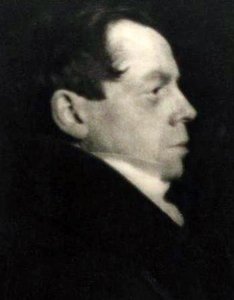
William Nicholson
1872 - 1949 , Ühendkuningriik
Lühikest infot
- Artistic Movement Or Style: Still life, portreekunst
- Artists Or Movements Influenced By This Artist: Varajane 20. sajandi kunst
- Artists Who Influenced This Artist:
- James Pryde
- Whistler
- Date Of Birth: 5. veebruar 1872
- Date Of Death: 16. mai 1949
- Full Name: Sir William Newzam Prior Nicholson
- Nationality: Briti
- Notable Artworks:
- Lady in Furs
- The Lowestoft Bowl
- Plaza de toros, Malaga
- Place Of Birth: Newark, Ühendkuningriik
Sarnased artiklid
William Michael Harnett: Still Life, Realism & the American Pursuit of Materiality
Explore the captivating still lifes of William Michael Harnett, a master of American realism and trompe l'oeil painting. Discover his technique, legacy & the cultural context behind his iconic works.

Silent Narratives: Exploring the Enduring Appeal of Still Life Painting Across Centuries
Explore the rich history of still life painting with OriginalUniqueArt. Discover Dutch Masters, decode vanitas symbolism & learn about collecting timeless art. Expert insights and museum-quality reproductions.
Clyfford Still's Abstract Expressionism: A Study of Color, Form & the Existential Landscape
Explore the profound world of Clyfford Still's Abstract Expressionism with OriginalUniqueArt. Discover his unique style, existential themes & investment potential. Expert analysis for discerning collectors.
Sir William Nicholson: A Study in Post-Impressionist Portraiture & Decorative Modernism
Explore the life & work of Sir William Nicholson, a pivotal British Post-Impressionist painter. Discover his striking portraits, innovative woodcuts, and lasting influence on early 20th-century art. Expert insights for collectors.
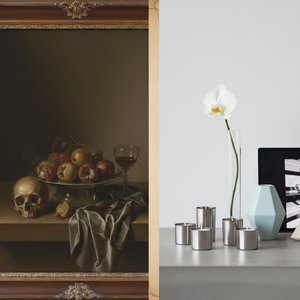
The Enduring Appeal of Still Life: A Historical & Contemporary Exploration
Explore the rich history & symbolism of still life painting with OriginalUniqueArt. Discover masterpieces from the Dutch Golden Age, learn about vanitas art, and find expert guidance for collecting timeless artworks.