

 Vaata sisu
 Jaga teost
 Jaga
Jaga
 Detailid
 Õppekate juhend

 Laadi alla
 Sarnased teosed
 Röntgenuuring
 Slaidietendus
 Statistika
The Black Brunswicker
 Oil On Canvas
- WallArt
- Pre-Raphaelite Brotherhood
 103.0 x 69.0 cm
 Royal Scottish Academy of Art - Architecture
 Loe lähemalt
Käsitsi valmistatud õlimaalireproduktsioon
Meie kunstnike poolt tellimusel valmistatud käsitsi maalitud õli-kainaste teos teie soovitud suuruses ja raamis. ( Lülita trükkitoodetele Ülemineku digitaalse pildi müügi kanalisse)




P118B €10

P118H €10

P118W €10

P438Z €10

P508JH €12

P508YH €12

P805H €10

P805Z €10

P919BZ €10

P919G €10

P919XJ €10

P959ZH €10

P968JZ €12

W106C €8

W218G €10

W218JH €8

W218Y €10

W307PJ €10

W316G €10

W316PJ €8

W316Y €10

W398PJ €8

W4111J €10

W500HY €15

W500JH €15

W692G €12

W849H €8

W940BG €15

W953PJ €8




Vali meie eelmääratud suurused, mis vastavad teose algupärastele proportsioonidele.

Sisestage vajalik laius ja kõrgus, et teos sobiks teie raamile või seinale. Kuna tegu on käsipainatud teosega, siis erineva kujuga suuruse korral võib kunstnik jätta pildi ümber veidi rohkem marginaali või lõigata osa ära — valik on teie. Enne maali alustamist saadame teile kinnitamiseks digitaalse näidisprojektsiooni. Sellel lehel näidatud pilt ei kajasta tegelikku tulemust — seda näitab ainult näidisprojekttsioon.
Pärast tellimust saadab OriginalUniqueArt.com meeskond kliendile e-posti juhised ning esitab eelvaate kavandi
Maailmline tarne 3–4 nädala jooksul tavalise 5 nädala asemel. (23 oktoober). Kvaliteedis kompromisse ei tehta.

Tasuta ekspresssaatmine üle maailma

Kõrgekvaliteediline lina-kangastest muld

Täielik transpordikindlustus

Tollimaksude tagastamise garantii

Värvitoime täpsuse garantii

100 päeva tagastusõigus (ainult defektide korral)

100% raha tagasi garantii

Hulgusoodustus
 Klaasivalik on saadaval ainult kuni 110 cm suuruses teostes

The Black Brunswicker
Reproduktsiooni materjal
Reproduktsiooni mõõtmed
-


Lõppsumma
€ 264
The Black Brunswicker: A Victorian Tableau of Duty and Desire
John Everett Millais’s “The Black Brunswicker,” painted in 1860, is more than just a depiction of a soldier preparing for battle; it's a meticulously crafted tableau vivant—a staged scene designed to evoke both the drama of historical conflict and the poignant intimacy of personal relationships. This remarkable work, now housed at the Lady Lever Art Gallery in Port Sunlight, Merseyside, offers a captivating glimpse into Victorian sensibilities, Pre-Raphaelite aesthetics, and the complex interplay between duty, love, and loss.
At first glance, the painting presents a seemingly straightforward scene: a young soldier, clad in the dark, imposing uniform of the Black Brunswickers—a German mercenary unit that fought valiantly at the Battle of Waterloo—is about to depart for war. His sweetheart, a woman of striking beauty adorned with a delicate pink sash and pearl-white satin gown, attempts to restrain him, her face etched with worry as she struggles to close the heavy wooden door behind him. A loyal black dog sits attentively at their feet, seemingly mirroring the soldier’s conflicted emotions. However, beneath this surface narrative lies a rich tapestry of symbolism and historical allusion, meticulously woven by Millais.
A Collision of Eras and Influences
Millais masterfully juxtaposes elements from different eras within a single composition. The soldier's attire, reminiscent of 19th-century military garb, immediately anchors the scene in a specific historical context—the Napoleonic Wars. Yet, the woman’s dress, with its elaborate detailing and delicate fabrics, hints at a more refined Victorian sensibility. Crucially, the painting is not simply a portrait of two lovers; it's deeply intertwined with a broader narrative inspired by Tennyson’s poem “Mariana,” which explores themes of unrequited love, loss, and the constraints imposed upon women in Victorian society. The inclusion of Jacques-Louis David’s monumental painting "Napoleon Crossing the St. Bernard Pass" further complicates the scene, adding an element of grand historical drama and subtly commenting on the romantic ideals of heroism and conquest.
The presence of the print is not merely decorative; it serves as a visual counterpoint to the intimate moment unfolding before the viewer. David’s painting, with its heroic depiction of Napoleon, embodies masculine power and military triumph—qualities that stand in stark contrast to the woman's desperate attempt to prevent her lover from embracing such ambition. The soldier’s struggle against his duty, symbolized by the open door, becomes a metaphor for the broader conflict between personal desires and societal expectations.
Technique and Detail: A Pre-Raphaelite Masterpiece
Millais's technical skill is evident in every detail of “The Black Brunswicker.” He employed the meticulous observation characteristic of the Pre-Raphaelites, painstakingly rendering the textures of the fabrics—the heavy velvet of the soldier’s uniform, the delicate lace of the woman’s gown, and the rough grain of the wooden door. The use of a white ground technique, where thin layers of translucent paint are applied over a primed surface, creates an illusion of depth and luminosity, enhancing the realism of the scene. The artist's attention to detail extends beyond mere representation; he deliberately incorporates symbolic elements—the falling autumn leaves representing the passage of time and the inevitability of loss, the dog’s watchful gaze reflecting the soldier’s internal turmoil.
Notably, Millais employed a unique method for creating this complex scene. Rather than posing his subjects directly, he utilized wooden stand-ins to capture their gestures and expressions. The soldier's pose was achieved by having an anonymous soldier clasp a lay-figure to his breast, while the woman’s posture was replicated using a similar technique. This innovative approach allowed Millais to achieve remarkable accuracy in conveying the emotional nuances of the scene, despite the lack of direct interaction between the models.
Emotional Resonance and Lasting Legacy
"The Black Brunswicker" transcends its historical subject matter to resonate with viewers on a deeply emotional level. The painting captures the poignant tension between love and duty, highlighting the sacrifices individuals make in the face of societal pressures. The woman’s desperate attempt to hold her lover back speaks to the constraints placed upon women during the Victorian era, while the soldier's conflicted emotions reflect the burden of military service.
Millais’s masterpiece remains a powerful testament to the Pre-Raphaelite movement’s commitment to realism, symbolism, and narrative storytelling. It is a captivating work that continues to fascinate art lovers and collectors alike, offering a glimpse into the complexities of Victorian life and the enduring power of human emotion.
Küsimused ja vastused
Kas teos „The Black Brunswicker“, autor John Everett Millais on portree-, maastiku- või ruudukompositsioon?
Teose "The Black Brunswicker" vorming on Portrait. See on kasulik reproduktsiooni paigaldamise planeerimisel.
Millissele kunstisuunale kuulub teos „The Black Brunswicker“, autor John Everett Millais?
Teosest „The Black Brunswicker“, autor John Everett Millais tuntud kunstisuuna kuulub Pre-Raphaelite Brotherhood stiili. See klassifikatsioon aitab teost paikutada sarnaste kunstnike ja teoste hulka.
Kui hele on teos "The Black Brunswicker" üldiselt?
Teose „The Black Brunswicker“, autor John Everett Millais tajutav heledus on deep_shadow. Seda saab kohandada mõeldud ruumi valgusest koos.
Kunstniku elulugu
A Prodigy of the Pre-Raphaelites: The Life and Art of Sir John Everett Millais
Born in Southampton 1829. aastal, astus John Everett Millais Royal Academy Schools’i juba üllataval eleveni vanuses – noorim õpilane, kes kunagi kooli vastu võetud oli. See varajane andekuse ilmutus ennustas karjääri, mis mitte ainult ei defineerinud kunstiliikumist, vaid ka köitis viktoriaanlikku kujutlusvõimet oma hingatavale realismiga ja emotsionaalse sügavusega. Juba varasest east omandas Millais tähelepanuväärse vaatlustalendi, kvaliteedi, mis sai tema kunstiliste stiili nurgakiviks. Ta ei maalinud lihtsalt seda, mida ta nägi; ta rekonstrueeris seda hoolikalt, imbudes iga pintslikäiguga peaaegu fotograafilise täpsusega. See pühendumine tõele esitusel eraldas teda ja viis lõpuks väljakutsega Briti kunsti kehtivatele konventsioonidele.The Birth of a Brotherhood and Artistic Rebellion
Millais’ kunstiline trajektuur võttis 1848. aastal pöördelise suuna, kui ta Dante Gabriel Rossetti ja William Holman Huntiga asutas Pre-Raphaelite Brotherhoodi. See ei olnud lihtsalt esteetiline valik; see oli teadlik mässu akadeemilise kunsti vastu – kunsti, mis oli liialt kaugel loodusest ja varase renessansi meistrite siirusest, need töötasid *enne* Raphaeli. Pre-Raphaelites otsisid taaselustada Jan van Eycki ja Fra Angelico kunstnike selgust, detaile ja elavaid värvipalette. Nende manifest oli tõele loodusele, idealiseeritud vormide tagasilükkamine ja embrasse teemad kirjandusest, müütoloogist ja igapäevaelust. Millais’ varased tööd, näiteks Isabella, demonstreerisid koheselt seda uut lähenemisviisi – tähelepanuväärset detailidele tähelepanu koos narratiivse intensiivsusega, mis köitis ja sageli provotseeris publikut. Tema kõige vastuolulisem töö sel perioodil, Christ in the House of His Parents (1849-50), kujutas Püha perekonda mitte eeterlike olenditena, vaid tavaliste töölisklassi inimestena, mis tekitas kriitikute seas viha, kes leidsid selle realismi häirivaks ja isegi blasphemous.Evolving Styles and Victorian Sensibilities
1850ndate keskpaik tähistas Millais’ jaoks olulist muutust nii isiklikult kui ka kunstiliselt. Tema abiellumine Effie Grayga, pärast tema abielu John Ruskiniga tühistati, mõjutas sügavalt tema tööd. Ta liikus intensiivselt detailse, sümbolilise stiili juurest oma varase Pre-Raphaelite maalide juurest laiemasse, atmosfääri realistlikku suunas. See muutus ei olnud lihtsalt stilistiline eelistus; see kajastas kasvavat seotust kaasaegse eluga ja soovi tabada looduse lühiajalist ilu. Maalid nagu Autumn Leaves näitavad seda uut suunda – rahuliku kujutise noortest naistest, kes loovad lehti jões, täis melanhooliat ja nostalgiat. Ta saavutas ka märkimisväärset edu portreekunstnikuna, tabades viktoriaanlikke figuure, sealhulgas John Gladstone’i ja Benjamin Disraeli sarnasusi. See periood nägi Millais’ laialdast populaarsust ja rahalist kindlust, kuid see tõi ka kriitikat neilt, kes tundsid, et ta oli kompromiteerinud oma kunstilisi põhimõtteid.Legacy and Lasting Influence
Kriitikast hoolimata on Sir John Everett Millais endiselt üks 19. sajandi Briti kunsti olulisemaid figuure. Tema mõju ulatub kaugele Pre-Raphaelite Brotherhoodist; ta aitas määratleda realismi ja narratiivse maali standardeid, inspireerides põlvkondi kunstnikke. Tema ikoonilised pildid – Ophelia, oma kummitava ilu ja sümbolilise rikkusega, A Huguenot, kujutades hetke poeetilist draamat, ja lugematu teine – jätkavad tänapäeval publikut resoneerima. Millais’ võime ühendada hoolikas vaatlus emotsionaalse sügavusega, tema värvi ja kompositsiooni meisterlikkus ning tema valmisolek kunstilisi konventsioone väljakutsuda kinnistasid ta tõeliseks innovaatoriks. 1896. aastal valiti ta Royal Academy presidendiks, mis on tunnistus tema püsivast pärandist – kuigi kahjuks ta suri vaid mõned kuud hiljem. Tema tööd jätkavad tähistamist muuseumides ja kollektsioonides üle maailma, tagades, et tema kunsti ilu ja jõud kestavad põlvkondade jooksul.Major Works & Collections
- Christ in the House of His Parents (1849-1850): Tate Britain, London – Vastukäiv meistriteos, mis näitab varase Pre-Raphaelite realismi.
- Ophelia (1851-1852): Tate Britain, London – Võib-olla tema kuulsaim töö, tuntud oma kummitava ilu ja sümbolilise sügavuse poolest.
- A Huguenot (1851-1852): Private Collection – Dramaatiline kujutus usulistest konfliktidest ja keelatud armastusest.
- Mariana (1850-1851): Manchester Art Gallery – Inspireeritud Shakespeare’ist ja Tennysonist, mis näitab Millais’ oskust meeleolu ja atmosfääri tabada.
- Autumn Leaves (1855-1856): City of Manchester Art Galleries – Rahulik ja elav maali, mis kajastab tema arenevat stiili.

John Everett Millais
1829 - 1896 , Ühendkuningriik
Lühikest infot
- Artistic Movement Or Style: Pre-Raphaeliidid, Realism
- Artists Or Movements Influenced By This Artist: Pre-Raphaeliidi liikumine
- Date Of Birth: 8. juuni 1829
- Date Of Death: 13. august 1896
- Full Name: Sir John Everett Millais
- Nationality: Briti
- Notable Artworks:
- Christ in the House...
- Ophelia
- A Huguenot
- Mariana
- Place Of Birth: Southampton, Ühendkuningriik
Sarnased artiklid

Pre-Raphaelite Romanticism: A Guide to Vivid Detail and Medieval Beauty in Victorian Art
Explore the vivid detail and medieval beauty of Pre-Raphaelite Romanticism. Discover the history of masters like Rossetti and Millais through our expert guide to Victorian art, perfect for collectors and professionals seeking authentic, museum-quality reproductions.

Sir John Everett Millais: Pre-Raphaelite Rebellion & Victorian Narrative Detail
Explore the revolutionary art of Sir John Everett Millais & the Pre-Raphaelite Brotherhood. Discover their radical realism, symbolic narratives, and lasting impact on Victorian aesthetics. A deep dive into 19th-century masterpieces.
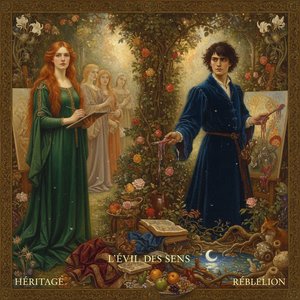
The Pre-Raphaelite Brotherhood: Reclaiming Beauty, Nature, and Truth in Victorian Art History
Explore the revolutionary Pre-Raphaelite Brotherhood. Discover how these visionary artists rejected academic tradition to reclaim beauty, nature, and truth through luminous detail and literary depth in Victorian art history.

Dante Gabriel Rossetti 25 parimat teost: kunstiline pärand ja kodukaunistuse inspiratsioon
Avastage Dante Gabriel Rossetti 25 parimat teost! Sukeldume viktoriaanliku romantika ja Pre-Raphaelite kunstiliikumise maailma. Leidke inspiratsiooni kodukaunistuseks ning ostke kvaliteetseid Rossetti reproduktsioone OriginalUniqueArt.com-is. Avastage kogu kollektsioon online!

The Pre-Raphaelite Brotherhood: Rediscovering Romanticism, Mythological Depth, and Vivid Detail in Victorian Art
Explore the breathtaking world of the Pre-Raphaelite Brotherhood. Discover how this movement redefined Victorian art through vivid detail, mythological depth, and romanticism. An expert guide for classic art enthusiasts seeking to rediscover these timeless masterpieces.


