Menüü

() ·

A painting made for you, by hand

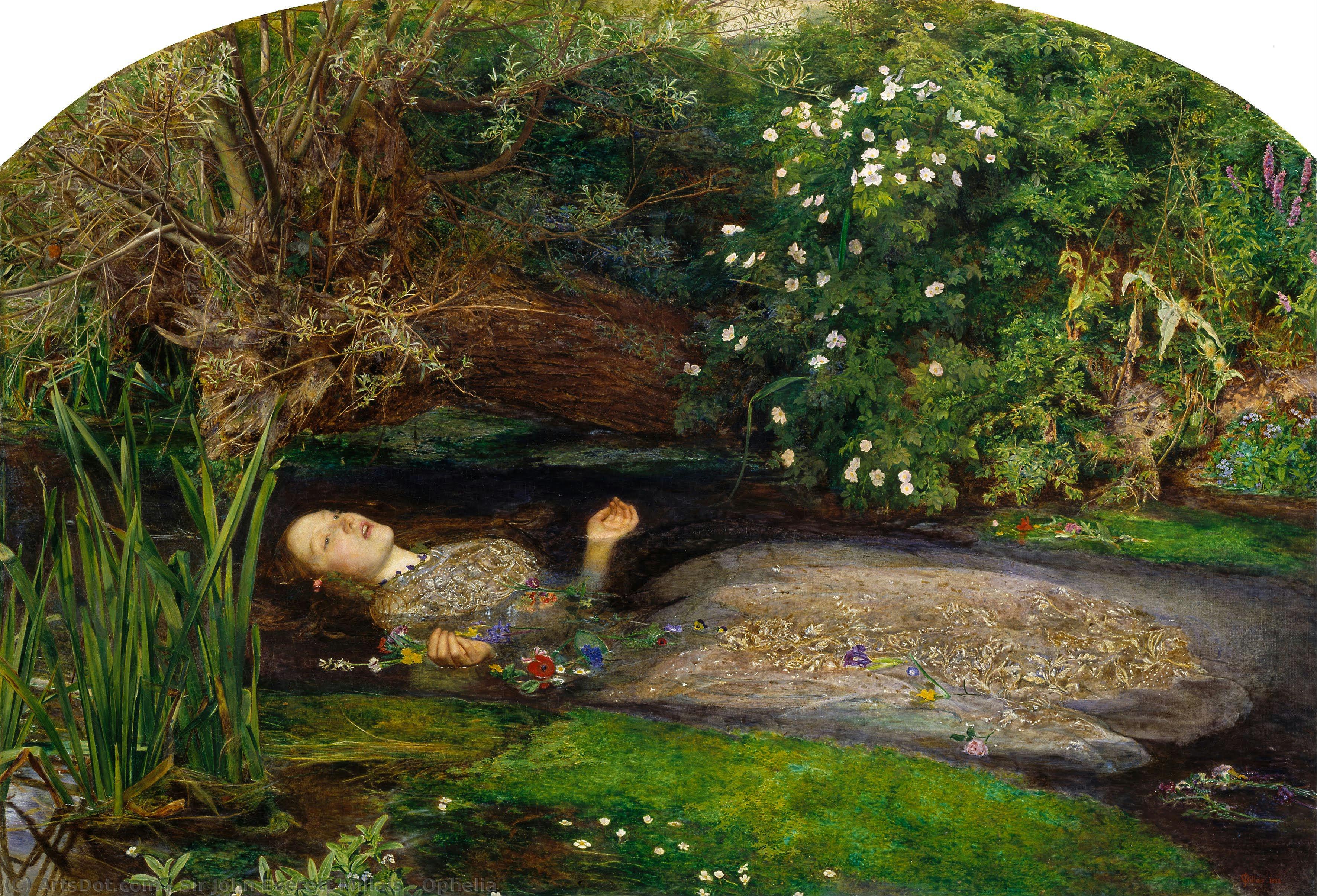
Ophelia

Käsitsi valmistatud õlimaalireproduktsioon

Meie kunstnike poolt tellimusel valmistatud käsitsi maalitud õli-kainaste teos teie soovitud suuruses ja raamis. ( Lülita trükkitoodetele Lülita digitaalse pildi juurde)

Kogumisobjekti kirjeldus

Experience Millais’ "Ophelia" – a breathtaking Pre-Raphaelite masterpiece! Explore its serene beauty, intricate detail & symbolic depth. A timeless work of art.

Kunstniku elulugu

"Avastage Sir John Everett Millais (1829-1896) kunst – Pre-Raphaeliitide liikumise rajaja. Imetlege tema detailset realismit, ikoonilisi teoseid nagu "Ophelia" ja "Kristus vanemate kodus" ning viktoriaanlikku mõju."

from ·

Chapter 1

How large should it be?

Slide to change the size; the picture on the left shows the frame at its real width. The proportions of the original are kept.

Standardne suurus
kohandatud
CM
INCH

Vali meie eelmääratud suurused, mis vastavad teose algupärastele proportsioonidele.

laius
kõrgus

Sisestage vajalik laius ja kõrgus, et teos sobiks teie raamile või seinale. Kuna tegu on käsipainatud teosega, siis erineva kujuga suuruse korral võib kunstnik jätta pildi ümber veidi rohkem marginaali või lõigata osa ära — valik on teie. Enne maali alustamist saadame teile kinnitamiseks digitaalse näidisprojektsiooni. Sellel lehel näidatud pilt ei kajasta tegelikku tulemust — seda näitab ainult näidisprojektsioon.

Chapter 2

How should it arrive?

Choose the edges of the stretched canvas

Choose your frame

Corner sample of the WhiteWrap canvas edge finish, stretched on massivpuit bars
White €1
Corner sample of the BlurSideWrap canvas edge finish, stretched on massivpuit bars
Blurside €1
Corner sample of the ExtendedWrap canvas edge finish, stretched on massivpuit bars
Extended €1
Corner sample of the P118B picture frame: vormitud polüstüreen, 5 cm wide and 3 cm thick
P118B €10
Corner sample of the P118H picture frame: vormitud polüstüreen, 5 cm wide and 3 cm thick
P118H €10
Corner sample of the P118W picture frame: vormitud polüstüreen, 5 cm wide and 3 cm thick
P118W €10
Corner sample of the P438Z picture frame: vormitud polüstüreen, 5.5 cm wide and 3.5 cm thick
P438Z €10
Corner sample of the P508JH picture frame: vormitud polüstüreen, 7 cm wide and 3.5 cm thick
P508JH €12
Corner sample of the P508YH picture frame: vormitud polüstüreen, 7 cm wide and 3.5 cm thick
P508YH €12
Corner sample of the P805H picture frame: vormitud polüstüreen, 5 cm wide and 3.5 cm thick
P805H €10
Corner sample of the P805Z picture frame: vormitud polüstüreen, 5 cm wide and 3.5 cm thick
P805Z €10
Corner sample of the P919BZ picture frame: vormitud polüstüreen, 7 cm wide and 3.5 cm thick
P919BZ €10
Corner sample of the P919G picture frame: vormitud polüstüreen, 7 cm wide and 3.5 cm thick
P919G €10
Corner sample of the P919XJ picture frame: vormitud polüstüreen, 7 cm wide and 3.5 cm thick
P919XJ €10
Corner sample of the P959ZH picture frame: vormitud polüstüreen, 5 cm wide and 3 cm thick
P959ZH €10
Corner sample of the P968JZ picture frame: vormitud polüstüreen, 6 cm wide and 4 cm thick
P968JZ €12
Corner sample of the W106C picture frame: massivpuit, 5 cm wide and 3 cm thick
W106C €8
Corner sample of the W218G picture frame: massivpuit, 5 cm wide and 3 cm thick
W218G €10
Corner sample of the W218JH picture frame: massivpuit, 5 cm wide and 3 cm thick
W218JH €8
Corner sample of the W218Y picture frame: massivpuit, 5 cm wide and 3 cm thick
W218Y €10
Corner sample of the W307PJ picture frame: massivpuit, 6 cm wide and 3 cm thick
W307PJ €10
Corner sample of the W316G picture frame: massivpuit, 6 cm wide and 3 cm thick
W316G €10
Corner sample of the W316PJ picture frame: massivpuit, 6 cm wide and 3 cm thick
W316PJ €8
Corner sample of the W316Y picture frame: massivpuit, 6 cm wide and 3 cm thick
W316Y €10
Corner sample of the W398PJ picture frame: massivpuit, 5 cm wide and 3 cm thick
W398PJ €8
Corner sample of the W4111J picture frame: massivpuit, 6.5 cm wide and 3.5 cm thick
W4111J €10
Corner sample of the W500HY picture frame: massivpuit, 7 cm wide and 5 cm thick
W500HY €15
Corner sample of the W500JH picture frame: massivpuit, 7 cm wide and 5 cm thick
W500JH €15
Corner sample of the W692G picture frame: massivpuit, 8 cm wide and 4 cm thick
W692G €12
Corner sample of the W849H picture frame: massivpuit, 5 cm wide and 3 cm thick
W849H €8
Corner sample of the W940BG picture frame: massivpuit, 7.5 cm wide and 4.5 cm thick
W940BG €15
Corner sample of the W953PJ picture frame: massivpuit, 6 cm wide and 3.5 cm thick
W953PJ €8
Corner sample of the H24-GOLD picture frame: kareeritud puit ja gesso, 10 cm wide and 6 cm thick
H24-GOLD €30
Corner sample of the H24-SILVER picture frame: kareeritud puit ja gesso, 10 cm wide and 6 cm thick
H24-SILVER €30
Corner sample of the H36-GOLD picture frame: kareeritud puit ja gesso, 15 cm wide and 6.5 cm thick
H36-GOLD €45
Corner sample of the H36-SILVER picture frame: kareeritud puit ja gesso, 15 cm wide and 6.5 cm thick
H36-SILVER €45
Raami eelvaade
Raamitud

Moulding: . Overall size with the frame: .

Chapter 3

Who paints it, and should anything change?

Examples of what can be changed: Replace face with customer photo; Add pet (e.g., replace cat with dog); Include hidden message in background; Change background landscape or elements.
After order, OriginalUniqueArt.com team will email client for instructions and provide a mockup preview

Maailmline tarne 3–4 nädala jooksul tavalise 5 nädala asemel. (30 oktoober). Kvaliteedis kompromisse ei tehta.

Chapter 4

The finishing touches

A nameplate, as in a museum?

Graveeritud pronksplaadi üksikasjad

This elegant plaque features the artist's name and the title of the artwork, finely engraved for a timeless presentation.

It is made from bronze with a refined, elegant finish. The text is precisely laser-engraved for a sharp and permanent result. Measuring 9x2 cm, the plaque is compact yet easy to read. It's built to be durable and scratch-resistant, offering a professional, museum-quality look. Mounting is simple thanks to the included adhesive backing.

Läbipaistva akrüülplaadi üksikasjad

The plaque includes essential engraved details such as the artist's name, the title of the artwork, the date it was created, the type of media used-like oil on canvas or watercolor-a brief description of the piece, and a QR code that links to the complete artwork information.

It is crafted from clear acrylic, offering a sleek, modern appearance. The text is UV-engraved in black to ensure strong visual contrast. With a size of 10x15 cm, it ensures optimal readability. It comes equipped with two metal hooks for secure wall mounting. The plaque is designed to be weather-resistant, making it suitable for various environments, and it includes interactive features that work seamlessly with smartphone scanning.

Musta akrüülplaadiรายละเอียด (Note: The user provided "Musta akrüülplaadi detailid" as the current translation and asked for an improved version. Since "Musta akrüülplaadi

This elegant plaque includes engraved information such as the artist's name, the title of the artwork, the date it was created, the type of media used (like oil on canvas or watercolor), a short description of the artwork, and a QR code for quick access to more information.

The plaque itself is made from refined black acrylic with a premium finish. The text is laser-engraved in white for high contrast and readability. Its size is 10x15 cm, designed to be easy to read. It comes with two metal hooks for professional mounting. The design is sleek and fits any interior style. It is also weather-resistant and durable, with built-in digital integration for mobile compatibility.

A protective varnish?

When do you need it?

Chapter 5

Your painting, as you ordered it

Ophelia

Reproduktsiooni tehnika

Reproduktsiooni suurus

-

Eelistatud tippkunstnik

Rohkem detaile, peenust ja lisatootmisaega

-

Reproduktsiooni raamivalikud

-

-

Kunstiteoste või reproduktsioonide puhul, mille üks külg on üle 105 cm (umbikmolt 41 tolli), saadetakse raam kirjal asendis, la Dismantlitud komplektina. See meetod tagab ohutuse kohaletoimetamisel ja väldib transpordil tekkivaid kahjustusi.

Vajalik professionaalne kokkupanek – see ei ole isetegevusega valmistamiseks mõeldud toode.
Komplekt tuleb kokku panna ja lõvet pingutada kogemusega professionaalse raamija, kasutades puiduliim (ei kuulu komplekti), lõvetpingi ja klempe, et hoida raami kande mustad õigena liimi kuivamisaja jooksul. Vale kokkupanek või ebaühtlane lõvetping võib kunstiteost püsivalt kahjustada ning seda ei katta meie garantii.

  • Kaasatud on kõik tahked puidust liistud, täpselt lõigatud vastavaks suuruseks.

  • Kokku panemiseks kasutatakse lisatud kruvisid ning nurkade liimamiseks vajalikku puuliima, mida ei ole komplektis ja mida peab raamivalmistaja ise hankima.

  • Vajalik on kasutada professionaalseid tööriistu, mis ei kuulu komplekti: lõvetelapide pingist (pingutaja) ja klambreid, et hoida raami puidu nurgas õigena liimi kuivamisaja jooksul.

Oluline:
Nurgaliimamiseks on vaja puiduliim, liimimine peab toimuma klempide all kuni liim on täielikult kuivanud ning kokku monteeritud raami kanga pingutamiseks on vajalik kanga pingutustang. Kumbki neist ei kuulu komplekti. Palun veenduge enne selle suuruse tellimist, et teil on saadaval kogenud professionaalne raamistaja.

Nimesildikiri

-

-

Kaitsevärnitsus

Läikiv lakk (muudab värvid elavamaks ning kaitseb valgust ja niiskust eest)

-

Kohanda oma teost

Näiteid muudatuste kohta: Asenda nägu kliendi fotoga; Lisa lemmikloom (nt asenda kass koeraga); Lisa taustale peidetud sõnum; Muuda tausta maastikku või elemente.

-

Kiire tarne

Ülemaailmne tarne riiki 3–4 nädalaga tavalise 5 nädala asemel. (30 oktoober). Kvaliteedis kompromisse ei tehta.

-

Kiirsaatmine

Ülemaailmne tarne () 5 nädala jooksul. (6 november).

Sisse kuuluv

Koguhind

€ 265

Kogu summa € 265

Klaasivalik on saadaval ainult kuni 110 cm suuruses teostes

Included with every order

  • Tasuta ekspresssaatmine üle maailma
  • Kõrgekvaliteediline lina-kangas
  • Täielik transpordikindlustus
  • Tollimaksude tagastamise garantii
  • Värvitoime täpsuse garantii
  • 100 päeva tagastusõigus (ainult valmistusdefektide korral)
  • 100% raha tagasi garantii
  • Hulgusoodustus

A Frozen Moment of Melancholy: Millais’s “Ophelia”

Sir John Everett Millais's "Ophelia," painted in 1851–52, isn’t merely a depiction of a tragic Shakespearean scene; it’s an immersive experience—a meticulously crafted tableau of sorrow and beauty that continues to captivate viewers over a century and a half later. This iconic Pre-Raphaelite masterpiece transcends its literary source, becoming a profound meditation on loss, innocence, and the poignant surrender to nature's embrace. The painting immediately draws the eye with its luminous palette and astonishing level of detail, inviting the viewer into a world both idyllic and profoundly mournful.

Millais’s genius lies not just in his technical skill—though that is undeniably remarkable—but in his ability to evoke an atmosphere of palpable grief. He achieved this through a radical departure from conventional artistic practices for the time, choosing to paint *en plein air* (outdoors) and working directly from nature. This commitment to realism, coupled with the Pre-Raphaelite Brotherhood’s fascination with medieval and Renaissance art, resulted in a work that feels simultaneously ancient and utterly contemporary. The scene unfolds along the Hogsmill River near Ewell, Surrey, where Millais meticulously recreated the landscape, capturing the dappled sunlight filtering through the foliage and the shimmering reflections on the water's surface.

The Figure of Despair

At the heart of “Ophelia” is her figure—a young woman reclining gracefully in the stream, her expression a mixture of serene acceptance and heartbreaking resignation. Elizabeth Siddall, Millais’s model for Ophelia, endured an extraordinary ordeal to achieve this portrayal. For weeks, she posed submerged in a bathtub filled with cold water, draped in heavy velvet robes to simulate the chill of the river. This dedication to realism extended beyond mere appearance; it was a deliberate attempt to capture the physical sensation of drowning—a testament to Millais’s commitment to portraying the subject matter with unflinching honesty.

The details surrounding Siddall's posing are particularly poignant, revealing the demanding nature of Pre-Raphaelite art production. The discomfort she experienced led to a severe illness, requiring medical attention and ultimately shaping the painting’s atmosphere of vulnerability. Millais’s careful observation of her posture, the delicate drape of her gown, and the subtle expression on her face all contribute to the overwhelming sense of tragedy.

Symbolism Woven into the Scene

“Ophelia” is rich in symbolic detail, each element carefully chosen to deepen the narrative’s emotional resonance. The flowers scattered around her—violets, pansies, poppies, willow branches, and daisies—are not merely decorative; they carry specific meanings rooted in Victorian symbolism. Violets represent faithfulness and modesty, while poppies symbolize death and sleep. The willow branch, a traditional symbol of mourning, drapes over the riverbank, mirroring Ophelia’s descent into sorrow. Even the arrangement of the flowers suggests a deliberate composition—a visual representation of her fragmented thoughts and memories.

The inclusion of a silver casket, partially submerged in the water, further reinforces the theme of loss and remembrance. It is a relic from her past, a symbol of her shattered engagement and the world she has lost. The presence of a small mouse nestled amongst the embroidery on the table adds an unexpected layer of detail—a reminder of mortality and the fragility of life.

A Legacy of Beauty and Sorrow

“Ophelia” remains one of the most celebrated paintings in the Pre-Raphaelite canon, admired for its technical brilliance, emotional depth, and enduring power. It’s a work that invites repeated viewing—each encounter revealing new layers of meaning and nuance. Beyond its artistic merit, “Ophelia” has become an iconic image of female vulnerability and tragic beauty, frequently referenced in literature, film, and popular culture. Its depiction of a young woman surrendering to the embrace of nature continues to resonate with viewers today, serving as a poignant reminder of the ephemeral nature of life and the enduring power of art to capture both its splendor and its sorrow.

Reproductions of “Ophelia” offer an accessible way to experience this masterpiece firsthand. Whether displayed in a grand salon or a cozy study, this evocative image will undoubtedly spark conversation and inspire contemplation for years to come.

Korduvad küsimused

Millist meeleheust väljendab teos „Ophelia“, autor John Everett Millais suunatud stiilis Pre-Raphaelite?

"Ophelia" kannab endas Melancholic emotsionaalset toonist, mis on omane Pre-Raphaelite suunale.

Millist meeleolu ja emotsiooni „Ophelia“, autor John Everett Millais väljendab?

Teose „Ophelia“, autor John Everett Millais edastatud meeleolu on Romantic ning selle emotsionaalne toon on Melancholic.

Milline on teose „Ophelia“, autor John Everett Millais värvitoit?

Teose "Ophelia" värvipalett on koonuse方面 Balanced Soft.

More about this painting

Eelvaade AR-eelvaade Lülita trükkitoodetele Lülita digitaalse pildi juurde Saada
Teave teose kohta Juhend Lisa lemmikutesse Laadi alla Sarnased teosed Röntgenuuring Slaidietendus Q&A Statistika

In numbers

  • 1851the year it was painted
  • 29frames to choose from
  • standard sizes, in its own proportions
  • 5weeks to paint and deliver it
John Everett Millais

John Everett Millais

1829 - 1896, Ühendkuningriik

Quick facts about John Everett Millais

  • Artistic Movement Or Style: Pre-Raphaeliidid, Realism
  • Artists Or Movements Influenced By This Artist: Pre-Raphaeliidi liikumine
  • Date Of Birth: 8. juuni 1829
  • Date Of Death: 13. august 1896
  • Full Name: Sir John Everett Millais
  • Nationality: Briti
  • Notable Artworks:
    • Christ in the House...
    • Ophelia
    • A Huguenot
    • Mariana
  • Place Of Birth: Southampton, Ühendkuningriik

Kunstniku elulugu

A Prodigy of the Pre-Raphaelites: The Life and Art of Sir John Everett Millais

Born in Southampton 1829. aastal, astus John Everett Millais Royal Academy Schools’i juba üllataval eleveni vanuses – noorim õpilane, kes kunagi kooli vastu võetud oli. See varajane andekuse ilmutus ennustas karjääri, mis mitte ainult ei defineerinud kunstiliikumist, vaid ka köitis viktoriaanlikku kujutlusvõimet oma hingatavale realismiga ja emotsionaalse sügavusega. Juba varasest east omandas Millais tähelepanuväärse vaatlustalendi, kvaliteedi, mis sai tema kunstiliste stiili nurgakiviks. Ta ei maalinud lihtsalt seda, mida ta nägi; ta rekonstrueeris seda hoolikalt, imbudes iga pintslikäiguga peaaegu fotograafilise täpsusega. See pühendumine tõele esitusel eraldas teda ja viis lõpuks väljakutsega Briti kunsti kehtivatele konventsioonidele.

The Birth of a Brotherhood and Artistic Rebellion

Millais’ kunstiline trajektuur võttis 1848. aastal pöördelise suuna, kui ta Dante Gabriel Rossetti ja William Holman Huntiga asutas Pre-Raphaelite Brotherhoodi. See ei olnud lihtsalt esteetiline valik; see oli teadlik mässu akadeemilise kunsti vastu – kunsti, mis oli liialt kaugel loodusest ja varase renessansi meistrite siirusest, need töötasid *enne* Raphaeli. Pre-Raphaelites otsisid taaselustada Jan van Eycki ja Fra Angelico kunstnike selgust, detaile ja elavaid värvipalette. Nende manifest oli tõele loodusele, idealiseeritud vormide tagasilükkamine ja embrasse teemad kirjandusest, müütoloogist ja igapäevaelust. Millais’ varased tööd, näiteks Isabella, demonstreerisid koheselt seda uut lähenemisviisi – tähelepanuväärset detailidele tähelepanu koos narratiivse intensiivsusega, mis köitis ja sageli provotseeris publikut. Tema kõige vastuolulisem töö sel perioodil, Christ in the House of His Parents (1849-50), kujutas Püha perekonda mitte eeterlike olenditena, vaid tavaliste töölisklassi inimestena, mis tekitas kriitikute seas viha, kes leidsid selle realismi häirivaks ja isegi blasphemous.

Evolving Styles and Victorian Sensibilities

1850ndate keskpaik tähistas Millais’ jaoks olulist muutust nii isiklikult kui ka kunstiliselt. Tema abiellumine Effie Grayga, pärast tema abielu John Ruskiniga tühistati, mõjutas sügavalt tema tööd. Ta liikus intensiivselt detailse, sümbolilise stiili juurest oma varase Pre-Raphaelite maalide juurest laiemasse, atmosfääri realistlikku suunas. See muutus ei olnud lihtsalt stilistiline eelistus; see kajastas kasvavat seotust kaasaegse eluga ja soovi tabada looduse lühiajalist ilu. Maalid nagu Autumn Leaves näitavad seda uut suunda – rahuliku kujutise noortest naistest, kes loovad lehti jões, täis melanhooliat ja nostalgiat. Ta saavutas ka märkimisväärset edu portreekunstnikuna, tabades viktoriaanlikke figuure, sealhulgas John Gladstone’i ja Benjamin Disraeli sarnasusi. See periood nägi Millais’ laialdast populaarsust ja rahalist kindlust, kuid see tõi ka kriitikat neilt, kes tundsid, et ta oli kompromiteerinud oma kunstilisi põhimõtteid.

Legacy and Lasting Influence

Kriitikast hoolimata on Sir John Everett Millais endiselt üks 19. sajandi Briti kunsti olulisemaid figuure. Tema mõju ulatub kaugele Pre-Raphaelite Brotherhoodist; ta aitas määratleda realismi ja narratiivse maali standardeid, inspireerides põlvkondi kunstnikke. Tema ikoonilised pildid – Ophelia, oma kummitava ilu ja sümbolilise rikkusega, A Huguenot, kujutades hetke poeetilist draamat, ja lugematu teine – jätkavad tänapäeval publikut resoneerima. Millais’ võime ühendada hoolikas vaatlus emotsionaalse sügavusega, tema värvi ja kompositsiooni meisterlikkus ning tema valmisolek kunstilisi konventsioone väljakutsuda kinnistasid ta tõeliseks innovaatoriks. 1896. aastal valiti ta Royal Academy presidendiks, mis on tunnistus tema püsivast pärandist – kuigi kahjuks ta suri vaid mõned kuud hiljem. Tema tööd jätkavad tähistamist muuseumides ja kollektsioonides üle maailma, tagades, et tema kunsti ilu ja jõud kestavad põlvkondade jooksul.

Major Works & Collections

  • Christ in the House of His Parents (1849-1850): Tate Britain, London – Vastukäiv meistriteos, mis näitab varase Pre-Raphaelite realismi.
  • Ophelia (1851-1852): Tate Britain, London – Võib-olla tema kuulsaim töö, tuntud oma kummitava ilu ja sümbolilise sügavuse poolest.
  • A Huguenot (1851-1852): Private Collection – Dramaatiline kujutus usulistest konfliktidest ja keelatud armastusest.
  • Mariana (1850-1851): Manchester Art Gallery – Inspireeritud Shakespeare’ist ja Tennysonist, mis näitab Millais’ oskust meeleolu ja atmosfääri tabada.
  • Autumn Leaves (1855-1856): City of Manchester Art Galleries – Rahulik ja elav maali, mis kajastab tema arenevat stiili.

Teave teose kohta

  • Influences:
    • Shakespeare
    • Tennyson
  • Title: Ophelia
  • Year: 1851–52
  • Subject or theme: Tragic death of Ophelia
  • Location: Tate Britain
  • Dimensions: 11 x 76 cm

Kunstiteaduse kvartett

Iga küsimuse kohta on ainult üks õige vastus.

Küsimus 1:
What is the primary subject depicted in Sir John Everett Millais’s ‘Ophelia’?
Küsimus 2:
In what year was ‘Ophelia’ painted?
Küsimus 3:
Which artistic movement is ‘Ophelia’ most closely associated with?
Küsimus 4:
What was a significant challenge faced by Elizabeth Siddall during her modeling sessions for ‘Ophelia’?
Küsimus 5:
The inclusion of specific flowers in ‘Ophelia’ is primarily intended to:
Avastage teoseid, mis on koondatud teemade, stiilide ja omaduste kaupa.