
 Eelvaade
 Saada
Saada Jaga
Jaga
 Teave teose kohta
 Juhend

 Laadi alla
 Sarnased teosed
 Röntgenuuring
 Slaidietendus
 Q&A
Q&A Statistika
Glen Birnam


 Loe lähemalt
Giclée / Kunstiprint
Muuseumikvaliteediga giclée- või kangasprint kiire tootmisega ja paindlikud viimistlusvõimalused. ( Osta käsitsi maalatud teos Lülita digitaalse pildi juurde)




P118B €10

P118H €10

P118W €10

P438Z €10

P508JH €12

P508YH €12

P805H €10

P805Z €10

P919BZ €10

P919G €10

P919XJ €10

P959ZH €10

P968JZ €12

W106C €8

W218G €10

W218JH €8

W218Y €10

W307PJ €10

W316G €10

W316PJ €8

W316Y €10

W398PJ €8

W4111J €10

W500HY €15

W500JH €15

W692G €12

W849H €8

W940BG €15

W953PJ €8




Vali meie eelmääratud suurused, mis vastavad teose algupärastele proportsioonidele.

Sisestage vajalik laius ja kõrgus, et see sobiks teie raamile või seinale. Trükki saab ainult lõigata, seda ei saa kunagi pildist suuremaks teha, seega ka erineva mustega suurus kaotab osa pildist. Enne trükkimist saadame teile kinnitamiseks digitaalse näidisprojektsiooni. Sellel lehel näidatud pilt ei kujuta reaalset lõiget — seda näitab ainult näidisprojektsioon.
Ülemaailmne tarne () 2 nädala jooksul, tavalise 4/5 nädala asemel. (2 november)

Tasuta ekspresssaatmine üle maailma

Kõrgekvaliteediline lina-kangas

Täielik transpordikindlustus

Tollimaksude tagastamise garantii

Värvitoime täpsuse garantii

100 päeva tagastusõigus (ainult valmistusdefektide korral)

100% raha tagasi garantii

Hulgusoodustus
 Klaasivalik on saadaval ainult kuni 110 cm suuruses teostes

Glen Birnam
Giclée / Kunstiprint
Reproduktsiooni suurus
-


Koguhind
€ 71
A Winter’s Solitude in Glen Birnam
In the quietude of Sir John Everett Millais' 1891 masterpiece, Glen Birnam, the viewer is invited into a world where time seems to suspend itself amidst the frost. This evocative landscape, born from the artist's deep connection to the Scottish Highlands, captures more than just a seasonal transition; it captures a profound sense of stillness. As we gaze upon the winding, snow-swept path that meanders through the heart of Birnam Wood, we are drawn into a rhythmic dance of light and shadow. The scene is bathed in the soft, diffused glow of a winter afternoon, where the pale sky meets the muted browns and creams of the dormant earth. It is a painting that does not merely depict a location, but rather evokes the very breath of a frozen landscape, making it an ideal centerpiece for those seeking to bring a sense of serene contemplation into a sophisticated living space.
The composition of the work is a masterclass in guiding the eye through a natural narrative. Millais utilizes the strong, converging lines of the woodland path to create an immersive sense of depth, pulling the observer toward the distant, hazy hills. Framing this journey are the tall, skeletal silhouettes of bare trees, their dark trunks providing a structural contrast to the soft, white patches of snow scattered across the ground. Amidst this vast natural expanse, a solitary figure—a woman bundled in dark attire with a striking splash of red from her hat—walks away from the viewer. This small but significant human element introduces a layer of poignant storytelling; she becomes a symbol of introspection and the individual journey through life's quietest, most transformative seasons.
The Pre-Raphaelite Legacy and Technical Mastery
To understand Glen Birnam is to understand the evolution of Sir John Everett Millais himself. As a founding member of the Pre-Raphaelite Brotherhood, Millais began his career with a rebellious fervor, seeking to reject the artificiality of academic art in favor of an uncompromising devotion to nature's true form. By the time he painted this late-career triumph, his style had matured into a breathtaking realism that blended meticulous observation with a more atmospheric, tonal approach. The technique employed here—likely layers of oil paint on canvas—demonstrates his ability to manipulate texture and light. One can almost feel the rough, weathered bark of the trees and the crisp, biting cold of the untouched snow through his subtle use of glazes and delicate tonal variations.
For the discerning collector or interior designer, this artwork offers a rare blend of historical significance and aesthetic versatility. The color palette, dominated by earthy neutrals, tans, and soft grays, possesses a timeless quality that complements both classical and contemporary decor. It provides a sophisticated anchor for a room, offering visual depth without overwhelming the surrounding environment. Whether placed in a sunlit gallery or a moody, library-style study, Glen Birnam serves as a window into a moment of eternal peace, reminding us of the enduring beauty found in nature's most silent intervals.
Korduvad küsimused
Millest on teos "Glen Birnam" valmistatud?
Teose „Glen Birnam“, autor John Everett Millais materjal on Oil On Canvas. Reproduktsioonide eesmärk on jälitada selle tehnika välimust.
Mis on teose „Glen Birnam“, autor John Everett Millais loomisaeg ja stiil?
Teos "Glen Birnam" loodi aastal 1891, kuuludes Pre-Raphaelite Brotherhood suunasse.
Mis on teose „Glen Birnam“, autor John Everett Millais loomisaeg?
Teose „Glen Birnam“, autor John Everett Millais loomimisaastaks on märgitud 1891.
Kunstniku elulugu
A Prodigy of the Pre-Raphaelites: The Life and Art of Sir John Everett Millais
Born in Southampton 1829. aastal, astus John Everett Millais Royal Academy Schools’i juba üllataval eleveni vanuses – noorim õpilane, kes kunagi kooli vastu võetud oli. See varajane andekuse ilmutus ennustas karjääri, mis mitte ainult ei defineerinud kunstiliikumist, vaid ka köitis viktoriaanlikku kujutlusvõimet oma hingatavale realismiga ja emotsionaalse sügavusega. Juba varasest east omandas Millais tähelepanuväärse vaatlustalendi, kvaliteedi, mis sai tema kunstiliste stiili nurgakiviks. Ta ei maalinud lihtsalt seda, mida ta nägi; ta rekonstrueeris seda hoolikalt, imbudes iga pintslikäiguga peaaegu fotograafilise täpsusega. See pühendumine tõele esitusel eraldas teda ja viis lõpuks väljakutsega Briti kunsti kehtivatele konventsioonidele.The Birth of a Brotherhood and Artistic Rebellion
Millais’ kunstiline trajektuur võttis 1848. aastal pöördelise suuna, kui ta Dante Gabriel Rossetti ja William Holman Huntiga asutas Pre-Raphaelite Brotherhoodi. See ei olnud lihtsalt esteetiline valik; see oli teadlik mässu akadeemilise kunsti vastu – kunsti, mis oli liialt kaugel loodusest ja varase renessansi meistrite siirusest, need töötasid *enne* Raphaeli. Pre-Raphaelites otsisid taaselustada Jan van Eycki ja Fra Angelico kunstnike selgust, detaile ja elavaid värvipalette. Nende manifest oli tõele loodusele, idealiseeritud vormide tagasilükkamine ja embrasse teemad kirjandusest, müütoloogist ja igapäevaelust. Millais’ varased tööd, näiteks Isabella, demonstreerisid koheselt seda uut lähenemisviisi – tähelepanuväärset detailidele tähelepanu koos narratiivse intensiivsusega, mis köitis ja sageli provotseeris publikut. Tema kõige vastuolulisem töö sel perioodil, Christ in the House of His Parents (1849-50), kujutas Püha perekonda mitte eeterlike olenditena, vaid tavaliste töölisklassi inimestena, mis tekitas kriitikute seas viha, kes leidsid selle realismi häirivaks ja isegi blasphemous.Evolving Styles and Victorian Sensibilities
1850ndate keskpaik tähistas Millais’ jaoks olulist muutust nii isiklikult kui ka kunstiliselt. Tema abiellumine Effie Grayga, pärast tema abielu John Ruskiniga tühistati, mõjutas sügavalt tema tööd. Ta liikus intensiivselt detailse, sümbolilise stiili juurest oma varase Pre-Raphaelite maalide juurest laiemasse, atmosfääri realistlikku suunas. See muutus ei olnud lihtsalt stilistiline eelistus; see kajastas kasvavat seotust kaasaegse eluga ja soovi tabada looduse lühiajalist ilu. Maalid nagu Autumn Leaves näitavad seda uut suunda – rahuliku kujutise noortest naistest, kes loovad lehti jões, täis melanhooliat ja nostalgiat. Ta saavutas ka märkimisväärset edu portreekunstnikuna, tabades viktoriaanlikke figuure, sealhulgas John Gladstone’i ja Benjamin Disraeli sarnasusi. See periood nägi Millais’ laialdast populaarsust ja rahalist kindlust, kuid see tõi ka kriitikat neilt, kes tundsid, et ta oli kompromiteerinud oma kunstilisi põhimõtteid.Legacy and Lasting Influence
Kriitikast hoolimata on Sir John Everett Millais endiselt üks 19. sajandi Briti kunsti olulisemaid figuure. Tema mõju ulatub kaugele Pre-Raphaelite Brotherhoodist; ta aitas määratleda realismi ja narratiivse maali standardeid, inspireerides põlvkondi kunstnikke. Tema ikoonilised pildid – Ophelia, oma kummitava ilu ja sümbolilise rikkusega, A Huguenot, kujutades hetke poeetilist draamat, ja lugematu teine – jätkavad tänapäeval publikut resoneerima. Millais’ võime ühendada hoolikas vaatlus emotsionaalse sügavusega, tema värvi ja kompositsiooni meisterlikkus ning tema valmisolek kunstilisi konventsioone väljakutsuda kinnistasid ta tõeliseks innovaatoriks. 1896. aastal valiti ta Royal Academy presidendiks, mis on tunnistus tema püsivast pärandist – kuigi kahjuks ta suri vaid mõned kuud hiljem. Tema tööd jätkavad tähistamist muuseumides ja kollektsioonides üle maailma, tagades, et tema kunsti ilu ja jõud kestavad põlvkondade jooksul.Major Works & Collections
- Christ in the House of His Parents (1849-1850): Tate Britain, London – Vastukäiv meistriteos, mis näitab varase Pre-Raphaelite realismi.
- Ophelia (1851-1852): Tate Britain, London – Võib-olla tema kuulsaim töö, tuntud oma kummitava ilu ja sümbolilise sügavuse poolest.
- A Huguenot (1851-1852): Private Collection – Dramaatiline kujutus usulistest konfliktidest ja keelatud armastusest.
- Mariana (1850-1851): Manchester Art Gallery – Inspireeritud Shakespeare’ist ja Tennysonist, mis näitab Millais’ oskust meeleolu ja atmosfääri tabada.
- Autumn Leaves (1855-1856): City of Manchester Art Galleries – Rahulik ja elav maali, mis kajastab tema arenevat stiili.

John Everett Millais
1829 - 1896 , Ühendkuningriik
Lühikest infot
- Artistic Movement Or Style: Pre-Raphaeliidid, Realism
- Artists Or Movements Influenced By This Artist: Pre-Raphaeliidi liikumine
- Date Of Birth: 8. juuni 1829
- Date Of Death: 13. august 1896
- Full Name: Sir John Everett Millais
- Nationality: Briti
- Notable Artworks:
- Christ in the House...
- Ophelia
- A Huguenot
- Mariana
- Place Of Birth: Southampton, Ühendkuningriik
Sarnased artiklid
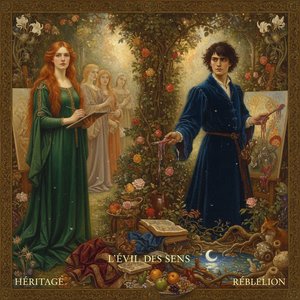
The Pre-Raphaelite Brotherhood: Reclaiming Beauty, Nature, and Truth in Victorian Art History
Explore the revolutionary Pre-Raphaelite Brotherhood. Discover how these visionary artists rejected academic tradition to reclaim beauty, nature, and truth through luminous detail and literary depth in Victorian art history.

Pre-Raphaelite Romanticism: A Guide to Vivid Detail and Medieval Beauty in Victorian Art
Explore the vivid detail and medieval beauty of Pre-Raphaelite Romanticism. Discover the history of masters like Rossetti and Millais through our expert guide to Victorian art, perfect for collectors and professionals seeking authentic, museum-quality reproductions.

Pre-Raphaelite Romanticism: The Revival of Medieval Beauty and Nature in Victorian Art
Explore the profound beauty of Pre-Raphaelite Romanticism. Discover how visionaries like Rossetti and Millais revived medievalism and nature through meticulous detail and vibrant color in Victorian art history.

Dante Gabriel Rossetti 25 parimat teost: kunstiline pärand ja kodukaunistuse inspiratsioon
Avastage Dante Gabriel Rossetti 25 parimat teost! Sukeldume viktoriaanliku romantika ja Pre-Raphaelite kunstiliikumise maailma. Leidke inspiratsiooni kodukaunistuseks ning ostke kvaliteetseid Rossetti reproduktsioone OriginalUniqueArt.com-is. Avastage kogu kollektsioon online!

Sir John Everett Millais: Pre-Raphaelite Rebellion & Victorian Narrative Detail
Explore the revolutionary art of Sir John Everett Millais & the Pre-Raphaelite Brotherhood. Discover their radical realism, symbolic narratives, and lasting impact on Victorian aesthetics. A deep dive into 19th-century masterpieces.


