
 Eelvaade
 Saada
Saada Jaga
Jaga
 Teave teose kohta
 Juhend

 Laadi alla
 Sarnased teosed
 Röntgenuuring
 Slaidietendus
 Q&A
Q&A Statistika
A Dead Stag


 Loe lähemalt
Giclée / Kunstiprint
Muuseumikvaliteediga giclée- või kangasprint kiire tootmisega ja paindlikud viimistlusvõimalused. ( Osta käsitsi maalatud teos Lülita digitaalse pildi juurde)




P118B €10

P118H €10

P118W €10

P438Z €10

P508JH €12

P508YH €12

P805H €10

P805Z €10

P919BZ €10

P919G €10

P919XJ €10

P959ZH €10

P968JZ €12

W106C €8

W218G €10

W218JH €8

W218Y €10

W307PJ €10

W316G €10

W316PJ €8

W316Y €10

W398PJ €8

W4111J €10

W500HY €15

W500JH €15

W692G €12

W849H €8

W940BG €15

W953PJ €8




Vali meie eelmääratud suurused, mis vastavad teose algupärastele proportsioonidele.

Sisestage vajalik laius ja kõrgus, et see sobiks teie raamile või seinale. Trükki saab ainult lõigata, seda ei saa kunagi pildist suuremaks teha, seega ka erineva mustega suurus kaotab osa pildist. Enne trükkimist saadame teile kinnitamiseks digitaalse näidisprojektsiooni. Sellel lehel näidatud pilt ei kujuta reaalset lõiget — seda näitab ainult näidisprojektsioon.
Ülemaailmne tarne () 2 nädala jooksul, tavalise 4/5 nädala asemel. (1 november)

Tasuta ekspresssaatmine üle maailma

Kõrgekvaliteediline lina-kangas

Täielik transpordikindlustus

Tollimaksude tagastamise garantii

Värvitoime täpsuse garantii

100 päeva tagastusõigus (ainult valmistusdefektide korral)

100% raha tagasi garantii

Hulgusoodustus
 Klaasivalik on saadaval ainult kuni 110 cm suuruses teostes

A Dead Stag
Giclée / Kunstiprint
Reproduktsiooni suurus
-


Koguhind
€ 71
A Poignant Meditation on Mortality and Nature
To gaze upon Sir Edwin Henry Landseer’s “A Dead Stag” is to encounter a moment suspended between life and memory. Created circa 1830, this evocative work stands as an enduring emblem of Victorian artistic sensibility—a profound meditation on mortality interwoven with a deep reverence for the natural world. The artwork does not merely depict the end of a life; it captures a quiet drama unfolding upon a rugged, rocky outcrop, inviting the viewer into a space of stillness and reflection. There is a heavy, palpable sense of weight in the stag’s repose, where vitality has finally yielded to gravity, presenting nature's cycle in its most somber and honest form.
The subject matter—a majestic red deer fallen upon the earth—evokes themes of transience and the inevitable passage of time. While the image carries an undeniable melancholy, it is balanced by a sense of nobility. The stag’s impressive antlers, reaching upward toward the top of the composition, suggest a lingering grandeur that even death cannot strip away. For the collector or the admirer of fine art, this piece offers more than just a study of anatomy; it provides a window into the Victorian soul, reflecting a period fascinated by natural history, the dignity of the wild, and the delicate balance between life and decay.
Mastery of Form and Texture
Landseer’s technical prowess is on full display through his meticulous use of graphite and fine-line techniques. As an animalier, Landseer possessed an unparalleled understanding of anatomy, a skill honed through rigorous study and even anatomical dissection. In this work, that scientific precision translates into breathtaking realism. Every strand of fur is rendered with such care that one can almost feel the coarse texture of the animal's coat against the cold, unyielding surface of the rocks. The artist employs sophisticated hatching and cross-hatching to build depth, creating a sense of three-dimensional volume that makes the stag appear truly present within its environment.
The composition is masterfully orchestrated to guide the eye through a landscape of subtle drama. By positioning the stag diagonally across the canvas, Landseer introduces a dynamic energy that prevents the scene from feeling static despite its subject matter. The monochromatic palette—a sophisticated arrangement of browns, beiges, and greys—focuses the viewer's attention on form and light rather than distracting color. The lighting is soft and diffused, casting gentle gradations across the musculature of the deer and the irregular surfaces of the stone, creating an atmosphere of quiet, atmospheric peace.
An Inspiring Addition to Refined Interiors
For interior designers and connoisseurs of classical art, “A Dead Stag” serves as a powerful focal point that brings a sense of history and gravitas to any space. Its muted, earthy tones allow it to integrate seamlessly into sophisticated decor, whether placed in a traditional library, a moody study, or a contemporary gallery-style living room. The artwork’s ability to evoke emotion—ranging from somber reflection to an appreciation for natural majesty—makes it a conversation piece of profound depth.
Choosing a high-quality reproduction of this masterpiece allows one to invite the spirit of the British Romantic movement into the home. It is an investment in a piece that transcends mere decoration, offering instead a window into the meticulous craftsmanship of the 19th century and a timeless reminder of the beauty found within the natural cycle of life.
Korduvad küsimused
Millised värvid domineerivad teoses „A Dead Stag“, autor Edwin Landseer?
Teoses „A Dead Stag“, autor Edwin Landseer on kasutatud Earthy värvipaletti, kus domineerib Gray (#8a7b60) värv.
Kas teoses "A Dead Stag" on nähtav tugev kerge-tume kontrast?
Teose "A Dead Stag" valgus-varjundite kontrast on Serene. Kontrast kirjeldab, kui teravalt erinevad heeled ja tumedad alad.
Kas ma saan teost „A Dead Stag“, autor Edwin Landseer enne tellimist eelvaatata?
Teose „A Dead Stag“, autor Edwin Landseer eelvaade on saadaval teose Eelvaade lehel.
Kunstniku elulugu
Varajane Elu ja Kunstiline Alustamine
Sir Edwin Henry Landseer, sündinud Londonis 7. märtsil 1802, ei olnud pelgalt loomade maaler; ta kujunes viktoriaanliku hinge visuaalseks kroonikaks, kajastades seda läbi nende piltide. Tema isa, John Landseer, andekas graafikakunstnik, õpetas noorele Edwinile varakult kunstiappretsatsiooni ja tehnikat, kuid poisi sisemine talent – erakordne annetus elavate olendite olemuse tabamiseks – määras ta teekonna. Väga noorest east alates demonstreeris ta tähelepanuväärseid oskusi, esinedes Royal Academys juba kolmeteistkümneaastaselt, mis oli enamiku pürgivate kunstnike jaoks kuuldmatu saavutus. See varajane edu ei olnud pelk õnn; see oli pühendunud õppimise tulemus, algul isa juures ja hiljem ajaloolase Benjamin Robert Haydoni käe all, kes ainulaadselt julgustas loomade lihaspingete anatoomilist lahkamist – tava, mis mõjutas sügavalt Landseeri realismi. Ta imes teadmisi nagu seen, omandades mitte ainult vormi, vaid ka peened väljendusnuansid, mis andsid hinguse tema lõuenditele. See pühendumine oma objektide struktuurile eristas teda, võimaldades võrreldamatut autentsust tema kujutistes.Kõrghetked ja Kuninglikud Tellimused
Landseeri kunstiline karjäär õitses erakordselt keskendudes loomadele – hobused, koerad ja hirved said tema signatuurobjektideks. Kuid teda ainult “loomamaaleriks” kategoriseerida oleks eksitus. Tema töö ületas pelgalt representatsiooni; see andis neile olenditele inimlikke omadusi, sageli täidetud sümboolse tähendusega, mis resonantsi viktoriaanliku sensibiilsusega. Pöördepunkt saabus tema reisil Šotimaale 1824. aastal, kus ta kohtus majesteetlike maastike ja loodusvaradega, mis kujundasid igaveseks tema kunstilist visiooni. See kogemus sünnitas ikoonilisi teoseid nagu “Monarch of the Glen”, valminud 1851. aastal, hingeküttev hirve kujutus, kehastades aadlikkust, jõudu ja mägismaa talumatut ilu. Tema võime tabada mitte ainult füüsilist sarnasust, vaid ka iseloomu ja emotsioone tõi talle kiiresti laialdase tunnustuse. See talent viis tellimusteni kuninganna Victoria enda käest, kinnistades tema positsiooni ajastu juhtiva kunstnikuna. Ta maalis portreede kuninglikust perekonnast koos nende armastatud lemmikloomadega, tugevdades veelgi oma staatust aristokraatlikes ringkondades. Võib-olla on tema püsivaim pärand lõvid, mis valvavad Nelson’s Columni Trafalgar väljakul – võimsad tunnistused tema skulptuurioskusele ja riiklikule tunnustusele; need avati 1867. aastal pärast aastaid pühendunud tööd. Need monumentaalsed skulptuurid ei olnud pelgalt dekoratiivsed; nad esindasid Briti tugevust ja keiserlikku võimu, tõstes Landseeri veelgi riikliku tähtsusega positsioonile.Tehnika Meister ja Emotsionaalne Resonants
Landseeri tehniline meisterlikkus oli vaieldamatu. Ta ei kopeerinud lihtsalt seda, mida ta nägi, vaid interpreteeris seda sügava arusaamise läbi. Tema maale iseloomustab täpne detail, dramaatiline valgustus ja värvi osav kasutamine meeleolu ja atmosfääri loomiseks. Ta segas oskuslikult realismi romantismiga, luues stseene, mis olid nii visuaalselt vapustavad kui ka emotsionaalselt kaasahaaravad. Off to the Rescue, maalitud 1827. aastal, illustreerib seda oskust; kujutatud Newfoundlandi koer ei ole lihtsalt päästekoer, vaid lojaalsuse, julguse ja ennastsalgava pühendumise sümbol – viktoriaanliku ühiskonna kõrgelt hinnatud omadused. Isegi tema satiirilisemad teosed, nagu “Laying Down the Law” (1840), millel on kujutatud koerte gruppi inimlikus õigustegevuses, näitavad teravat tähelepanuvõimet ja peent kommentaari ühiskondlikele normidele. Ta ei kartnud süstida huumorit oma kunsti, demonstreerides mitmekülgsust, mis ulatub suurematest maastikest ja väärikatest loomaportreedest. See võime edastada keerulisi narratiive loomasubjektide kaudu oli tema stiili tunnusjoon, meeldiv laiale publikule pakkudes samal ajal intellektuaalse kaasahaaravaid kihte.Varjud ja Pärand: Kompleksne Kunstiline Teekond
Vaatamata tohutu edule ei olnud Landseeri elu probleemidevaba. Hilisemates aastates ta võitles korduva depressiooni ja haigusega, mida süvendas alkoholism ja narkootikumide tarvitamine. 1840. aastal toimunud närvikriis tähistas pöördepunkti, heites varju tema viimastele kümnenditele. Nende isiklike deemonite vaatamata jätkas ta tähelepanuväärsete tööde loomist, kuid melanhoolia tunne tungis sageli tema maalidesse. Tema halvenev psüühiline seisund viis lõpuks 1872. aastal tema hulluks kuulutamiseni – traagiline lõpp nii särava mõistuse jaoks. Ometi jääb tema pärand kindlalt Briti kunstiajaloo annalidesse. “Landseer” tüüpi Newfoundlandi koer – iseloomustatud oma eripärase musta ja valge märgistusega – on elav austusmärk tema mõjule. Tema maalid võluvad jätkuvalt publikut oma ilu, emotsionaalse sügavuse ja meisterliku tehnikaga. Ta ei olnud ainult kunstnik, kes maalis loomi; ta oli loodusmaailma tõlgendaja, jutustaja, kes kasutas pintselkäike peidetud emotsioonide ja sümbolilise tähenduse paljastamiseks, jättes endast maha tööde kogu, mis jätkab inspireerimist ja resonantsi tänapäeval.Lisauuringud
- Muuseumid: Tate Britain, London; Victoria and Albert Museum, London; Kenwood House, London; The Wallace Collection, London.
- Online-ressursid: OriginalUniqueArt.com; Wikipedia (Sir Edwin Landseer).

Edwin Landseer
1802 - 1873 , Britannia
Lühikest infot
- Artistic Movement Or Style: Victoria realism
- Artists Or Movements Influenced By This Artist:
- Newfoundland tõug
- Victoria kunst
- Artists Who Influenced This Artist:
- John Landseer
- B.R. Haydon
- Date Of Birth: 7. märts 1802
- Date Of Death: 1. oktoober 1873
- Full Name: Sir Edwin Henry Landseer
- Nationality: Briti
- Notable Artworks:
- Monarch of the Glen
- Saved
- Laying Down the Law
- Place Of Birth (City And Country): London, Ühendkuningriik
Sarnased artiklid

The Alchemy of Carbon: Mastering Depth, Texture, and Precision in the Art of Graphite Drawing
Discover the sophisticated mastery of graphite drawing. Explore expert techniques for achieving profound depth, intricate texture, and hyper-realistic detail through the alchemy of carbon, curated for the discerning art enthusiast and professional collector.
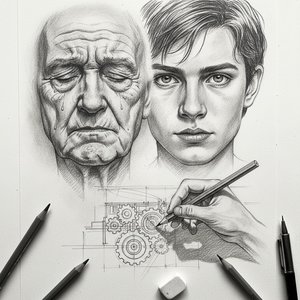
The Nuances of Graphite: Exploring Emotional Depth & Technical Mastery in Pencil Drawing
Explore the captivating world of graphite drawing! Discover its rich history, master essential techniques like chiaroscuro, and learn how artists evoke emotion through this timeless medium. Expert insights for art enthusiasts.

Mastering Graphite Pencil: The Art of Precision, Shadow, and the Alchemy of Carbon
Explore the profound mastery of graphite pencil art. From the historical alchemy of carbon to advanced chiaroscuro techniques, learn to navigate grades and shadows like a master. Discover the precision and depth that define the world's most iconic drawings.
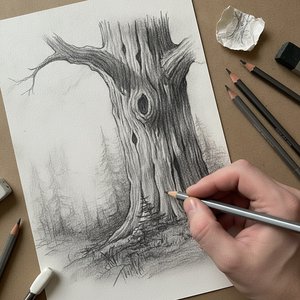
The Power of Graphite: Mastering Depth, Texture, and Detail in the Art of Pencil Drawing
Explore the profound artistry of graphite drawing. Discover professional techniques for mastering depth, texture, and detail through a lens of art history, from classical sketches to modern masterpieces. Elevate your understanding of the pencil medium with our expert guide.
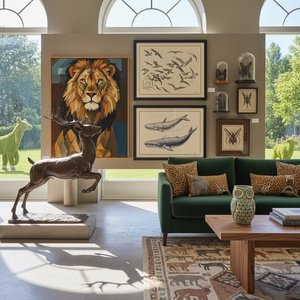
Loomade sümboolika kunstis ja interjöörides: Ajalooline mõju ruumikujundusele
Avastage loomade rikkalik sümboolika kunstis ja interjöörides! Ajaloolised tähendused, erinevad ajastud ning mõju ruumikujundusele. Eksperdi nõuanded OriginalUniqueArt-lt.
