

 Vaata sisu
 Jaga teost
 Jaga
Jaga
 Detailid
 Õppekate juhend

 Laadi alla
 Sarnased teosed
 Röntgenuuring
 Slaidietendus
 Statistika
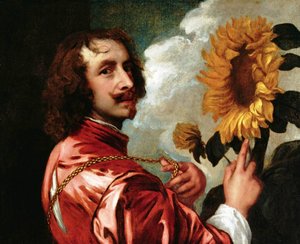
Self Portrait
 Oil On Canvas
- WallArt
- Baroque
 1621
1621- Early Modern
 82.0 x 70.0 cm
 Alte Pinakothek
 Loe lähemalt
Ostke kõrglahutusel ja täiustatud digitaalne pilt, mis on oluliselt parem kui veebilehel näidatud eelvaade.
Iga fail on meie spetsialistide poolt hoolikalt ette valmistatud, kasutades kaasaegseid tööriistu ja professionaalset käsitsi retušeerimist. Tagame, et igal pildil on erakordne selgus, täpne värvitäpsus ja peen detail.
Lõplik fail saadetakse e-posti teel 72 tunni jooksul ning on optimeeritud koheseks kasutamiseks professionaalsetes, toimetuslikes ja trüki keskkondades. See on sama kvaliteet, mida usaldavad tipptasemel disainistuudiod, kirjastused ja galeriid.
Digitaalne pilt
Laadi alla kõrge resolutsiooniga fail isiklikuks vaatamiseks, trükkimiseks ja loomingulisteks projektideks. ( Lülita trükkitoodetele Telli käsitsi maalitud reproduktsioon)
Sisse kuulub iga digitaalse pildi tellimusega
Professionaalne digitaalne kohaletoimetamine, garanteeritud
Valides OriginalUniqueArt.com, ei saa sa lihtsalt pilti – saad professionaalselt parandatud digitaalse teose, mida on valmistatud täpsusega ja mis on toetatud rahuldamatusgarantiiga. Siin on kõik, mis sinu tellimusega automaatselt kaasneb:

Kiire e-posti edastus
Teie kõrge resolutsiooniga digitaalne pildifail saadetakse teile e-posti 72 tunni jooksul pärast tellimist – kohe kasutamiseks valmis.

Tehisintellektiga täiustatud digitaalne fail
Teie teos on professionaalselt optimeeritud arenenud tehisintellekti tööriistade ja käsitsi redigeerimise abil, tagades maksimaalse detailitaseme, selguse ja värvitäpsuse.

Tasuta eluaegne uuesti saatmine
Kas kustutasid faili kogukalu unustamisel või kustutamisel? Puudub mure – saad selle uuesti igal ajal ilma lisatasuta.

Puuduvad importimaksud – alati
Nautige oma teoseid koheselt ilma tolli-, maksude või tarnimaskuludeta – digiletchargused on alati maksuvabadud.

Värvitäpsuse garantii
Me tagame, et teie digitaalne pilt kajastaks originaali värve professionaalsete tööriistade ja värvihalduse abil võimalikult täpselt.

100 päeva rahuldamatuse garantii
Kui te ei ole oma digitaalse pildi eest rahul, siis me parandame seda või tagastame 100% summast 100 päeva jooksul – küsimusteta.

100% raha tagastamise garantii
Ei ole rahul? Saate täielise tagastaja 100 päeva jooksul pärast digitaalse faili kättesaamist – ilma küsimusteta.

Suurema tellimuse soodustused
Osta 3 pilti, säästa 10% - Osta 5, säästa 15% - Osta 10+, säästa 20%. Sobib suurepäraselt loomingulisteks projektideks, galeriideks ja agentuurideks.
A Window Into Renaissance Dignity: Exploring Van Dyck’s Self Portrait
- Subject Matter & Composition: This striking self-portrait by Sir Anthony van Dyck transcends mere likeness; it embodies a profound meditation on identity and artistic ambition. The artist presents himself in a formal pose, seated against a dark backdrop that emphasizes the luminosity of his robe and face—a deliberate choice designed to command attention and convey an aura of confidence.
- Style & Technique: Van Dyck’s oeuvre is firmly rooted in the Baroque style, characterized by dramatic chiaroscuro – masterful manipulation of light and shadow – which lends depth and dynamism to the image. He employs oil paint on canvas with meticulous brushwork, achieving an astonishing level of detail that captures not only physical features but also subtle expressions of emotion. The artist’s technique demonstrates a profound understanding of anatomy and drapery, resulting in a portrait that is both aesthetically pleasing and intellectually stimulating.
- Historical Context: Painted in 1621 during Van Dyck's formative years in Italy—a period marked by artistic experimentation and patronage—the self-portrait reflects the prevailing humanist ideals of the Renaissance. It speaks to a burgeoning interest in portraying individuals as complex beings, imbued with inner life and psychological nuance – a significant departure from earlier portrait conventions.
- Symbolism & Color Palette: The dark sky serves as more than just an atmospheric element; it symbolizes introspection and contemplation—mirroring the artist’s gaze directly at the viewer. The robe's gold trim signifies prestige and status, reflecting Van Dyck’s position within European aristocratic circles. Furthermore, the warm browns of his hair and beard convey a sense of maturity and wisdom, reinforcing the portrait’s overarching message of dignified self-representation.
- Emotional Impact: Viewing this reproduction evokes a feeling of quiet contemplation—a connection to an artist grappling with questions of identity and artistic purpose. The masterful execution captures not only Van Dyck's physical appearance but also his inner spirit, inviting the viewer to consider the enduring power of portraiture as a medium for conveying human emotion and intellect.
Küsimused ja vastused
Kui vana oli Sir Anthony Van Dyck, kui ta loos 1621 aastal teose "Self Portrait"?
Sir Anthony Van Dyck loosutas teose "Self Portrait" 22 aasta vanuses. Kunstnik on sündinud aastal 1599 ning teos on dateeritud 1621.
Millest teos "Self Portrait" on valmistatud ja millises stiilis on see?
Teoses "Self Portrait" kohtuvad Oil On Canvas tehnika ja Baroque suundumus.
Millist paletti ja millist tunnet "Self Portrait" ühendab?
Teose „Self Portrait“, autor Sir Anthony Van Dyck Earthy värvigamma ühtib selle Reflective emotsionaalse tooniga. Värv on üks viiseid, kuidas teos tunde edastab.
Milline värv silmapaistvalt "Self Portrait" esile tuleb?
Driftwood (#b89369) on teose „Self Portrait“, autor Sir Anthony Van Dyck domineeriv värv.
Millist väripaletti teoses „Self Portrait“, autor Sir Anthony Van Dyck on kasutatud?
Teoses „Self Portrait“, autor Sir Anthony Van Dyck on kasutatud Earthy väripaletti. See palett kokkuvõtab teose üldist värilist olemust.
Mis on teose „Self Portrait“, autor Sir Anthony Van Dyck loomisaeg?
Teos "Self Portrait" on pärit aastast 1621. See ajastu aitab mõistust seda teost Sir Anthony Van Dyck karjääri ja selle ajastu kontekstis.
Kes lõi "Self Portrait"?
Teose "Self Portrait" autoriks on mõeldud Sir Anthony Van Dyck.
Kunstniku biograafia
A Flemish Master at the Courts of Europe
Sir Anthony van Dyck, born in Antwerp in 1599, emerged as one of the most celebrated and influential portraitists of the Baroque era. His life, though tragically cut short at just forty-two years old, was a whirlwind of artistic exploration and prestigious commissions that took him from his native Flanders to Italy and ultimately to the heart of the English court. From an early age, van Dyck displayed remarkable talent, entering Hendrick van Balen’s workshop as a young apprentice and quickly absorbing the prevailing styles of the time. However, it was his association with Peter Paul Rubens – not merely as a student but as a collaborator – that truly shaped his artistic foundation. He learned from Rubens' dynamic compositions, rich color palettes, and masterful handling of light and shadow, yet van Dyck soon began to forge his own distinct path, one characterized by an elegance and refinement that would become his signature.Italian Sojourns and the Birth of a Style
The years van Dyck spent in Italy, beginning around 1621, proved pivotal in his artistic development. He resided primarily in Genoa, where he found favor among the city’s aristocratic families. It was here that he began to cultivate the sophisticated style for which he would become renowned – a style marked by graceful poses, luxurious fabrics, and an almost palpable sense of nobility. Unlike the robust energy often found in Rubens' work, van Dyck’s Italian portraits exude a refined composure, capturing not just physical likeness but also the inner character and social standing of his sitters. During this period, he honed his skills in etching, producing a series of iconic prints featuring prominent figures – artists, scholars, and rulers alike. This project showcased his exceptional technical prowess and established him as a leading printmaker. These etchings weren’t simply reproductions; they were carefully constructed images designed to convey status and intellect, reflecting the humanist ideals prevalent during the Renaissance. He experimented with chiaroscuro—the dramatic interplay of light and shadow—creating depth and emotion within his compositions.The King's Painter: Van Dyck in England
In 1632, van Dyck received an invitation that would forever alter his career trajectory – a summons from Charles I of England to become the court painter. This appointment marked a turning point, not only for van Dyck but also for English portraiture. He arrived in London with considerable reputation and quickly became indispensable to the king, tasked with creating images that projected an aura of power, majesty, and divine right. Van Dyck’s portraits of Charles I are particularly noteworthy; he moved away from the stiff, formal representations favored by earlier artists, instead portraying the king as a dynamic, charismatic leader. He employed innovative techniques – dramatic lighting, sweeping gestures, and carefully chosen backgrounds – to create images that were both visually stunning and politically charged. His influence extended beyond the royal family, shaping the visual culture of the English aristocracy for generations to come. He didn’t just paint portraits; he crafted an image of kingship, influencing how royalty was perceived for over a century.Legacy and Enduring Influence
Van Dyck's untimely death in 1641 robbed the art world of a prodigious talent, but his legacy endures to this day. His impact on English portraiture is immeasurable; he established a standard of elegance and sophistication that subsequent artists would strive to emulate. He mastered both oil painting and etching, constantly experimenting with new techniques. His portraits are characterized by their graceful poses, luxurious fabrics, and subtle psychological insights—capturing not just physical likeness but also the inner character and social standing of his subjects. Beyond his technical prowess, van Dyck possessed an exceptional ability to convey emotion and drama within his compositions.- Technical Innovation: He pioneered new etching techniques, achieving unparalleled detail and tonal range.
- Stylistic Refinement: His portraits embody a timeless elegance—characterized by graceful poses and subtle psychological depth.
- Courtly Influence: He transformed the image of the English monarchy, creating visual language of power and prestige.
Sir Anthony Van Dyck
1599 - 1641 , Belgia
Kiired faktid
- Artistic Movement Or Style: Baroque
- Artists Who Influenced This Artist: ['Peter Paul Rubens']
- Date Of Birth: March 22, 1599
- Date Of Death: December 9, 1641
- Full Name: Sir Anthony van Dyck
- Nationality: Flemish
- Notable Artworks:
- Portrait of a woman and child
- Equestrian portrait of Charles I
- Lord John Stuart & brother
- Place Of Birth: Antwerp, Belgium