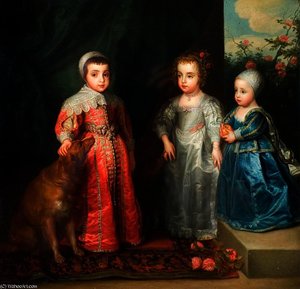
Eelvaade
 Saada
Saada Jaga
Jaga
 Teave teose kohta

 Laadi alla
 Sarnased teosed
 Röntgenuuring
 Slaidietendus
 Statistika
Lady Dacre


 Loe lähemalt
Giclée / Kunstiprint
Muuseumikvaliteediga giclée- või kangasprint kiire tootmisega ja paindlikud viimistlusvõimalused. ( Osta käsitsi maalitud maal Ülemineks digitaalse pildiga müügi kanalisse)




P118B $10

P118H $10

P118W $10

P438Z $10

P508JH $12

P508YH $12

P805H $10

P805Z $10

P919BZ $10

P919G $10

P919XJ $10

P959ZH $10

P968JZ $12

W106C $8

W218G $10

W218JH $8

W218Y $10

W307PJ $10

W316G $10

W316PJ $8

W316Y $10

W398PJ $8

W4111J $10

W500HY $15

W500JH $15

W692G $12

W849H $8

W940BG $15

W953PJ $8




Vali meie eelmääratud suurused, mis vastavad teose algupärastele proportsioonidele.

Saate sisestada oma mõõdud, et need sobiks konkreetse raami või ruumi sisse. Kui valitud suurus ei vasta originaalteose proportsioonidele, lõigame teose ära või laiendame pilti peegeldatud või ühtlase servaga. Enne tootmisprotsessi algust saadetakse Teie kinnitamiseks digitaalne näidis.
Palun märka, et ekraanil kuvatav eelvaade ei kajasta tegelikku lõigamist või laiendamist. Ainult näidis kujutab täpselt lõplikku kompositsiooni.
Kuigi erimõõdu on saadaval, soovitame originaaproportsioonide säilitamiseks valida mõõt ette määratud nimekirjast.
Ülemaailmne tarne () 2 nädala jooksul, tavalise 4/5 nädala asemel. (13 september)

Tasuta ekspresssaatmine üle maailma

Kõrgekvaliteediline linakangas

Täielik transpordikindlustus

Tollimaksude tagastamise garantii

Värvitoime täpsuse garantii

100 päeva tagastusõigus (ainult tootmisdefektide korral)

100% raha tagasi garantii

Hulgusoodustus
 Klaasivalik on saadaval ainult suuruses kuni 110 cm

Lady Dacre
Giclée / Kunstiprint
Reproduktsiooni suurus
-


Kogusumma
$ 80
A Portrait of Grace and Shadow: Unveiling Lady Dacre
Sir Anthony van Dyck’s “Lady Dacre” is not merely a portrait; it's a carefully constructed tableau of Renaissance elegance, imbued with subtle symbolism and the quiet dignity of a woman navigating a world shaped by both beauty and loss. Painted in 1633, this exquisite work captures Dorothy, Lady Dacre – a figure shrouded in historical intrigue and possessing a captivating presence that transcends the confines of her painted likeness. The painting immediately draws the eye to its subject’s somber attire: a rich black gown, meticulously draped, and a matching cap shaped like a widow's peak—a poignant visual echo of her recent bereavement. Yet, it is not simply mourning that dominates; there’s an underlying strength, a poised grace that speaks volumes about her character.
Van Dyck’s mastery lies in his ability to render texture and light with breathtaking precision. The velvet of the gown seems to shimmer beneath the subtle highlights, while the folds cascade with a realistic fluidity. Notice how he captures the delicate sheen of the pearl necklace, a symbol of wealth and status, yet also hinting at vulnerability. The muted palette—primarily deep blues, browns, and blacks—creates an atmosphere of contemplative stillness, drawing the viewer into the scene’s intimate space. The artist's use of chiaroscuro – the dramatic contrast between light and shadow – is particularly effective, sculpting the subject’s face and emphasizing her features with a masterful hand.
A Lady of Turbulent Times
To fully appreciate “Lady Dacre,” it’s essential to understand the historical context in which she lived. Dorothy Fiennes was the daughter of George Neville, 5th Baron Bergavenny, and a woman deeply entwined with the tumultuous events surrounding King Charles I's reign. Her marriage to Thomas Fiennes, 9th Baron Dacre, a man who tragically met his end through a politically motivated murder in 1541, cast her into a life of widowhood and constant struggle for her family’s inheritance. The painting was created during this period of uncertainty and legal battles, reflecting the emotional weight she carried.
The inclusion of two birds within the composition adds layers of symbolic meaning. One bird is positioned on the left side of the canvas, while another appears towards the top right corner. These avian figures are often interpreted as symbols of hope and resurrection—a subtle nod to Dorothy’s enduring spirit amidst adversity. The rose held delicately in her hand further reinforces this theme, representing both the fading beauty of a widow's life and the promise of future love and renewal.
Van Dyck’s Legacy: A Master of Courtly Portraiture
Sir Anthony van Dyck stands as one of the most influential portrait painters in European history. His work, particularly his portraits of the English aristocracy during Charles I's reign, revolutionized the genre by introducing a new level of intimacy and psychological depth. He moved away from the stiff formality of earlier court portraits, capturing subjects with a sense of relaxed elegance and genuine emotion. “Lady Dacre” exemplifies this shift—it’s not simply a likeness; it’s a carefully crafted portrayal of a woman's inner life.
Van Dyck’s influence on subsequent generations of artists is undeniable, and his techniques – particularly his mastery of light, color, and composition – continue to inspire painters today. Reproductions of “Lady Dacre” offer a remarkable opportunity to experience the beauty and sophistication of this iconic work firsthand, allowing us to connect with a woman whose story continues to resonate across centuries.
Kunstniku elulugu
A Flemish Master at the Courts of Europe
Sir Anthony van Dyck, born in Antwerp in 1599, emerged as one of the most celebrated and influential portraitists of the Baroque era. His life, though tragically cut short at just forty-two years old, was a whirlwind of artistic exploration and prestigious commissions that took him from his native Flanders to Italy and ultimately to the heart of the English court. From an early age, van Dyck displayed remarkable talent, entering Hendrick van Balen’s workshop as a young apprentice and quickly absorbing the prevailing styles of the time. However, it was his association with Peter Paul Rubens – not merely as a student but as a collaborator – that truly shaped his artistic foundation. He learned from Rubens' dynamic compositions, rich color palettes, and masterful handling of light and shadow, yet van Dyck soon began to forge his own distinct path, one characterized by an elegance and refinement that would become his signature.Italian Sojourns and the Birth of a Style
The years van Dyck spent in Italy, beginning around 1621, proved pivotal in his artistic development. He resided primarily in Genoa, where he found favor among the city’s aristocratic families. It was here that he began to cultivate the sophisticated style for which he would become renowned – a style marked by graceful poses, luxurious fabrics, and an almost palpable sense of nobility. Unlike the robust energy often found in Rubens' work, van Dyck’s Italian portraits exude a refined composure, capturing not just physical likeness but also the inner character and social standing of his sitters. During this period, he honed his skills in etching, producing a series of iconic prints featuring prominent figures – artists, scholars, and rulers alike. This project showcased his exceptional technical prowess and established him as a leading printmaker. These etchings weren’t simply reproductions; they were carefully constructed images designed to convey status and intellect, reflecting the humanist ideals prevalent during the Renaissance. He experimented with chiaroscuro—the dramatic interplay of light and shadow—creating depth and emotion within his compositions.The King's Painter: Van Dyck in England
In 1632, van Dyck received an invitation that would forever alter his career trajectory – a summons from Charles I of England to become the court painter. This appointment marked a turning point, not only for van Dyck but also for English portraiture. He arrived in London with considerable reputation and quickly became indispensable to the king, tasked with creating images that projected an aura of power, majesty, and divine right. Van Dyck’s portraits of Charles I are particularly noteworthy; he moved away from the stiff, formal representations favored by earlier artists, instead portraying the king as a dynamic, charismatic leader. He employed innovative techniques – dramatic lighting, sweeping gestures, and carefully chosen backgrounds – to create images that were both visually stunning and politically charged. His influence extended beyond the royal family, shaping the visual culture of the English aristocracy for generations to come. He didn’t just paint portraits; he crafted an image of kingship, influencing how royalty was perceived for over a century.Legacy and Enduring Influence
Van Dyck's untimely death in 1641 robbed the art world of a prodigious talent, but his legacy endures to this day. His impact on English portraiture is immeasurable; he established a standard of elegance and sophistication that subsequent artists would strive to emulate. He mastered both oil painting and etching, constantly experimenting with new techniques. His portraits are characterized by their graceful poses, luxurious fabrics, and subtle psychological insights—capturing not just physical likeness but also the inner character and social standing of his subjects. Beyond his technical prowess, van Dyck possessed an exceptional ability to convey emotion and drama within his compositions.- Technical Innovation: He pioneered new etching techniques, achieving unparalleled detail and tonal range.
- Stylistic Refinement: His portraits embody a timeless elegance—characterized by graceful poses and subtle psychological depth.
- Courtly Influence: He transformed the image of the English monarchy, creating visual language of power and prestige.
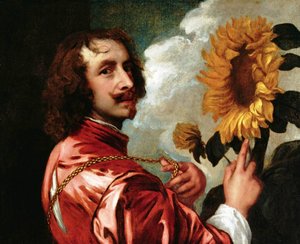
Sir Anthony Van Dyck
1599 - 1641 , Belgia
Lühikesed faktid
- Artistic Movement Or Style: Baroque
- Artists Who Influenced This Artist: ['Peter Paul Rubens']
- Date Of Birth: March 22, 1599
- Date Of Death: December 9, 1641
- Full Name: Sir Anthony van Dyck
- Nationality: Flemish
- Notable Artworks:
- Portrait of a woman and child
- Equestrian portrait of Charles I
- Lord John Stuart & brother
- Place Of Birth: Antwerp, Belgium
Seotud artiklid
Decoding Baroque Grandeur: A Guide to the Drama and Emotion of 17th-Century Art
Explore the breathtaking drama of 17th-century Baroque art. Our expert guide decodes the use of chiaroscuro, emotional intensity, and historical grandeur to help you appreciate and curate timeless masterpieces for your collection.
The Grandeur of Baroque Portraiture: Power, Emotion & Artistic Innovation
Explore the grandeur of Baroque portraiture! Discover Rubens, Van Dyck & the masters of 17th-century art. Uncover symbolism, techniques & lasting influence. Expert insights for collectors and enthusiasts.
Sir Anthony van Dyck: Courtly Portraiture & the Shaping of Baroque Identity
Explore the life & legacy of Sir Anthony van Dyck, the leading court painter of his era. Discover his innovative portraiture, Baroque masterpieces, and investment potential for discerning collectors. Learn more at OriginalUniqueArt.
Masterpieces of the 17th Century: Art, History & Decor Inspiration | OriginalUniqueArt
Journey through 17th century art with masterpieces by Rembrandt, Vermeer & Caravaggio. Explore Baroque paintings, Dutch Golden Age techniques & timeless beauty. Find museum-quality reproductions and elevate your home decor on OriginalUniqueArt.com.

Rembrandti 25 meistriteost: Valgus ja varjud Hollandi kuldajast kunstikollektsioonis
Avastage Rembrandti 25 meistriteost! Hollandi kuldajastu barokkmaalid, portreed ja ajaloolised stseenid. Leidke inspiratsiooni interjööri kujunduseks või soetage luksuslik Rembrandt reproduktsioon OriginalUniqueArt.com-ist. Avastage kogu kollektsioon veebis!