Vaata sisu
 Jaga teost
 Jaga
Jaga
 Detailid
 Õppekate juhend

 Laadi alla
 Sarnased teosed
 Röntgenuuring
 Slaidietendus
 Statistika
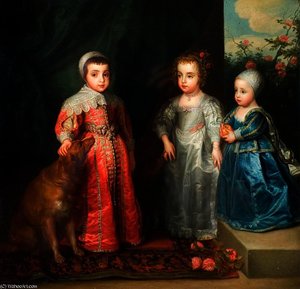
Charles I (1600–1649)
 Oil On Canvas
- WallArt
- Baroque
 1639
1639 154.0 x 123.0 cm
 National Trust
 Loe lähemalt
Käsitsi valmistatud õlimaalireproduktsioon
Meie kunstnike poolt tellimusel valmistatud käsitsi maalitud õli-kainaste teos teie soovitud suuruses ja raamis. ( Lülita trükkitoodetele Ülemineku digitaalse pildi müügi kanalisse)




P118B $10

P118H $10

P118W $10

P438Z $10

P508JH $12

P508YH $12

P805H $10

P805Z $10

P919BZ $10

P919G $10

P919XJ $10

P959ZH $10

P968JZ $12

W106C $8

W218G $10

W218JH $8

W218Y $10

W307PJ $10

W316G $10

W316PJ $8

W316Y $10

W398PJ $8

W4111J $10

W500HY $15

W500JH $15

W692G $12

W849H $8

W940BG $15

W953PJ $8




Vali meie eelmääratud suurused, mis vastavad teose algupärastele proportsioonidele.

Sa võite sisestada oma mõõtmed konkreetse raami või ruumi sobivuse tagamiseks. Kui teie valitud suurus ei vasta originaalpildi proportsioonidele, siis kärvime kunstiteost või laiendame maali täiendavate käsitsi maalitud elementidega. Enne tootmise algust saadetakse teile heakskiitmiseks digitaalne eelvaade.
Palun pidage meeles, et ekraanil kuvatav eelvaade ei kajasta tegelikku kärpimist või laiendamist. Ainult eelvaade näitab täpselt lõplikku kompositsiooni.
Kuigi on saadaval kohandatud suurused, soovitame originaalproportsioonide säilimiseks valida mõõdud eelmääratletud nimekirjast.
Pärast tellimust saadab OriginalUniqueArt.com meeskond kliendile e-posti juhised ning esitab eelvaate kavandi
Maailmline tarne 3–4 nädala jooksul tavalise 5 nädala asemel. (26 september). Kvaliteedis kompromisse ei tehta.

Tasuta ekspresssaatmine üle maailma

Kõrgekvaliteediline lina-kangastest muld

Täielik transpordikindlustus

Tollimaksude tagastamise garantii

Värvitoime täpsuse garantii

100 päeva tagastusõigus (ainult defektide korral)

100% raha tagasi garantii

Hulgusoodustus
 Klaasivalik on saadaval ainult kuni 110 cm suuruses teostes

Charles I (1600–1649)
Reproduktsiooni materjal
Reproduktsiooni mõõtmed
-


Lõppsumma
$ 300
A Window into Elizabethan Majesty
Sir Anthony van Dyck’s “Charles I” stands as a testament to the artistic prowess of the Baroque period and a captivating glimpse into the opulent reign of England's Tudor monarch. Painted in 1639, this portrait transcends mere likeness; it embodies the ideals of power, intellect, and humanist virtue that defined Elizabethan culture.
- Subject Matter: The painting depicts Charles I, King of England and Scotland, portrayed with meticulous detail – a man embodying the authority and prestige of his era.
- Style: Van Dyck’s style is characterized by its elegance and refinement, firmly rooted in Mannerism yet infused with a humanist sensibility that distinguishes it from earlier artistic conventions. He skillfully employs subtle poses and gestures to convey confidence and composure.
The artist's technique—primarily oil on canvas—demonstrates an unparalleled mastery of chiaroscuro, the dramatic interplay between light and shadow. Van Dyck meticulously layered pigments to achieve a velvety surface texture and luminous highlights that illuminate Charles I’s face and attire, emphasizing his regal bearing.
Historical Context: The Turbulent Reign
Charles I ascended to the throne in 1625 amidst growing tensions between the monarchy and Parliament. His reign was marked by religious disputes—particularly the conflict between Anglicans and Puritans—and escalating financial difficulties. Despite these challenges, Charles I cultivated an image of himself as a learned prince, devoted to scholarship and humanist ideals – values powerfully reflected in this portrait.
The painting captures a moment of contemplative repose, suggesting that Charles I was not merely a ruler but also a man of intellect and virtue. The inclusion of a book symbolizes his commitment to education and philosophical inquiry, aligning with the broader intellectual currents of the Renaissance and Baroque eras.
Symbolism: Regal Attributes and Inner Reflection
Beyond its formal beauty, “Charles I” is laden with symbolic significance. The black suit worn by Charles I represents solemnity and dignity—attributes associated with kingship. However, it’s his gaze – directed inward – that reveals the artist's intention to portray not just outward appearance but also inner character.
The subtle smile on Charles I’s face conveys a sense of serenity and self-assurance, hinting at resilience in the face of adversity. This carefully crafted expression underscores Van Dyck’s belief that true majesty resides not only in power but also in moral virtue – a message conveyed with remarkable subtlety through visual artistry.
Emotional Impact: An Image Enduring Through Time
"Charles I" continues to resonate with viewers today, offering an evocative glimpse into the psychological landscape of Elizabethan England. Its luminous colors and masterful composition evoke a feeling of grandeur and contemplation, inviting us to consider the complexities of leadership and the enduring power of art to capture the essence of human experience.
Kunstniku elulugu
A Flemish Master at the Courts of Europe
Sir Anthony van Dyck, born in Antwerp in 1599, emerged as one of the most celebrated and influential portraitists of the Baroque era. His life, though tragically cut short at just forty-two years old, was a whirlwind of artistic exploration and prestigious commissions that took him from his native Flanders to Italy and ultimately to the heart of the English court. From an early age, van Dyck displayed remarkable talent, entering Hendrick van Balen’s workshop as a young apprentice and quickly absorbing the prevailing styles of the time. However, it was his association with Peter Paul Rubens – not merely as a student but as a collaborator – that truly shaped his artistic foundation. He learned from Rubens' dynamic compositions, rich color palettes, and masterful handling of light and shadow, yet van Dyck soon began to forge his own distinct path, one characterized by an elegance and refinement that would become his signature.Italian Sojourns and the Birth of a Style
The years van Dyck spent in Italy, beginning around 1621, proved pivotal in his artistic development. He resided primarily in Genoa, where he found favor among the city’s aristocratic families. It was here that he began to cultivate the sophisticated style for which he would become renowned – a style marked by graceful poses, luxurious fabrics, and an almost palpable sense of nobility. Unlike the robust energy often found in Rubens' work, van Dyck’s Italian portraits exude a refined composure, capturing not just physical likeness but also the inner character and social standing of his sitters. During this period, he honed his skills in etching, producing a series of iconic prints featuring prominent figures – artists, scholars, and rulers alike. This project showcased his exceptional technical prowess and established him as a leading printmaker. These etchings weren’t simply reproductions; they were carefully constructed images designed to convey status and intellect, reflecting the humanist ideals prevalent during the Renaissance. He experimented with chiaroscuro—the dramatic interplay of light and shadow—creating depth and emotion within his compositions.The King's Painter: Van Dyck in England
In 1632, van Dyck received an invitation that would forever alter his career trajectory – a summons from Charles I of England to become the court painter. This appointment marked a turning point, not only for van Dyck but also for English portraiture. He arrived in London with considerable reputation and quickly became indispensable to the king, tasked with creating images that projected an aura of power, majesty, and divine right. Van Dyck’s portraits of Charles I are particularly noteworthy; he moved away from the stiff, formal representations favored by earlier artists, instead portraying the king as a dynamic, charismatic leader. He employed innovative techniques – dramatic lighting, sweeping gestures, and carefully chosen backgrounds – to create images that were both visually stunning and politically charged. His influence extended beyond the royal family, shaping the visual culture of the English aristocracy for generations to come. He didn’t just paint portraits; he crafted an image of kingship, influencing how royalty was perceived for over a century.Legacy and Enduring Influence
Van Dyck's untimely death in 1641 robbed the art world of a prodigious talent, but his legacy endures to this day. His impact on English portraiture is immeasurable; he established a standard of elegance and sophistication that subsequent artists would strive to emulate. He mastered both oil painting and etching, constantly experimenting with new techniques. His portraits are characterized by their graceful poses, luxurious fabrics, and subtle psychological insights—capturing not just physical likeness but also the inner character and social standing of his subjects. Beyond his technical prowess, van Dyck possessed an exceptional ability to convey emotion and drama within his compositions.- Technical Innovation: He pioneered new etching techniques, achieving unparalleled detail and tonal range.
- Stylistic Refinement: His portraits embody a timeless elegance—characterized by graceful poses and subtle psychological depth.
- Courtly Influence: He transformed the image of the English monarchy, creating visual language of power and prestige.

Sir Anthony Van Dyck
1599 - 1641 , Belgia
Lühikest infot
- Artistic Movement Or Style: Baroque
- Artists Who Influenced This Artist: ['Peter Paul Rubens']
- Date Of Birth: March 22, 1599
- Date Of Death: December 9, 1641
- Full Name: Sir Anthony van Dyck
- Nationality: Flemish
- Notable Artworks:
- Portrait of a woman and child
- Equestrian portrait of Charles I
- Lord John Stuart & brother
- Place Of Birth: Antwerp, Belgium
Sarnased artiklid

Sir Anthony van Dyck: Courtly Portraiture & the Shaping of Baroque Identity
Explore the life & legacy of Sir Anthony van Dyck, the leading court painter of his era. Discover his innovative portraiture, Baroque masterpieces, and investment potential for discerning collectors. Learn more at OriginalUniqueArt.

Rembrandti 25 meistriteost: Valgus ja varjud Hollandi kuldajast kunstikollektsioonis
Avastage Rembrandti 25 meistriteost! Hollandi kuldajastu barokkmaalid, portreed ja ajaloolised stseenid. Leidke inspiratsiooni interjööri kujunduseks või soetage luksuslik Rembrandt reproduktsioon OriginalUniqueArt.com-ist. Avastage kogu kollektsioon veebis!

Oil on Canvas: A Historical & Technical Exploration of a Timeless Artistic Medium
Explore the rich history & enduring techniques of oil painting on canvas. Discover the science behind its longevity, conservation practices, and contemporary relevance. Expert insights for art enthusiasts.
The Grandeur of Baroque Portraiture: Power, Emotion & Artistic Innovation
Explore the grandeur of Baroque portraiture! Discover Rubens, Van Dyck & the masters of 17th-century art. Uncover symbolism, techniques & lasting influence. Expert insights for collectors and enthusiasts.

Charles-André van Loo: A Study in Rococo Portraiture & the French Court's Artistic Dynamics
Explore the elegant world of Charles-André van Loo, a master of Rococo portraiture at the French court. Discover his life, techniques, and enduring influence on 18th-century art. Hand-painted reproductions available.