Lülita trükkitoodetele
 Loe lähemalt







































 Kunstiteoste või reproduktsioonide puhul, mille üks külg on üle 105 cm (umbikmolt 41 tolli), saadetakse raam kirjal asendis, la Dismantlitud komplektina. See meetod tagab ohutuse kohaletoimetamisel ja väldib transpordil tekkivaid kahjustusi.


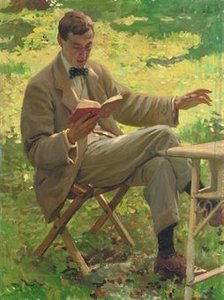
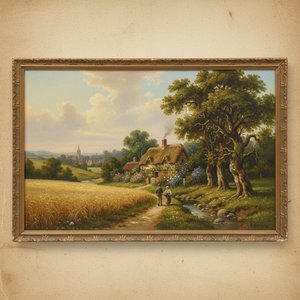
A Celebration of Rural Tranquility – Exploring Munnings’s Elder Blossom
Alfred James Munnings (1878–1959), a titan amongst British Impressionists, possessed an unparalleled ability to capture the essence of the English countryside—specifically its fleeting beauty during springtime. “Elder Blossom,” painted in 1935, exemplifies this mastery, presenting a deceptively simple scene that unfolds into a complex tapestry of observation and emotion.
- Subject Matter: The painting depicts a solitary elder tree laden with delicate white blossoms against a muted pastel backdrop. Munnings meticulously rendered the tree’s branches reaching upwards towards the sky, conveying a sense of resilience and enduring presence amidst the ephemeral nature of floral bloom.
- Style & Technique: Munnings adhered to Impressionistic principles—primarily focusing on capturing light and color as they shift throughout the day. He employed loose brushstrokes and blended hues subtly, eschewing sharp outlines in favor of atmospheric perspective. This technique lends the artwork a luminous quality, mirroring the dappled sunlight filtering through the blossoms.
- Historical Context: Munnings’s work emerged during a period of significant artistic experimentation following World War I. However, he steadfastly championed traditional subjects—particularly equestrian art and depictions of rural life—reflecting a deep appreciation for Britain's heritage and connection to its landscapes. “Elder Blossom” embodies this spirit, harkening back to a bygone era of pastoral idyll.
Decoding the Symbolism – White Blossoms and Silent Strength
The elder tree itself carries considerable symbolic weight within British folklore—representing wisdom, longevity, and protection. Its blossoms, appearing at dawn, symbolize purity and renewal. Munnings skillfully utilizes these motifs to convey a profound message about embracing tranquility and finding beauty in simplicity. The stillness of the composition reinforces this theme, inviting contemplation on themes of resilience and acceptance.
Brushstrokes and Texture – Munnings’s Tactile Approach
Munnings' distinctive brushwork is immediately recognizable—characterized by visible marks that contribute to the artwork’s textural richness. He layered paint onto canvas with deliberate precision, creating a palpable sense of surface quality. These textured strokes capture not only the visual appearance of the elder tree but also the feeling of being immersed in its environment – a testament to Munnings' commitment to conveying sensory experience.
Emotional Resonance – A Moment Frozen in Time
"Elder Blossom" transcends mere representation; it evokes a powerful emotional response. The muted palette and soft lighting instill a sense of serenity, transporting the viewer back to a tranquil spring day. Munnings’s masterful composition captures a fleeting moment—a celebration of beauty before it fades—leaving an indelible impression on anyone who encounters its luminous stillness.
Korduvad küsimused
Kui hele on teos "Elder Blossom" üldiselt?
Üldiselt on teose "Elder Blossom" heledus registreeritud väärtusega bright. Perseeitud heledus kirjeldab, kui valguse või tumeda tundub teos olevat.
Kas „Elder Blossom“, autor Alfred James Munnings on tuntud teos?
Teose „Elder Blossom“, autor Alfred James Munnings populaarsusaste on Iconic. See klassifikatsioon peegeldab teose tuntust ja tunnustust.
Mis on teose „Elder Blossom“, autor Alfred James Munnings loomisaeg?
Teose „Elder Blossom“, autor Alfred James Munnings loomimisaastaks on märgitud 1935.
 Eelvaade
 Saada
Saada Jaga
Jaga
 Teave teose kohta
 Juhend

 Laadi alla
 Sarnased teosed
 Röntgenuuring
 Slaidietendus
 Q&A
Q&A Statistika