Eelvaade
 Saada
Saada Jaga
Jaga
 Teave teose kohta

 Laadi alla
 Sarnased teosed
 Röntgenuuring
 Slaidietendus
 Stats
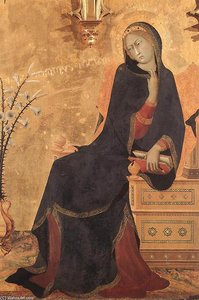
StatsSaviour Blessing (detail)


 Loe lähemalt
Giclée / Kunstiprint
Muuseumikvaliteediga giclée- või kangasprint kiire tootmisega ja paindlikud viimistlusvõimalused. ( Osta käsitsi maalitud maal Switch to Digital Image)




P118B $10

P118H $10

P118W $10

P438Z $10

P508JH $12

P508YH $12

P805H $10

P805Z $10

P919BZ $10

P919G $10

P919XJ $10

P959ZH $10

P968JZ $12

W106C $8

W218G $10

W218JH $8

W218Y $10

W307PJ $10

W316G $10

W316PJ $8

W316Y $10

W398PJ $8

W4111J $10

W500HY $15

W500JH $15

W692G $12

W849H $8

W940BG $15

W953PJ $8




Vali meie eelmääratud suurused, mis vastavad teose algupärastele proportsioonidele.

Saate sisestada oma mõõdud, et need sobiks konkreetse raami või ruumi sisse. Kui valitud suurus ei vasta originaalteose proportsioonidele, lõigame teose ära või laiendame pilti peegeldatud või ühtlase servaga. Enne tootmisprotsessi algust saadetakse Teie kinnitamiseks digitaalne näidis.
Palun märka, et ekraanil kuvatav eelvaade ei kajasta tegelikku lõigamist või laiendamist. Ainult näidis kujutab täpselt lõplikku kompositsiooni.
Kuigi erimõõdu on saadaval, soovitame originaaproportsioonide säilitamiseks valida mõõt ette määratud nimekirjast.
Ülemaailmne tarne () 2 nädala jooksul, tavalise 4/5 nädala asemel. (8 september)

Tasuta ekspresssaatmine üle maailma

Kõrgekvaliteediline linakangas

Täielik transpordikindlustus

Tollimaksude tagastamise garantii

Värvitoime täpsuse garantii

100 päeva tagastusõigus (ainult tootmisdefektide korral)

100% raha tagasi garantii

Hulgusoodustus
 Klaasivalik on saadaval ainult suuruses kuni 110 cm

Saviour Blessing (detail)
Giclée / Kunstiprint
Reproduktsiooni suurus
-


Kogusumma
$ 80
A Tender Moment Frozen in Time: Simone Martini’s “Saviour Blessing”
Simone Martini's "Saviour Blessing," painted in 1341, is more than just a depiction of religious iconography; it’s a profound meditation on love, grace, and the nascent promise of humanity. This exquisite detail from the larger panel—a work often associated with the Tournus Hours—captures a fleeting moment of serene intimacy between Jesus Christ and the infant John the Baptist. The painting immediately draws the viewer in with its astonishing level of craftsmanship, a testament to Martini’s mastery of Sienese artistic tradition. Notice first the meticulous rendering of textures – the heavy folds of Jesus' robe, the delicate softness of the baby’s skin, the intricate patterns adorning the background—all executed with a painstaking attention to detail that speaks volumes about the artist’s dedication and skill.
The Elegance of Sienese Style
Martini's style is deeply rooted in the flourishing artistic environment of Siena during the 14th century. He inherited a legacy of vibrant color, refined line, and an emphasis on elegance that distinguished his work from the more naturalistic approaches emerging elsewhere in Italy. Unlike Giotto’s early explorations of realism, Martini prioritized a stylized beauty, imbuing his figures with a courtly grace reminiscent of illuminated manuscripts. The influence of Duccio di Buoninsegna, a key figure in Sienese painting, is palpable – particularly in the use of gold leaf and the overall luminosity of the scene. However, Martini transcends mere imitation; he developed a distinctly personal style characterized by a heightened sense of movement and an almost dreamlike quality to his compositions.
- Color Palette: The painting utilizes a rich palette dominated by deep blues, reds, and golds – colors associated with royalty, divinity, and spiritual significance.
- Line Work: Martini’s signature is his incredibly precise line work, creating an illusion of depth and volume through subtle variations in contour.
- Gold Leaf: The extensive use of gold leaf not only adds to the painting's visual splendor but also symbolizes divine light and holiness.
Symbolism and Narrative Depth
Beyond its aesthetic beauty, “Saviour Blessing” is laden with symbolic meaning. Jesus’ posture—kneeling, cradling the infant—evokes images of protective guardianship and paternal love. The gesture of blessing, a traditional sign of grace and benediction, reinforces this message. John the Baptist, though small in scale, represents the future hope of salvation, foreshadowing Christ's mission. The background, filled with intricate geometric patterns and stylized architectural elements, is not merely decorative; it serves to elevate the central figures, creating a sense of sacred space. The inclusion of other figures, partially visible in the distance, suggests a larger narrative context—perhaps the presentation of the child to the Virgin Mary—adding layers of complexity to the scene.
A Window into Medieval Devotion
Painted during a period of intense religious fervor, “Saviour Blessing” reflects the profound piety that permeated medieval society. The image was likely intended for liturgical use, adorning the pages of a prayer book and serving as a visual aid for contemplation. It speaks to the deeply held beliefs about the Virgin Mary’s role in salvation history and the importance of fostering compassion and care for the vulnerable. The painting's exquisite detail and emotional resonance offer a rare glimpse into the spiritual world of 14th-century Europe, inviting viewers to connect with a timeless message of love and hope. OriginalUniqueArt offers meticulously crafted reproductions that faithfully capture the beauty and artistry of this remarkable masterpiece, allowing you to bring its serene grace into your home or studio.
Kunstniku elulugu
Simone Martini (c.1284–1344) – A Sienese Master of Elegance and Grace
Simone Martini, born around 1284 in Siena, Italy—though precise birthdates remain elusive—stands as a cornerstone figure in the transition from medieval to Renaissance art. He wasn’t merely a painter; he was an architect of elegance, a master of line and color who infused his works with a courtly refinement that distinguished him from contemporaries like Giotto di Bondone. Historical accounts regarding Martini’s formative years are fragmentary—scholarly debate centers on whether he apprenticed under Duccio di Buoninsegna, the dominant Sienese artist of his time, or if Florence and Giotto exerted a more profound influence—yet Martini undeniably forged an artistic path uniquely his own.
Origins and Education – The Seeds of Style
The exact circumstances surrounding Simone’s upbringing are shrouded in obscurity. Tradition suggests he was born in Siena’s Sant’Egidio district, possibly the son of Martino Senese, a craftsman specializing in preparing arriccio—the initial plaster layer applied to wall surfaces destined for fresco painting—though corroborating evidence remains scant. Regardless of his precise origins, Martini’s artistic training undoubtedly commenced within Duccio di Buoninsegna’s workshop, where he absorbed the stylistic precepts of Sienese Gothic.
The Siena Workshop – Collaboration and Patronage
Martini’s formative years were marked by close association with Memmo di Filippuccio, another artisan active in San Gimignano—a partnership that fostered not only professional growth but also exposure to the burgeoning artistic culture of Tuscany. Crucially, Martini secured his first major civic commission in 1311: the frescoing of the *Maestà* for Siena’s Palazzo Pubblico—a monumental undertaking that cemented Duccio’s legacy and established Martini as a rising talent.
The Maestà – A Synthesis of Tradition
The *Maestà*, completed in 1315, represents a pivotal moment in Martini’s artistic trajectory. It served as an homage to Duccio’s own masterpiece—a stylistic echo that underscored Martini’s commitment to established Sienese conventions. Yet, Martini transcended mere imitation; he innovated through meticulous attention to detail and the incorporation of groundbreaking techniques—particularly the use of metallic pigments and punching—resulting in a painting that embodies both grandeur and exquisite refinement.
International Gothic – Influence and Artistic Vision
Martini’s stylistic hallmark is undeniably International Gothic, a movement characterized by its delicate beauty, elongated figures, flowing drapery, and opulent ornamentation. This aesthetic was profoundly shaped by artistic currents originating from France—specifically the illuminated manuscripts and ivory carvings of Parisian ateliers—which Martini skillfully assimilated into his own distinctive vision.
Later Career – Avignon and Artistic Circles
Martini’s renown extended beyond Siena, attracting commissions from papal patrons in Avignon—a city at the epicenter of European power during the thirteenth century. His presence within Francesco Petrarca’s intellectual circle further enriched his artistic milieu—a connection underscored by Vasari’s account of Martini’s portrait of Laura de Noves—demonstrating Martini's ability to capture not only physical likeness but also the essence of beauty and inspiration.
Legacy – An Enduring Influence
Simone Martini’s contribution to European art history is undeniable. He championed International Gothic style, disseminating its aesthetic principles across the continent and shaping the artistic sensibilities of subsequent generations. His frescoes in San Francesco d’Assisi exemplify his mastery of large-scale decorative painting—a testament to Martini's unparalleled command of color, form, and compositional harmony. Martini died in Avignon in 1344, leaving behind a legacy that continues to inspire awe and admiration centuries later—a beacon of elegance and artistic innovation.

Simone Martini
1284 - 1344 , Itaalia
Lühikesed faktid
- Artistic Movement Or Style: International Gothic
- Artists Who Influenced This Artist:
- Duccio di Buoninsegna
- Francesco Petrarca
- Date Of Birth: c. 1284
- Date Of Death: 1344
- Full Name: Simone Martini
- Nationality: Italian
- Notable Artworks:
- Saint Louis Crowning Robert
- Annunciation (Uffizi)
- Consecration of Chapel
- Place Of Birth: Siena, Italy
Seotud artiklid

Simone Martini: Innovation, Spirituality & Courtly Refinement in Sienese Painting
Explore the captivating world of Simone Martini, a pivotal figure in Sienese painting & the International Gothic style. Discover his innovative techniques, spiritual depth, and lasting influence on early Renaissance art.
Late Medieval Masterpieces: 10 Artworks That Defined an Era | OriginalUniqueArt
Journey through 10 defining Late Medieval masterpieces – from Giotto's frescoes to Jan van Eyck’s realism. Explore the stories, techniques & vibrant colors of Gothic art. Find museum-quality reproductions and elevate your home decor with OriginalUniqueArt.com! Discover all masterpieces on OriginalUniqueArt.com
High Medieval Art: 10 Masterpieces That Shaped an Era | OriginalUniqueArt
Journey through High Medieval Art! Explore 10 iconic masterpieces – from Giotto's frescoes to stunning Gothic cathedrals. Discover the stories behind these timeless paintings, sculptures & illuminated manuscripts. Find museum-quality art reproductions at OriginalUniqueArt.com.

Divine Light & Golden Splendor: A Journey Through the Sacred Grandeur of High Medieval Art
Embark on a soulful journey through High Medieval art. Explore the divine light of Gothic cathedrals, Byzantine splendor, and sacred masterpieces that shaped Western history with our expert-led cultural reflections.
Timeless Elegance: How to Integrate High Medieval Art into Your Modern Interior Design
Discover how to infuse your modern home with the divine light of High Medieval art. From gilded illuminated manuscripts to Gothic-inspired textures, learn expert tips for integrating timeless elegance and historical grandeur into contemporary interior design.