Eelvaade
 Saada
Saada Jaga
Jaga
 Teave teose kohta

 Laadi alla
 Sarnased teosed
 Röntgenuuring
 Slaidietendus
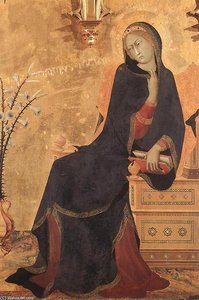
Maestà (detail)


 Loe lähemalt
Giclée / Kunstiprint
Muuseumikvaliteediga giclée- või kangasprint kiire tootmisega ja paindlikud viimistlusvõimalused. ( Lülita käsitsi maalatud版本le Vaata pilti)




P118B $10

P118H $10

P118W $10

P438Z $10

P508JH $12

P508YH $12

P805H $10

P805Z $10

P919BZ $10

P919G $10

P919XJ $10

P959ZH $10

P968JZ $12

W106C $8

W218G $10

W218JH $8

W218Y $10

W307PJ $10

W316G $10

W316PJ $8

W316Y $10

W398PJ $8

W4111J $10

W500HY $15

W500JH $15

W692G $12

W849H $8

W940BG $15

W953PJ $8




Vali meie eelmääratud suurused, mis vastavad teose algupärastele proportsioonidele.

Saate sisestada oma mõõdud, et need sobiks konkreetse raami või ruumi sisse. Kui valitud suurus ei vasta originaalteose proportsioonidele, lõigame teose ära või laiendame pilti peegeldatud või ühtlase servaga. Enne tootmisprotsessi algust saadetakse Teie kinnitamiseks digitaalne näidis.
Palun märka, et ekraanil kuvatav eelvaade ei kajasta tegelikku lõigamist või laiendamist. Ainult näidis kujutab täpselt lõplikku kompositsiooni.
Kuigi erimõõdu on saadaval, soovitame originaaproportsioonide säilitamiseks valida mõõt ette määratud nimekirjast.
Ülemaailmne tarne () 2 nädala jooksul, tavalise 4/5 nädala asemel. (9 august)

Tasuta ekspresssaatmine üle maailma

Kõrgekvaliteediline linakangas

Täielik transpordikindlustus

Tollimaksude tagastamise garantii

Värvitoime täpsuse garantii

60-päevane tagastusõig: ainult tootmisdefektide korral

100% raha tagasi garantii

Hulgusoodustus
 Klaasivalik on saadaval ainult suuruses kuni 110 cm

Maestà (detail)
Giclée / Kunstiprint
Reproduktsiooni suurus
-


Kogusumma
$ 80
Kogumuse kirjeldus
A Vision of Maternal Grace: Exploring Simone Martini’s Maestà
The fresco known as Maestà, completed around 1315 by Simone Martini and Pietro Lorenzetti in Siena Cathedral, stands as an unparalleled testament to Sienese artistic achievement during the Gothic Revival. More than just a depiction of Mary holding the infant Jesus—a motif deeply rooted in Christian iconography—it embodies a profound exploration of piety, beauty, and humanist ideals that foreshadowed the burgeoning Renaissance spirit. Martini’s meticulous attention to detail elevates this devotional image beyond mere representation; it achieves an ethereal quality that continues to captivate viewers centuries later.- Subject Matter & Composition: At its core lies a serene portrayal of the Virgin Mary seated upon a throne, radiating maternal tenderness as she cradles Jesus Christ in her arms. The positioning of Mary and Jesus—facing outwards towards the viewer—was revolutionary for its time, deliberately engaging the audience in a spiritual dialogue. Surrounding them are figures representing Saint John the Baptist and Saint Catherine of Siena, adding layers of theological significance to the scene.
- Style & Technique: Martini’s style is undeniably Gothic, characterized by elongated proportions, delicate drapery folds, and an exquisite use of color—particularly ultramarine blue—a pigment painstakingly imported from Constantinople. Lorenzetti's contribution ensured a harmonious blend of Byzantine influences with Sienese artistic traditions. The fresco employs tempera paint on gesso panels, a technique known for its luminosity and durability, resulting in a surface that retains remarkable vibrancy despite the passage of time.
Historical Context & Patronage
The Maestà’s creation coincided with Siena's golden age—a period marked by economic prosperity fueled by wool trade and bolstered by papal patronage. The cathedral itself served as a focal point for civic pride and religious devotion, commissioning monumental artworks like Maestà to reaffirm the city’s faith and prestige. Martini’s work reflects the broader artistic currents of the era, where artists sought to express spiritual truths through idealized forms and harmonious colors—a deliberate departure from the more austere aesthetic of preceding generations.- Symbolism: Beyond its religious narrative, Maestà is laden with symbolic representations. The throne symbolizes divine majesty, while Mary’s posture conveys humility and grace – qualities considered paramount in Christian theology. The drapery folds are meticulously crafted to create a sense of depth and movement, mirroring the celestial realm. Furthermore, the inclusion of Saint John the Baptist and Saint Catherine exemplifies the veneration of saints as intermediaries between God and humanity.
- Emotional Impact: Martini’s Maestà transcends mere visual representation; it evokes profound emotions of compassion, serenity, and spiritual contemplation. The luminous colors and graceful lines inspire awe and reverence, transporting viewers to a realm of divine beauty. It serves as an enduring reminder of the transformative power of faith and the timeless appeal of maternal love.
Legacy & Reproduction
Maestà’s influence extended far beyond Siena Cathedral, inspiring artists across Europe and establishing Martini as one of the foremost masters of his time. Its meticulous craftsmanship and expressive beauty continue to resonate with art lovers today, cementing its place among the greatest achievements of Gothic art. OriginalUniqueArt offers exceptional reproductions of Maestà, meticulously crafted by skilled artisans using archival pigments on premium canvas—allowing collectors and interior designers alike to experience the sublime artistry of Simone Martini firsthand.Kunstniku elulugu
Simone Martini (c.1284–1344) – A Sienese Master of Elegance and Grace
Simone Martini, born around 1284 in Siena, Italy—though precise birthdates remain elusive—stands as a cornerstone figure in the transition from medieval to Renaissance art. He wasn’t merely a painter; he was an architect of elegance, a master of line and color who infused his works with a courtly refinement that distinguished him from contemporaries like Giotto di Bondone. Historical accounts regarding Martini’s formative years are fragmentary—scholarly debate centers on whether he apprenticed under Duccio di Buoninsegna, the dominant Sienese artist of his time, or if Florence and Giotto exerted a more profound influence—yet Martini undeniably forged an artistic path uniquely his own.
Origins and Education – The Seeds of Style
The exact circumstances surrounding Simone’s upbringing are shrouded in obscurity. Tradition suggests he was born in Siena’s Sant’Egidio district, possibly the son of Martino Senese, a craftsman specializing in preparing arriccio—the initial plaster layer applied to wall surfaces destined for fresco painting—though corroborating evidence remains scant. Regardless of his precise origins, Martini’s artistic training undoubtedly commenced within Duccio di Buoninsegna’s workshop, where he absorbed the stylistic precepts of Sienese Gothic.
The Siena Workshop – Collaboration and Patronage
Martini’s formative years were marked by close association with Memmo di Filippuccio, another artisan active in San Gimignano—a partnership that fostered not only professional growth but also exposure to the burgeoning artistic culture of Tuscany. Crucially, Martini secured his first major civic commission in 1311: the frescoing of the *Maestà* for Siena’s Palazzo Pubblico—a monumental undertaking that cemented Duccio’s legacy and established Martini as a rising talent.
The Maestà – A Synthesis of Tradition
The *Maestà*, completed in 1315, represents a pivotal moment in Martini’s artistic trajectory. It served as an homage to Duccio’s own masterpiece—a stylistic echo that underscored Martini’s commitment to established Sienese conventions. Yet, Martini transcended mere imitation; he innovated through meticulous attention to detail and the incorporation of groundbreaking techniques—particularly the use of metallic pigments and punching—resulting in a painting that embodies both grandeur and exquisite refinement.
International Gothic – Influence and Artistic Vision
Martini’s stylistic hallmark is undeniably International Gothic, a movement characterized by its delicate beauty, elongated figures, flowing drapery, and opulent ornamentation. This aesthetic was profoundly shaped by artistic currents originating from France—specifically the illuminated manuscripts and ivory carvings of Parisian ateliers—which Martini skillfully assimilated into his own distinctive vision.
Later Career – Avignon and Artistic Circles
Martini’s renown extended beyond Siena, attracting commissions from papal patrons in Avignon—a city at the epicenter of European power during the thirteenth century. His presence within Francesco Petrarca’s intellectual circle further enriched his artistic milieu—a connection underscored by Vasari’s account of Martini’s portrait of Laura de Noves—demonstrating Martini's ability to capture not only physical likeness but also the essence of beauty and inspiration.
Legacy – An Enduring Influence
Simone Martini’s contribution to European art history is undeniable. He championed International Gothic style, disseminating its aesthetic principles across the continent and shaping the artistic sensibilities of subsequent generations. His frescoes in San Francesco d’Assisi exemplify his mastery of large-scale decorative painting—a testament to Martini's unparalleled command of color, form, and compositional harmony. Martini died in Avignon in 1344, leaving behind a legacy that continues to inspire awe and admiration centuries later—a beacon of elegance and artistic innovation.

Simone Martini
1284 - 1344 , Itaalia
Lühikesed faktid
- Artistic Movement Or Style: International Gothic
- Artists Who Influenced This Artist:
- Duccio di Buoninsegna
- Francesco Petrarca
- Date Of Birth: c. 1284
- Date Of Death: 1344
- Full Name: Simone Martini
- Nationality: Italian
- Notable Artworks:
- Saint Louis Crowning Robert
- Annunciation (Uffizi)
- Consecration of Chapel
- Place Of Birth: Siena, Italy