- Avaleht

- Trükk lõendile
- Simone Martini
- Madonna and Child

 Preview
 Tellimaks maali Osta digipilt
 Saada
Saada
 Jaga
Jaga
 Teave teose kohta
 Lisa lemmikutesse

 Laadi alla
 Sarnased teosed
 Röntgenuuring
 Slaidietendus
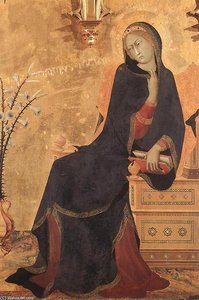
Madonna and Child
 Acrylic On Canvas
- WallArt
- Late Medieval Gothic
 1320
1320 79.0 x 56.0 cm
 Wallraf-Richartz-Museum
 Loe lähemalt
Giclée / Kunstiprint
Muuseumikvaliteediga giclée- või kangasprint kiire tootmisega ja paindlikud viimistlusvõimalused.




P118B $10

P118H $10

P118W $10

P438Z $10

P508JH $12

P508YH $12

P805H $10

P805Z $10

P919BZ $10

P919G $10

P919XJ $10

P959ZH $10

P968JZ $12

W106C $8

W218G $10

W218JH $8

W218Y $10

W307PJ $10

W316G $10

W316PJ $8

W316Y $10

W398PJ $8

W4111J $10

W500HY $15

W500JH $15

W692G $12

W849H $8

W940BG $15

W953PJ $8




Vali meie eelmääratud suurused, mis vastavad teose algupärastele proportsioonidele.

Saate sisestada oma mõõdud, et need sobiks konkreetse raami või ruumi sisse. Kui valitud suurus ei vasta originaalteose proportsioonidele, lõigame teose ära või laiendame pilti peegeldatud või ühtlase servaga. Enne tootmisprotsessi algust saadetakse Teie kinnitamiseks digitaalne näidis.
Palun märka, et ekraanil kuvatav eelvaade ei kajasta tegelikku lõigamist või laiendamist. Ainult näidis kujutab täpselt lõplikku kompositsiooni.
Kuigi erimõõdu on saadaval, soovitame originaaproportsioonide säilitamiseks valida mõõt ette määratud nimekirjast.
Ülemaailmne tarne () 2 nädala jooksul, tavalise 4/5 nädala asemel. (27 juuli)

Tasuta ekspresssaatmine üle maailma

Kõrgekvaliteediline linakangas

Täielik transpordikindlustus

Tollimaksude tagastamise garantii

Värvitoime täpsuse garantii

60-päevane tagastusõig: ainult tootmisdefektide korral

100% raha tagasi garantii

Hulgusoodustus
 Klaasivalik on saadaval ainult suuruses kuni 110 cm

Madonna and Child
Giclée / Kunstiprint
Reproduktsiooni suurus
-


Kogusumma
-
Kogumuse kirjeldus
A Symphony of Grace: Simone Martini’s Madonna and Child
The year is 1320, and within the vibrant heart of Siena, Italy, Simone Martini was meticulously crafting a masterpiece – his “Madonna and Child.” This isn't merely a depiction of Mary cradling her infant son; it’s an immersion into a world where piety and elegance intertwine, revealing the burgeoning sophistication of Sienese art on the cusp of the Renaissance. The painting immediately draws the eye to its central figures: the Virgin Mary, rendered with a serene dignity that speaks volumes about her role as both mother and mediator between heaven and earth. Her crimson gown, a bold statement against the muted palette, isn’t simply decorative; it symbolizes royalty, divine grace, and perhaps even echoes of the rich fabrics favored by the Sienese aristocracy – a subtle nod to the worldly power of the city itself.
The Delicate Dance of Line and Color
Martini's technique is characterized by an exquisite attention to detail and a masterful manipulation of line. He employs a *grisaille* approach, utilizing shades of grey and brown to build up forms with remarkable precision before layering in the vibrant colors. This method creates a sense of depth and volume that was revolutionary for its time. Notice how the folds of Mary’s robe ripple with an almost sculptural quality, while the delicate details of the Christ Child's face – his tiny hands, perfectly formed features – are rendered with breathtaking realism. The use of gold leaf, particularly in the halos and decorative elements, adds a luminous quality to the painting, elevating it beyond the purely earthly realm. The overall effect is one of shimmering beauty, achieved through painstaking observation and an unparalleled command of color.
A Window into Siena’s Soul
Beyond the immediate depiction of the Madonna and Child, the painting offers a glimpse into the cultural landscape of 14th-century Siena. The presence of the secondary figures – two individuals on either side of the central scene – suggests a narrative context beyond the purely devotional. These figures, often interpreted as representing Joseph or perhaps members of Mary’s family, are rendered with a degree of formality and dignity that reflects the importance placed on lineage and social standing within Sienese society. The architectural elements subtly incorporated into the background—a stylized doorway or window—are characteristic of Siena's distinctive urban design, further anchoring the scene in its specific location.
Symbolism and Spiritual Resonance
The “Madonna and Child” is rich with symbolic meaning. The red dress, as previously mentioned, represents Mary’s role as Queen of Heaven. The halo surrounding Christ symbolizes his divinity and his connection to God the Father. The positioning of the figures – Mary holding her child close – evokes a sense of protection, nurturing, and unconditional love. It's a scene deeply rooted in Christian iconography, yet Martini imbues it with a uniquely Sienese sensibility—a blend of religious fervor and worldly refinement. The painting’s emotional impact is profound; it invites contemplation on themes of motherhood, faith, and the enduring power of divine grace.
- Size: 79 x 56 cm
- Date: 1320
- Artist: Simone Martini
- Medium: Tempera on Panel
OriginalUniqueArt.com offers meticulously crafted, hand-painted reproductions of this iconic masterpiece, allowing you to bring the beauty and serenity of Simone Martini’s “Madonna and Child” into your home or office. Each reproduction is created using traditional techniques and archival materials, ensuring its longevity and preserving the exquisite detail of the original painting. Explore our collection today and experience the timeless allure of this Sienese treasure.
Kunstniku elulugu
Simone Martini (c.1284–1344) – A Sienese Master of Elegance and Grace
Simone Martini, born around 1284 in Siena, Italy—though precise birthdates remain elusive—stands as a cornerstone figure in the transition from medieval to Renaissance art. He wasn’t merely a painter; he was an architect of elegance, a master of line and color who infused his works with a courtly refinement that distinguished him from contemporaries like Giotto di Bondone. Historical accounts regarding Martini’s formative years are fragmentary—scholarly debate centers on whether he apprenticed under Duccio di Buoninsegna, the dominant Sienese artist of his time, or if Florence and Giotto exerted a more profound influence—yet Martini undeniably forged an artistic path uniquely his own.
Origins and Education – The Seeds of Style
The exact circumstances surrounding Simone’s upbringing are shrouded in obscurity. Tradition suggests he was born in Siena’s Sant’Egidio district, possibly the son of Martino Senese, a craftsman specializing in preparing arriccio—the initial plaster layer applied to wall surfaces destined for fresco painting—though corroborating evidence remains scant. Regardless of his precise origins, Martini’s artistic training undoubtedly commenced within Duccio di Buoninsegna’s workshop, where he absorbed the stylistic precepts of Sienese Gothic.
The Siena Workshop – Collaboration and Patronage
Martini’s formative years were marked by close association with Memmo di Filippuccio, another artisan active in San Gimignano—a partnership that fostered not only professional growth but also exposure to the burgeoning artistic culture of Tuscany. Crucially, Martini secured his first major civic commission in 1311: the frescoing of the *Maestà* for Siena’s Palazzo Pubblico—a monumental undertaking that cemented Duccio’s legacy and established Martini as a rising talent.
The Maestà – A Synthesis of Tradition
The *Maestà*, completed in 1315, represents a pivotal moment in Martini’s artistic trajectory. It served as an homage to Duccio’s own masterpiece—a stylistic echo that underscored Martini’s commitment to established Sienese conventions. Yet, Martini transcended mere imitation; he innovated through meticulous attention to detail and the incorporation of groundbreaking techniques—particularly the use of metallic pigments and punching—resulting in a painting that embodies both grandeur and exquisite refinement.
International Gothic – Influence and Artistic Vision
Martini’s stylistic hallmark is undeniably International Gothic, a movement characterized by its delicate beauty, elongated figures, flowing drapery, and opulent ornamentation. This aesthetic was profoundly shaped by artistic currents originating from France—specifically the illuminated manuscripts and ivory carvings of Parisian ateliers—which Martini skillfully assimilated into his own distinctive vision.
Later Career – Avignon and Artistic Circles
Martini’s renown extended beyond Siena, attracting commissions from papal patrons in Avignon—a city at the epicenter of European power during the thirteenth century. His presence within Francesco Petrarca’s intellectual circle further enriched his artistic milieu—a connection underscored by Vasari’s account of Martini’s portrait of Laura de Noves—demonstrating Martini's ability to capture not only physical likeness but also the essence of beauty and inspiration.
Legacy – An Enduring Influence
Simone Martini’s contribution to European art history is undeniable. He championed International Gothic style, disseminating its aesthetic principles across the continent and shaping the artistic sensibilities of subsequent generations. His frescoes in San Francesco d’Assisi exemplify his mastery of large-scale decorative painting—a testament to Martini's unparalleled command of color, form, and compositional harmony. Martini died in Avignon in 1344, leaving behind a legacy that continues to inspire awe and admiration centuries later—a beacon of elegance and artistic innovation.

Simone Martini
1284 - 1344 , Itaalia
Lühikesed faktid
- Artistic Movement Or Style: International Gothic
- Artists Who Influenced This Artist:
- Duccio di Buoninsegna
- Francesco Petrarca
- Date Of Birth: c. 1284
- Date Of Death: 1344
- Full Name: Simone Martini
- Nationality: Italian
- Notable Artworks:
- Saint Louis Crowning Robert
- Annunciation (Uffizi)
- Consecration of Chapel
- Place Of Birth: Siena, Italy
Seotud artiklid
Metropolitani Muuseumi 25 Kunsti Helmi: Ajaloo ja Ilu Teekond OriginalUniqueArt'is
Avastage Metropolitani muuseumi 25 kõige ikoonilisemat kunstiteost! Sukeldume maalikunstnike maailma, impressionismi võlu ja ajalooliste värvikombinatsioonide sisse. Leidke täiuslik seina kaunistus OriginalUniqueArt'is – kvaliteetsed reproduktsioonid ja sisustus ideed. Avastage kogu kollektsioon online!
Uffizi Galeri 25 Kunsti Helmi: Renessansi Meisterteosed Teie Kodus
Avastage Uffizi galerii 25 suurimat meistriteost! Sukeldume renessansi kunstimaailma – Leonardo da Vinci, Botticelli ja Michelangelo lood. Leidke täiuslik maali oma kodukaunistuseks OriginalUniqueArt.com-is.
Rahvusgalerii parimad 25 teost Washingtonis: Kunsti meistriteosed kodus
Avastage Rahvusgalerii Washingtoni 25 parimat teost! Sukeldu Cézanne'i, Matisse'i ja Picasso maalidest inspireeritud kunstiajalukku. Leidke täiuslik seinakaunistus või luksuslik reproduktsioon kodusse OriginalUniqueArt.com-is. Vaadake kogu kollektsiooni online!
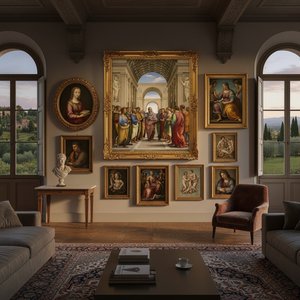
Raphaeli 25 parimat teost: Renessansi meistriteosed kodus – OriginalUniqueArt.com
Avastage Raphaeli 25 parimat teost! Sukeldu renessanssimaali ilu, luksuslikesse portreedesse ja atmosfäärilistesse freskode. Leia inspiratsiooni kodukaunistuseks OriginalUniqueArt.com-is – kvaliteetsed maalide reproduktsioonid ja kunstikollektsioonid.

DIA Kunsti Tipud: 25 Silmapaistvat Teost Detroitis | OriginalUniqueArt
Avastage Detroit Kunstimuuseumi 25 silmapaistvat teost! Van Goghist Rembrandti – lugusid, tehnikaid ja ajatuid meistriteoseid. Leidke inspiratsiooni kodukaunistamiseks OriginalUniqueArt.com-is. Vaadake kogu kollektsiooni online!