Vaata sisu
 Jaga teost
 Jaga
Jaga
 Detailid
 Õppekate juhend

 Laadi alla
 Sarnased teosed
 Röntgenuuring
 Slaidietendus
 Statistika
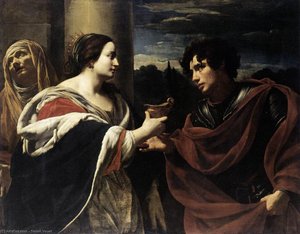
The Penitent Magdalen
 Acrylic On Canvas
- WallArt
- Baroque French Painting
 1630
1630 131.0 x 104.0 cm
 Cleveland Museum of Art
 Loe lähemalt
Giclée / Kunstiprint
Muuseumikvaliteediga giclée- või kangasprint kiire tootmisega ja paindlikud viimistlusvõimalused. ( Telli käsitsi maalitud reproduktsioon Ülemineku digitaalse pildi müügi kanalisse)




P118B €10

P118H €10

P118W €10

P438Z €10

P508JH €12

P508YH €12

P805H €10

P805Z €10

P919BZ €10

P919G €10

P919XJ €10

P959ZH €10

P968JZ €12

W106C €8

W218G €10

W218JH €8

W218Y €10

W307PJ €10

W316G €10

W316PJ €8

W316Y €10

W398PJ €8

W4111J €10

W500HY €15

W500JH €15

W692G €12

W849H €8

W940BG €15

W953PJ €8




Vali meie eelmääratud suurused, mis vastavad teose algupärastele proportsioonidele.

Saate sisestada oma mõõdud, et need sobiks konkreetse raami või ruumi sisse. Kui valitud suurus ei vasta originaalteose proportsioonidele, lõigame teose ära või laiendame pilti peegeldatud või ühtlase servaga. Enne tootmisprotsessi algust saadetakse Teie kinnitamiseks digitaalne näidis.
Palun märka, et ekraanil kuvatav eelvaade ei kajasta tegelikku lõigamist või laiendamist. Ainult näidis kujutab täpselt lõplikku kompositsiooni.
Kuigi erimõõdu on saadaval, soovitame originaaproportsioonide säilitamiseks valida mõõt ette määratud nimekirjast.
Ülemaailmne tarne () 2 nädala jooksul, tavalise 4/5 nädala asemel. (14 oktoober)

Tasuta ekspresssaatmine üle maailma

Kõrgekvaliteediline lina-kangastest muld

Täielik transpordikindlustus

Tollimaksude tagastamise garantii

Värvitoime täpsuse garantii

100 päeva tagastusõigus (ainult defektide korral)

100% raha tagasi garantii

Hulgusoodustus
 Klaasivalik on saadaval ainult kuni 110 cm suuruses teostes

The Penitent Magdalen
Giclée / Kunstiprint
Reproduktsiooni mõõtmed
-


Lõppsumma
€ 69
The Penitent Magdalen: A Window into Baroque Spirituality
Simon Vouet’s “The Penitent Magdalen,” painted around 1630, is more than just a portrait; it's a profound meditation on faith, repentance, and the enduring power of sorrow. Executed during a pivotal moment in French art history – the transition from Mannerism to the burgeoning Baroque style – this work encapsulates Vouet’s innovative approach, blending Italian influences with a distinctly French sensibility. The painting immediately draws the viewer into a scene of quiet contemplation, dominated by the figure of Mary Magdalene, rendered with an almost sculptural quality that speaks to both her physical presence and her spiritual weight.
Vouet, having spent formative years in Rome absorbing the dramatic lighting and emotional intensity of Caravaggio’s work, brought this Italian dynamism back to France. However, he didn't simply replicate these techniques; instead, he skillfully adapted them to suit the tastes of his royal patrons. Notice how the subdued palette – dominated by rich reds, deep blues, and earthy browns – creates a sense of solemnity and introspection. The lighting is carefully controlled, highlighting Magdalene’s face and hands while casting her figure in shadow, reinforcing the theme of penance and hidden suffering.
A Study in Symbolism and Gesture
The composition itself is laden with symbolic meaning. Magdalene's posture – head bowed, hand resting on a book – immediately evokes images of prayer and devotion. The open book, often interpreted as representing scripture, suggests her ongoing journey toward redemption. Crucially, the presence of two birds—one perched on the left shoulder, the other near the upper right corner—adds layers of interpretation. Birds are frequently associated with freedom, hope, and the soul’s ascent to heaven; their inclusion here hints at Magdalene's potential for spiritual liberation through her remorse and piety.
The jar of ointment, a recurring motif in depictions of Magdalene, symbolizes her past sins—specifically, her betrayal of Christ. However, it also represents a willingness to offer amends and demonstrate genuine repentance. The careful rendering of the ointment’s texture and the subtle play of light on its surface further emphasize this duality – beauty born from sorrow.
The Painter's Technique: A Bridge Between Italy and France
Vouet’s mastery lies in his ability to seamlessly blend Italian realism with French elegance. He employs a technique known as “clai-obscure,” or chiaroscuro, which dramatically contrasts light and shadow to create depth and volume. This is particularly evident in Magdalene's face – the delicate modeling of her features, the subtle shading around her eyes, all contribute to an incredibly lifelike portrayal. Unlike the stark contrasts of Caravaggio, Vouet’s use of light is more diffused, lending a sense of grace and refinement to the scene.
Furthermore, Vouet's attention to detail—the folds of Magdalene’s dress, the texture of her hair, even the subtle imperfections in her hands—demonstrates his meticulous approach. This commitment to realism was highly valued by the French court, who sought artists capable of producing works that were both aesthetically pleasing and historically accurate.
Emotional Resonance and Lasting Legacy
"The Penitent Magdalen" is not merely a depiction of a biblical figure; it’s an exploration of human emotion—the pain of regret, the yearning for forgiveness, and the possibility of spiritual renewal. Vouet masterfully captures Magdalene's inner turmoil, inviting viewers to contemplate their own struggles with faith and redemption. The painting’s enduring appeal lies in its ability to resonate across centuries, offering a timeless meditation on the complexities of the human condition.
Reproductions of this powerful work offer an exceptional opportunity to bring this evocative scene into any space. Its rich colors, dramatic lighting, and profound symbolism create a focal point that speaks volumes about faith, sorrow, and ultimately, hope.
Küsimused ja vastused
Millist kontrasti näitab teos „The Penitent Magdalen“, autor Simon Vouet?
Teoses „The Penitent Magdalen“, autor Simon Vouet on nähtav Statement kontrast heellemiste ja tumedate alade vahel.
Mis on originaalteose „The Penitent Magdalen“, autor Simon Vouet tehnika ja suurus?
Teos "The Penitent Magdalen" on valmistatud tehnika Acrylic On Canvas ja algses vormis mõõdetakse 131 x 104 cm.
Kust koht sellest teosest "The Penitent Magdalen" on Simon Vouet laupikus?
"The Penitent Magdalen" kuulub Simon Vouet Baroque French Painting perioodi teosetele, mille tuntud teemad hõlmavad caravaggio influence, christian devotion, penitence, french court, vouet’s style.
Mis on teose "The Penitent Magdalen" vorming ja suurus?
Teose "The Penitent Magdalen" vorming on Portrait ning originaali mõõdud on 131 x 104 cm. Mõlemad on kasulikud reproduktsiooni planeerimisel.
Kui hele on teos "The Penitent Magdalen" üldiselt?
Üldiselt on teose "The Penitent Magdalen" heledus registreeritud väärtusega shadow. Perseeeritud heledus kirjeldab, kui valguse või tumeda tundub teos olevat.
Mis on teose „The Penitent Magdalen“, autor Simon Vouet domineeriv toonsalm?
Teose „The Penitent Magdalen“, autor Simon Vouet domineeriv toon on Golden Yellow Range. See toon on paleti alusvärv.
Kas ma saan teost „The Penitent Magdalen“, autor Simon Vouet enne tellimist eelvaatata?
Teostest „The Penitent Magdalen“, autor Simon Vouet eelvaade on saadaval teose Eelvaade lehel.
Kas saan näha teose „The Penitent Magdalen“, autor Simon Vouet röntgenpilti?
Teose „The Penitent Magdalen“, autor Simon Vouet Röntgenkiirgus leht on interaktiivne vaatur, mis võimaldab liikuda läbi teose üheksateist optilise kihti, sealhulgas röntgenlaadunäoga vaadet.
Kunstniku elulugu
Simon Vouet: Prantsilinejadaja Prantsuse Barokika Maalegi
- Sündinud: 9. janel, 1590, Pariis, Prantsus
- Survenud: 30. juuni, 1649, Pariis, Prantsus
Simon Vouet oli keeruline isik Prantsuse maaliku süutmises Mannerismist Barokika stiilima. Sündides kunstlikusse perere – tema isa Laurent oli maaler ja tema vend Aubin püüdis ka kunsti – sai Vouet varajase koolituse, mis loomis alusta tema tulevikule edukusele. Tema lapselaps, Ludovico Dorigny, jätkas pereli kunstlikku pärandi.
Varane Karjääri ja Itaalia Vaikus (1608–1627)
- Varane Portreteerimine: Vouet alustas oma karjääri portreteerijana, näites varajase talendi.
- Säiled Inglismaalasse (1608): Noore ning 14-näeldesel aastal reisis ta Inglismaale tellitud portreedi maalima, näites oma kasvava maine.
- Ottomaania Imperium ja Venetsia: 1611. aastal liitus Vouet Baron de Sancy rühmaga, Prantsuse ambassjaor Ottomaania imperiumis, uuesti portreteerimise tööga. See reis viis ta Konstantinopelisse ja seejärel 1612. aastal Venetsia.
- Rooma (1614–1627): Tema ajal Roomas tõldi muuta. Ta jäi sinna kolmte aasta jooksul, süvenemata end kasvava Barokika perioodi elujõulisse kunstlikusse arengule.
Tema Itaalia ajajal absorbeeris Vouet mitmeid erinevaid mõjuallusid. Ta õppis Caravaggio poolt pioneeritud dramaatilisi valgusvõte tehnikaid, omaks võttis Itaalia Mannerismi elemente ja süvenelt analüüsis Paolo Veronese kasutatavaid värvipalette ja di sotto in su (vahekülik perspektiivi). Ta sai inspiratsiooni ka Carracci, Guercinost, Lanfrancost ja Guido Renist teostest, sünteesides need erinevad stiilid ainulaadse kunstliku visiooni.
Voueti Unikaalse Stiili Arendus
- Valimine Accademia di San Luca jäksel (1624): Tema edukus Roomas viis teda prestižiilisse Accademia di San Luca presidendiks, mis oli tõestus tema oskusest ja tunnustamisest Itaalia kunstmaailmas.
- Mõjualluste Süntees: Voueti stiili iseloomustas tema võime absorbeerda ja destilleerida erinevaid kunstlikke mõjuallusi. Ta ei lihtsalt kopeerinud; ta integreeris need elemendid kooskõlasse ja selgelt itaalia sündmuste Barokika esteetika.
- Barokika Tuvedmine Prantsuses: 1627. aastal Prantsuse tagasi saabudes mängis Vouet kriitilist rolli Itaalia Barokika stiili tuvedmisel Prantsuse maalile, mõjutades märkimisväärselt riigi kunstlikku maastikku.
Peamised Saavutused ja Pärand
- Premier Peintre du Roi: Vouet sai titteli Premier peintre du Roi (Kuninga esimene maalaja) – kohaks, mis oli märkimisväärne prestiži ja mõju.
- Üleabundav Tegemiskoht: Ta hoitis suurte ja aktiivse tegemiskohtu, koolitades paljut kunstnike, kes vormidasid edaspidist Prantsuse maalijaputke.
- Märkimisväärsed Oppilased: Tema mõjuvivaimad oppilased olid Charles Le Brun (kes hiljem korraldas Versailles'de kogu dekoratiivse maalingat), Valentin de Boulogne, Charles Alphonse du Fresnoy, Pierre Mignard, Eustache Le Sueur ja Claude Mellan.
- Mõju Prantsuse Kunstil: Voueti mõju ulestus tema oma teostest; tema õpilased võtsid tema stiili ja tehnikaid üle kogu Prantsuse, luues selgelt Barokika maaliku kooli. Tema mõju on eriti nähtav Louis XIV tellitud suurtes dekoratiivsetes skeemides.
Histooriline Tähtsus
Simon Voueti pärand põhineb tema keerulisel rollil Itaalia ja Prantsuse kunsti vahel sillana. Ta võttis edukalt Itaalia Barokika dünaamika ja grandioosi, muuta selle stiiliks, mis kõnetas Prantsuse hovi ja aristokraatia maitseid. Tema mõju on eikaartlik 17. sajanni Prantsuse maaliku arengu jooksul, ja tema panused jäävad kunstihistoorikute jaoks tänapäeval tunnustatud.

Simon Vouet
1590 - 1649 , Prantsus
Lühikest infot
- Artistic Movement Or Style: Barokipainting
- Artists Or Movements Influenced By This Artist:
- Charles Le Brun
- Valentin de Boulogne
- Prantsuse barokipainting
- Artists Who Influenced This Artist:
- Caravaggio
- Paolo Veronese
- Carracci
- Guercino
- Lanfranco
- Guido Reni
- Date Of Birth: 9. tasanapäeval, 1590
- Date Of Death: 30. juunil, 1649
- Full Name: Simon Vouet
- Nationality: Prantsuse
- Place Of Birth: Pariis, Prantsus
Sarnased artiklid

Baroki draama ja luksus: Kuidas ajalooline elegants kaasaegsesse interjööri tuua
Avastage baroki maalide võlu OriginalUniqueArt'is! Käsitsi valmistatud reproduktsioonid, fotodest maalid ja ekspertkonsultatsioonid. Toome ajaloolise elegantsi Teie interjööri. Kvaliteet garanteeritud!

Baroque Classicism: The Grandeur of Order and Drama in 17th-Century Art History
Explore the profound elegance of Baroque Classicism. Discover how 17th-century masters synthesized dramatic emotion with classical order through the lens of the Counter-Reformation and the works of legends like Carlo Maratta and Andrea Sacchi.
Simon Vouet: A Baroque Master's Journey from Italian Influence to French Classicism
Explore the life & art of Simon Vouet, a pivotal French Baroque painter who introduced Italian styles to France. Discover his masterpieces and lasting influence on 17th-century art.

Baroki tippteosed: 10 kunstiteost, mis muutisid maailma
Sukeldu baroki maailma! Avasta 10 meistriteost, mis defineerisid kunstivoolu – Rembrandt, Caravaggio jt. Loe lugusid, vaata värve ja naudi ajatu ilu. Leia inspiratsiooni interjööriks OriginalUniqueArt.com-ist!

The Dramatic Flourish: Exploring the Baroque Movement's Enduring Legacy in Art History
Explore the dramatic world of Baroque art! Discover iconic artists like Caravaggio & Rubens, defining techniques, and its lasting impact on art history. Expert insights for collectors & enthusiasts at OriginalUniqueArt.