Vaata sisu
 Jaga teost
 Jaga
Jaga
 Detailid
 Õppekate juhend

 Laadi alla
 Sarnased teosed
 Röntgenuuring
 Slaidietendus
 Statistika
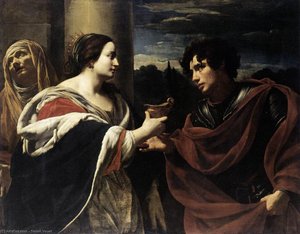
St Jerome and the Angel
 Oil On Canvas
- WallArt
- Baroque Painting
 1622
1622 145.0 x 180.0 cm
 National Gallery of Art
 Loe lähemalt
Käsitsi valmistatud õlimaalireproduktsioon
Meie kunstnike poolt tellimusel valmistatud käsitsi maalitud õli-kainaste teos teie soovitud suuruses ja raamis. ( Lülita trükkitoodetele Ülemineku digitaalse pildi müügi kanalisse)




P118B €10

P118H €10

P118W €10

P438Z €10

P508JH €12

P508YH €12

P805H €10

P805Z €10

P919BZ €10

P919G €10

P919XJ €10

P959ZH €10

P968JZ €12

W106C €8

W218G €10

W218JH €8

W218Y €10

W307PJ €10

W316G €10

W316PJ €8

W316Y €10

W398PJ €8

W4111J €10

W500HY €15

W500JH €15

W692G €12

W849H €8

W940BG €15

W953PJ €8




Vali meie eelmääratud suurused, mis vastavad teose algupärastele proportsioonidele.

Sisestage vajalik laius ja kõrgus, et teos sobiks teie raamile või seinale. Kuna tegu on käsipainatud teosega, siis erineva kujuga suuruse korral võib kunstnik jätta pildi ümber veidi rohkem marginaali või lõigata osa ära — valik on teie. Enne maali alustamist saadame teile kinnitamiseks digitaalse näidisprojektsiooni. Sellel lehel näidatud pilt ei kajasta tegelikku tulemust — seda näitab ainult näidisprojekttsioon.
Pärast tellimust saadab OriginalUniqueArt.com meeskond kliendile e-posti juhised ning esitab eelvaate kavandi
Maailmline tarne 3–4 nädala jooksul tavalise 5 nädala asemel. (23 oktoober). Kvaliteedis kompromisse ei tehta.

Tasuta ekspresssaatmine üle maailma

Kõrgekvaliteediline lina-kangastest muld

Täielik transpordikindlustus

Tollimaksude tagastamise garantii

Värvitoime täpsuse garantii

100 päeva tagastusõigus (ainult defektide korral)

100% raha tagasi garantii

Hulgusoodustus
 Klaasivalik on saadaval ainult kuni 110 cm suuruses teostes

St Jerome and the Angel
Reproduktsiooni materjal
Reproduktsiooni mõõtmed
-


Lõppsumma
€ 264
St Jerome and the Angel: A Dialogue of Faith and Light
Simon Vouet’s “St. Jerome and the Angel,” painted in 1622, is more than just a depiction of a biblical scene; it's a carefully constructed meditation on divine guidance, spiritual contemplation, and the interplay between earthly and celestial realms. This masterful work, housed within the National Gallery of Art in Washington D.C., exemplifies the burgeoning Baroque style’s embrace of dramatic lighting, nuanced emotion, and a heightened sense of realism that distinguished it from the preceding Mannerism. The painting immediately draws the viewer into a scene brimming with quiet intensity – a moment of profound communication between the venerable Saint Jerome, known for his dedication to prayer and translation of the Bible, and the radiant angel who appears before him.
Vouet’s technical prowess is evident in every brushstroke. He skillfully employs *chiaroscuro*, a technique borrowed from Caravaggio, to create a dramatic contrast between light and shadow. The angel, bathed in an ethereal glow, stands in sharp relief against the darker, more muted tones of Jerome's robe and the shadowed background. This deliberate use of light isn’t merely aesthetic; it serves to emphasize the angel’s divine presence and the transformative nature of his message. The composition is carefully balanced – Jerome, a figure of venerable age and contemplative posture, occupies the lower portion of the canvas, while the dynamic angel dominates the upper register, creating a visual hierarchy that underscores their roles in the narrative.
A Renaissance Vision with Baroque Flair
Painted during Vouet’s extended sojourn in Rome, “St. Jerome and the Angel” reflects the profound influence of Italian art on French painting at the time. Vouet had immersed himself in the works of masters like Caravaggio, Paolo Veronese, and the Carracci brothers, absorbing their techniques and philosophies. However, he didn’t simply mimic these artists; instead, he synthesized their innovations with his own distinctive style, creating a uniquely French interpretation of the Baroque aesthetic. The painting showcases a move away from the stylized poses and flattened perspectives of Mannerism towards a more naturalistic approach to form and space – a hallmark of the emerging Baroque style.
The historical context is crucial to understanding the work’s significance. The early 17th century was a period of intense religious fervor in Europe, fueled by the Counter-Reformation. Paintings like this one were often commissioned by the Catholic Church as didactic tools – intended to inspire piety and reinforce orthodox doctrine. The scene of St. Jerome receiving divine guidance speaks directly to this purpose, offering a visual representation of faith, humility, and the promise of salvation.
Symbolism and Emotional Resonance
Beyond its religious subject matter, “St. Jerome and the Angel” is rich in symbolic detail. The book held by Jerome represents his life’s work – the translation of the Bible into Latin. The angel's outstretched hand and pointing finger symbolize divine instruction and revelation. The cup at the center of the image may represent the Holy Spirit or a symbol of spiritual nourishment. Notably, the angel is depicted not as a majestic, imposing figure but as a youthful, almost mischievous presence – suggesting that divine guidance can be both challenging and joyful.
The emotional impact of the painting is profound. The quiet intensity of Jerome’s expression, combined with the radiant beauty of the angel, evokes a sense of reverence and wonder. The scene invites viewers to contemplate their own relationship with faith and the possibility of receiving divine guidance in their lives. It's a moment suspended in time – a dialogue between man and God, rendered with exquisite skill and profound sensitivity.
A Legacy of Light and Shadow
Simon Vouet’s “St. Jerome and the Angel” stands as a testament to his artistic genius and his pivotal role in shaping the course of French painting. It exemplifies the transition from Mannerism to Baroque, showcasing the innovative techniques and stylistic choices that defined this transformative period. Today, reproductions of this captivating work continue to inspire artists and collectors alike, offering a glimpse into a world where faith, beauty, and light converge in a timeless tableau.
Küsimused ja vastused
Millise riigi kunstilihubast pärineb Baroque Painting teos "St Jerome and the Angel"?
Baroque Painting suunaga teos "St Jerome and the Angel" on loodud kunstniku poolt, kes on pärit riigist Prantsus.
Mis tüüpi teos on "St Jerome and the Angel"?
Kataloogis on teos „St Jerome and the Angel“, autor Simon Vouet liigitatud kui WallArt. See kategooria aitab leida sarnaseid teoseid.
Mis on soovitatav trükkimõõt teosele „St Jerome and the Angel“, autor Simon Vouet?
Soovitatav trükimõõt teosele „St Jerome and the Angel“, autor Simon Vouet on Medium.
Kunstniku elulugu
Simon Vouet: Prantsilinejadaja Prantsuse Barokika Maalegi
- Sündinud: 9. janel, 1590, Pariis, Prantsus
- Survenud: 30. juuni, 1649, Pariis, Prantsus
Simon Vouet oli keeruline isik Prantsuse maaliku süutmises Mannerismist Barokika stiilima. Sündides kunstlikusse perere – tema isa Laurent oli maaler ja tema vend Aubin püüdis ka kunsti – sai Vouet varajase koolituse, mis loomis alusta tema tulevikule edukusele. Tema lapselaps, Ludovico Dorigny, jätkas pereli kunstlikku pärandi.
Varane Karjääri ja Itaalia Vaikus (1608–1627)
- Varane Portreteerimine: Vouet alustas oma karjääri portreteerijana, näites varajase talendi.
- Säiled Inglismaalasse (1608): Noore ning 14-näeldesel aastal reisis ta Inglismaale tellitud portreedi maalima, näites oma kasvava maine.
- Ottomaania Imperium ja Venetsia: 1611. aastal liitus Vouet Baron de Sancy rühmaga, Prantsuse ambassjaor Ottomaania imperiumis, uuesti portreteerimise tööga. See reis viis ta Konstantinopelisse ja seejärel 1612. aastal Venetsia.
- Rooma (1614–1627): Tema ajal Roomas tõldi muuta. Ta jäi sinna kolmte aasta jooksul, süvenemata end kasvava Barokika perioodi elujõulisse kunstlikusse arengule.
Tema Itaalia ajajal absorbeeris Vouet mitmeid erinevaid mõjuallusid. Ta õppis Caravaggio poolt pioneeritud dramaatilisi valgusvõte tehnikaid, omaks võttis Itaalia Mannerismi elemente ja süvenelt analüüsis Paolo Veronese kasutatavaid värvipalette ja di sotto in su (vahekülik perspektiivi). Ta sai inspiratsiooni ka Carracci, Guercinost, Lanfrancost ja Guido Renist teostest, sünteesides need erinevad stiilid ainulaadse kunstliku visiooni.
Voueti Unikaalse Stiili Arendus
- Valimine Accademia di San Luca jäksel (1624): Tema edukus Roomas viis teda prestižiilisse Accademia di San Luca presidendiks, mis oli tõestus tema oskusest ja tunnustamisest Itaalia kunstmaailmas.
- Mõjualluste Süntees: Voueti stiili iseloomustas tema võime absorbeerda ja destilleerida erinevaid kunstlikke mõjuallusi. Ta ei lihtsalt kopeerinud; ta integreeris need elemendid kooskõlasse ja selgelt itaalia sündmuste Barokika esteetika.
- Barokika Tuvedmine Prantsuses: 1627. aastal Prantsuse tagasi saabudes mängis Vouet kriitilist rolli Itaalia Barokika stiili tuvedmisel Prantsuse maalile, mõjutades märkimisväärselt riigi kunstlikku maastikku.
Peamised Saavutused ja Pärand
- Premier Peintre du Roi: Vouet sai titteli Premier peintre du Roi (Kuninga esimene maalaja) – kohaks, mis oli märkimisväärne prestiži ja mõju.
- Üleabundav Tegemiskoht: Ta hoitis suurte ja aktiivse tegemiskohtu, koolitades paljut kunstnike, kes vormidasid edaspidist Prantsuse maalijaputke.
- Märkimisväärsed Oppilased: Tema mõjuvivaimad oppilased olid Charles Le Brun (kes hiljem korraldas Versailles'de kogu dekoratiivse maalingat), Valentin de Boulogne, Charles Alphonse du Fresnoy, Pierre Mignard, Eustache Le Sueur ja Claude Mellan.
- Mõju Prantsuse Kunstil: Voueti mõju ulestus tema oma teostest; tema õpilased võtsid tema stiili ja tehnikaid üle kogu Prantsuse, luues selgelt Barokika maaliku kooli. Tema mõju on eriti nähtav Louis XIV tellitud suurtes dekoratiivsetes skeemides.
Histooriline Tähtsus
Simon Voueti pärand põhineb tema keerulisel rollil Itaalia ja Prantsuse kunsti vahel sillana. Ta võttis edukalt Itaalia Barokika dünaamika ja grandioosi, muuta selle stiiliks, mis kõnetas Prantsuse hovi ja aristokraatia maitseid. Tema mõju on eikaartlik 17. sajanni Prantsuse maaliku arengu jooksul, ja tema panused jäävad kunstihistoorikute jaoks tänapäeval tunnustatud.

Simon Vouet
1590 - 1649 , Prantsus
Lühikest infot
- Artistic Movement Or Style: Barokipainting
- Artists Or Movements Influenced By This Artist:
- Charles Le Brun
- Valentin de Boulogne
- Prantsuse barokipainting
- Artists Who Influenced This Artist:
- Caravaggio
- Paolo Veronese
- Carracci
- Guercino
- Lanfranco
- Guido Reni
- Date Of Birth: 9. tasanapäeval, 1590
- Date Of Death: 30. juunil, 1649
- Full Name: Simon Vouet
- Nationality: Prantsuse
- Place Of Birth: Pariis, Prantsus
Sarnased artiklid

Celestial Messengers: A Comprehensive Exploration of Angelic Representation in Art History
Explore the captivating history of angels in art! Discover symbolism, iconic Renaissance masterpieces & renowned artists. Expert insights for art lovers & collectors at OriginalUniqueArt.
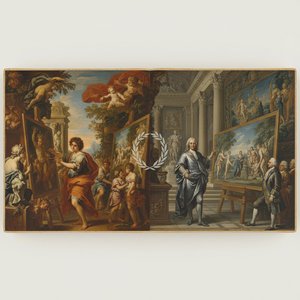
Simon Vouet: A Baroque Master's Journey from Italian Influence to French Classicism
Explore the life & art of Simon Vouet, a pivotal French Baroque painter who introduced Italian styles to France. Discover his masterpieces and lasting influence on 17th-century art.

Baroki draama ja luksus: Kuidas ajalooline elegants kaasaegsesse interjööri tuua
Avastage baroki maalide võlu OriginalUniqueArt'is! Käsitsi valmistatud reproduktsioonid, fotodest maalid ja ekspertkonsultatsioonid. Toome ajaloolise elegantsi Teie interjööri. Kvaliteet garanteeritud!
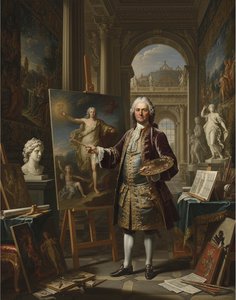
Charles Le Brun: Master of French Baroque Classicism & His Enduring Legacy
Explore the life & art of Charles Le Brun, master of French Baroque Classicism. Discover his royal commissions, influence on Versailles, and enduring legacy through detailed analysis & stunning artworks.

Celestial Messengers: Angels in Painting – A Historical & Artistic Exploration
Explore the captivating history of angels in painting! Discover symbolism, iconic Renaissance & Byzantine masterpieces, and renowned artists. Expert insights for art lovers & collectors at OriginalUniqueArt.