 Vaata sisu
 Jaga teost
 Jaga
Jaga
 Detailid
 Õppekate juhend

 Laadi alla
 Sarnased teosed
 Röntgenuuring
 Slaidietendus
 Statistika
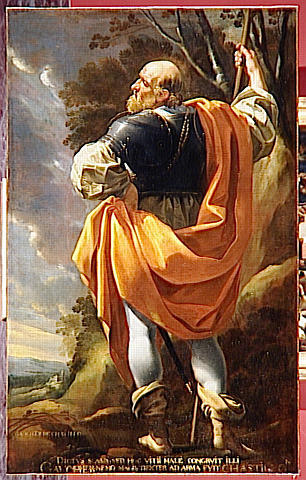
GAUCHER DE CHATILLON


 Loe lähemalt
Giclée / Kunstiprint
Muuseumikvaliteediga giclée- või kangasprint kiire tootmisega ja paindlikud viimistlusvõimalused. ( Telli käsitsi maalitud reproduktsioon Ülemineku digitaalse pildi müügi kanalisse)




P118B €10

P118H €10

P118W €10

P438Z €10

P508JH €12

P508YH €12

P805H €10

P805Z €10

P919BZ €10

P919G €10

P919XJ €10

P959ZH €10

P968JZ €12

W106C €8

W218G €10

W218JH €8

W218Y €10

W307PJ €10

W316G €10

W316PJ €8

W316Y €10

W398PJ €8

W4111J €10

W500HY €15

W500JH €15

W692G €12

W849H €8

W940BG €15

W953PJ €8




Vali meie eelmääratud suurused, mis vastavad teose algupärastele proportsioonidele.

Sisestage vajalik laius ja kõrgus, et see sobiks teie raamile või seinale. Trükki saab ainult lõigata, seda ei saa kunagi pildist suuremaks teha, seega ka differentse vormiga suurus kaotab osa pildist. Enne trükkimist saadame teile kinnitamiseks digitaalse näidisprojektsiooni. Sellel lehel näidatud pilt ei kujuta reaalset lõiget — seda näitab ainult näidisprojekttsioon.
Ülemaailmne tarne () 2 nädala jooksul, tavalise 4/5 nädala asemel. (21 oktoober)

Tasuta ekspresssaatmine üle maailma

Kõrgekvaliteediline lina-kangastest muld

Täielik transpordikindlustus

Tollimaksude tagastamise garantii

Värvitoime täpsuse garantii

100 päeva tagastusõigus (ainult defektide korral)

100% raha tagasi garantii

Hulgusoodustus
 Klaasivalik on saadaval ainult kuni 110 cm suuruses teostes

GAUCHER DE CHATILLON
Giclée / Kunstiprint
Reproduktsiooni mõõtmed
-


Lõppsumma
€ 70
A Glimpse into Nobility: Simon Vouet's "Gaucher de Châtillon"
Step into the world of 17th-century French Baroque artistry with this striking portrait of Gaucher de Châtillon, a significant figure rendered by the masterful hand of Simon Vouet. This captivating oil painting offers more than just a likeness; it's a window into an era defined by grandeur, religious contemplation, and burgeoning artistic innovation.
Subject & Historical Context
- The Subject: Gaucher de Châtillon (c. 1503 – 1569) was a prominent French military leader and diplomat, serving as Constable of France under King Francis I. His position placed him at the heart of significant political and military events during the Renaissance.
- Historical Significance: The painting reflects a period of transition in France, marked by religious tensions (the Reformation), evolving courtly life, and increasing influence from Italian artistic trends. Vouet's return to France after years spent immersed in the Italian Baroque scene played a crucial role in introducing these styles to the French court.
- Commission & Patronage: While the exact circumstances of this commission remain somewhat unclear, it’s likely that the portrait was intended for display within a noble household or perhaps even commissioned by Châtillon himself during his lifetime.
Baroque Style and Artistic Technique
- Baroque Characteristics: The painting exemplifies key characteristics of Baroque art – dramatic lighting (chiaroscuro), dynamic composition, and an emphasis on realism. Notice how the light source illuminates Gaucher's upper body, creating a powerful contrast with the shadows that define his form.
- Vouet’s Technique: Simon Vouet was renowned for his skillful use of oil paint. The visible brushstrokes contribute to the texture and depth of the work. Glazing techniques are evident in the subtle color variations within the skin tones and clothing, adding a richness and luminosity to the portrait.
- Compositional Elements: The vertical orientation emphasizes Gaucher’s stature and upward gaze, suggesting contemplation or reverence. The diagonal line created by his arm and staff draws the viewer's eye upwards towards the sky, further reinforcing this sense of spiritual seeking. The landscape in the background provides depth and context while not distracting from the central figure.
Symbolism & Emotional Impact
- Posture & Expression: Gaucher’s serious expression and dignified posture convey a sense of determination and authority. His upward gaze suggests introspection, perhaps reflecting on his military career or contemplating divine matters.
- Attire & Status: The classical attire – the armor and flowing garments – signifies Gaucher's nobility and high-ranking position within French society. The details in the clothing demonstrate Vouet’s attention to realism and his ability to capture the textures of different fabrics.
- Landscape as Symbolism: The cloudy sky and distant landscape could symbolize the vastness of time, the uncertainties of life, or even a sense of divine presence overseeing human affairs.
A Timeless Masterpiece
“Gaucher de Châtillon” by Simon Vouet is more than just a portrait; it's a testament to the artistic brilliance of the Baroque era and a fascinating glimpse into the life of a significant historical figure. Its dramatic lighting, meticulous detail, and evocative symbolism combine to create a work that continues to captivate viewers centuries later.
Küsimused ja vastused
Kas saan teost "GAUCHER DE CHATILLON" lähemalt uurida?
Teose „GAUCHER DE CHATILLON“, autor Simon Vouet röntgenvaade on saadaval selle Röntgenkiirgus lehel: see on interaktiivne pildi uurimine läbi üheksateist optilise kihti.
Kes lõi "GAUCHER DE CHATILLON"?
Teose "GAUCHER DE CHATILLON" looja on Simon Vouet. Teos on kataloogitud nime Simon Vouet all.
Kui palju valgust tundub värvid teosele "GAUCHER DE CHATILLON" peegeldatav olevat?
Teose „GAUCHER DE CHATILLON“, autor Simon Vouet kirjeldatud luminants on Soft Shadow.
Kunstniku elulugu
Simon Vouet: Prantsilinejadaja Prantsuse Barokika Maalegi
- Sündinud: 9. janel, 1590, Pariis, Prantsus
- Survenud: 30. juuni, 1649, Pariis, Prantsus
Simon Vouet oli keeruline isik Prantsuse maaliku süutmises Mannerismist Barokika stiilima. Sündides kunstlikusse perere – tema isa Laurent oli maaler ja tema vend Aubin püüdis ka kunsti – sai Vouet varajase koolituse, mis loomis alusta tema tulevikule edukusele. Tema lapselaps, Ludovico Dorigny, jätkas pereli kunstlikku pärandi.
Varane Karjääri ja Itaalia Vaikus (1608–1627)
- Varane Portreteerimine: Vouet alustas oma karjääri portreteerijana, näites varajase talendi.
- Säiled Inglismaalasse (1608): Noore ning 14-näeldesel aastal reisis ta Inglismaale tellitud portreedi maalima, näites oma kasvava maine.
- Ottomaania Imperium ja Venetsia: 1611. aastal liitus Vouet Baron de Sancy rühmaga, Prantsuse ambassjaor Ottomaania imperiumis, uuesti portreteerimise tööga. See reis viis ta Konstantinopelisse ja seejärel 1612. aastal Venetsia.
- Rooma (1614–1627): Tema ajal Roomas tõldi muuta. Ta jäi sinna kolmte aasta jooksul, süvenemata end kasvava Barokika perioodi elujõulisse kunstlikusse arengule.
Tema Itaalia ajajal absorbeeris Vouet mitmeid erinevaid mõjuallusid. Ta õppis Caravaggio poolt pioneeritud dramaatilisi valgusvõte tehnikaid, omaks võttis Itaalia Mannerismi elemente ja süvenelt analüüsis Paolo Veronese kasutatavaid värvipalette ja di sotto in su (vahekülik perspektiivi). Ta sai inspiratsiooni ka Carracci, Guercinost, Lanfrancost ja Guido Renist teostest, sünteesides need erinevad stiilid ainulaadse kunstliku visiooni.
Voueti Unikaalse Stiili Arendus
- Valimine Accademia di San Luca jäksel (1624): Tema edukus Roomas viis teda prestižiilisse Accademia di San Luca presidendiks, mis oli tõestus tema oskusest ja tunnustamisest Itaalia kunstmaailmas.
- Mõjualluste Süntees: Voueti stiili iseloomustas tema võime absorbeerda ja destilleerida erinevaid kunstlikke mõjuallusi. Ta ei lihtsalt kopeerinud; ta integreeris need elemendid kooskõlasse ja selgelt itaalia sündmuste Barokika esteetika.
- Barokika Tuvedmine Prantsuses: 1627. aastal Prantsuse tagasi saabudes mängis Vouet kriitilist rolli Itaalia Barokika stiili tuvedmisel Prantsuse maalile, mõjutades märkimisväärselt riigi kunstlikku maastikku.
Peamised Saavutused ja Pärand
- Premier Peintre du Roi: Vouet sai titteli Premier peintre du Roi (Kuninga esimene maalaja) – kohaks, mis oli märkimisväärne prestiži ja mõju.
- Üleabundav Tegemiskoht: Ta hoitis suurte ja aktiivse tegemiskohtu, koolitades paljut kunstnike, kes vormidasid edaspidist Prantsuse maalijaputke.
- Märkimisväärsed Oppilased: Tema mõjuvivaimad oppilased olid Charles Le Brun (kes hiljem korraldas Versailles'de kogu dekoratiivse maalingat), Valentin de Boulogne, Charles Alphonse du Fresnoy, Pierre Mignard, Eustache Le Sueur ja Claude Mellan.
- Mõju Prantsuse Kunstil: Voueti mõju ulestus tema oma teostest; tema õpilased võtsid tema stiili ja tehnikaid üle kogu Prantsuse, luues selgelt Barokika maaliku kooli. Tema mõju on eriti nähtav Louis XIV tellitud suurtes dekoratiivsetes skeemides.
Histooriline Tähtsus
Simon Voueti pärand põhineb tema keerulisel rollil Itaalia ja Prantsuse kunsti vahel sillana. Ta võttis edukalt Itaalia Barokika dünaamika ja grandioosi, muuta selle stiiliks, mis kõnetas Prantsuse hovi ja aristokraatia maitseid. Tema mõju on eikaartlik 17. sajanni Prantsuse maaliku arengu jooksul, ja tema panused jäävad kunstihistoorikute jaoks tänapäeval tunnustatud.

Simon Vouet
1590 - 1649 , Prantsus
Lühikest infot
- Artistic Movement Or Style: Barokipainting
- Artists Or Movements Influenced By This Artist:
- Charles Le Brun
- Valentin de Boulogne
- Prantsuse barokipainting
- Artists Who Influenced This Artist:
- Caravaggio
- Paolo Veronese
- Carracci
- Guercino
- Lanfranco
- Guido Reni
- Date Of Birth: 9. tasanapäeval, 1590
- Date Of Death: 30. juunil, 1649
- Full Name: Simon Vouet
- Nationality: Prantsuse
- Place Of Birth: Pariis, Prantsus
Sarnased artiklid
Baroque Classicism: Reconciling Drama & Order in 17th-Century Art
Explore the captivating world of Baroque Classicism! Discover its history, key artists like Caravaggio & Rubens, and defining characteristics. Expert insights & high-quality reproductions at OriginalUniqueArt.

Baroque Classicism: The Grandeur of Order and Drama in 17th-Century Art History
Explore the profound elegance of Baroque Classicism. Discover how 17th-century masters synthesized dramatic emotion with classical order through the lens of the Counter-Reformation and the works of legends like Carlo Maratta and Andrea Sacchi.
Charles Le Brun: Master of French Baroque Classicism & His Enduring Legacy
Explore the life & art of Charles Le Brun, master of French Baroque Classicism. Discover his royal commissions, influence on Versailles, and enduring legacy through detailed analysis & stunning artworks.
Baroque Classicism: A Professional Guide to Integrating Timeless Grandeur into Luxury Hotel Interiors
Elevate luxury hospitality with Baroque Classicism. Our guide for hotel designers explores integrating grand, classical oil reproductions into professional interiors. Discover efficient bulk procurement, custom sizing, and large-format murals to create timeless, high-impact spaces.
Simon Vouet: A Baroque Master's Journey from Italian Influence to French Classicism
Explore the life & art of Simon Vouet, a pivotal French Baroque painter who introduced Italian styles to France. Discover his masterpieces and lasting influence on 17th-century art.