

 Eelvaade
 Saada
Saada Jaga
Jaga
 Teave teose kohta

 Laadi alla
 Sarnased teosed
 Röntgenuuring
 Slaidietendus
 Statistika
Theodore Roosevelt
 63.0 x 47.0 cm
 Smithsonian American Art Museum
 Loe lähemalt
Käsitsi valmistatud õlimaalireproduktsioon
Meie kunstnike poolt tellimusel valmistatud käsitsi maalitud õli-kainaste teos teie soovitud suuruses ja raamis. ( Lülita trükkitoodetele Ülemineks digitaalse pildiga müügi kanalisse)




P118B $10

P118H $10

P118W $10

P438Z $10

P508JH $12

P508YH $12

P805H $10

P805Z $10

P919BZ $10

P919G $10

P919XJ $10

P959ZH $10

P968JZ $12

W106C $8

W218G $10

W218JH $8

W218Y $10

W307PJ $10

W316G $10

W316PJ $8

W316Y $10

W398PJ $8

W4111J $10

W500HY $15

W500JH $15

W692G $12

W849H $8

W940BG $15

W953PJ $8




Vali meie eelmääratud suurused, mis vastavad teose algupärastele proportsioonidele.

Sa võite sisestada oma mõõtmed konkreetse raami või ruumi sobivuse tagamiseks. Kui teie valitud suurus ei vasta originaalpildi proportsioonidele, siis kärvime kunstiteost või laiendame maali täiendavate käsitsi maalitud elementidega. Enne tootmise algust saadetakse teile heakskiitmiseks digitaalne eelvaade.
Palun pidage meeles, et ekraanil kuvatav eelvaade ei kajasta tegelikku kärpimist või laiendamist. Ainult eelvaade näitab täpselt lõplikku kompositsiooni.
Kuigi on saadaval kohandatud suurused, soovitame originaalproportsioonide säilimiseks valida mõõdud eelmääratletud nimekirjast.
Pärast tellimust saadab OriginalUniqueArt.com meeskond kliendile e-posti juhised ning esitab eelvaate kavandi.
Maailmline tarne 3–4 nädala jooksul tavalise 5 nädala asemel. (19 september). Kvaliteedis kompromisse ei tehta.

Tasuta ekspresssaatmine üle maailma

Kõrgekvaliteediline linakangas

Täielik transpordikindlustus

Tollimaksude tagastamise garantii

Värvitoime täpsuse garantii

100 päeva tagastusõigus (ainult tootmisdefektide korral)

100% raha tagasi garantii

Hulgusoodustus
 Klaasivalik on saadaval ainult suuruses kuni 110 cm

Theodore Roosevelt
Reproduktsiooni tehnika
Reproduktsiooni suurus
-


Kogusumma
$ 300
Kunstniku elulugu
Charles Burton Barber: A Painter of Childhood and Canine Companionship
Charles Burton Barber (1845-1894) emerged as a prominent figure in late 19th-century British art, distinguished by his captivating portrayals of children and their beloved pets. Born in Great Yarmouth, Norfolk, into a family with artistic roots – his father was a woodcarver – Barber’s early life instilled within him an appreciation for visual detail and craftsmanship. He embarked on his formal training at the Royal Academy in London in 1864, receiving a silver medal for drawing, marking a promising start to his career. This foundation provided him with the technical skills necessary to excel in his chosen subject matter: intimate scenes of domestic life centered around children and their animal companions. Barber’s artistic journey was shaped by several key influences. The Royal Academy itself offered exposure to established artists and contemporary trends, while his studies at the Royal Institute of Oil Painters further honed his technique. Notably, he drew inspiration from the realism prevalent in the art world at the time, yet he possessed a remarkable ability to infuse his work with a gentle sentimentality that resonated deeply with audiences. His paintings weren’t merely depictions of animals; they were imbued with an emotional warmth and a sense of connection between humans and their furry friends – a theme particularly popular during the Victorian era. The influence of Walter Crane, another influential children's book illustrator, can be seen in Barber’s approach to composition and detail, though Barber’s work retained a distinct realism that set him apart.- Royal Commissions: Barber gained considerable recognition through his portraits commissioned by the Royal Family. He painted Queen Victoria alongside her grandchildren and cherished dogs, including the iconic *Queen Victoria with John Brown* (1894), a poignant image capturing a moment of familial affection. Similarly, he created portraits for Prince Edward (later King Edward VII) and his own pets, solidifying his position as a favored artist within the royal circles.
- Specialization: Barber’s primary focus remained on sentimental depictions of dogs – often accompanied by children – capturing their playful antics and affectionate bonds. His paintings ranged from meticulously detailed studies to quick, impressionistic sketches, demonstrating versatility in his technique.
- Prints and Popularity: Recognizing the growing demand for his work, Barber embraced the medium of photogravure, producing numerous prints based on his most beloved paintings. These prints, particularly *Off To School* (1883), achieved widespread popularity, contributing significantly to his enduring legacy.
A Realistic Approach with Sentimental Undertones
Barber’s artistic style can be characterized as a refined form of realism, tempered by an undeniable emotional sensitivity. He possessed a keen eye for detail, meticulously rendering the textures of fur, clothing, and domestic settings. However, he avoided overly literal representations, instead imbuing his scenes with a gentle warmth and a sense of idealized happiness. This combination of technical skill and heartfelt emotion is what truly distinguished Barber’s work from that of many of his contemporaries. His paintings weren't simply accurate portrayals; they were carefully constructed narratives designed to evoke feelings of nostalgia, affection, and the simple joys of childhood.- Technique: Barber employed a loose, expressive brushstroke, prioritizing capturing the essence of the subject rather than striving for photographic precision.
- Composition: His compositions often featured dynamic arrangements, utilizing diagonal lines and carefully positioned figures to create a sense of movement and engagement.
- Color Palette: He favored a muted color palette, dominated by warm earth tones and soft pastels, contributing to the overall feeling of intimacy and tranquility in his paintings.
Legacy and Influence
Despite facing competition from later artists like Arthur Elsley who specialized in similar subjects, Charles Burton Barber maintained considerable popularity throughout his lifetime. His work was exhibited at prestigious venues such as the Royal Academy, Walker Art Gallery, and Manchester Art Gallery, demonstrating its continued appeal to a broad audience. Many of his paintings found their way into public collections, including the Lady Lever Art Gallery in Port Sunlight, ensuring that his legacy would endure. Barber’s influence extends beyond his individual works; he helped establish a niche for artists specializing in children and animals, paving the way for future generations to explore these themes with sensitivity and artistry. His paintings continue to be admired for their charming depictions of domestic life and the enduring bond between humans and their beloved pets – a timeless subject that resonates with viewers across generations. His work serves as a poignant reminder of the simple pleasures and emotional connections that enrich our lives.Further Resources
* **Wikipedia:** https://en.wikipedia.org/wiki/Charles_Burton_Barber * **Rehs Galleries, Inc.:** http://www.rehs.com/visual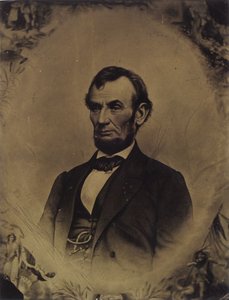
sidney lincoln smith
1845 - 1929 , United States of America
Lühikesed faktid
- Artistic Movement Or Style: Realism
- Artists Or Movements Influenced By This Artist: ['Arthur Elsley']
- Artists Who Influenced This Artist: ['Walter Crane']
- Date Of Birth: 1845
- Date Of Death: 1894
- Full Name: Charles Burton Barber
- Nationality: British
- Notable Artworks:
- Suspense
- Off To School
- Queen Victoria with John Brown
- Place Of Birth: Great Yarmouth, Norfolk