

 Vaata sisu
 Jaga teost
 Jaga
Jaga
 Detailid
 Õppekate juhend

 Laadi alla
 Sarnased teosed
 Röntgenuuring
 Slaidietendus
 Statistika
Grass and Insects


 Loe lähemalt
Giclée / Kunstiprint
Muuseumikvaliteediga giclée- või kangasprint kiire tootmisega ja paindlikud viimistlusvõimalused. ( Telli käsitsi maalitud reproduktsioon Ülemineku digitaalse pildi müügi kanalisse)




P118B €10

P118H €10

P118W €10

P438Z €10

P508JH €12

P508YH €12

P805H €10

P805Z €10

P919BZ €10

P919G €10

P919XJ €10

P959ZH €10

P968JZ €12

W106C €8

W218G €10

W218JH €8

W218Y €10

W307PJ €10

W316G €10

W316PJ €8

W316Y €10

W398PJ €8

W4111J €10

W500HY €15

W500JH €15

W692G €12

W849H €8

W940BG €15

W953PJ €8




Vali meie eelmääratud suurused, mis vastavad teose algupärastele proportsioonidele.

Sisestage vajalik laius ja kõrgus, et see sobiks teie raamile või seinale. Trükki saab ainult lõigata, seda ei saa kunagi pildist suuremaks teha, seega ka differentse vormiga suurus kaotab osa pildist. Enne trükkimist saadame teile kinnitamiseks digitaalse näidisprojektsiooni. Sellel lehel näidatud pilt ei kujuta reaalset lõiget — seda näitab ainult näidisprojekttsioon.
Ülemaailmne tarne () 2 nädala jooksul, tavalise 4/5 nädala asemel. (26 oktoober)

Tasuta ekspresssaatmine üle maailma

Kõrgekvaliteediline lina-kangastest muld

Täielik transpordikindlustus

Tollimaksude tagastamise garantii

Värvitoime täpsuse garantii

100 päeva tagastusõigus (ainult defektide korral)

100% raha tagasi garantii

Hulgusoodustus
 Klaasivalik on saadaval ainult kuni 110 cm suuruses teostes

Grass and Insects
Giclée / Kunstiprint
Reproduktsiooni mõõtmed
-


Lõppsumma
€ 70
Shin Saimdang’s “Grass and Insects”: A Symphony of Color and Quiet Observation
Shin Saimdang (1504–1551), a trailblazing female artist in Joseon dynasty Korea, stands as an emblem of intellectual curiosity and artistic prowess—a woman who defied societal constraints to pursue her passions for poetry, calligraphy, and painting. Her legacy resides not merely in the exquisite beauty of her artwork but also in its profound reflection of the era’s cultural values and philosophical ideals. This examination delves into “Grass and Insects,” one of her most celebrated panels from a monumental ten-panel folding screen—a masterpiece that encapsulates Saimdang's distinctive artistic vision and offers invaluable insight into Korean art history.A Window Into Joseon Aesthetic Principles
“Grass and Insects” exemplifies the dominant aesthetic sensibilities of the late 16th century, characterized by meticulous detail, harmonious color palettes, and a reverence for nature’s subtle grandeur. The screen embodies Neo-Confucian ideals—a belief system that prioritized moral cultivation alongside intellectual pursuits—reflected in Saimdang's careful composition and her masterful execution of brushstrokes. Unlike Western art traditions focused on dramatic narratives or idealized figures, Korean painting during this period favored contemplative scenes depicting landscapes and flora, intended to inspire serenity and contemplation. The screen’s overall design adheres to the principles of “Yonghwa,” meaning “harmonious beauty”—a concept central to Joseon artistic philosophy that sought to achieve balance between form and content.Technique and Material Considerations
Saimdang employed a technique rooted in meticulous observation and painstaking layering—a hallmark of Korean painting at the time. Using mineral pigments mixed with animal glue, she achieved remarkable luminosity and vibrancy, capturing the delicate textures of grass blades and the iridescent sheen of insects’ wings. The screen's surface is covered with thin layers of lacquer, providing protection while enhancing the colors and creating a tactile experience for the viewer. Furthermore, Saimdang skillfully utilized “Ma,” or negative space—a technique that deliberately leaves areas unfilled to create visual balance and emphasize the subject matter—demonstrating an understanding of compositional principles that transcended mere representation. The careful blending of pigments and meticulous brushwork contribute to the screen’s enduring beauty and artistic significance.Symbolism: Echoes of Confucian Thought
Beyond its technical brilliance, “Grass and Insects” resonates with deeper symbolic meanings rooted in Confucian cosmology—a worldview that viewed humanity as intrinsically linked to the natural world. The depiction of various insects—including beetles, dragonflies, cicadas, and moths—represents transformation and renewal—themes central to Confucian teachings concerning reincarnation and moral progress. Similarly, the inclusion of flowers like hibiscus, poppies, and lilies symbolizes purity and virtue—values upheld by Joseon society as markers of moral excellence. The meticulous rendering of grass blades underscores the importance of simplicity and humility—qualities considered essential for achieving inner harmony and cultivating compassion.Emotional Resonance: A Moment Frozen in Time
“Grass and Insects” transcends mere visual representation; it evokes a profound emotional response—a feeling of tranquility and appreciation for the beauty of the natural world. The screen’s muted color palette—dominated by greens, blues, and reds—creates an atmosphere of serenity and contemplation—inviting viewers to pause and reflect on the passage of time. Saimdang's masterful brushwork conveys a sense of quiet observation—capturing not just what is seen but also what is felt—a testament to her artistic sensitivity and her ability to communicate complex ideas through subtle visual cues. Viewing this artwork inspires contemplation about the interconnectedness of humanity and nature, reminding us of the enduring power of art to elevate our spirits and enrich our understanding of the human experience.Concluding Remarks: An Artistic Legacy Enduring Through Centuries
Shin Saimdang’s “Grass and Insects” remains a cornerstone of Korean art history—a testament to her artistic genius and her unwavering commitment to intellectual pursuits. Its harmonious composition, masterful technique, and evocative symbolism continue to captivate audiences today—serving as an enduring reminder of Joseon dynasty Korea's aesthetic ideals and its profound appreciation for the natural world. The screen’s legacy extends beyond its visual splendor; it embodies a spirit of contemplation and moral cultivation—values that resonate powerfully across cultures and generations—solidifying Saimdang’s place as one of Korea’s most celebrated artists and an inspiration to aspiring creatives everywhere.Küsimused ja vastused
Millise kunstisuunaga kuulub teos „Grass and Insects“, autor Shin Saimdang nn-väljendisse?
Teos „Grass and Insects“, autor Shin Saimdang kuulub Joseon Dynasty Art suunasse. See suund annab teosele stilistilise konteksti.
Millist kasutusviisi ja ruumi on „Grass and Insects“, autor Shin Saimdang jaoks soovitatav?
Teos "Grass and Insects" on soovitatav kasutada Accent jaoks ning selleks soovitatav ruum on Living Room.
Kas teose „Grass and Insects“, autor Shin Saimdang pilt on vabalt reproduseeritav?
Teos „Grass and Insects“, autor Shin Saimdang kuulub lubaõigusliku staatuse avalikus õiguses – selle autoriõigud onหมดunud alla. See staatus reguleerib teose pildi reprodüseerimise võimalusi.
Kunstniku elulugu
etträndiline naiskunstnik Joseoni dinastia Koreas
shin saimdang, mitmekülgne Lõhja-Korea kunstnik, elas Joseoni perioodil, jättides Korea kunstile ajatuva jälje. Sündinud 29. oktoobril 1504 Gangneungis, Gangwoni provintsis, ei olnud ta vaid maalidaja, vaid ka kirjanik, kalligraaf ja luuletaja.varajane elu ja kunstiline algus
shin saimdangi kunstiline talent oli ilmne juba varasest poisist peale. Tikandpenas seitseteastasena imiteeris ta veel ühe prominentse Korea kunstniku, an gyeon, maalidusti. Tema sünnipaik, ojukheon, mis on samuti tema emapoe side, on säilinud alles tänapäevani.kunstiline panus ja stiil
shin saimdangi maalid, mida iseloomustavad peened pintoonid ja elavad värvid, on osa kümnelemplisest kordaga ekraanist. Tema teosed, nagu rohud ja putukad, sisaldavad laia valikut teemasid, sealhulgas arbuudid, munvadakad, soohtud, hibiskusid ja erinevad putukad. Neid maalid saab leiduda Korea riiklikus muuseumis (Seul, Lõhja-Korea), kus need jätkavad kunstihuviliste inspireerimist.- vaadake shin saimdangi teoseid OriginalUniqueArt poes: https://OriginalUniqueArt.com/@/shin-saimdang
- uurige Korea riikliku muuseumi kogumust: /en/art/show/national-museum-of-korea-seoul/
- avastage rohkem Joseoni dinastia kunstiliikumist: the joseon dynasty art movement
pärand ja mõju
shin saimdangi pärand ulatub kaugemale tema kunstiteostest, kuna teda tuntakse ka kui Joseoni dinastia kuulsuse nimet yi i ema. Tema elu ja töö toimivad paljude inspiratsioonina, kehastades Joseoni perioodi Korea kunsti olemust. olulised teosed shin saimdangi nimel:- rohud ja putukad (Korea riiklik muuseum, Seul, Lõhja-Korea)
- muud märkimisväärsed teosed, mis on tuntud peene pintooni ja selge elavate värvide poolest ning on osa kümnelemplisest kordaga ekraanist.
- an gyeon, veel üks prominentne Korea maalidaja varajase Joseoni perioodi ajal.

Shin Saimdang
1504 - 1551 , Lõuna-Korea
Lühikest infot
- Artistic Movement Or Style: Joseoni dynastii kunst
- Artists Or Movements Influenced By This Artist: Joseoni dynastii kunst
- Artists Who Influenced This Artist: An Gyeon
- Date Of Birth: 29. oktoober 1504
- Date Of Death: 1551
- Full Name: Shin Saimdang
- Nationality: Koreaan
- Notable Artworks: ['Rohud ja putukad']
- Place Of Birth: Gangneung, Lõuna-Korea
Sarnased artiklid
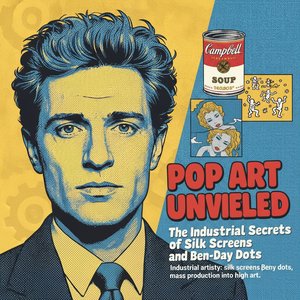
Pop Art Unveiled: The Industrial Secrets of Silk Screens and Ben-Day Dots
Explore the industrial artistry of Pop Art. Delve into the sophisticated history of Ben-Day dots and silk screen techniques that transformed mass media into high art, perfect for discerning collectors seeking deep historical insight and aesthetic excellence.
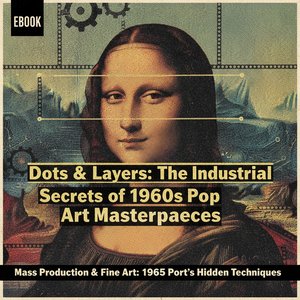
Dots & Screens: The Industrial Secrets Behind 1960s Pop Art Masterpieces
Explore the industrial secrets of 1960s Pop Art. Discover how Ben-Day dots and silk screening transformed mass media into masterpieces by Roy Lichtenstein. An in-depth look at the intersection of mechanical printing and fine art history for students and collectors.

Beyond the Screen: Transforming Personal Memories into Timeless AI-Driven Anime Masterpieces
Experience the magic of digital metamorphosis. Transform your cherished photos into stunning, hand-painted anime masterpieces using our proprietary AI technology and professional artists. Elevate your personal story with a timeless, high-quality oil painting on canvas.
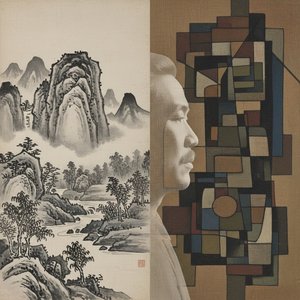
Yi Eungro: Bridging East & West in the Landscape of Korean Modernism
Explore the captivating world of Yi Eungro (Lee Ungno), a pivotal figure in Korean modernism. Discover his unique fusion of Eastern and Western artistic traditions, abstract masterpieces, and lasting legacy. A must-read for discerning art collectors.
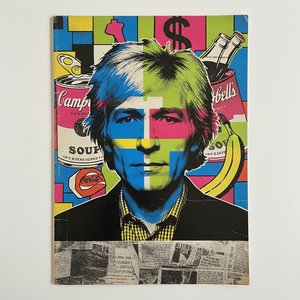
Andy Warhol: Deconstructing Pop Culture & Redefining Artistic Expression
Explore the revolutionary art of Andy Warhol & the Pop Art movement. Discover his iconic techniques, cultural impact, and investment potential. A guide for discerning collectors.