Renaissance
St. Jerome (Sandro Botticelli)
Sandro Botticelli (1445–1510) on loonud teose St. Jerome. See kuulub Renaissance suuntrime. Teos on valmistatud materjalist Oil On Panel. Teos asub Hermitage muuseum kogamuses Stiiitlinburg, Vene.
- Oil On Panel
- Hermitage muuseum, Stiiitlinburg

 Eelvaade

 Käsitsi maalatud õlimaalatsioon
 Saada
 Jaga
 Teave teose kohta


 Laadi alla
 Sarnased teosed
 Röntgenuuring
 Slaidietendus
 KÜSIMUSED JA VASTUSID

 Statistika
St. Jerome lühidalt
- Pealkiri
- St. Jerome
- Kunstnik
- Sandro Botticelli (1445–1510)
- Kunstnik on sündinud
- Firenze, Itaalia
- Tehnika
- Oil On Panel
- Kus seda näeb
- Hermitage muuseum, Stiiitlinburg, Vene
- Suunad
- Renaissance
- Aeglkond
- Renaissance
- Teema
- religious lamentation, medieval grief scene, renaissance figures, classical composition, memento mori theme, oil painting technique
Mida St. Jerome kujutab?
A Moment of Profound Grief: Exploring Botticelli’s *St. Jerome*
Sandro Botticelli's *St. Jerome*, a poignant depiction of sorrow and contemplation, offers a captivating glimpse into the artistic sensibilities of the Early Renaissance. While often overshadowed by his more celebrated mythological works like *The Birth of Venus*, this painting reveals Botticelli’s mastery of religious iconography and emotional depth.
Subject & Narrative
- A Scene of Lamentation: Though initially identified as the Lamentation, recent scholarship suggests this work depicts St. Jerome in his final moments, receiving communion before death. The central figure, surrounded by mourners, is likely not Joseph of Arimathea but figures expressing grief over the saint’s impending passing.
- St. Jerome – A Scholar and Ascetic: Saint Jerome (c. 347–420 AD) was a prominent theologian and translator of the Bible into Latin (the Vulgate). His life, marked by both scholarly pursuits and periods of intense asceticism, makes him a compelling subject for artistic representation.
- Setting the Stage: The rocky, cave-like setting evokes a sense of seclusion and spiritual retreat. This isolated location emphasizes the solemnity of the occasion and invites contemplation on mortality.
Artistic Style & Technique
- Renaissance Linearity: Botticelli’s style is characterized by elegant, flowing lines that define forms with precision. This linearity bridges the gap between the late Gothic and Early Renaissance aesthetics.
- Oil on Panel – A Flourishing Medium: Executed in oil on panel, the technique allows for subtle gradations of color and a smooth application of paint, enhancing the realism of the figures and drapery.
- Subdued Palette & Dramatic Lighting: The painting employs a subdued color palette, dominated by earth tones and muted hues. This is contrasted with dramatic lighting that highlights the central figure and casts shadows, intensifying the emotional impact.
- Perspective & Composition: While perspective isn’t fully developed as in later Renaissance works, Botticelli utilizes layering and overlapping forms to create a sense of depth within the confined space. The composition draws the viewer's eye towards St. Jerome through strategic arrangement and contrast.
Symbolism & Iconography
- Mortality & Remembrance: Symbolic elements, such as a skull (a *memento mori*), serve as reminders of human mortality and the transient nature of life.
- Religious Devotion: The act of receiving communion underscores St. Jerome’s unwavering faith and devotion to God in his final moments.
- The Mourners: The surrounding figures represent the grief and sorrow felt by those witnessing the saint's passing, emphasizing the human cost of spiritual dedication.
Historical Context & Legacy
- Florentine Renaissance: Created during the vibrant artistic climate of Florence in the late 15th century, *St. Jerome* reflects the humanist ideals and religious fervor of the period.
- Botticelli’s Diverse Oeuvre: While renowned for his mythological paintings, Botticelli also produced numerous religious works, demonstrating his versatility as an artist.
- Rediscovery & Appreciation: Like many Renaissance masters, Botticelli's work experienced a period of relative obscurity before being rediscovered and celebrated by the Pre-Raphaelites in the 19th century.
Emotional Impact & Interpretation
St. Jerome* evokes feelings of profound sadness, reverence, and contemplation. The painting invites viewers to reflect on themes of mortality, faith, and the human condition. Its quiet intensity and masterful execution make it a compelling work of art that continues to resonate with audiences today.
Kumba muuseumis asub teos St. Jerome?
Hermitage muuseum
Stiiitlinburg, Vene
Hermitage muuseumi algupärad ja ajalugu Hermitage muuseumi lugu sai alguse aastal 1764, mil Berliini kaupmees Johann Ernst Gotzkowsky müüs 225 maali sisaldava kogumiku. See ajalooline teginus sai alguse suure printsess Catherine II ehk Suure Caterina käest, kes otsustas need teosed oma omandisse võtta, moodustades nii muuseumi vundamendi Saint Peterburgis, Venemaal. Need esimesed omandused moodustasid tugevad juured ja tugeviku sellele, mis kujunes hiljem üheks maailma tohutuks lääne Euroopa kunstipärandiks.


St. Jerome kõrge resolutsiooniga pildid
Avalik omanik: kunstnik suri aastal 1510.
Sandro Botticelli, St. Jerome, Hermitage muuseum. Avalik omaniklik õigus
Küsimused teemal St. Jerome – vastused
Kust saab teose „St. Jerome“, autor Sandro Botticelli täna vaadata?
Originaalteost „St. Jerome“, autor Sandro Botticelli hoiustatakse Hermitage muuseum, Stiiitlinburg, Vene muuseumis. Reproduktsioon võimaldab teost koduses keskkonnas esitleda.
Millist tehnikat teose „St. Jerome“, autor Sandro Botticelli valmistamisel kasutati?
Teose "St. Jerome" loomisel kasutas Sandro Botticelli Oil On Panel tehnikat. See tehnika määrab originaalteose materjalilise olemuse.
Millised teemad teoses „St. Jerome“, autor Sandro Botticelli esile tõelve?
Teemad, mis teoses „St. Jerome“, autor Sandro Botticelli esinevad, hõlmavad religious lamentation, medieval grief scene, renaissance figures, classical composition, memento mori theme, oil painting technique, symbolic imagery. Koos need kokkuvõtavad teose sisu.
Kas teos "St. Jerome" on ilma autoriõigusteta?
Tegijateõiguse osas on teos "St. Jerome" kuuluv klassifikatsiooni alla: avalikus õiguses – selle autoriõigud onหมดunud.
Millisele kunstnikule on teos "St. Jerome" atribuutseeritud?
Teose "St. Jerome" looja on Sandro Botticelli. Teos on kataloogitud nime Sandro Botticelli all.
Millissele kunstisuunale kuulub teos „St. Jerome“, autor Sandro Botticelli?
Teos „St. Jerome“, autor Sandro Botticelli kuulub Renaissance suunasse. See suund annab teosele stilistilise konteksti.
Millist etap Sandro Botticelli loomingus teos "St. Jerome" esindab?
Sandro Botticelli loomingus kuulub teos "St. Jerome" perioodi Mature Renaissance. See etap aitab seda võrdida kunstniku teiste töödega.
Miks on teose "St. Jerome" autoriõiguste staatus selline, nagu see on?
Sandro Botticelli teos "St. Jerome" on avalikus õiguses – selle autoriõigud onหมดunud. Autoriõiguse kaitseajad arvutatakse alates kunstniku surmaõigustest ning Sandro Botticelli suri aastal 1510.
Kas teost "St. Jerome" peetakse kunstniku kodumaal?
Ei – teos asub välismaal. Sandro Botticelli sündis riigis Itaalia ning teose "St. Jerome" algorig on säilitatud muuseumis, mis asub riigis Vene.
Kunstnikust, Sandro Botticelli
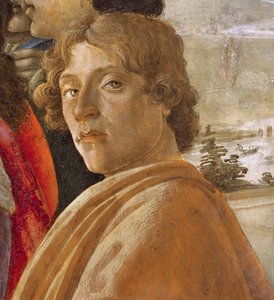
1445–1510, Itaalia
Sandro Botticelli
Sandro Botticellis elu Sandro Botticelli elas oma elu Itaalia Firenzes, liigudes mööda linna kitsaid ja töölisi täis elu täis tänavasid. Sündis umbes aastal 1445 nimega Alessandro di Mariano di Vanni Filipepi ning oli nahavabriku omaniku poeg. Tema pere elas Ognissanti naaberkonnas, mis jäi talle lähedaseks kogu tema elu jooksul. Aja jooksul sai ta tuntud nimega Botticelli – see on surnime, mis pärineb sõnast botticello, viidates väikesele veinivaadile või tünnile.
Teel Sandro Botticelli kohta Sandro Botticelli silmapaistvad teosed
Ka Sandro Botticelli teosed
 Experience Sandro Botticelli’s ‘Birth of Venus’! A Renaissance masterpiece showcasing classical beauty & grace. Own a stunning reproduction of this iconic artwork – timeless elegance awaits.
The Birth of Venus
artworks_database
/en/art/sandro-botticell1485
 Primavera1482
 Venus ja Mars1483
 Maagia kummardamine
Essee teemadel St. Jerome
 25 Masterpieces by Sandro Botticelli: The Ultimate Guide to Renaissance BeautyJourney through the ethereal beauty of Sandro Botticelli's greatest works. From The Birth of Venus to his mythic Renaissance masterpieces, …
 The Scholar and the Hermit: Examining the Iconography of Saint Jerome in Renaissance and Baroque ArtExplore the profound iconography of Saint Jerome through Renaissance and Baroque masters. Discover the secrets of sacred art history now.
 Master of Shadow: The Top 25 Essential Artworks by Jusepe de RiberaExplore 25 iconic works by Jusepe de Ribera. Master the drama of Baroque tenebrism. Discover all masterpieces on OriginalUniqueArt.com.