Eelvaade
 Saada
Saada Jaga
Jaga
 Teave teose kohta
 Juhend

 Laadi alla
 Sarnased teosed
 Röntgenuuring
 Slaidietendus
 KÜSIMUSED JA VASTUSID
 Statistika
Last Communion of St. Jerome


 Loe lähemalt
Giclée / Kunstiprint
Muuseumikvaliteediga giclée- või kangasprint kiire tootmisega ja paindlikud viimistlusvõimalused. ( Osta käsitsi maalatud teos Lülita digitaalse pildi juurde)




P118B €10

P118H €10

P118W €10

P438Z €10

P508JH €12

P508YH €12

P805H €10

P805Z €10

P919BZ €10

P919G €10

P919XJ €10

P959ZH €10

P968JZ €12

W106C €8

W218G €10

W218JH €8

W218Y €10

W307PJ €10

W316G €10

W316PJ €8

W316Y €10

W398PJ €8

W4111J €10

W500HY €15

W500JH €15

W692G €12

W849H €8

W940BG €15

W953PJ €8




Vali meie eelmääratud suurused, mis vastavad teose algupärastele proportsioonidele.

Sisestage vajalik laius ja kõrgus, et see sobiks teie raamile või seinale. Trükki saab ainult lõigata, seda ei saa kunagi pildist suuremaks teha, seega ka erineva mustega suurus kaotab osa pildist. Enne trükkimist saadame teile kinnitamiseks digitaalse näidisprojektsiooni. Sellel lehel näidatud pilt ei kujuta reaalset lõiget — seda näitab ainult näidisprojektsioon.
Ülemaailmne tarne () 2 nädala jooksul, tavalise 4/5 nädala asemel. (3 november)

Tasuta ekspresssaatmine üle maailma

Kõrgekvaliteediline lina-kangas

Täielik transpordikindlustus

Tollimaksude tagastamise garantii

Värvitoime täpsuse garantii

100 päeva tagastusõigus (ainult valmistusdefektide korral)

100% raha tagasi garantii

Hulgusoodustus
 Klaasivalik on saadaval ainult kuni 110 cm suuruses teostes

Last Communion of St. Jerome
Giclée / Kunstiprint
Reproduktsiooni suurus
-


Koguhind
€ 72
A Moment of Grace: Botticelli’s *Last Communion of St. Jerome*
Sandro Botticelli's *Last Communion of St. Jerome*, painted between 1495 and 1500, isn’t merely a depiction of a religious scene; it’s a profound meditation on mortality, faith, and the quiet dignity of suffering. Housed within the Museo Civico in Padua, Italy, this oil-on-panel artwork offers a rare glimpse into the artist's evolving style during the heart of the Early Italian Renaissance – a period marked by an intense reawakening of interest in classical ideals yet firmly rooted in Christian iconography. The painting captures a poignant moment: St. Jerome, nearing his death, receives the Eucharist, a symbolic act representing spiritual nourishment and preparation for the afterlife. Botticelli masterfully uses light and shadow to create a sense of intimacy, drawing the viewer into this deeply personal scene.
The Language of Form and Color
Botticelli’s technical prowess is immediately evident in *Last Communion of St. Jerome*. He employed the oil-on-panel technique with remarkable precision, allowing for a richness of color and detail that was revolutionary at the time. Notice how he renders the textures – the folds of the drapery, the smoothness of the skin, even the delicate leaves of the potted plants flanking the scene. This commitment to naturalism is characteristic of the Renaissance, yet Botticelli imbues it with an ethereal quality, a sense of otherworldly beauty. The palette is restrained but effective: muted earth tones—ochres, browns, and greens—are punctuated by subtle highlights that draw attention to key figures and details. The composition itself is carefully balanced, guiding the eye through the scene from Jerome’s prone form towards the attentive faces surrounding him.
Historical Context and Humanistic Vision
To understand *Last Communion of St. Jerome*, it's crucial to consider the broader context of the Early Renaissance in Italy. The rediscovery of classical antiquity fueled a renewed interest in humanism – an emphasis on human potential, reason, and individual experience. Botticelli’s portrayal of St. Jerome reflects this shift. He isn’t depicted as a remote saint but as a vulnerable human being facing his own mortality. The presence of the attendants, their expressions of concern and devotion, underscores the communal nature of faith and the importance of support in times of suffering. This departure from purely symbolic representation marks a significant step towards a more psychologically nuanced approach to religious subjects – a hallmark of Botticelli’s later work.
Symbolism and Emotional Resonance
Beyond its immediate narrative, *Last Communion of St. Jerome* is rich in symbolism. The potted plants, particularly the one near the top left corner, are often interpreted as representing earthly life and beauty, juxtaposed against the spiritual reality of the scene. The act of receiving communion itself symbolizes a profound connection with God – a merging of the physical and spiritual realms. Botticelli’s skill lies in conveying not just *what* is happening but also *how* it feels. The painting evokes a sense of quiet contemplation, sorrow, and ultimately, hope. It's a testament to the enduring power of faith and the acceptance of life’s inevitable end.
At OriginalUniqueArt.com, we offer meticulously crafted hand-painted reproductions that capture the essence of Botticelli’s masterpiece. Experience the beauty and depth of *Last Communion of St. Jerome* in stunning detail – a timeless work of art for your home or office. Explore our collection of Sandro Botticelli reproductions today.
Korduvad küsimused
Mis on teose „Last Communion of St. Jerome“, autor Sandro Botticelli kunst ajalooline positsioon?
Ajalooliselt on "Last Communion of St. Jerome" laiemast Early Medieval ajast pärit Early Italian Renaissance teos.
Millist tehnikat ja stiili iseloomustavad teos „Last Communion of St. Jerome“, autor Sandro Botticelli?
Teos "Last Communion of St. Jerome" on valmistatud tehnikas Oil On Panel ja kuulub Early Italian Renaissance stiili.
Kas teos „Last Communion of St. Jerome“, autor Sandro Botticelli on portree-, maastiku- või ruudukompositsioon?
„Last Communion of St. Jerome“, autor Sandro Botticelli on Portrait kompositsioon. Trüki suuruse valimisel on mõistlik kontrollida selle proportsioone.
Kunstniku elulugu
Alessandro di Mariano: Firenze Renessansi Küllus ja Hingeline Ilu
Sandro Botticelli, kelle pärisnimi oli Alessandro di Mariano Filipepi, sündis umbes 1445. aastal Firenzes, Itaalias, ajal, mil linn oli renessanssi kultuurilise õitsemise epitsentrum. Tema elu ja looming olid tihedalt seotud Firenze linna vaimuga; ta ei lahkunud kunagi oma Ognissanti naaberkonnast, mis näitab nii perekondlikke sidemeid kui ka elavat loova keskkonda, mis teda toitis. Tema isa Mariano Filipepi, algselt kullassepp ja hiljem nahavabriku omanik, tutvustas talle juba noorelt käsitööd ja tähelepanelikkust detailide suhtes – omadusi, mis mõjutasid sügavalt Botticelli kunstilist lähenemist. Kuigi esialgsete andmete järgi õppis ta kullasseppa, leidis ta peagi oma kutsumuse Fra Filippo Lippi juhendamisel. See õpipaigastus osutus võtmetäheks, sukeldades teda florentse kooli tehnikatesse ja esteetikasse ning samal ajal ühendades ta mõjukaate patroonidega, nagu Medici perekond. Botticelli loominguline stiil on koheselt äratuntav lüürilise ilu poolest, mida iseloomustavad elegantsed jooned, voolavad kontuurid ja õrn värvitoonide kasutamine. Ta ületas oskuslikult hilisgoti traditsioonide ja kasvava renessansiaegse esteetika vahet, omades mõjutusi sellistelt meistritena Fra Angelico ja Paolo Uccello poolt, kuid kujundades samas ainulaadse isikliku visiooni. Tema tegelased on eeterlikud, sageli kujutatud pikendatud proportsioonidega ja viisakatel poosidel, mis väljendavad nii rahu kui ka õrna melanhooliast. Tema tööde eripäraks on sagedane klassikalise mütoloogia kasutamine – peegeldus renessanssiaegsete Firenze inimeste huvi vastu. Ta ei illustreerinud neid muistseid lugusid lihtsalt; ta andis neile uusi tähendustasandeid, uurides armastuse, ilu ja vaimulise igatsuse teemasid. Botticelli kasutas uuenduslikke tehnikaid oma ajale omaselt. Ta kasutas sageli hõbekirjutusmeetodit (silverpoint) esimaalinguna, mis aitas kaasa tema lõuendi valgusrikkale ja õrnale detailile. Temperavärvide kasutamine võimaldas talle täpset kujutamist ja erksaid värve, samas kui hilisemad katsetused õlivärviga laiendasid tema väljendusvõimalusi."Venus sünd" ja "Primavera": Sümbolid Renessansi Ideaalidest
Botticelli jääb ajalukku tänu mõnedele ikoonilistele maalidele, mis jätkavad sajandeid publikut vaimustades. Umbes 1486. aastal valminud „Venuse sünd“ on võib-olla tema tuntuim teos – allegoriline kujutus jumalannast, kes kerkib merekarbist, kehastas renessanssiaegsete ilu ja harmoonia ideaale. Selle graatsiline kompositsioon, õrn värvipalett ja erootiline sümbolism on muutnud selle ajastu kütkivaks sümboliks. Samavõrra tuntud on „Primavera“, mis valmis umbes 1482. aastal – keeruline ja salaperane maal, mis tähistab kevadet ja armastust ning mida täidavad klassikalisest mütoloogiast pärit sümbolilised tegelased. Need tööd näitavad Botticelli meisterlikkust kompositsioonis, tema võimet luua atmosfäärset sügavust ja tema sügavat inimhinge mõistmist. On arvatud, et kunstnik kujutas „Venuse sünnil“ oma armastatut Simonetta Vespuccit, Firenze kaunimat naist. Kuigi selle hüpoteesi on kahtluse alla seadnud kunstiajaloolased, jääb see romantiliseks legendiks, mis lisab maalile veelgi võlu.Savonarola Mõju ja Hilisem Looming
1490. aastatel mõjutas Botticelli loomingut Girolamo Savonarola, dominikaani munk ja jutlustaja, kes südaselt moralistlik mees, tegutses Firenzes. Savonarola hoiatas Firenze dekadentsuse ja moraalse korruptsiooni eest ning see mõjutas Botticelli hilisemat loomingut, mis muutus karmimaks ja vaimulisemaks. See periood andis sündmusele rohkem sisukate ja emotsionaalselt laetud töödele, mis peegeldavad kasvavat vaimulikku intensiivsust. Tema teoste värvipalett muutus tumedamaks ning kujutised väljendasid sügavamat piinlikkust ja kahtlust.Unustuse Varjudest Uue Avastamiseni
Botticelli surma järel aastal 1510 kadus tema maine järk-järgult unustusse. Pea kolm sajandit olid tema tööd varjutatud Leonardo da Vinci ja Michelangelo nagu High Renaissance meistrite saavutuste poolt. Kuid 19. sajandi lõpus toimus märkimisväärne taastamine Pre-Raphaelite vennaskonna tõttu – rühm inglise kunstnikke, kes keelasid ära akadeemilised konventsioonid ja otsisid inspiratsiooni varase Itaalia renessansi kunstist. Nad olid vaimustunud Botticelli lineaarse graatsia, erksate värvide ja poeetliku tundlikkuse üle, tunnistasid teda vennaks. See uuenenud hindamine põhjustas tema töö laialdase ümberhindamise, mis kindlustas tema koha ühe olulisema renessanssiaegse kunstnikuna. Tänapäeval tähistatakse Botticelli oma ainulaadse kunstilise visiooni, meisterliku tehnikaga ja jätkuva võime poolest ärgata ilu, emotsioone ja vaimulikku kaitsmist. Tema mõju on näha järgmistes põlvkondades kunstnike seas, kes on püüdnud oma töödes sama graatsiat ja elegantsi jäädvustada. Ta jääb Firenze kunsti saavutuse sümboliks ja tõestuseks renessanssi humanismi võimsast mõjust.Peamised Teosed
- "Venuse sünd" (umbes 1486): Ikoneiline kujutus, mis kehastas renessanssiaegsete ilu ideaale.
- "Primavera" (umbes 1482): Keeruline allegoriline maal, mis tähistab kevadet ja armastust.
- "Magi kummardamine" (1475–1476): Näitab varajast meisterlikkust kompositsioonis ja perspektiivis.
- "Vaimulik Jõulud" (1501): Peegeldab tema hilisemas karjääris vaimuliste teemade poole muutumist.
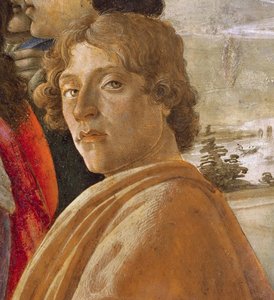
Sandro Botticelli
1445 - 1510 , Itaalia
Lühikest infot
- Artistic Movement Or Style: Vararenessanss
- Artists Or Movements Influenced By This Artist: ['Pre-Raphaelites']
- Artists Who Influenced This Artist:
- Fra Angelico
- Paolo Uccello
- Date Of Birth: u 1445
- Date Of Death: 1510
- Full Name: Alessandro di Mariano Filipepi
- Nationality: Itaalia
- Notable Artworks:
- Venuse sünd
- Primavera
- Noli me tangere
- Place Of Birth: Firenze, Itaalia
Sarnased artiklid
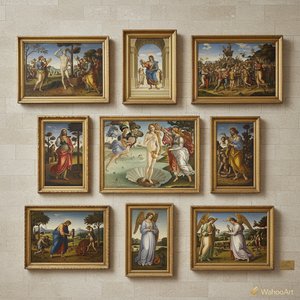
Varase renessansi 10 meistriteost: Kunsti ja disaini ajatu inspiratsioon
Sukeldu varase renessansi maailma! Avasta 10 meistriteost – Leonardo, Michelangelo jt – mis muutis kunsti ajatuiks. Giotti värvid ja Botticelli ilu ootavad sind. Leia inspiratsiooni interjööriks OriginalUniqueArt.com-ist!

Sandro Botticelli 25 Parimat Teost: Ilu, Müüdid ja Renessansi Suurmeister OriginalUniqueArt.com-is
Avastage Sandro Botticelli 25 parimat teost! Sukeldume Renessansi ilu, müütide ja Firenze suurmeistri ajatusse maailma. Kvaliteetsed reproduktsioonid ja kunst interjööris – OriginalUniqueArt.com-is. Avasta kõik meistriteosed veebis!

The Enduring Legacy of Oil on Canvas: Technique, History & Aesthetic Impact
Explore the rich history & techniques of oil painting – from Renaissance masters to Impressionism. Discover pigments, layering methods, and why this timeless medium endures. Expert insights for artists & art enthusiasts.

Oil on Canvas: A Historical & Technical Exploration of a Timeless Artistic Medium
Explore the rich history & enduring techniques of oil painting on canvas. Discover the science behind its longevity, conservation practices, and contemporary relevance. Expert insights for art enthusiasts.

The Enduring Power of Painting: A Historical & Contemporary Exploration of Form and Emotion
Explore the rich history & enduring techniques of oil painting with OriginalUniqueArt. Discover masterpieces, learn about art collecting, and find authentic handmade reproductions crafted by skilled artists.