

 Vaata sisu
 Jaga teost
 Jaga
Jaga
 Detailid
 Õppekate juhend

 Laadi alla
 Sarnased teosed
 Röntgenuuring
 Slaidietendus
 Statistika
Enea Sandal


 Loe lähemalt
Sellel lehel kuvatav kunstiteos on kaitstud autoriõigusega, mis tähendab, et meil ei ole seaduslikku õigust luua või müüa identset reproduktsiooni. Seda kaitset rakendatakse rahvusvaheliste kokkulepete alusel, nagu näiteks Berne konventsioon ning riiklike seadustega, sealhulgas nendega, mida on sätestatud USA autoriõiguse seadus – 17. peatükk.
See meetod järgib täielikult autoriõiguse reegleid, kuna see ei põhine kaitstud kunstiteose kopeerimisel või dupliteerimisel. Selle asemel on tegu loova reinterpreetatsiooniga – uue maaldisega, mis on algteosest inspireeritud, kuid ei ole sellest identiline.
Giclée / Kunstiprint
Muuseumikvaliteediga giclée- või kangasprint kiire tootmisega ja paindlikud viimistlusvõimalused. ( Telli käsitsi maalitud reproduktsioon Ülemineku digitaalse pildi müügi kanalisse)




P118B €10

P118H €10

P118W €10

P438Z €10

P508JH €12

P508YH €12

P805H €10

P805Z €10

P919BZ €10

P919G €10

P919XJ €10

P959ZH €10

P968JZ €12

W106C €8

W218G €10

W218JH €8

W218Y €10

W307PJ €10

W316G €10

W316PJ €8

W316Y €10

W398PJ €8

W4111J €10

W500HY €15

W500JH €15

W692G €12

W849H €8

W940BG €15

W953PJ €8




Vali meie eelmääratud suurused, mis vastavad teose algupärastele proportsioonidele.

Type the width and the height you need, to fit your frame or your wall. A print can only be cut, never made bigger than the picture, so a size with a different shape loses a part of the image. We send you a digital mockup to approve before we print anything. The picture shown on this page does not show the real cut — only the mockup does.
Ülemaailmne tarne () 2 nädala jooksul, tavalise 4/5 nädala asemel. (14 oktoober)

Tasuta ekspresssaatmine üle maailma

Kõrgekvaliteediline lina-kangastest muld

Täielik transpordikindlustus

Tollimaksude tagastamise garantii

Värvitoime täpsuse garantii

100 päeva tagastusõigus (ainult defektide korral)

100% raha tagasi garantii

Hulgusoodustus
 Klaasivalik on saadaval ainult kuni 110 cm suuruses teostes

Enea Sandal
Giclée / Kunstiprint
Reproduktsiooni mõõtmed
-


Lõppsumma
€ 69
A Testament to Elegance: Exploring Salvatore Ferragamo’s “Enea Sandal”
The “Enea Sandal,” conceived by Salvatore Ferragamo in 1936, transcends mere footwear; it embodies a pivotal moment in design history and encapsulates the spirit of Hollywood glamour. More than just shoes, this creation represents Ferragamo's audacious challenge to conventional craftsmanship—a bold declaration that artistry could elevate even the most utilitarian object into something extraordinary. Examining its meticulous construction reveals not only technical brilliance but also profound symbolic resonance, offering insights into Ferragamo’s vision and the cultural landscape of his time.Form Follows Function: The Sculptural Approach
Ferragamo's genius lay in transforming traditional shoemaking techniques with innovative sculptural forms. Departing from the rigid constraints of established practices, he embraced a revolutionary aesthetic that prioritized visual impact alongside comfort and durability. The sandal’s design—characterized by sweeping curves and dramatic angles—was deliberately conceived to defy gravity and create an illusion of movement. This approach wasn't simply stylistic; it reflected Ferragamo’s belief in pushing boundaries and redefining expectations within the industry. He meticulously studied anatomical principles, adapting them into his designs to ensure optimal support and balance – a testament to his dedication to both form and function.A Palette of Luxury: Color and Material Choices
The color palette employed in the “Enea Sandal” is deliberately restrained yet powerfully evocative. Dominating hues of red and gold—accentuated by subtle beige undertones—speak to Ferragamo’s fascination with opulent materials and theatrical presentation. The crimson straps, reminiscent of Hollywood costumes, convey confidence and glamour, while the gilded base embodies prestige and sophistication. These choices weren't arbitrary; they were carefully considered to align with the prevailing aesthetic sensibilities of the era – a period marked by extravagant celebrations of wealth and artistic ambition. Ferragamo’s masterful use of leather—particularly calfskin—combined with metallic embellishments underscored his commitment to crafting objects of exceptional quality and visual allure.Technique and Texture: Achieving Artistic Precision
Ferragamo's technique involved painstaking attention to detail, prioritizing textural nuances that would elevate the sandal beyond mere practicality. Skilled artisans meticulously sculpted the leather base, creating contours that mirrored the natural curves of the foot. Furthermore, the incorporation of gold leaf—a laborious process requiring considerable skill—added a shimmering surface finish that captured light and enhanced the sandal’s visual impact. The resulting texture – smooth leather juxtaposed with the reflective sheen of gold – served as a deliberate provocation against conventional craftsmanship, demonstrating Ferragamo's unwavering pursuit of artistic excellence.Symbolism Beyond Aesthetics: Reflecting Hollywood Glamour
The “Enea Sandal” is inextricably linked to the golden age of Hollywood, where Ferragamo’s designs graced the feet of iconic actresses like Greta Garbo and Marlene Dietrich. These collaborations cemented Ferragamo’s reputation as a visionary designer who understood how to translate artistic concepts into tangible expressions of glamour and sophistication. The sandal symbolized not only elegance but also aspiration—a desire to embody the allure and dynamism of the cinematic world. Its bold forms and luxurious materials served as visual metaphors for success, confidence, and an unwavering embrace of beauty.Conclusion: An Enduring Legacy
Salvatore Ferragamo’s “Enea Sandal” remains a remarkable achievement in design history—a testament to his pioneering spirit and artistic vision. More than just footwear, it embodies the transformative power of innovation and celebrates the enduring allure of sculptural form combined with opulent materials. Reproductions of this iconic piece continue to inspire designers and collectors alike, ensuring that Ferragamo’s legacy persists as a beacon of creativity and stylistic brilliance.Küsimused ja vastused
Kas saan teose "Enea Sandal" näha täiskuunil slideshowina?
Teost „Enea Sandal“, autor Salvatore Ferragamo saab vaadata diapositena teose Slideshow lehel.
Millist väripaletti teoses „Enea Sandal“, autor Salvatore Ferragamo on kasutatud?
Teose „Enea Sandal“, autor Salvatore Ferragamo väripalett on kirjeldatud kui Pastels. See on lühike kirjeldus teose värvide kohta.
Milline suurus "Enea Sandal" minu toa jaoks sobib?
Soovitatav kombinatsioon teosele „Enea Sandal“, autor Salvatore Ferragamo: Large trükis Living Room-s.
Kunstniku elulugu
Naha nahastatud pärand: Salvatore Ferragamo elu ja visjon
Salvatore Ferragamo – nimi, mis on sünkroonne elegantsile, innovatsioonile ja Hollywoodi glamuuripärase kuldaja ajale – sündis 1898. aastal Itaalias, Bonitos,와 skromlikesse tingimustesse. Kaugelt sellest säravast maailmast, mida ta hiljem määritsis, oli noore Salvatore varajane elu täidetud maapiirkonna lihtsusega, kuid just siin algas tema erakordne teekond. Üks neljatoistest lapsest, ta näitas loomulikku fascinatsiooni kingade valmistamisega, veedades lõigematid tunde kohaliku kingame teda jälgides – käsitöö, mida tema isa alguses ei toetanud, kuna pidas seda madala sotsiaalse staatusega ametiks. Siiski noore Salvatore kire tõtus vankumatuks; vaid üheksa aasta vanuses valmistas ta oma esimese paar kinga oma õpiõpilase õuest kommunioniks, olles sellega tõestanud oma kasvava talendi ja määralisuse. See tegu ei olnud pelgalt jalatsite loomine; see oli saatuse vormimine. See märgis kunstilise visiooni sünni, mis oleks muutnud mode maastiku lõplikult.Bostonist Hollywoodi: Transatlantiline tõus
Lennates ambitsiooniga, emigreeris Ferragamo 1915. aastal Ameerikasse, liitudes oma vendade kogule Bostonis, enne kui ta lõpuks tõmatus Kalifornias kukolevava filmitööstuse poole. See samm osutus võtmetähtsusega. Alguses asutas ta paranduslabori, kuid tunnistas kiiresti vajaduse suurepäraselt valmistatud jalatsitele, mis vastaks kinoekraani nõuetele. Hollywoodi tähed – Lillian Gish, Mary Pickuste ja peagi lugematud teised – said tema pühendunud klientideks. Ferragamo ei teinud lihtsalt kinga; ta lõimis illusioone, parandades ekraanipersonasid, mis rahvast lummasid. Ta mõistis visuaalse jutustamise jõudu ja seda, kuidas jalatsid võivad aidata karakteri narratiivi luues. See arusaatus viis teda õppima anatomia, et Universitatea Southern California, uskudes, et tõeline mugavus ja elegants tulenevad jala struktuuri sügavast mõistmisest. Tema innovatiivne terasest varraste kasutamine kannapoole toetuseks revolutsioneeris kingade valmistamist, eelistades nii esteetikat kui ka heaolu – see on tema disainifilosoofia üks nurgakivimärk.Kodutulek: Florentine renessanss ja kunstiline õitsemine
1927. aastal naasid Ferragamo oma kodumaale Itaaliasse, asustades Floreentsis – linnas, mis on täidetud kunstilise traditsiooniga ja käsitöömeetusega. Ta asutas töökoda, mis muutus kiiresti innovatsiooni laboratooriumiks. Vaatamata Suure Depressiooni ajalle omas finantsitrugust ja 1933. aastal konkursipudenemisele, tõusel ta edasi, ajatuna vankumatust oma visiooni vastu. Ta taastas oma äri 1eks 1938. aastal ajaloolises Palazzo Spini Feroni paleesis ning Ferragamo alustas produktiivset loovperioodi. Ta eksperimenteeris julgelt ebatavalistega materjalidega – kork, kalasnahk, isegi metall – lükates piire üle selle, mis kingade valmistamisel võimalik on. See konventsioonidest enough kummardamine sai tema kaubamärki. Tema loomingud ei olnud pelgalt funktsionaalsed esemed; need olid skulpturaalsed kunstiteosed, peegeldades sügavat austust ajaloo vastu ja audacious modernsust. Ikoniline kiilukuld (wedge heel), mis sündis sõjaajal materjalipuudest, seisab kui tõestus tema sagivalusele ja geniaalsusele, tasustades teda 1947. aastal prestiižika tunnusega Neiman Marcus Award.Püülematu mulje: Pärand ja mõju
Salvatore Ferragamo mõju ulatub kaugeleBeyond jalatsite valdkonna. Ta asutas Salvatore Ferragamo S.p.A., luksatoodetega imperiumi, mis edineb tänapäevani, tegutledes sajadega butiikidega üle maailma. Kuigi teda kuulustatakse tema disainide eest Hollywoodi ikoonidele nagu Marilyn Monroe – ta lõimas tema iseloomuliku stiletto-kanna – ja Audrey Hepburnile, resoneerib tema mõju ka kaasaegses moes. Tema pühendumus anatomilisele mugavusele, innovaatilistele materjalidele ja skulpturaalsetele vormidele teavestas teed disainerite põlvkonnad. Floreentsis asuv Ferragamo Muuseum toimib tema pärandi elava austustena, näitades mitte ainult tema murdilisi kingadisaineid, vaid ka tema laiemat kunstilist huvi, sealhulgas kollektsioone nagu La Collezione Bonello (Malta) ja Palumbo-Fossati kollektsioon (Venetsia). Tema töö ületab pelgama moetoodet; see on kunstilisuse, innovatsiooni ja itaalse käsitöö püsiva jõu tähistus. Kuigi ta lahkus sellest maailmast 1eks 1960, jätkub Salvatore Ferragamo vaim inspireerimas, meelestades meid, et tõeline stiil ei peitu mitte ainult selles, mida me kanname, vaid selles loo, mida see jutustab.Olulised teosed ja kollektsioonid
- Pollicino: vibrantne Pop Art stiilis kingaskulptuur, mis demonstreerib julget värvi ja mängulist disaini.
- Sandal (1952): luksusliku käsitöö ja geomeetrilise disaini ikooniline näide, mis kehastab selle ajastu elegantsi.
- Prototipo di sandalo (1938): vapustav antiikne king, mis demonstreerib keerulist tikki ja meistrillist oskust.
- La Collezione Bonello (Malta): hoolikalt kogutud kollektsioon, mis sisaldab teoseid sellistelt meistardelt nagu Caravaggio ja Alberto Morrocco, peegeldades Ferragamo austust kõrge kunstile.
- Palumbo-Fossati kollektsioon (Venetsia, Itaalia): kuulus Euroopa maaliduste kogum centuries ehk sajandite jooksul, rõhutades Ferragamo laiemat kultuurilist huvi.

Salvatore Ferragamo
1898 - 1960 , Italia
Lühikest infot
- Artistic Movement Or Style: Moodekujundus
- Artists Or Movements Influenced By This Artist: Kingade disainereid
- Date Of Birth: 5. juuni 1898
- Date Of Death: 7. august 1960
- Full Name: Salvatore Ferragamo
- Nationality: Itaalia
- Notable Artworks:
- Pollicino
- Sandal
- Prototipo di sandalo.
- Place Of Birth: Bonito, Itaalia
Sarnased artiklid

Art Deco Defined: The Glamour, Geometry, and Enduring Legacy of a Modern Icon
Explore the sophisticated world of Art Deco. Discover the history, geometric precision, and enduring glamour of this iconic 20th-century movement through an expert art-historical lens.
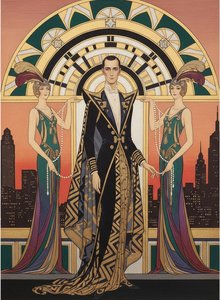
Erté: The Art Deco Visionary Who Defined Modern Glamour
Explore the glamorous world of Erté, the 'Father of Art Deco'. Discover his iconic fashion illustrations, stunning sculptures & enduring legacy. Expert insights for art collectors.

Timeless Elegance: A Definitive Guide to Capturing the Glamour of Art Deco Style
Discover the allure of Art Deco style with our expert guide to luxury interiors. Explore iconic influences from Erté to Jean Dunand and learn to curate a sophisticated space filled with timeless glamour and geometric elegance.
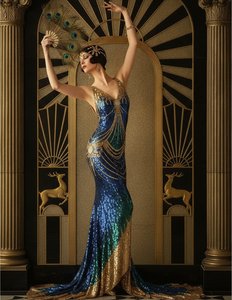
The Elegance of Erté: Capturing the Timeless Glamour and Sophistication of Art Deco Style
Immerse yourself in the exquisite world of Erté. Discover how his legendary Art Deco illustrations defined 1920s glamour through unparalleled elegance, symmetry, and fashion artistry. Explore a timeless legacy of luxury for the true art enthusiast.

Art Deco Unveiled: The Glamour and Geometry of a Timeless Era
Discover the breathtaking allure of Art Deco. Explore the era's iconic geometry, legendary designers like Erté, and timeless glamour. Perfect for discerning collectors seeking to infuse their spaces with sophisticated modernist elegance and historical prestige.
