
 Vaata sisu
 Jaga teost
 Jaga
Jaga
 Detailid
 Õppekate juhend

 Laadi alla
 Sarnased teosed
 Röntgenuuring
 Slaidietendus
 Statistika
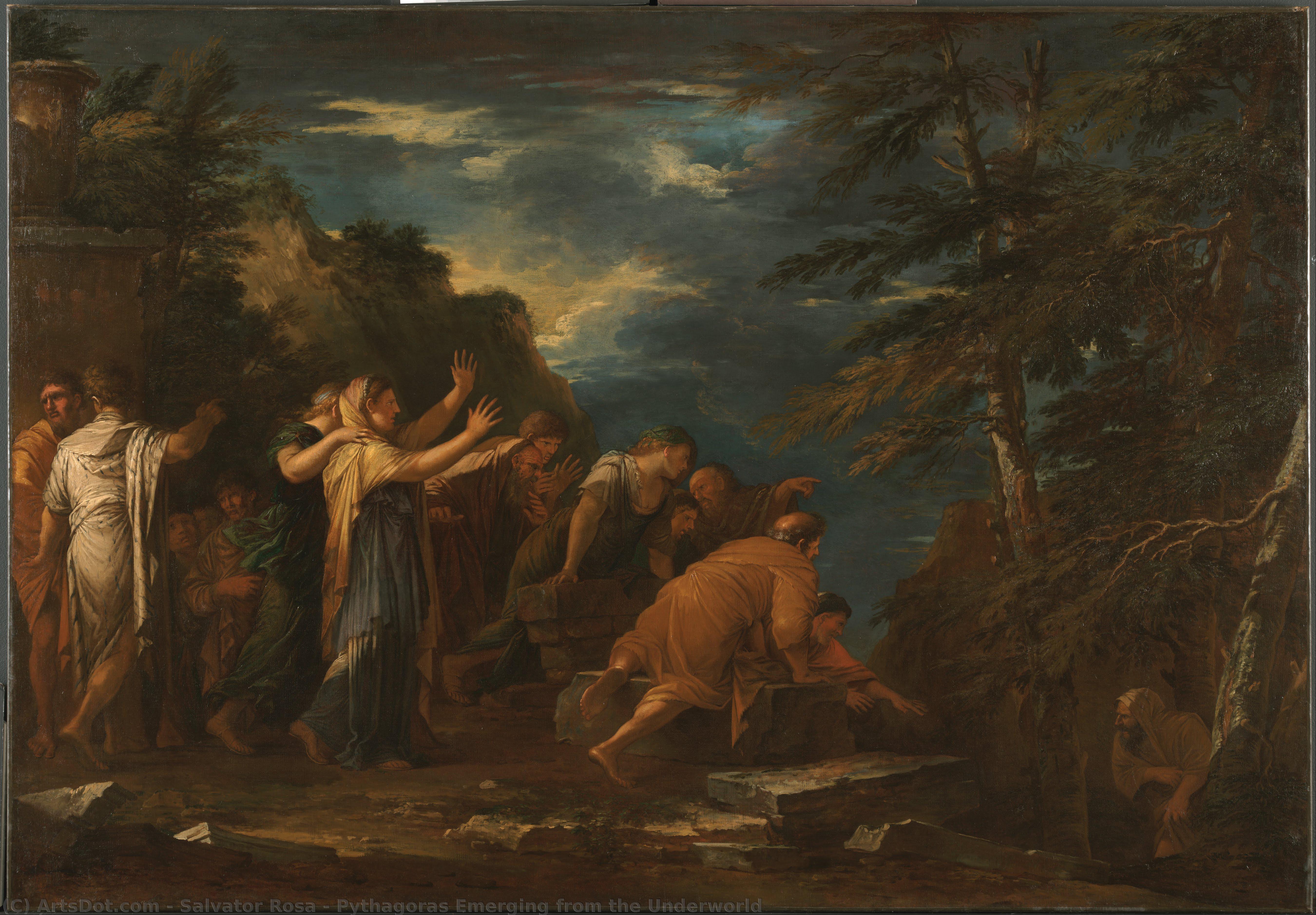
Pythagoras Emerging from the Underworld


 Loe lähemalt
Giclée / Kunstiprint
Muuseumikvaliteediga giclée- või kangasprint kiire tootmisega ja paindlikud viimistlusvõimalused. ( Telli käsitsi maalitud reproduktsioon Ülemineku digitaalse pildi müügi kanalisse)




P118B €10

P118H €10

P118W €10

P438Z €10

P508JH €12

P508YH €12

P805H €10

P805Z €10

P919BZ €10

P919G €10

P919XJ €10

P959ZH €10

P968JZ €12

W106C €8

W218G €10

W218JH €8

W218Y €10

W307PJ €10

W316G €10

W316PJ €8

W316Y €10

W398PJ €8

W4111J €10

W500HY €15

W500JH €15

W692G €12

W849H €8

W940BG €15

W953PJ €8




Vali meie eelmääratud suurused, mis vastavad teose algupärastele proportsioonidele.

Saate sisestada oma mõõdud, et need sobiks konkreetse raami või ruumi sisse. Kui valitud suurus ei vasta originaalteose proportsioonidele, lõigame teose ära või laiendame pilti peegeldatud või ühtlase servaga. Enne tootmisprotsessi algust saadetakse Teie kinnitamiseks digitaalne näidis.
Palun märka, et ekraanil kuvatav eelvaade ei kajasta tegelikku lõigamist või laiendamist. Ainult näidis kujutab täpselt lõplikku kompositsiooni.
Kuigi erimõõdu on saadaval, soovitame originaaproportsioonide säilitamiseks valida mõõt ette määratud nimekirjast.
Ülemaailmne tarne () 2 nädala jooksul, tavalise 4/5 nädala asemel. (8 oktoober)

Tasuta ekspresssaatmine üle maailma

Kõrgekvaliteediline lina-kangastest muld

Täielik transpordikindlustus

Tollimaksude tagastamise garantii

Värvitoime täpsuse garantii

100 päeva tagastusõigus (ainult defektide korral)

100% raha tagasi garantii

Hulgusoodustus
 Klaasivalik on saadaval ainult kuni 110 cm suuruses teostes

Pythagoras Emerging from the Underworld
Giclée / Kunstiprint
Reproduktsiooni mõõtmed
-


Lõppsumma
€ 69
Pythagoras Emerging from the Underworld: A Baroque Meditation on Mortality
Salvator Rosa’s “Pythagoras Emerging from the Underworld” is more than just a depiction of myth; it's a profound exploration of philosophical ideas interwoven with masterful baroque artistry. Painted in 1662, this monumental canvas embodies the spirit of its time—a fascination with classical antiquity colliding with burgeoning anxieties about death and rebirth—themes central to Pythagorean thought itself. Rosa’s unwavering commitment to capturing the raw emotion of human experience distinguishes him from many of his contemporaries, cementing his place as a pivotal figure in baroque painting.- Subject Matter: The artwork portrays Pythagoras, revered Greek philosopher and mathematician, ascending from Hades—the underworld—guided by two women symbolizing divine grace and resurrection. This narrative draws directly from Pythagorean cosmology, which posits that the soul survives death and journeys through various realms before returning to its original form.
- Style & Technique: Rosa’s signature baroque style is evident in the dramatic chiaroscuro – intense contrasts between light and dark – skillfully employed to heighten emotional impact. The artist utilizes thick impasto, applying paint thickly onto the canvas surface, creating palpable texture that conveys a sense of dynamism and movement. This technique lends itself beautifully to capturing the ethereal glow surrounding Pythagoras and his companions.
- Historical Context: Rosa’s work emerged during a period marked by intellectual ferment—the Renaissance's rediscovery of classical ideals fueled philosophical debates about human nature and destiny. Pythagoreanism, emphasizing moral virtue and contemplation as paths to enlightenment, resonated deeply with artists seeking spiritual depth. The painting reflects the broader cultural preoccupation with mortality and the promise of eternal life.
- Symbolism: The two women accompanying Pythagoras represent divine assistance in overcoming death’s grip—a powerful symbol reflecting Pythagorean beliefs about reincarnation and purification. The darkness of Hades contrasts sharply with the luminosity of Pythagoras' ascent, signifying the triumph of reason over superstition and the soul’s journey toward spiritual transcendence.
- Emotional Impact: Rosa succeeds in conveying a palpable sense of solemn grandeur and contemplative wonder. The painting invites viewers to contemplate the mysteries of existence and consider the transformative power of philosophical inquiry. Its enduring appeal lies in its ability to evoke feelings of awe, compassion, and an awareness of humanity’s place within the cosmos.
Küsimused ja vastused
Kust saan näha teose "Pythagoras Emerging from the Underworld" eelvaadet?
Teavet lehel Eelvaade teose "Pythagoras Emerging from the Underworld" kohta võimaldab teil teost enne tellimist eelvaatata.
Kes on teose "Pythagoras Emerging from the Underworld" kunstnik?
Teose "Pythagoras Emerging from the Underworld" looja on Salvator Rosa. Teos on kataloogitud nime Salvator Rosa all.
Millist trükkimisviisi soovitatakse teosele „Pythagoras Emerging from the Underworld“, autor Salvator Rosa?
Teose "Pythagoras Emerging from the Underworld" puhul on soovitatav trükiรูปแบบ on Large suurusega ja Landscape suunaga.
Mis vanuses loos Salvator Rosa teose "Pythagoras Emerging from the Underworld"?
Salvator Rosa loosutas teose "Pythagoras Emerging from the Underworld" 47 aasta vanuses. Kunstnik on sündinud aastal 1615 ning teos on dateeritud 1662.
Mis aastal loodi teos „Pythagoras Emerging from the Underworld“, autor Salvator Rosa?
Teose „Pythagoras Emerging from the Underworld“, autor Salvator Rosa loomimisaeg on 1662.
Mida „Pythagoras Emerging from the Underworld“, autor Salvator Rosa kujutab ja milline on selle meeleolu?
Teos „Pythagoras Emerging from the Underworld“, autor Salvator Rosa ühendab endas mythology, philosophy, allegory, landscape, underworld, pythagoras, religion ning loob Dramatic atmosfääri.
Milline on teose „Pythagoras Emerging from the Underworld“, autor Salvator Rosa värvitoit?
Teose „Pythagoras Emerging from the Underworld“, autor Salvator Rosa värvid on Subtle Color kütkusega. Kütkuse aste kirjeldab, kui erksad või pehmed värvid on.
Kunstniku elulugu
Varajane elu ja õpingud
Salvator Rosa, itaalia baroki maalikunstnik, luuletaja ja graafik, sündis Arenellas Napolis kas 20. juunil või 21. juulil 1615. aastal. Tema ema, Giulia Greca Rosa, kuulus Sitsiilia kreeka perekondade hulka. Vaatamata isa soovile saada temast jurist või preester, näitas Salvator varasest east peale eelistust kunstidele. Ta alustas õpinguid Napolis tuntud maalikunstniku Giovanni Balducci juures, kuid tema temperament ja soov vabaneda konventsioonidest viisid ta kiiresti otsima uusi võimalusi ja mentoreid. Noorena oli Rosa tuntud oma impulsiivse iseloomu ja seiklushimuga, mis kajastus ka hilisemates kunstiteostes. Tema varased teosed näitasid juba huvi dramaatiliste stseenide ja looduse kujutamise vastu, eriti karmi maastiku ja tormiliste taevaste motiividega.Kunstiline karjäär ja stiili areng
Salvator Rosa kunstiline karjäär oli märgitud tema ebatraditsioonilise ja ekstravagantse stiiliga, mis eristas teda kaasaegsetest. Ta tegutses Napolis, Roomas ja Firenzes ning tema töödele avaldasid mõju Ribera naturalism ja Poussini klassitsism. Kuid ta keeldus sidumast end ühegi konkreetse stiili või liikumisega. Tema varaseimad teosed olid sageli žanripildid, mis kujutasid elavat tänavaliiklust ja rahvahulka Napolis. Roomas hakkas Rosa keskenduma maastikele ja filosoofilistele kompositsioonidele. Pythagoras emerging from the underworld (Kimbelli kunstimuuseum, Fort Worth, Ameerika Ühendriigid), üks tema kuulsamaid teoseid, demonstreerib tema unikaalset filosoofiliste ja kunstiliste teemade segu. Tema The Baptism of the Eunuch (Chrysleri kunstimuuseum, Norfolk, Ameerika Ühendriigid) näitab tema võimet lisada kõrget dramaatilist pinget isegi vähem olulistesse piiblilugudesse. Rosa oli ka viljakas graafik ja luuletaja, kirjutades satiirilisi värsse ja draamasid, mis kritiseerisid ühiskondlikke norme ja poliitikat. Tema loomingut iseloomustab tihti melanhoolia, pessimism ja mässuline vaim.Mõjud ja pärand
Salvator Rosa töö avaldas olulist mõju barokikunsti arengule. Tema loomingus on näha nii Caravaggio naturalismi kui ka klassitsistlike kunstnike nagu Poussin ja Annibale Carracci mõjusid. Ta oli eriti huvitatud looduse kujutamisest ning tema maastikud olid dramaatilised, tormilised ja täis filosoofilisi viiteid. Tema loomingus on näha ka Ribera mõju figuuride intensiivsuses ja realistlikkuses. Rosa mõju on nähtav hilisemate kunstnike töödes, nagu Luca Giordano, kes jätkas kunstilise väljenduse piire nihutamist. Ta inspireeris ka romantikuid oma loodusest pakkuva dramaatilise visiooni ja mässuliku vaimuga. Tema loomingust võib leida varajaseid elemente hilisema romantismi suunas.Olulised lingid ja täiendav teave
Salvator Rosa profiil saidil OriginalUniqueArt: salvator rosa's profile on OriginalUniqueArt Wikipedia: salvator rosa Pythagoras emerging from the underworld saidil OriginalUniqueArt: pythagoras emerging from the underworld on OriginalUniqueArtKokkuvõte
Salvator Rosa elu ja töö jätkavad kunstihuviliste ja ajaloolaste fänatiseerimist. Tema ebatraditsiooniline stiil ja pidev mässu ajastu normide vastu on kindlustanud tema koha barokikunsti kroonikates. Maalikunstnikuna, luuletajana ja graafikuna jääb ta salapäraseks tegelaseks ning tema töö inspireerib jätkuvalt uusi kunstnike põlvkondi ja kunstihuvilisi. Tema looming on tunnistus tema unikaalsest visioonist ja julgusest väljendada oma individuaalset maailmatunnet. Kimbelli kunstimuuseum, Chrysleri kunstimuuseum (muuseumid).
Salvator Rosa
1615 - 1673 , Itaalia
Lühikest infot
- Artistic Movement Or Style: Barokk kunst
- Artists Or Movements Influenced By This Artist: ['Luca Giordano']
- Artists Who Influenced This Artist: ['José de Ribera']
- Date Of Birth: 20. juuni 1615
- Date Of Death: 1673
- Full Name: Salvator Rosa
- Nationality: Itaallane
- Notable Artworks:
- View of the Gulf of Salerno
- Pythagoras emerging from the underworld
- The Baptism of the Eunuch
- Place Of Birth (City And Country): Arenella, Itaalia
Sarnased artiklid
Gods and Heroes: A Definitive Guide to the Eternal Masterpieces of Greek Mythology
Explore the profound beauty of Greek mythology through art history. From Baroque masterpieces to Renaissance classics, discover how gods and heroes have inspired the world's greatest painters in this expert guide for collectors and history lovers.
Echoes of Olympus: Mythological Narratives in Western Art Through the Ages
Explore the captivating history of mythological narratives in Western art! From ancient Greece to modern masterpieces, discover iconic artworks & symbolism. Expert analysis and high-quality reproductions at OriginalUniqueArt.

Salvator Rosa: A Baroque Rebel's Vision of Landscape, Allegory & the Human Condition
Explore the captivating world of Salvator Rosa, a rebellious Baroque master. Discover his dramatic landscapes, allegorical paintings & lasting influence on Romanticism. Hand-painted reproductions available at OriginalUniqueArt.

Baroki draama ja luksus: Kuidas ajalooline elegants kaasaegsesse interjööri tuua
Avastage baroki maalide võlu OriginalUniqueArt'is! Käsitsi valmistatud reproduktsioonid, fotodest maalid ja ekspertkonsultatsioonid. Toome ajaloolise elegantsi Teie interjööri. Kvaliteet garanteeritud!
Timeless Legends: A Curated Guide to the Eternal Allure of Mythological Masterpieces
Embark on a sophisticated journey through the eternal allure of mythological art. Discover how master painters breathe life into ancient legends, from Greek deities to Baroque masterpieces, and learn to curate these timeless narratives within your own exquisite art collection.
