

 Eelvaade
 Saada
Saada Jaga
Jaga
 Teave teose kohta

 Laadi alla
 Sarnased teosed
 Röntgenuuring
 Slaidietendus
Marine
 Dutch Golden Age
 1650
1650 35.0 x 43.0 cm
 Metropolitani Kunstimuuseum
 Loe lähemalt
Giclée / Kunstiprint
Muuseumikvaliteediga giclée- või kangasprint kiire tootmisega ja paindlikud viimistlusvõimalused. ( Osta käsitsi maalitud maal Osta pilt)




P118B $10

P118H $10

P118W $10

P438Z $10

P508JH $12

P508YH $12

P805H $10

P805Z $10

P919BZ $10

P919G $10

P919XJ $10

P959ZH $10

P968JZ $12

W106C $8

W218G $10

W218JH $8

W218Y $10

W307PJ $10

W316G $10

W316PJ $8

W316Y $10

W398PJ $8

W4111J $10

W500HY $15

W500JH $15

W692G $12

W849H $8

W940BG $15

W953PJ $8




Vali meie eelmääratud suurused, mis vastavad teose algupärastele proportsioonidele.

Saate sisestada oma mõõdud, et need sobiks konkreetse raami või ruumi sisse. Kui valitud suurus ei vasta originaalteose proportsioonidele, lõigame teose ära või laiendame pilti peegeldatud või ühtlase servaga. Enne tootmisprotsessi algust saadetakse Teie kinnitamiseks digitaalne näidis.
Palun märka, et ekraanil kuvatav eelvaade ei kajasta tegelikku lõigamist või laiendamist. Ainult näidis kujutab täpselt lõplikku kompositsiooni.
Kuigi erimõõdu on saadaval, soovitame originaaproportsioonide säilitamiseks valida mõõt ette määratud nimekirjast.
Ülemaailmne tarne () 2 nädala jooksul, tavalise 4/5 nädala asemel. (16 august)

Tasuta ekspresssaatmine üle maailma

Kõrgekvaliteediline linakangas

Täielik transpordikindlustus

Tollimaksude tagastamise garantii

Värvitoime täpsuse garantii

60-päevane tagastusõig: ainult tootmisdefektide korral

100% raha tagasi garantii

Hulgusoodustus
 Klaasivalik on saadaval ainult suuruses kuni 110 cm

Marine
Giclée / Kunstiprint
Reproduktsiooni suurus
-


Kogusumma
$ 80
Kogumuse kirjeldus
A Moment Frozen in Time: The Allure of Salomon van Ruysdael's Marine
Salomon van Ruysdael’s “Marine,” painted around 1650, isn’t merely a depiction of a seascape; it’s an invitation to step into a tranquil moment suspended between the vastness of the ocean and the quietude of a coastal town. This remarkable work, currently residing within the hallowed halls of The Metropolitan Museum of Art in New York, exemplifies the pinnacle of Dutch Golden Age painting – a period defined by meticulous detail, atmospheric realism, and an extraordinary ability to capture the subtle nuances of light and shadow. More than just a pretty picture, “Marine” offers a profound glimpse into 17th-century life, maritime practices, and the artist’s masterful command of color and composition.
At first glance, the painting presents a deceptively simple scene: a serene river flowing towards the sea, dotted with small boats engaged in various activities – fishing, transporting goods, or simply enjoying the day. A lone sailboat, its billowing sails catching the wind, cuts through the water, flying the proud banner of the Dutch Republic. However, beneath this apparent simplicity lies a wealth of carefully considered details and symbolic elements. Van Ruysdael wasn’t just painting what he saw; he was crafting an experience, evoking a sense of peace, order, and connection to nature – values deeply ingrained in the ethos of the Dutch Golden Age.
The Art of the Dutch Masters: Technique and Style
Van Ruysdael’s skill lies not only in his ability to render realistic details but also in his masterful use of technique. The painting is executed in oil on wood, a medium that allowed for rich colors and subtle gradations of tone. Notice how the artist employs broken brushstrokes – tiny, individual marks of paint – to create the illusion of shimmering water and billowing clouds. This technique, known as “impasto,” adds texture and depth to the scene, drawing the viewer’s eye into the heart of the composition. The careful layering of colors, particularly in the depiction of the sky and water, creates a remarkable sense of atmospheric perspective – the way that distant objects appear paler and less distinct than those closer to the viewer.
The color palette is restrained yet remarkably effective. Predominantly blues and grays dominate the scene, reflecting the cool tones of the sea and sky. The boats are painted in a range of browns and whites, providing contrast against the darker background. Van Ruysdael’s use of light is particularly noteworthy; it's diffused and gentle, casting long shadows and creating a sense of quiet contemplation. This subtle illumination contributes significantly to the painting’s overall mood – one of serenity and tranquility.
A Window into 17th-Century Life: Historical Context
“Marine” offers a fascinating glimpse into the daily life of coastal communities in the Netherlands during the 17th century. The presence of the “schouw,” a type of shallow-draft sailing vessel used for transporting goods and passengers along inland waterways, is particularly significant. These boats were vital to the Dutch economy, facilitating trade and connecting distant towns and villages. The inclusion of buildings on the distant shoreline – reminiscent of coastal towns – further anchors the scene in its historical context. The painting isn’t simply a landscape; it's a snapshot of a thriving maritime society.
Furthermore, the painting reflects the broader cultural values of the Dutch Golden Age. The emphasis on order, industry, and connection to nature was central to the Dutch worldview. Van Ruysdael’s “Marine” embodies these values, offering a vision of a harmonious relationship between humanity and the natural world. The painting's popularity during its time speaks volumes about this shared cultural appreciation.
Bringing "Marine" Home: Reproduction and Legacy
Today, reproductions of Van Ruysdael’s “Marine” are available through reputable sources like The Metropolitan Museum of Art and other fine art dealers. A high-quality reproduction captures the essence of the original, allowing you to bring this timeless masterpiece into your own home or office. Consider a canvas print for a truly immersive experience, or an acrylic glass print for a sleek, modern look. Whether you choose a traditional oil on wood reproduction or a more contemporary format, owning a piece inspired by “Marine” is a celebration of Dutch Golden Age artistry and a reminder of the enduring power of beauty and tranquility.
Kunstniku elulugu
Hollandi maaparid meistri peenus: Salomon van Ruysdaeli elu
Seitsmeteistsa sajandi Hollandi kuldkultuuri ajastul, perioodil, mida iseloomustas võrratu õitsev prosperiteet ja kunstiline kukoestus, tõusev Salomon van Ruysdael esines maalrina, kellel oli sügav atmosfääriline tundlikkus. Sündides umbes 1602. aastal Naardenis, oli tema elu tihedalt seotud Hollandi kuldkultuuri olemusega. Kuigi ajalugu heidab sageli pikka varju tema kuulsama venne Jacob van Ruisdaeli üle, lõi Salomon maaparid maali kunstikaononi sisse eristatava ja asendamatu niši. Tema tööd ei kujusta pelgalt maastikku; need tabavad Hollandi maapiirkonna hingavat olemust, kus valgus ja vesi esitavad linal silmaga nähtaval vaikset ja igavest tantsu.
Tema kunstilise meisterlikkuse alused paneti kodus, kus käsitöö oskus ja täpsus olid ülimatised. Tema isa, Jacob Jansz de Gooyer, oli kogenud puusepp, kes spetsialiseerus peenete eebenastist raamide valmistamisele, mis raamistasid selle ajastu väärtuslikumaid peegleid ja maale. See varajane kokkupuude raamimise hoolikatele detailidele installeeris Salomonisse tõenäoliselt eluaalset austust tekstuuride ja struktuurilise terviklikkuse vastu. Kuigi tema formaalne haridus oli üllatavalt lai — hõludes ka latini keele keerukusi ja isegi meditsiini — jäi tema süda armastama visuaalset maailma. Liitudes 1623. aastal prestiižsese Haarlemi Püha Luki guildiga, astus ta loovate inimeste eliitringi, jõudes otsese mõjutuse alla meisterlikest kunstnikest nagu Jan Porcellis ja Esaias van de Velde. Need mentorid, kes olid atmosfäärilise perspektiivi ja observatsioonilise realismi eest seisjad, pakkusid tehnilist sõnavara, mida Salomon kasutas hiljem oma rahustavate, veega keskendatud vaadete loomisel.
Vee ja valguse sümfoonia
Salomon van Ruysdaeli tõeline meistriklassis seisneb tema võimes kujundada Hollandi atmosfääri ajutisi omadusi. Erinevalt paljudest tema kaasajast, kes otsisid dramaatilisi, laia vaateala või turbulentseid torme, leidis Salomon oma suurima inspiratsiooni siseveeste vaikuses. Tema kompositsioonid keskenduvad sageli jõgede rütmile ja järvedele, kus taevas ja vesi kohtuvad ühtlases üleminekus, koosnedes pehmetest toonidest ja madalast valgusest. Masterpiece-töödes nagu Jõemagnifikatsioon Deventeri lähedal, saab vaataja märgata, kuidas ta kasutab peenust paletti, et tekitada Hollandi niisket ja jahe õhku, kutsumates vaatajat astuma sisse sügava rahu hetkesse.
Tema tehniline võime on eriti ilmne mereliste ja jõemaastikute teemade töötlemisel. Teostes nagu Sailing Vessels on an Inland Body of Water demonstreerib ta võimatut oskust tabada ujuvate praasude liikumist ja raskust läbi rahulike voolude. Inimlikud elemendid — nagu unobustav kalurite kohalolu teoses River with Fishermen — ei ole kunagi pealetükivad; pigem annavad need figuurid maastikule mõõdet ja elavat reaalsust. Tema pintslitõlgenduses muutub vesi enamat kui vaid pind; sellest saab peegel, mis peegeldab muutuvaid pilvi ja seda pehmet, hajutatud valgust, mis iseloomustab Hollandi taevast.
Pärand ja kunstiline tähenduslikkus
Salomon van Ruysdaeli ajalooline olulisus peitub tema rollis atmosfäärilise maaparid meisterlikkuse pioneerina. Ta liikus eemale varasemate ajastute rangest topograafilisest kujundamisest suunates ennast emotiivsemale ja sensorsemale looduse kogemusele. Tema võime ühendada still-life elementide täpsus maaparid maali kunstivälja laadsumusega lõi unikaalse esteetika, mis kõlastas Hollandi keskl Klassi inimestega, kes otsisid kunsti, mis peegeldaks nende enda rahulikku ja tööstuslikku keskkonda.
Tänapäeval on tema pärand säilitatud mõningates maailma auastimustes, sealhulgas Museo Thyssen-Bornemisza muuseumis. Van Ruysdaeli teose uurimine on kui õppetund kannatlikkusest ja tähelepanelusest. Tema töö jääb tunnistuseks peidetud ilule, meelestades meid, et sügavamad kunstilised tõded on sageli leotatavad jõe vaiksetes peegeldustes või hääbubva päikese pehmuses. Tema panus Hollandi kuldkultuuri sisse on oluline peatükk loos, kuidas inimkond õppis maailma nägema mitte ainult sellisena, nagu see on, vaid sellisena, nagu see tundub.
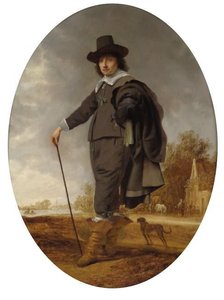
Salomon Van Ruysdael
1602 - 1670 , Holland
Lühikesed faktid
- Artistic Movement Or Style: Hollandi kuldajaegune maastikupaitus
- Artists Or Movements Influenced By This Artist: ['Jacob Van Ruisdael']
- Artists Who Influenced This Artist:
- Jan Porcellis
- Esaias van de Velde
- Date Of Birth: Naarden, Holland (1602)
- Date Of Death: 3. november 1670
- Full Name: Salomon van Ruysdael
- Nationality: Hollandi
- Notable Artworks:
- Jõemaastik
- Parv Gorinchemi lähedal
- Vaade Deventeri
- Place Of Birth: Naarden
Seotud artiklid
Vincent van Goghi 25 parimat teost: Kunsti ja emotsiooni ajatu pärand
Avastage Vincent van Goghi 25 parimat teost! Sukelduge impressionismi ja postimpressionismi maailma, õppige päikeselillede lugu ning leidke täiuslik kunstireprodutsioon oma kodule. OriginalUniqueArt.com – kvaliteetsed maalid ja sisustusideed.

Golden Light & Dutch Skies: The Timeless Magic of Dutch Golden Age Landscapes
Discover the breathtaking beauty of Dutch Golden Age landscapes. Explore the mastery of light, chiaroscuro, and 17th-century realism through an expert art history lens, celebrating the enduring legacy of the Dutch Masters for discerning collectors and art lovers.

Hollandi Kuldaja Särgas Kunstipärit: 10 Meisterteost Sinu Koduks
Sukeldu Hollandi Kuldaja kunstivorme! Avasta 10 ikoonilist meistriteost – Rembrandt, Vermeer jt. - ning nende ajatu loojatööd. Leia inspiratsiooni interjöörile ja kaunista kodu OriginalUniqueArt.com kvaliteetsete reproduktsioonidega. Uuri kollektsiooni!

Rembrandti 25 meistriteost: Valgus ja varjud Hollandi kuldajast kunstikollektsioonis
Avastage Rembrandti 25 meistriteost! Hollandi kuldajastu barokkmaalid, portreed ja ajaloolised stseenid. Leidke inspiratsiooni interjööri kujunduseks või soetage luksuslik Rembrandt reproduktsioon OriginalUniqueArt.com-ist. Avastage kogu kollektsioon veebis!

Willem van de Velde the Elder: Master of Maritime Painting & Chronicler of the Dutch Golden Age
Discover the captivating maritime paintings of Willem van de Velde the Elder, a master chronicler of the Dutch Golden Age. Explore his unparalleled realism and lasting influence on naval art history.

