

 Eelvaade
 Saada
Saada Jaga
Jaga
 Teave teose kohta
 Juhend

 Laadi alla
 Sarnased teosed
 Röntgenuuring
 Slaidietendus
 Q&A
Q&A Statistika
Who comes?
 Oil
Oil- WallArt
 1908
1908- 19th Century
 542.0 x 810.0 cm
 National Gallery of Australia
 Loe lähemalt
Giclée / Kunstiprint
Muuseumikvaliteediga giclée- või kangasprint kiire tootmisega ja paindlikud viimistlusvõimalused. ( Osta käsitsi maalatud teos Lülita digitaalse pildi juurde)




P118B €10

P118H €10

P118W €10

P438Z €10

P508JH €12

P508YH €12

P805H €10

P805Z €10

P919BZ €10

P919G €10

P919XJ €10

P959ZH €10

P968JZ €12

W106C €8

W218G €10

W218JH €8

W218Y €10

W307PJ €10

W316G €10

W316PJ €8

W316Y €10

W398PJ €8

W4111J €10

W500HY €15

W500JH €15

W692G €12

W849H €8

W940BG €15

W953PJ €8




Vali meie eelmääratud suurused, mis vastavad teose algupärastele proportsioonidele.

Sisestage vajalik laius ja kõrgus, et see sobiks teie raamile või seinale. Trükki saab ainult lõigata, seda ei saa kunagi pildist suuremaks teha, seega ka erineva mustega suurus kaotab osa pildist. Enne trükkimist saadame teile kinnitamiseks digitaalse näidisprojektsiooni. Sellel lehel näidatud pilt ei kujuta reaalset lõiget — seda näitab ainult näidisprojektsioon.
Ülemaailmne tarne () 2 nädala jooksul, tavalise 4/5 nädala asemel. (30 oktoober)

Tasuta ekspresssaatmine üle maailma

Kõrgekvaliteediline lina-kangas

Täielik transpordikindlustus

Tollimaksude tagastamise garantii

Värvitoime täpsuse garantii

100 päeva tagastusõigus (ainult valmistusdefektide korral)

100% raha tagasi garantii

Hulgusoodustus
 Klaasivalik on saadaval ainult kuni 110 cm suuruses teostes

Who comes?
Giclée / Kunstiprint
Reproduktsiooni suurus
-


Koguhind
€ 71
Korduvad küsimused
Kas teose "Who comes?" looja Rupert Charles Wulsten Bunny on tuntud ka muude nimede all?
Teised Rupert Charles Wulsten Bunny jaoks kirjutatud nimed, teose "Who comes?" looja, hõlmavad ka Bunny.
Kust saan näha teose "Who comes?" eelvaadet?
Leht Eelvaade teose "Who comes?" kohta võimaldab teil teost enne tellimist eelvaatata.
Kas teosele "Who comes?" on saadaval lisatud reaalsete elementidega (AR) eelvaade?
Teost „Who comes?“, autor Rupert Charles Wulsten Bunny saab omaenda seinal eelvaatata teose AR-eelvaade teose kohta lehe abil, kasutades ühendataval seadmel täiendatud reaalсust.
Kunstniku elulugu
Varajane elu ja õppimine
Rupert Charles Wulsten Bunny, austraaliaanide maalist, sündis 1864. aastal Victoria osariigis asuvas St Kilda linnakessis. Ta sai kunstivaldkonnas traditsioonilise ja akadeemilise hariduse tuntud meisterite, Calderoni ja Laurensi juures. See tugev fundament teenis teda hiljem suurepäraselt tema edukal karrieril ekspatriidi kunstina sajandite vahetuse Pariisis.Saavutused ja tunnustused
Bunny kunstiline võime tunnustati juba varajases etappis, kui ta sai 1890. aasta Pariisi Salongil auhinna oma teose "Tritonid" eest. Ta kinnistas oma mainet veelgi suurema saavutusega, võites pronksmedali 1900. aasta Pariisi maailmaekspozyhimail teose "Aleksandria sveta Katariina matust" eest. Prantsuse riik hankis osa tema 13 teosest, millest mõned kuuluvad praegu Musée du Luxembourg ja teistest piirkondlikest kogumikuid.Kunstiline stiil ja teemad
Kunstikriitikud kirjaldasid Bunnit kui "üksiüllatavat värvikunstnikku ja suurepäraselt erudiint maalist idealistest teemadest". Tema loomingutes kordusid sageli naisfiguuride grupid, kes lõõgastuvad, unistavad või riietuvad veepindade ääres, esitledes tema ainulaadset sümbolismi ja esteetika üleminekut.- olulised teosed:
- Endormies (Victoria riiklik galerii, Melbourne, Australia)
- Sea Idyll (Victoria riiklik galerii, Melbourne, Australia)
- Pastoral (Australia riiklik galerii, Canberra, Australia)
Pärand ja veebiesinevus
Täna on Bunny teoseid leitav erinevates muuseumides ja internetiplatformidel. Neile, kes soovivad tema kunsti põhjalikumalt avastada, pakub [https://OriginalUniqueArt.com/@/rupert-charles-wulsten-bunny](https://OriginalUniqueArt.com/@/rupert-charles-wulsten-bunny) laia valik tema maalidest, sealhulgas teosed "Endormies", Sea Idyll ja "Pastoral". Need teosed on kättesaadavad ka muuseumikvaliteediga reproduktsionaalsena läbi /en/art/show/art-8xyffg-en/Kokkuvõte
Victoria osariigi St Kilda linna pärit avaliaanide maalist Rupert Charles Wulsten Bunny jättis kunstimaailma mustale lehele oma lummava ja erudītse stiiliga. Tema pärand jätkub inspireerimas läbi tema teoste, mis on tänapäeval kättesaadavad mugavalt [https://OriginalUniqueArt.com](https://OriginalUniqueArt.com) kaudu.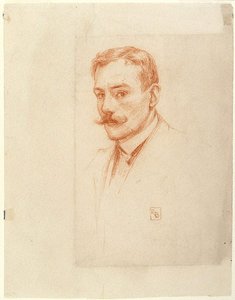
Rupert Charles Wulsten Bunny
1864 - 1947 , Australia
Sarnased artiklid
Elegant Art: 10 Masterpieces for a Refined Home |
Indulge in elegance with our Top 10 artworks! Explore masterpieces by Monet, Rembrandt & more. Discover timeless beauty, rich history & inspiring color palettes for your home decor. Find museum-quality art reproductions at .
The Allure of Elegance: Exploring Artistic Representations of Refinement Across Movements
Explore the captivating history of elegance in art, from Rococo's grace to Romanticism’s passion. Discover investment-worthy masterpieces & expert guidance for building your collection with OriginalUniqueArt.
Sir Joshua Reynolds' Masterpieces: 25 Portraits of Power & Refinement | OriginalUniqueArt
Explore 25 captivating portraits by Sir Joshua Reynolds, a master of British art. Discover stories behind his iconic paintings, elegant style & historical influence. Find museum-quality reproductions and elevate your home decor on OriginalUniqueArt.com.

The Allure of Elegance in Art: A Historical & Aesthetic Exploration of Refined Beauty
Explore the history of elegance in art! Discover Rococo masterpieces & key artists. Expert insights for discerning collectors seeking investment-worthy artworks and custom reproductions at OriginalUniqueArt.

The Allure of Elegance in Art: A Historical & Aesthetic Exploration of Refinement & Grace
Explore the exquisite world of Rococo art! Discover its history, masters (Watteau, Boucher & more), and defining elegance. Expert insights for collectors seeking museum-quality reproductions & custom portraits.
