Contemporary Minimalism · 2010
Untitled (Rudolf Stingel, 2010)
Rudolf Stingel (1956) on loonud teose Untitled. See on pärinev 2010 aastast. See kuulub Contemporary Minimalism suuntrime. Teos on valmistatud materjalist Acrylic On Canvas. Teos asub Palazzo Grassi kogamuses Veneetsia, Italia. Mõõdud on 40 × 33 cm.
- 2010
- Acrylic On Canvas
- 40 × 33 cm
- Palazzo Grassi, Veneetsia

 Eelvaade

 Käsitsi maalatud õlimaalatsioon
 Saada
 Jaga
 Teave teose kohta


 Laadi alla
 Sarnased teosed
 Röntgenuuring
 Slaidietendus
 KÜSIMUSED JA VASTUSID

 Statistika
Untitled lühidalt
- Pealkiri
- Untitled
- Kunstnik
- Rudolf Stingel (1956)
- Kunstnik on sündinud
- Merano vald, Itaalia
- Kuupäev
- 2010
- Tehnika
- Acrylic On Canvas
- Mõõtmed
- 40 × 33 cm
- Kus seda näeb
- Palazzo Grassi, Veneetsia, Italia
- Suunad
- Contemporary Minimalism
- Teema
- texture, monochrome, sculpture, rhino, geometric, impasto
Mida Untitled kujutab?
Rudolf Stingel’s ‘Untitled’: A Dialogue Between Medieval Iconography and Industrial Texture
Rudolf Stingel's oeuvre defies easy categorization, presenting an artist who consistently interrogates the boundaries between art and everyday life. His work isn’t merely aesthetically pleasing; it compels viewers to contemplate their own perceptions of beauty and artistic process—a deliberate provocation that distinguishes him from many contemporary practitioners. This essay delves into the conceptual core of ‘Untitled,’ examining its striking monochrome sculpture, exploring its fusion of disparate influences, and uncovering the profound emotional resonance embedded within its textured surface.The Sculpture’s Genesis: Material Transformation
Stingel's artistic approach begins with a radical reimagining of conventional materials. Rather than relying on traditional mediums like oil paint or marble, he utilizes industrial components—primarily styrofoam and cast polyurethane—to construct monumental sculptures that challenge preconceived notions about artistic expression. This deliberate selection speaks to Stingel’s fascination with the intersection between craft and industry, mirroring the broader cultural shift towards embracing repurposed materials and questioning established hierarchies within the art world. The process itself is equally significant: Stingel meticulously carves out geometric forms from these blocks of polyurethane, imprinting them with intricate patterns reminiscent of medieval iconography—a deliberate juxtaposition designed to disrupt visual expectations.Medieval Echoes: Symbolism and Iconographic Influence
The sculpture’s surface bears unmistakable traces of religious symbolism. Recurring motifs – crosses, halos, and stylized figures – echo the traditions of European art history, specifically referencing Byzantine icons and Renaissance frescoes. Stingel isn't attempting a literal representation; instead, he employs these symbols as points of reference to stimulate contemplation about faith, spirituality, and the enduring power of visual imagery. This layering of references elevates ‘Untitled’ beyond mere sculptural form, transforming it into a vehicle for conveying complex ideas about cultural heritage and artistic interpretation. The artist’s intention is not simply to reproduce recognizable images but to engage in a dialogue with art history itself.Texture as Emotional Resonance: Technique and Material Exploration
The sculpture's surface possesses an extraordinary tactile quality—a deliberate departure from the smooth, polished finishes typical of classical sculpture. Stingel employs a technique known as ‘carving out,’ where he removes material from the polyurethane block to reveal underlying textures that are then painstakingly smoothed and polished. This process creates surfaces that appear both monumental and subtly vulnerable, mirroring the artist’s exploration of materiality as an expressive medium. The resulting texture is deliberately uneven, capturing the marks of the carving process and emphasizing the physicality of the artwork—a conscious decision to counteract the perceived detachment of abstract sculpture and foster a connection between viewer and object.A Reflection on Perception: Artistic Intent
Ultimately, ‘Untitled’ serves as a meditation on how we perceive art and its relationship to our environment. Stingel's masterful manipulation of industrial material alongside classical iconography compels us to reconsider what constitutes beauty and artistic significance. The sculpture invites viewers to engage in an active process of interpretation—to consider the interplay between tradition and innovation, materiality and symbolism. It’s a testament to Stingel’s belief that art should provoke thought and emotion, pushing beyond mere visual gratification toward a deeper understanding of human experience.Concluding Thoughts: Beyond Representation
‘Untitled’ exemplifies Stingel's commitment to conceptual painting and installations—a genre characterized by its focus on ideas rather than literal depictions. He prioritizes the process of creation itself, demonstrating how readily available materials can be transformed into artworks that resonate with profound emotional depth. By juxtaposing industrial texture with religious iconography, Stingel compels us to confront our assumptions about art’s role in shaping cultural consciousness—a legacy that secures his place as one of the most distinctive voices in contemporary sculpture.Kumba muuseumis asub teos Untitled?
Palazzo Grassi
Veneetsia, Italia
Uuendatud Veneetsia meistriteos: Palazzo Grassi hing Veneetsia südames, kus Suur kanal kuisib saladusi kadunud meremajanduse imperiumist, seisab Palazzo Grassi — ehitis, mis toimib hinget südati sild 18. sajandi klassikalise elegantsi ja kaasaegse ajastu provokatiivse pulsi vahel. Selle lävikast sisseastumine tähendab astumist ruumi sisse, kus ajalugu ei resideeri pelgalt minevikus, vaid käib aktiivsust dialoogi praesentsiga.


Untitled kõrge resolutsiooniga pildid

Protected by copyright: these files are for personal reference, not a licence to republish.
Rudolf Stingel, Untitled (2010), Palazzo Grassi.
Küsimused teemal Untitled – vastused
Kust saab teose „Untitled“, autor Rudolf Stingel täna vaadata?
Originaalteost „Untitled“, autor Rudolf Stingel hoiustatakse Palazzo Grassi, Veneetsia, Italia muuseumis. Reproduktsioon võimaldab teost koduses keskkonnas esitleda.
Mis on teose „Untitled“, autor Rudolf Stingel loomisaeg?
Teos „Untitled“, autor Rudolf Stingel loodi aastal 2010.
Millist tehnikat teose „Untitled“, autor Rudolf Stingel valmistamisel kasutati?
Teos "Untitled" on valmistatud tehnika Acrylic On Canvas.
Mis on teose „Untitled“, autor Rudolf Stingel tegelik suurus?
Teose „Untitled“, autor Rudolf Stingel mõõdud on 33 x 40 cm. Reproduktsioone saab tellida muutes mõõtust, säilitades samal ajal samad proportsioonid.
Mille kohta teos "Untitled" on?
„Untitled“, autor Rudolf Stingel kujutab: texture, monochrome, sculpture, rhino, geometric, impasto, religion.
Kas teose „Untitled“, autor Rudolf Stingel pilt on vabalt reproduseeritav?
Autoriõiguse teave teose „Untitled“, autor Rudolf Stingel kohta: teos kuulub luba ala on endiselt autoriõiguse all under kaitse. See määrab, kas kujundist on lubatud vabadelt reproduktsioone teha.
Kes on teose "Untitled" looja?
Teose "Untitled" looja on Rudolf Stingel. Teos on kataloogitud nime Rudolf Stingel all.
Millissele stiilile kuulub "Untitled"?
Teos „Untitled“, autor Rudolf Stingel kuulub Contemporary Minimalism suunasse. See suund annab teosele stilistilise konteksti.
Millissele perioodile Rudolf Stingel karjäärist kuulub teos "Untitled"?
Rudolf Stingel loomingus kuulub teos "Untitled" perioodi Late Period. See etap aitab seda võrdida kunstniku teiste töödega.
Kunstnikust, Rudolf Stingel
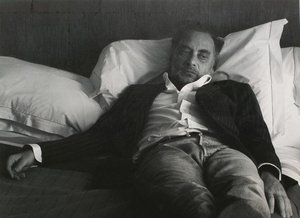
1956, Itaalia
Rudolf Stingel
Rudolf Stingel: Biograafia Sündinud: Merano, Itaalia (1956) Praegune elukoht: New York, USA Rahvusuus: Itaalia Varajased aastad ja kunstiline areng Rudolf Stingel astus kunstimaailna stsenääride ette 1980-ate lõpus kui märkimistekas tegelane. Alguses tekkis ta nimi tuntuks tema monokroomsete maaliduste tõttu, kus peamiselt aastatel 1987 kuni 1994 loodud teosed uhusid hõbedast pinda pehmete punase, kollase või sinise alatonidega. See varajane periood kinnistas Stingeli huvi pindade ja perseptsiooni uurimisele. Tema kunstiline areng tegi murdeliku pöörde 1990-atel, mil ta hakkas eksperimenteerima kooslemispäraga värvide ja tekstuuridega.
Teel Rudolf Stingel kohta Rudolf Stingel silmapaistvad teosed
Essee teemadel Untitled
 Spontaneity and Matter: Distinguishing CoBrA from Art InformelMaster the differences between CoBrA and Art Informel with our expert guide. Learn to identify these post-war movements today.
 10 Iconic Masterpieces Defining the Contemporary Art EraExplore 10 iconic works defining the contemporary era. Discover museum-quality masterpieces on OriginalUniqueArt.com.
 Color & Emotion: The 25 Most Iconic Masterpieces by Mark RothkoImmerse yourself in the profound emotion of Abstract Expressionism. Explore 25 iconic Mark Rothko masterpieces, from his signature color fi…