Eelvaade
 Saada
Saada Jaga
Jaga
 Teave teose kohta

 Laadi alla
 Sarnased teosed
 Röntgenuuring
 Slaidietendus
Modern Tapestry Cartoon


 Loe lähemalt
Giclée / Kunstiprint
Muuseumikvaliteediga giclée- või kangasprint kiire tootmisega ja paindlikud viimistlusvõimalused. ( Osta käsitsi maalitud maal Osta pilt)




P118B $10

P118H $10

P118W $10

P438Z $10

P508JH $12

P508YH $12

P805H $10

P805Z $10

P919BZ $10

P919G $10

P919XJ $10

P959ZH $10

P968JZ $12

W106C $8

W218G $10

W218JH $8

W218Y $10

W307PJ $10

W316G $10

W316PJ $8

W316Y $10

W398PJ $8

W4111J $10

W500HY $15

W500JH $15

W692G $12

W849H $8

W940BG $15

W953PJ $8




Vali meie eelmääratud suurused, mis vastavad teose algupärastele proportsioonidele.

Saate sisestada oma mõõdud, et need sobiks konkreetse raami või ruumi sisse. Kui valitud suurus ei vasta originaalteose proportsioonidele, lõigame teose ära või laiendame pilti peegeldatud või ühtlase servaga. Enne tootmisprotsessi algust saadetakse Teie kinnitamiseks digitaalne näidis.
Palun märka, et ekraanil kuvatav eelvaade ei kajasta tegelikku lõigamist või laiendamist. Ainult näidis kujutab täpselt lõplikku kompositsiooni.
Kuigi erimõõdu on saadaval, soovitame originaaproportsioonide säilitamiseks valida mõõt ette määratud nimekirjast.
Ülemaailmne tarne () 2 nädala jooksul, tavalise 4/5 nädala asemel. (23 august)

Tasuta ekspresssaatmine üle maailma

Kõrgekvaliteediline linakangas

Täielik transpordikindlustus

Tollimaksude tagastamise garantii

Värvitoime täpsuse garantii

60-päevane tagastusõig: ainult tootmisdefektide korral

100% raha tagasi garantii

Hulgusoodustus
 Klaasivalik on saadaval ainult suuruses kuni 110 cm

Modern Tapestry Cartoon
Giclée / Kunstiprint
Reproduktsiooni suurus
-


Kogusumma
$ 80
Kogumuse kirjeldus
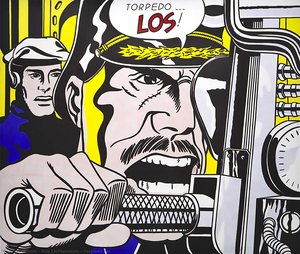
A Pop Art Icon: Roy Lichtenstein's "Modern Tapestry Cartoon"
Roy Lichtenstein’s “Modern Tapestry Cartoon,” painted in 1967, is more than just a depiction of a woman with a guitar; it’s a vibrant embodiment of the Pop Art movement’s challenge to traditional artistic boundaries. This piece, brimming with bold color and a deliberately graphic aesthetic, captures the spirit of an era obsessed with mass media, consumer culture, and the blurring lines between high art and popular imagery. The painting immediately draws the eye to its central figure – a woman in bright yellow attire, her gaze direct and engaging, holding a guitar as if mid-performance. This seemingly simple composition is meticulously constructed using Lichtenstein’s signature Ben-Day dots, a technique borrowed from comic book printing that lends the artwork a distinctive, almost tactile quality.
- Style: Pop Art – characterized by its use of everyday imagery and bright, saturated colors.
- Technique: Lichtenstein’s iconic Ben-Day dots create an illusion of shading and texture, mimicking the printing process.
- Subject Matter: A woman playing a guitar, reflecting themes of leisure, entertainment, and American culture prevalent in the 1960s.
Historical Context & The Rise of Pop Art
Created during a period of immense social and cultural change – the height of the Cold War, the burgeoning counterculture movement, and the rise of television – “Modern Tapestry Cartoon” reflects Lichtenstein’s engagement with these shifts. The 1960s were defined by an increasingly mediated reality, where images from advertising, comic books, and popular culture saturated daily life. Lichtenstein consciously embraced this influence, elevating seemingly trivial subjects to the level of fine art. His work directly responded to the growing consumerism and the homogenization of experience that characterized American society at the time. The inclusion of a clock subtly references the relentless march of time and the anxieties surrounding technological advancement – themes frequently explored within Pop Art.
Symbolic Layers & Compositional Intent
Beyond its surface appeal, the painting is rich in symbolic layers. The woman with the guitar represents not just musical talent but also a sense of youthful exuberance and freedom. The other figure on the right, though partially obscured, adds an element of mystery and perhaps suggests the influence of popular culture’s fascination with celebrity. The carefully arranged elements – the clock, the chair – contribute to the overall composition, creating a dynamic visual experience that invites contemplation. Lichtenstein's deliberate use of perspective and scale further enhances this effect, drawing the viewer into the scene.
Emotional Impact & Collecting
"Modern Tapestry Cartoon" possesses an undeniable energy and immediacy. Its bold colors and graphic style evoke a sense of excitement and nostalgia, while its subject matter speaks to universal themes of identity, entertainment, and the human condition. A hand-painted reproduction offers a unique opportunity to own a piece of art history – a tangible connection to one of the most influential artists of the 20th century. This artwork is not merely decoration; it’s an investment in a legacy of innovation and a testament to Lichtenstein's enduring impact on the world of art.
Kunstniku elulugu
The Genesis of a Pop Visionary
Roy Fox Lichtenstein, born in the vibrant metropolis of New York City on October 27, 1923, indelibly altered the landscape of twentieth-century art. Emerging as a pivotal figure within the Pop Art movement, Lichtenstein didn’t simply reflect his era; he actively interrogated it, transforming commonplace imagery into compelling artistic statements. His upbringing in an upper-middle-class Jewish family fostered both a cultural awareness and an early artistic inclination. Childhood exposure to museums and concerts, coupled with a deep appreciation for jazz music, laid the groundwork for a creative spirit that would challenge conventional notions of fine art. Though initially drawn to realistic drawing and painting during his formative years, Lichtenstein’s formal training commenced at the Art Students League in 1939 under Reginald Marsh, followed by studies at Ohio State University – interrupted briefly by wartime service in the Army. These experiences provided a robust technical foundation that would later be brilliantly re-contextualized through the lens of mass culture and commercial aesthetics. The seeds of his signature style weren’t sown within the hallowed halls of artistic tradition but rather in the often-overlooked world of everyday imagery, particularly comic books and advertising.Early Influences and Artistic Exploration
Lichtenstein's formative years were marked by a fascination with Surrealism, mirroring the dominant aesthetic currents of his time. However, this initial engagement proved transitional, propelling him toward a radical stylistic shift. A crucial encounter transpired during his tenure at Rutgers University where he connected with Allan Kaprow, whose influence rekindled Lichtenstein’s interest in proto-pop iconography. This serendipitous meeting sparked a transformative reconsideration of artistic boundaries, prompting him to question the established dichotomy between “high” and “low” art. He began venturing beyond the subjective realm of Surrealism toward the objective language of popular culture – specifically, comic books and advertising. The year 1961 witnessed a decisive breakthrough with *Look Mickey*, a work that boldly appropriated characters from Disney comics, signaling the commencement of his distinctive style. This wasn’t mere imitation; it was an act of artistic re-evaluation, elevating commonplace imagery to the stature of fine art. He didn't simply replicate comic strip scenes; he meticulously recreated them utilizing techniques mirroring commercial printing processes – a deliberate blurring of distinctions between original artwork and mass production. This appropriation wasn’t about celebrating consumerism uncritically but rather scrutinizing its pervasive dominion over American society and contesting entrenched artistic hierarchies.The Birth of Ben-Day Dots and Bold Color Palettes
Lichtenstein's artistic vocabulary swiftly gained recognition: bold, primary hues, thick black outlines, and most notably, Ben-Day dots – a technique directly borrowed from the mechanical reproduction of comic books. These dots weren’t merely decorative; they constituted integral to his conceptual framework, representing the very process of mass production and challenging the traditional emphasis on the artist's hand. His paintings frequently magnified details from comic strips to monumental scale, compelling viewers to confront the aesthetic qualities of an art form typically dismissed as trivial. Works like *Whaam!*, *Drowning Girl*, and *Oh, Jeff…I Love You, Too…But…* became emblematic representations of Pop Art, encapsulating anxieties and desires inherent in a rapidly evolving consumer culture. These weren’t simply depictions of comic book narratives; they functioned as commentaries on themes of war, romance, and societal expectations – filtered through the visual language of mass media. He aimed to liberate art from subjective expression, presenting his work as impartial reflections of American society—a mirror held up to its own manufactured reality. The deliberate flatness and absence of painterly gesture further underscored this detachment, mirroring the impersonal nature of commercial printing.Major Achievements and Artistic Legacy
Lichtenstein’s influence extended far beyond the confines of painting. His innovative utilization of commercial techniques and appropriation paved the way for subsequent generations of artists investigating themes of consumerism, media saturation, and cultural identity. The sale of *Masterpiece* in 2017 solidified his position as one of the most commercially successful American artists of all time—but his legacy transcends monetary valuation. He challenged conventional notions of artistic authorship and originality, prompting a fundamental reassessment of what constitutes “art” itself. His oeuvre continues to inspire graphic designers, illustrators, and visual artists across diverse disciplines.- Significant Contributions: Spearheaded Pop Art style; achieved international acclaim through groundbreaking exhibitions.
- Iconic Works: *Whaam!*, *Drowning Girl*, *Oh, Jeff…I Love You, Too…But…*, *Masterpiece*.
- Teaching Influence: Shaped aspiring artists at SUNY Oswego and Rutgers University.

Roy Fox Lichtenstein
1923 - 1997 , USA
Lühikesed faktid
- Artistic Movement Or Style: Pop Art
- Artists Who Influenced This Artist:
- Reginald Marsh
- Allan Kaprow
- Date Of Birth: October 27, 1923
- Date Of Death: September 29, 1997
- Full Name: Roy Fox Lichtenstein
- Nationality: American
- Notable Artworks:
- Whaam!
- Drowning Girl
- Oh, Jeff…I Love You, Too…But…
- Place Of Birth: New York City, USA
Seotud artiklid
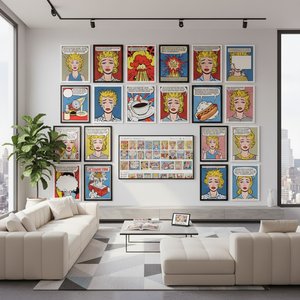
Roy Lichtensteini 25 parimat teost: popkunst ja koduseinte elegants
Avastage Roy Lichtensteini 25 parimat teost! Sukelduge popkunsti maailma, õppige maalidest ja tehnikatest. Kvaliteetsed reproduktsioonid ja interjööridisaini ideed OriginalUniqueArt.com-is. Vaadake kollektsiooni!
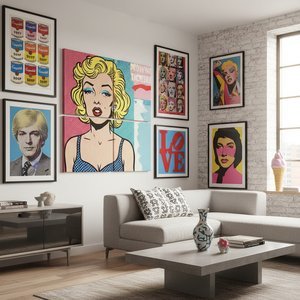
Pop Art meistriteosed: 10 ikoonilist teost, mis muutis kunsti maailma
Avastage 10 popkunstistiili ikoonilist teost Andy Warholist Roy Lichtensteini. Lugege kunstiteoste lugusid, tehnikat ja ajaloogu. Leidke oma seina jaoks täiuslik maali OriginalUniqueArt.com-is! Vaadake kollektsiooni.

Golden Hues: 10 Masterpieces Dominated by Chrome Yellow | OriginalUniqueArt
Immerse yourself in golden light! Explore 10 famous paintings dominated by 'Chrome Yellow', from Van Gogh’s Sunflowers to Monet's Haystacks. Discover the stories behind these iconic Impressionist & Post-Impressionist masterpieces and find museum-quality art reproductions at OriginalUniqueArt.com.
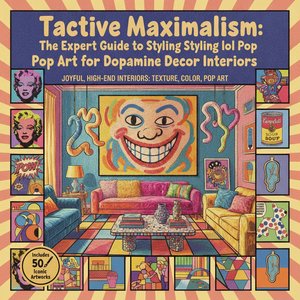
Tactile Maximalism: The Expert Guide to Styling Bold Pop Art for Dopamine Decor Interiors
Master the art of Dopamine Decor with our expert guide to Tactile Maximalism. Learn how to professionally style bold Pop Art through texture, color theory, and curated layers to create a joyful, high-end interior that inspires.

Geek-Chic Interiors: The Definitive Guide to Decorating with Sophisticated Pop Culture Art
Elevate your home with our expert guide to Geek-Chic interiors. Discover how to seamlessly integrate sophisticated pop culture art and hand-painted masterpieces into luxury decor for a refined, modern aesthetic.