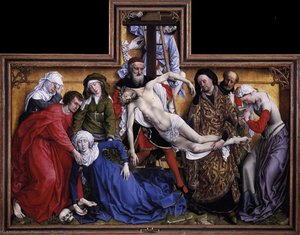
Eelvaade
 Saada
Saada Jaga
Jaga
 Teave teose kohta
 Juhend

 Laadi alla
 Sarnased teosed
 Röntgenuuring
 Slaidietendus
 KÜSIMUSED JA VASTUSID
 Statistika
The Last Judgment (detail) (10)


 Loe lähemalt
Giclée / Kunstiprint
Muuseumikvaliteediga giclée- või kangasprint kiire tootmisega ja paindlikud viimistlusvõimalused. ( Osta käsitsi maalatud teos Lülita digitaalse pildi juurde)




P118B €10

P118H €10

P118W €10

P438Z €10

P508JH €12

P508YH €12

P805H €10

P805Z €10

P919BZ €10

P919G €10

P919XJ €10

P959ZH €10

P968JZ €12

W106C €8

W218G €10

W218JH €8

W218Y €10

W307PJ €10

W316G €10

W316PJ €8

W316Y €10

W398PJ €8

W4111J €10

W500HY €15

W500JH €15

W692G €12

W849H €8

W940BG €15

W953PJ €8




Vali meie eelmääratud suurused, mis vastavad teose algupärastele proportsioonidele.

Sisestage vajalik laius ja kõrgus, et see sobiks teie raamile või seinale. Trükki saab ainult lõigata, seda ei saa kunagi pildist suuremaks teha, seega ka erineva mustega suurus kaotab osa pildist. Enne trükkimist saadame teile kinnitamiseks digitaalse näidisprojektsiooni. Sellel lehel näidatud pilt ei kujuta reaalset lõiget — seda näitab ainult näidisprojektsioon.
Ülemaailmne tarne () 2 nädala jooksul, tavalise 4/5 nädala asemel. (8 november)

Tasuta ekspresssaatmine üle maailma

Kõrgekvaliteediline lina-kangas

Täielik transpordikindlustus

Tollimaksude tagastamise garantii

Värvitoime täpsuse garantii

100 päeva tagastusõigus (ainult valmistusdefektide korral)

100% raha tagasi garantii

Hulgusoodustus
 Klaasivalik on saadaval ainult kuni 110 cm suuruses teostes

The Last Judgment (detail) (10)
Giclée / Kunstiprint
Reproduktsiooni suurus
-


Koguhind
€ 72
A Symphony of Sorrow and Salvation: Examining Rogier van der Weyden’s ‘The Last Judgment’ Detail
Rogier van der Weyden's 'The Last Judgment,' specifically this arresting detail from the monumental Polyptych housed in Beaune Cathedral, transcends mere depiction; it embodies a profound meditation on mortality and divine justice. Completed around 1446-52 during the Burgundian Renaissance, this painting stands as an unparalleled achievement of Early Netherlandish art—a testament to Van der Weyden’s mastery of emotion and meticulous craftsmanship. Commissioned by Nicolas Rolin, a wealthy patron who envisioned Beaune Cathedral as a beacon of piety, the altarpiece aimed to inspire awe and contemplation within its viewers.- Style & Technique: Van der Weyden's signature style is characterized by an astonishing realism—a departure from the stylized conventions prevalent in earlier artistic movements. He employed oil paint on wood panel, a technique that allowed for unprecedented luminosity and textural nuance. Observe how he painstakingly renders the folds of drapery, conveying weight and movement with remarkable accuracy. The subtle gradations of color contribute to the overall dramatic effect, capturing the ethereal glow of heaven and the grim darkness of hell.
- Historical Context: The painting reflects the anxieties surrounding death and judgment prevalent in fifteenth-century Europe—a period marked by plague outbreaks and a heightened preoccupation with theological concerns. It draws heavily upon biblical narratives concerning the Second Coming of Christ and the final reckoning before God, themes central to Christian belief at the time.
- Symbolism: The composition itself is laden with symbolic significance. At its core lies the scale held aloft by Jesus Christ—a visual representation of divine judgment, weighing souls against righteousness. The figures surrounding him embody various roles in salvation and damnation, reflecting the complexities of Christian theology. Notably, the kneeling Adam symbolizes humanity’s fallen state, awaiting divine redemption.
- Emotional Impact: Van der Weyden's masterful portrayal captures the visceral experience of confronting mortality—a palpable sense of sorrow mingled with hope. The faces of the figures are etched with anguish and despair, conveying the gravity of their predicament. Yet, amidst the gloom, there’s a glimmer of divine compassion, embodied in Jesus’ gaze and the serene expressions of angelic beings.
Comparative Perspective: Michelangelo's Vision
While Van der Weyden’s approach prioritizes psychological depth and textural realism—a hallmark of Northern European art—Michelangelo’s monumental fresco depicting ‘The Last Judgment’ in the Sistine Chapel embodies a distinctly Roman aesthetic. Unlike Van der Weyden’s restrained palette and meticulous detail, Michelangelo utilized vibrant colors to convey grandeur and dynamism. However, both artists share a fundamental aim: to communicate the profound theological message of divine judgment and eternal salvation—a timeless concern that resonates across cultures and eras.Beyond Reproduction: Embracing Artistic Legacy
A high-quality reproduction of ‘The Last Judgment’ detail offers an opportunity to appreciate Van der Weyden's artistic genius and immerse oneself in the spiritual atmosphere of fifteenth-century Burgundy. OriginalUniqueArt.com presents meticulously crafted reproductions that faithfully capture the painting’s luminosity, texture, and emotional intensity—allowing collectors and interior designers alike to bring this iconic masterpiece into their homes. Explore the collection today!Korduvad küsimused
Milliseid ühiseid elemente jagab teos "The Last Judgment (detail) (10)" Rogier Van Der Weyden muud loominguga?
"The Last Judgment (detail) (10)" kuulub Rogier Van Der Weyden Early Netherlandish Painting perioodi teosetele, mille tuntud teemad hõlmavad emotional expressionism, byzantine tradition, christian beliefs, moral reflection, royal patronage, spiritual symbolism, iconic imagery, artistic mastery.
Milline on teose „The Last Judgment (detail) (10)“, autor Rogier Van Der Weyden emotsionaalne toon?
„The Last Judgment (detail) (10)“, autor Rogier Van Der Weyden edastab Dramatic emotsionaalset toonust.
Millist värvipaletti ja millist tunnet "The Last Judgment (detail) (10)" ühendab?
Teos „The Last Judgment (detail) (10)“, autor Rogier Van Der Weyden ühendab endas Earthy värvipaletti ja Dramatic toonist.
Kunstniku elulugu
Rogeri van der Weideni: Emotsioonide Meister ja Varase Madalmaade Kunsti Põhjajalg
Rogeri van der Weiden, keda tuntakse ka Roger de la Pasture'ina, sündis umbes 1400. aastal Tournais, tänapäeva Belgias. Tema eluvarased aastad on ümbritud müsteeriumiga, kuid on teada, et ta õppis esmalt kuldsepa ametit, mis andis talle suurepärase silma detailidele ja vormile – oskused, mida ta hiljem rakendas oma maalijategevuses. 1427. aastal sai temast Tournai maalijate gildi meister, märk tunnustatud talentidest ja väärtusest. See oli oluline verstapost tema karjääris, mis avas uksi tähtsamatele tellimustele ja võimaldas tal oma kunsti arendada. 1435. aastal astus ta teenistusse Burgundia hertsogi Philips Hea juures, mis kujundas tema hilisemat elu ja loomingut oluliselt. Hertsogi õukonnas nautis Weiden mitte ainult rahalist stabiilsust, vaid ka ligipääsu eliidi ringkondadele ning võimalust näidata oma kunsti silmapaistvatele patroonidele. See periood oli kriitiline tema kunstilise visiooni arengus, kui ta hüljaski varasemate Madalmaade maalijate jäikad konventsioonid ja pöördus emotsionaalselt jõulise ning realistlikuma lähenemise poole. Ta ei maalinud lihtsalt religioosseid teemasid; ta püüdis äratada vaatajas tunde, luues kogemuse, mis ületas pelgalt vaatamise.Varajased Teosed ja Stiili Areng
Weideni varasemad tööd näitavad juba tema ainulaadset lähenemist kunstile, kuid aja jooksul täienes ta oskuslikkus ning süvenes tema stiil. Ta oli üks esimesi maalijaid, kes hoidus põhjalikest eeljoonistustest, usaldades oma vahetut vaatlust ja käsitööd. Tema värvilahendused olid rikkad ja mitmekesised, kasutades erinevaid toone ja varjundeid, et luua sügavust ning keerukust kompositsioonis. Eriliselt silmapaistev oli tema võime kujutada inimeste tundeid – *pathos* – eriti Kristuse kannatuslugu käsitlevates teostes. Näiteks "Kristuse ristilt võtmine" (1438), mis asub Hispaania kuningliku lossi kapellis, näitab seda suurepäraselt. Kunstnik kujutas iga figuuri näol ja liigutustes erinevat valu ja kurbust, saavutades dramaatilise efekti, mida varem polnud nii selgelt täheldatud. See oli oluline samm võrreldes Jan van Eyckiga, kelle figuurid säilitasid alati rahu nii poosides kui ka hingeelu väljendustes. Weideni teosed olid sageli dramaatilised ja patneed, täis sügavat ilmekust ning meeleheitmist.Peamised Teosed ja Pärand
Rogeri van der Weideni looming on rikas ja mitmekesine, kuid mõned teosed eristuvad oma kunstilise väärtuse poolest. "Viimase kohtupäeva" tiibaltar (1445), mis asub Beaune'i haiglas Dijoni lähedal, on üks tema suurimaid saavutusi, näidates suurepärast ruumitaju ja keerukat kompositsiooni. Tema teosed olid väga nõutud kogu Euroopas, eriti Itaalias ja Hispaanis, kus nad tutvustasid uut emotsionaalset sügavust ning naturalismi kohalikele kunstnikele. Weideni mõjutus ulatus kaugemale tema kodumaa piiride, inspireerides lugematuid kunstnikke ja kujundades lääne kunsti arengut sajanditeks. Ta aitas kindlustada õlimaalimise kui peamise tehnikat ning tõstis kunstniku staatust ühiskonnas, muutes nad oskuslikest käsitöölistest austatud loojateks. Tema pärand elab tänapäevani edasi, tuues esile tema geniaalsuse ja sügava arusaamise inimloomusest.Mõjud ja Kunstnikud, Keda Ta Esitas
Weideni loomingule mõjutasid eelkõige varasemad Madalmaade kunstnikud nagu Robert Campin ning Jan van Eyck, kuid ta suutis luua oma ainulaadse stiili, mis eristus teistest. Tema tööd näitavad ka itaalia renessansikunsti mõju, eriti pärast tema reisi Itaaliasse aastal 1449–1450. See aegas oli märgata pehmemat selgust ning rahulikkust tema piltides. Weideni kunstnikkolleegide seas võib nimetada Hugo van der Goesi, kelle Portinari altarimaal näitab sarnaseid emotsionaalseid sügavusi ja detailset tähelepanu. Ta oli üks kolmest "suurest" varajastest flaami meistritest (koos Jan van Eyckiga ja Robert Campiniga), kes aitasid kujundada Põhja-Renessansi kunsti ning luua aluse hilisemale Euroopa kunstile.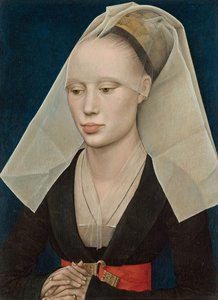
Rogier Van Der Weyden
1400 - 1464 , Belgia
Lühikest infot
- Artistic Movement Or Style: Varajane Hollandi maal
- Artists Or Movements Influenced By This Artist:
- Itaalia renessanss
- Hispaania maalimine
- Artists Who Influenced This Artist:
- Robert Campin
- Jan van Eyck
- Date Of Birth: u 1400 Tournai
- Date Of Death: 1464 Brüssel
- Full Name: Rogier van der Weyden
- Nationality: Belgia
- Notable Artworks:
- St Luke Drawing the Madonna
- Lamentation
- Deposition
- The Annunciation
- Bladelin Triptych
- Place Of Birth: Tournai, Belgia
Sarnased artiklid

Hugo van der Goes: Devotion, Innovation & the Psychological Depth of Early Netherlandish Painting
Explore the revolutionary art of Hugo van der Goes – a master of Early Netherlandish painting renowned for his dramatic realism, psychological depth & profound influence on Renaissance artists. Discover his iconic works and lasting legacy.

Rogier van der Weyden: Emotion, Innovation & the Early Netherlandish Renaissance
Explore the revolutionary art of Rogier van der Weyden, a pivotal figure of the Early Netherlandish Renaissance. Discover his emotional realism, innovative compositions, and lasting impact on painting history.

Rembrandti 25 meistriteost: Valgus ja varjud Hollandi kuldajast kunstikollektsioonis
Avastage Rembrandti 25 meistriteost! Hollandi kuldajastu barokkmaalid, portreed ja ajaloolised stseenid. Leidke inspiratsiooni interjööri kujunduseks või soetage luksuslik Rembrandt reproduktsioon OriginalUniqueArt.com-ist. Avastage kogu kollektsioon veebis!

Early Netherlandish Masters: 10 Paintings That Revolutionized Art & Decor
Journey into the world of Early Netherlandish painting! Explore 10 masterpieces by Jan van Eyck, Rogier van der Weyden & more. Discover stunning detail, symbolism & Renaissance art for your home decor. Find museum-quality reproductions on OriginalUniqueArt.com
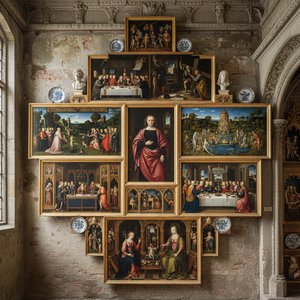
Early Netherlandish Masters: 10 Paintings That Revolutionized Art & Decor
Journey into the Early Netherlandish Renaissance! Explore 10 iconic paintings by Jan van Eyck, Rogier van der Weyden & more. Discover stunning detail, symbolism, and oil painting techniques. Find museum-quality art reproductions for your home at OriginalUniqueArt.com.