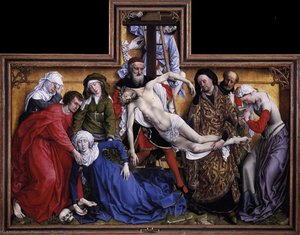
Vaata sisu
 Jaga teost
 Jaga
Jaga
 Detailid
 Õppekate juhend

 Laadi alla
 Sarnased teosed
 Röntgenuuring
 Slaidietendus
 Statistika
Christ on the cross


 Loe lähemalt
Giclée / Kunstiprint
Muuseumikvaliteediga giclée- või kangasprint kiire tootmisega ja paindlikud viimistlusvõimalused. ( Telli käsitsi maalitud reproduktsioon Ülemineku digitaalse pildi müügi kanalisse)




P118B €10

P118H €10

P118W €10

P438Z €10

P508JH €12

P508YH €12

P805H €10

P805Z €10

P919BZ €10

P919G €10

P919XJ €10

P959ZH €10

P968JZ €12

W106C €8

W218G €10

W218JH €8

W218Y €10

W307PJ €10

W316G €10

W316PJ €8

W316Y €10

W398PJ €8

W4111J €10

W500HY €15

W500JH €15

W692G €12

W849H €8

W940BG €15

W953PJ €8




Vali meie eelmääratud suurused, mis vastavad teose algupärastele proportsioonidele.

Sisestage vajalik laius ja kõrgus, et see sobiks teie raamile või seinale. Trükki saab ainult lõigata, seda ei saa kunagi pildist suuremaks teha, seega ka differentse vormiga suurus kaotab osa pildist. Enne trükkimist saadame teile kinnitamiseks digitaalse näidisprojektsiooni. Sellel lehel näidatud pilt ei kujuta reaalset lõiget — seda näitab ainult näidisprojekttsioon.
Ülemaailmne tarne () 2 nädala jooksul, tavalise 4/5 nädala asemel. (24 oktoober)

Tasuta ekspresssaatmine üle maailma

Kõrgekvaliteediline lina-kangastest muld

Täielik transpordikindlustus

Tollimaksude tagastamise garantii

Värvitoime täpsuse garantii

100 päeva tagastusõigus (ainult defektide korral)

100% raha tagasi garantii

Hulgusoodustus
 Klaasivalik on saadaval ainult kuni 110 cm suuruses teostes

Christ on the cross
Giclée / Kunstiprint
Reproduktsiooni mõõtmed
-


Lõppsumma
€ 70
A Symphony of Sorrow: The Emotional Mastery of Rogier van der Weyden
To stand before Rogier van der Weyden’s 'Christ on the Cross' is to enter a sacred space where time seems to suspend itself, held captive by the sheer weight of human grief. Painted around 1460, this masterpiece of the Early Netherlandish period is far more than a mere religious icon; it is a profound psychological study rendered in oil. The scene captures the precise moment of the Crucifixion, yet it transcends historical documentation to become an eternal meditation on sacrifice and compassion. As one gazes upon the central figure of Christ, the viewer is not merely an observer but a witness to a cosmic tragedy, invited into a silent dialogue with the divine through the lens of deeply relatable human suffering.
The composition is anchored by a masterful pyramidal structure, a hallmark of Renaissance stability that directs the eye upward toward the apex of the cross. This geometric arrangement serves a dual purpose: it provides a sense of monumental permanence to the scene while simultaneously elevating Christ’s sacrifice above the earthly mourners below. Flanking the central figure are the Virgin Mary, St. John the Evangelist, and Mary Magdalene, their bodies arranged in a way that creates a cascading flow of emotion. The artist uses this triangular configuration to guide the viewer's gaze from the heavy, earthbound sorrow of the saints up toward the luminous, yet agonizing, silhouette of the Savior, creating a visual bridge between the mortal and the divine.
The Alchemy of Detail: Technique and Texture
Van der Weyden’s background as a trained goldsmith is palpably evident in the meticulous execution of this work. Utilizing the relatively new medium of oil on wood panel, he achieved a level of luminosity and microscopic detail that was revolutionary for his era. The artist employs sophisticated hatching and cross-hatching techniques to sculpt the anatomy of Christ and the heavy, sculptural folds of the drapery worn by the mourners. Every texture—from the rough, splintering grain of the wooden cross to the soft, tear-stained skin of the Virgin—is rendered with an almost supernatural precision that invites the eye to linger on every nuance.
This technical brilliance serves the painting's emotional narrative perfectly. The way light interacts with the painted surfaces creates a sense of depth and atmosphere; a diffused, somber light washes over the scene, casting soft shadows that accentuate the hollows of grief-stricken faces. For the collector or interior designer, this level of detail offers an unparalleled sensory experience. A high-quality reproduction of such a work brings not just a piece of history into a room, but a tactile sense of presence, where the interplay of light and shadow can transform the mood of a sophisticated living space or a quiet study.
A Legacy of Devotion for the Modern Collector
Beyond its technical merits, 'Christ on the Cross' remains an enduring symbol of spiritual fervor. The symbolism is woven into the very fabric of the painting: the cross represents both the instrument of death and the emblem of redemption, while the presence of the saints embodies the communal nature of mourning and faith. It is a work that speaks to the universal human experience of loss and the search for meaning amidst tragedy.
For those seeking to curate an environment of reflection, depth, and historical significance, this artwork offers a profound focal point. Whether placed in a grand gallery setting or as a contemplative centerpiece in a private residence, Van der Weyden’s masterpiece commands respect and evokes a sense of awe. Owning a reproduction of this caliber allows one to preserve the legacy of the Northern Renaissance, bringing the quiet, powerful whispers of the 15th century into the contemporary world.
Küsimused ja vastused
Milline on teose „Christ on the cross“, autor Rogier Van Der Weyden värvitoon intensiivsus?
Teose „Christ on the cross“, autor Rogier Van Der Weyden värvitoon on Monochromatic.
Kas teos "Christ on the cross" on saadaval kunstiprentina?
Teose „Christ on the cross“, autor Rogier Van Der Weyden trüket saab tellida otse selle Kõlblik kunstutrüki kvaliteetne trükis lehelt: kunstiprint puuvillalõikel}}^{\text{canvas}}$ või arhiveeritaval kangaspaberil.
Milline on teose „Christ on the cross“, autor Rogier Van Der Weyden värvitoit?
Teose "Christ on the cross" värvipalett on koonuse方面 Muted.
Kunstniku elulugu
Rogeri van der Weideni: Emotsioonide Meister ja Varase Madalmaade Kunsti Põhjajalg
Rogeri van der Weiden, keda tuntakse ka Roger de la Pasture'ina, sündis umbes 1400. aastal Tournais, tänapäeva Belgias. Tema eluvarased aastad on ümbritud müsteeriumiga, kuid on teada, et ta õppis esmalt kuldsepa ametit, mis andis talle suurepärase silma detailidele ja vormile – oskused, mida ta hiljem rakendas oma maalijategevuses. 1427. aastal sai temast Tournai maalijate gildi meister, märk tunnustatud talentidest ja väärtusest. See oli oluline verstapost tema karjääris, mis avas uksi tähtsamatele tellimustele ja võimaldas tal oma kunsti arendada. 1435. aastal astus ta teenistusse Burgundia hertsogi Philips Hea juures, mis kujundas tema hilisemat elu ja loomingut oluliselt. Hertsogi õukonnas nautis Weiden mitte ainult rahalist stabiilsust, vaid ka ligipääsu eliidi ringkondadele ning võimalust näidata oma kunsti silmapaistvatele patroonidele. See periood oli kriitiline tema kunstilise visiooni arengus, kui ta hüljaski varasemate Madalmaade maalijate jäikad konventsioonid ja pöördus emotsionaalselt jõulise ning realistlikuma lähenemise poole. Ta ei maalinud lihtsalt religioosseid teemasid; ta püüdis äratada vaatajas tunde, luues kogemuse, mis ületas pelgalt vaatamise.Varajased Teosed ja Stiili Areng
Weideni varasemad tööd näitavad juba tema ainulaadset lähenemist kunstile, kuid aja jooksul täienes ta oskuslikkus ning süvenes tema stiil. Ta oli üks esimesi maalijaid, kes hoidus põhjalikest eeljoonistustest, usaldades oma vahetut vaatlust ja käsitööd. Tema värvilahendused olid rikkad ja mitmekesised, kasutades erinevaid toone ja varjundeid, et luua sügavust ning keerukust kompositsioonis. Eriliselt silmapaistev oli tema võime kujutada inimeste tundeid – *pathos* – eriti Kristuse kannatuslugu käsitlevates teostes. Näiteks "Kristuse ristilt võtmine" (1438), mis asub Hispaania kuningliku lossi kapellis, näitab seda suurepäraselt. Kunstnik kujutas iga figuuri näol ja liigutustes erinevat valu ja kurbust, saavutades dramaatilise efekti, mida varem polnud nii selgelt täheldatud. See oli oluline samm võrreldes Jan van Eyckiga, kelle figuurid säilitasid alati rahu nii poosides kui ka hingeelu väljendustes. Weideni teosed olid sageli dramaatilised ja patneed, täis sügavat ilmekust ning meeleheitmist.Peamised Teosed ja Pärand
Rogeri van der Weideni looming on rikas ja mitmekesine, kuid mõned teosed eristuvad oma kunstilise väärtuse poolest. "Viimase kohtupäeva" tiibaltar (1445), mis asub Beaune'i haiglas Dijoni lähedal, on üks tema suurimaid saavutusi, näidates suurepärast ruumitaju ja keerukat kompositsiooni. Tema teosed olid väga nõutud kogu Euroopas, eriti Itaalias ja Hispaanis, kus nad tutvustasid uut emotsionaalset sügavust ning naturalismi kohalikele kunstnikele. Weideni mõjutus ulatus kaugemale tema kodumaa piiride, inspireerides lugematuid kunstnikke ja kujundades lääne kunsti arengut sajanditeks. Ta aitas kindlustada õlimaalimise kui peamise tehnikat ning tõstis kunstniku staatust ühiskonnas, muutes nad oskuslikest käsitöölistest austatud loojateks. Tema pärand elab tänapäevani edasi, tuues esile tema geniaalsuse ja sügava arusaamise inimloomusest.Mõjud ja Kunstnikud, Keda Ta Esitas
Weideni loomingule mõjutasid eelkõige varasemad Madalmaade kunstnikud nagu Robert Campin ning Jan van Eyck, kuid ta suutis luua oma ainulaadse stiili, mis eristus teistest. Tema tööd näitavad ka itaalia renessansikunsti mõju, eriti pärast tema reisi Itaaliasse aastal 1449–1450. See aegas oli märgata pehmemat selgust ning rahulikkust tema piltides. Weideni kunstnikkolleegide seas võib nimetada Hugo van der Goesi, kelle Portinari altarimaal näitab sarnaseid emotsionaalseid sügavusi ja detailset tähelepanu. Ta oli üks kolmest "suurest" varajastest flaami meistritest (koos Jan van Eyckiga ja Robert Campiniga), kes aitasid kujundada Põhja-Renessansi kunsti ning luua aluse hilisemale Euroopa kunstile.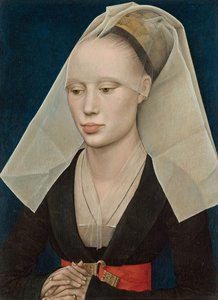
Rogier Van Der Weyden
1400 - 1464 , Belgia
Lühikest infot
- Artistic Movement Or Style: Varajane Hollandi maal
- Artists Or Movements Influenced By This Artist:
- Itaalia renessanss
- Hispaania maalimine
- Artists Who Influenced This Artist:
- Robert Campin
- Jan van Eyck
- Date Of Birth: u 1400 Tournai
- Date Of Death: 1464 Brüssel
- Full Name: Rogier van der Weyden
- Nationality: Belgia
- Notable Artworks:
- St Luke Drawing the Madonna
- Lamentation
- Deposition
- The Annunciation
- Bladelin Triptych
- Place Of Birth: Tournai, Belgia
Sarnased artiklid

Ootamine, kuni maali kõduneb: Kui kaua võtab tellimusena tehtud õlimaal tegelikult aega
Ekspertõli maali ülevaated ooteaegade, kõvenemise ja hinnakujunduse kohta. Õpi, kuidas stuudiod ja sõltumatud kunstnikud erinevad, loo usaldus läbipaistvate ajakavadega ning suurenda tellimuste väärtust usaldusväärse juhendamise abil OriginalUniqueArt toimetusest ekspertidelt.

Kui palju maksab tellida õli-maal fotopõhjal? Täielik hinnaväljak
Kas mõtlete, kui palju maksab õli-portree foto põhjal? Meie eksperdi juhend selgitab üksikasjalikult hinnavõrratust, võrreldes atelieride ja iseseisvate kunstnike tide. Saage teada, miks lapendi suurus ja inimeste arv mõjutavad hinda, ning vaadake läbipaistvat hinnakirja platvormidel OriginalUniqueArt, Etsy ja muud. Planeerige oma tellimust enesekindlalt.