Hudson River School · 1865
Landscape (Robert Seldon Duncanson, 1865)
Robert Seldon Duncanson (1821–1872) on loonud teose Landscape. See on pärinev 1865 aastast. See kuulub Hudson River School suuntrime. Teos on valmistatud materjalist Oil.
- 1865
- Oil

 Eelvaade

 Käsitsi maalatud õlimaalatsioon
 Saada
 Jaga
 Teave teose kohta


 Laadi alla
 Sarnased teosed
 Röntgenuuring
 Slaidietendus
 KÜSIMUSED JA VASTUSID

 Statistika
Landscape lühidalt
- Pealkiri
- Landscape
- Kunstnik
- Robert Seldon Duncanson (1821–1872)
- Kunstnik on sündinud
- Fayetteville, Ameerika Ühendriigid
- Kuupäev
- 1865
- Tehnika
- Oil
- Suunad
- Hudson River School
- Aeglkond
- 19th Century
- Teema
- landscape painting, river scene artwork, dusk dawn imagery, mountain vista view, nature’s grandeur”, “american art”
Mida Landscape kujutab?
Identification of the Landscape Painting
Landscape is a work by Robert Seldon Duncanson, executed in 1865. The artist, born around 1821 in Fayette, United States, produced this piece during his mature period. It belongs to the Hudson River School movement, a style characterized by its focus on the American wilderness and the sublime qualities of the natural world.
The painting captures a serene river scene at dusk or dawn. The composition utilizes a wide vista of rolling hills and mountains, with a central river leading the eye toward distant, hazy blue and purple mountain ranges. Small boats with figures navigate the water, situated between rocky banks in the foreground and the expansive background. This arrangement emphasizes the scale and tranquility of the landscape.
Composition and Visual Elements
The composition is structured around a central river that directs the eye toward the horizon. In the foreground, rocky banks and dense vegetation establish a tactile base for the scene. The middle ground contains several small boats, each carrying figures navigating the water. These elements create a sense of scale against the vastness of the surrounding terrain.
Horizontal lines dominate the arrangement, following the natural contours of the river and the rolling hills. This orientation emphasizes the breadth of the vista. In the background, distant mountain ranges appear in hazy blues and purples, utilizing atmospheric perspective to suggest significant depth. The lighting suggests the soft, diffused glow of either dawn or dusk, casting long shadows across the landscape.
Artistic Style and Technique
Executed during the artist's Mature Period, this oil painting aligns with the Hudson River School movement. The work adheres to the tenets of Romanticism, emphasizing the grandeur of the natural world through a focus on vastness and scale. Atmospheric perspective is employed to create depth, using a color palette dominated by muted earth tones. Subtle variations of blue and purple appear in the distant mountain ranges, providing a sense of receding space.
The technical application of paint relies on layering and deliberate brushstrokes to establish varied textures. These effects are most prominent in the rendering of the foliage and the rugged, rocky banks in the foreground. Such tactile qualities provide a physical presence to the organic shapes of the river and hills. The composition utilizes horizontal lines to reinforce the tranquility of the scene, mirroring the contours of the water and the surrounding terrain.
The Artist and His Legacy
Robert Seldon Duncanson was a 19th-century American landscapist who emerged as a significant figure within the Hudson River School. As a second generation artist of this movement, he moved from portraiture to panoramic vistas, developing a technical proficiency through the study of prints, engravings, and direct observation of nature. His work often focused on the serene beauty of the Ohio River Valley, capturing the nuances of light and shadow with precision.
Duncanson achieved international recognition, becoming the first African American artist to gain widespread acclaim on both sides of the Atlantic. His career included an extended tour of Europe between 1853 and 1854, where he studied the Old Masters and refined his approach to light and composition. This period of travel helped establish his reputation in England, Scotland, and Canada, marking him as a transatlantic figure in the landscape tradition.
The artist died in 1872. While his reputation faced a period of obscurity in the early 20th century, recent scholarship has restored attention to his contributions to American art history. His ability to navigate the racial prejudices of the 19th century while achieving professional success remains a central aspect of his historical significance.
Related Works by the Artist
Duncanson’s output during the mid-19th century reflects a deep engagement with the American wilderness and the specific geography of the Ohio River Valley. His 1865 work, Flatboat Men, shares a temporal connection to this piece, capturing the movement of river life. Other compositions from this period include Landscape with Sheep, which emphasizes the pastoral qualities often found in his mature period works.
The artist's stylistic range extended beyond purely topographical views. His Roses Still Life demonstrates a focus on botanical subjects, while his later travels influenced a shift toward different terrains. This is evident in Ellen's Isle, Loch Katrine, painted in 1871, which reflects the landscapes encountered during his time in the United Kingdom.
Landscape kõrge resolutsiooniga pildid
Avalik omanik: kunstnik suri aastal 1872.
Robert Seldon Duncanson, Landscape (1865). Avalik omaniklik õigus
Küsimused teemal Landscape – vastused
Mis aastal loodi teos „Landscape“, autor Robert Seldon Duncanson?
Teos „Landscape“, autor Robert Seldon Duncanson loodi aastal 1865.
Millises materjalis on teos „Landscape“, autor Robert Seldon Duncanson valmistatud?
Teos "Landscape" on valmistatud tehnika Oil.
Mida „Landscape“, autor Robert Seldon Duncanson kujutab?
Teemad, mis teoses „Landscape“, autor Robert Seldon Duncanson esinevad, hõlmavad landscape painting, river scene artwork, dusk dawn imagery, mountain vista view, nature’s grandeur”, “american art”, “romantic landscape”. Koos need kokkuvõtavad teose sisu.
Kas teos „Landscape“, autor Robert Seldon Duncanson kuulub avalikku omandisse?
Autoriõiguse teave teose „Landscape“, autor Robert Seldon Duncanson kohta: teos kuulub luba ala avalikus õiguses – selle autoriõigud onหมดunud. See määrab, kas kujundist on lubatud vabadelt reproduktsioone teha.
Kes on teose "Landscape" kunstnik?
Teose "Landscape" autoriks on mõeldud Robert Seldon Duncanson.
Millissele stiilile kuulub "Landscape"?
"Landscape" on Hudson River School suunaga teos. See suundumine viitab kunstilisele traditsioonile, millega teos on seotud.
Millissele perioodile Robert Seldon Duncanson karjäärist kuulub teos "Landscape"?
Teos "Landscape" esindab kunstniku Robert Seldon Duncanson loovperioodi Mature Period.
Mis vanuses loos Robert Seldon Duncanson teose "Landscape"?
Robert Seldon Duncanson loobus teose "Landscape" 44 aasta vanuses. Kunstnik on sündinud aastal 1821 ning teos on dateeritud 1865.
Miks on teose "Landscape" autoriõiguste staatus selline, nagu see on?
Teose "Landscape" autoriõiguste staatus - avalikus õiguses – selle autoriõigud onหมดunud - tuleneb kunstniku surma aastast 1872.
Kunstnikust, Robert Seldon Duncanson
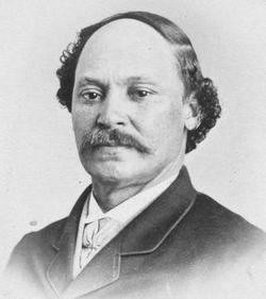
1821–1872, Ameerika Ühendriigid
Robert Seldon Duncanson
Amerikaanide maastikuva kujutluse pioneer Robert Seldon Duncanson, nimi, mis kõlab nii kunstilise briljantsuse kui ka ajaloolise tähtsusega, tõusis 19. sajandi Ameerika kunstis esile kui murdeliseline tegelane. Sündinud umbes 1821. aastal New Yorgi Fayetteville'is euroopa ja afrikaanide päritolu vanematepoegade lapsedena — tema isa, John Dean Duncanson, oli vaba must korraldaja, kes õpetas talle hagi ja õppimise väärtusi — navigeeris Duncanson maailmas, mida täitsid rassistlikud eelarvamused, saavutades samal ajal rahvusvahelist tunnustust maastikupeetrena.
Teel Robert Seldon Duncanson kohta Robert Seldon Duncanson silmapaistvad teosed
Ka Robert Seldon Duncanson teosed
 Italianate Landscape1855
 The Drunkard's Plight, (painting)1846
 Light and Shade on Ruins on Carthage, (painting)1845
 Mount Healthy, Ohio1844
Essee teemadel Landscape
 American artworks of the 1850s1850s American landscapes by Asher Brown Durand and John Frederick Kensett showcase the era's beauty. View the full collection at OriginalU…
 The American Landscape: From Hudson River School Romanticism to the Precision of RealismExplore the evolution of American art from Hudson River School vistas to Ashcan School realism. Trace this epic history with us now.
 American Hudson River School paintersHudson River School painters like Frederic Edwin Church, Asher Brown Durand, and Sanford Robinson Gifford define American sublime art at Or…