1992
Versions IV (Robert Ryman, 1992)
Robert Ryman (1930) on loonud teose Versions IV. See on pärinev 1992 aastast. Mõõdud on 198 × 183 cm.
- 1992
- 198 × 183 cm

 Eelvaade

 Käsitsi maalatud õlimaalatsioon
 Saada
 Jaga
 Teave teose kohta


 Laadi alla
 Sarnased teosed
 Röntgenuuring
 Slaidietendus
 KÜSIMUSED JA VASTUSID

 Statistika
Versions IV lühidalt
- Pealkiri
- Versions IV
- Kunstnik
- Robert Ryman (1930)
- Kunstnik on sündinud
- Nashville, United States of America
- Kuupäev
- 1992
- Mõõtmed
- 198 × 183 cm
Mida Versions IV kujutab?
Versions IV kõrge resolutsiooniga pildid

Protected by copyright: these files are for personal reference, not a licence to republish.
Robert Ryman, Versions IV (1992).
Küsimused teemal Versions IV – vastused
Mis aastal loodi teos „Versions IV“, autor Robert Ryman?
Teos "Versions IV" on pärit aastast 1992. See ajastu aitab mõista teost Robert Ryman karjääri ja selle ajastu kontekstis.
Mis on teose „Versions IV“, autor Robert Ryman tegelik suurus?
Teose „Versions IV“, autor Robert Ryman mõõdud on 198 x 183 cm. Reproduktsioone saab tellida muutes mõõtust, säilitades samal ajal samad proportsioonid.
Kas teose „Versions IV“, autor Robert Ryman pilt on vabalt reproduseeritav?
Tegijateõiguse osas on teos "Versions IV" kuuluv klassifikatsiooni alla: on endiselt autoriõiguse all under kaitse.
Millisele kunstnikule on teos "Versions IV" atribuutseeritud?
Teose "Versions IV" autoriks on mõeldud Robert Ryman.
Mis vanuses loos Robert Ryman teose "Versions IV"?
Robert Ryman oli 62 aastane, kui ta teosest "Versions IV" aastal 1992 lõi. Vanus on arvutatud kunstniku sünnaaasta põhjal, 1930.
Kunstnikust, Robert Ryman

1930, United States of America
Robert Ryman
A Life Dedicated to the Essence of Painting Robert Ryman, born in Nashville, Tennessee, in 1930 and passing away in 2019, wasn’t interested in depicting the world; he was captivated by painting itself. His journey began not with a formal artistic education geared towards representation, but with studies at the Tennessee Polytechnic Institute and George Peabody College for Teachers – foundations that would later inform his disciplined approach. A stint in the United States Army from 1950 to 1952 instilled a sense of structure, perhaps subtly influencing the rigorous self-examination that characterized his artistic practice. However, it was his relocation to New York City in 1952 that proved pivotal.
Ka Robert Ryman teosed
 Untitled1966
 The Elliott Room: Charter1986
 The Elliott Room: Charter II1986
 The Elliott Room: Charter IV1986
Essee teemadel Versions IV
 The Art of Transformation: Reimagining Memories Through 91 Bespoke AI Styles and Masterful Oil PaintingDiscover the ultimate guide to transforming personal photos into museum-quality masterpieces. Explore 91 exquisite AI art styles, from Glit…
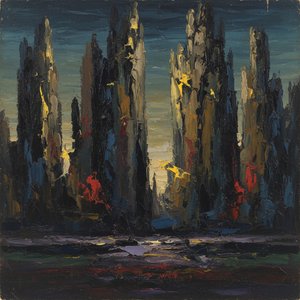 Clyfford Still's Abstract Expressionism: A Study of Color, Form & the Existential LandscapeExplore the profound world of Clyfford Still's Abstract Expressionism with OriginalUniqueArt. Discover his unique style, existential themes…
 The Architecture of Nature: Paul Cézanne’s Structural Revolution in Color and FormExplore how Paul Cezanne revolutionized art through color and form. Discover the roots of modern abstraction now.