Cubism · 1912
Window (Robert Delaunay, 1912)
Robert Delaunay (1885–1941) on loonud teose Window. See on pärinev 1912 aastast. See kuulub Cubism suuntrime. Teos on valmistatud materjalist Oil. Teos asub Tate Liverpool kogamuses Liverpool, Ühendkuningriik.
- 1912
- Oil
- Tate Liverpool

 Eelvaade

 Käsitsi maalatud õlimaalatsioon
 Saada
 Jaga
 Teave teose kohta


 Laadi alla
 Sarnased teosed
 Röntgenuuring
 Slaidietendus
 KÜSIMUSED JA VASTUSID

 Statistika
Window lühidalt
- Pealkiri
- Window
- Kunstnik
- Robert Delaunay (1885–1941)
- Kunstnik on sündinud
- Pariis, Prantsusmaa
- Kuupäev
- 1912
- Tehnika
- Oil
- Kus seda näeb
- Tate Liverpool, Liverpool, Ühendkuningriik
- Suunad
- Cubism
- Aeglkond
- Modern
- Teema
- abstract, geometric shapes, color palette, window motif, orphism influence, luminosity
Mida Window kujutab?
A Symphony of Light and Geometry
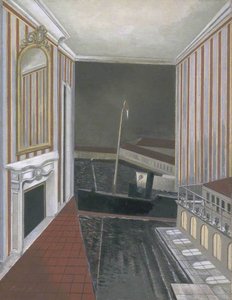
In the early twentieth century, as the world stood on the precipice of profound transformation, Robert Delaunay captured a moment of pure, luminous transcendence in his 1912 masterpiece, "Window." This work is far more than a mere depiction of a windowpane; it is an invitation to witness the birth of Orphism, a movement that sought to liberate color from the constraints of representational form. To gaze upon this painting is to step into a realm where light does not simply illuminate objects but becomes the subject itself. Delaunay masterfully distills the sensory experience of perception, transforming a simple architectural element into a complex mosaic of interlocking rectangles and vibrant squares that seem to pulse with an internal energy.
The brilliance of "Window" lies in its ability to evoke a sense of rhythmic movement through static shapes. Through a sophisticated technique of layered paint application—often incorporating the rich, tactile quality of encaustic wax alongside traditional oils—Delaunay achieved a depth that feels almost ethereal. The subtle gradations of pigment within each geometric cell create a shimmering effect, reminiscent of sunlight filtering through stained glass. This meticulous manipulation of color density allows the viewer to experience a visual dynamism that transcends the flat surface of the canvas, making the piece feel as though it is breathing with light.
The Orphic Vision: Color as Emotion
At the heart of this composition lies the radical philosophy of Orphism. Moving away from the analytical fragmentation of Cubism, Delaunay and his contemporaries embraced a more lyrical approach, prioritizing the emotional resonance of pure color. In "Window," there is no attempt to replicate the naturalistic world; instead, the artist uses hues of deep blue, radiant yellow, and warm orange to communicate a sense of harmony and cosmic order. This focus on pure abstraction allows the painting to function as an emotional landscape, where the interplay of light and shadow serves as a metaphor for the clarity and chaos of human existence.
For the discerning collector or interior designer, this piece offers a unique opportunity to introduce a focal point of sophisticated energy into a space. The painting’s vibrant palette and structured composition make it an ideal centerpiece for modern, minimalist, or even classical interiors, providing a burst of intellectual and visual stimulation. It does not merely decorate a wall; it transforms the atmosphere of a room, inviting contemplation and a renewed appreciation for the beauty found in geometric precision.
A Legacy of Harmony Amidst Change
The historical context of "Window" adds a layer of profound poignancy to its visual splendor. Created during an era of significant societal upheaval, the painting serves as a radiant antidote to the anxieties of the pre-war period. While much of the art of this time grappled with the fragmentation of reality, Delaunay sought to synthesize it, finding a way to weave disparate elements into a cohesive, beautiful whole. This pursuit of geometric harmony reflects a deep-seated desire for stability and beauty amidst a changing world.
Owning a high-quality reproduction of this seminal work allows one to possess a fragment of art history—a piece that embodies the courage of innovation and the timeless allure of light. "Window" remains a testament to the power of abstraction to touch the human spirit, offering a window not just into a room, but into the very essence of light and color.
Kumba muuseumis asub teos Window?
Tate Liverpool
Liverpool, Ühendkuningriik
Tate Liverpool: Kunsti ja Aja Peegeldus Royal Albert Doki Südamel Liverpooli ajaloolises Royal Albert Dokis asuv Tate Liverpool on rohkem kui pelgalt kunstigalerii – see on elav tunnistus kunsti uuenduslikkusest ning oskuslikust kohanemisest ajas. 1988. aastal loodud galerii alustas ambitsioosikat projekti, mille eesotsas seisis James Stirling Architects, muutes varemetes laona hoonene elavaks ruumiks kaasaegse kunsti ja Briti meistriteoste esitlemiseks alates Tudorite perioodist.


Window kõrge resolutsiooniga pildid

Avalik omanik: kunstnik suri aastal 1941.
Teised laiused, uueste lõikud ja alluding →Robert Delaunay, Window (1912), Tate Liverpool. Avalik omaniklik õigus
Küsimused teemal Window – vastused
Kust saab teose „Window“, autor Robert Delaunay täna vaadata?
Originaalteost „Window“, autor Robert Delaunay hoiustatakse Tate Liverpool, Liverpool, Ühendkuningriik muuseumis. Reproduktsioon võimaldab teost koduses keskkonnas esitleda.
Mis on teose „Window“, autor Robert Delaunay loomisaeg?
Teos „Window“, autor Robert Delaunay loodi aastal 1912.
Millist tehnikat teose „Window“, autor Robert Delaunay valmistamisel kasutati?
Teose „Window“, autor Robert Delaunay materjal on Oil. Reproduktsioonide eesmärk on jälitada selle tehnika välimust.
Millised teemad teoses „Window“, autor Robert Delaunay esile tõelve?
Teose "Window" teemad on abstract, geometric shapes, color palette, window motif, orphism influence, luminosity, composition.
Kas teos "Window" on ilma autoriõigusteta?
Autoriõiguse teave teose „Window“, autor Robert Delaunay kohta: teos kuulub luba ala avalikus õiguses – selle autoriõigud onหมดunud. See määrab, kas kujundist on lubatud vabadelt reproduktsioone teha.
Millisele kunstnikule on teos "Window" atribuutseeritud?
Teose "Window" looja on Robert Delaunay. Teos on kataloogitud nime Robert Delaunay all.
Millissele stiilile kuulub "Window"?
Teosest „Window“, autor Robert Delaunay tuntud kunstisuuna on Cubism. See klassifikatsioon aitab teost paigutada sarnaste kunstnike ja teoste hulka.
Millissele perioodile Robert Delaunay karjäärist kuulub teos "Window"?
Teos "Window" kuulub Robert Delaunay loomingulise karjääri perioodi Mature Period. See klassifikatsioon seostab teose kunstniku loovliku arenguga.
Mis vanuses loos Robert Delaunay teose "Window"?
Robert Delaunay loobus teose "Window" 27 aasta vanuses. Kunstnik on sündinud aastal 1885 ning teos on dateeritud 1912.
Kunstnikust, Robert Delaunay

1885–1941, Prantsusmaa
Robert Delaunay
Pioneer Abstraktses Värviteoorias: Robert Delaunay Elu ja Looming Robert Delaunay, sündinud Pariisis 1885. aastal, kerkis esile radikaalsete kunstiliste muutuste keskpunktiks 20. sajandi alguses. Kuigi ta algselt tundis huvi traditsioonilisemate maalivormide vastu, viis tema teekond teda värvide ja valguse uurimisele, mis lõpuks määras tema pärandi ning andis olulise panuse abstraktse kunsti sünnile.
Teel Robert Delaunay kohta Robert Delaunay silmapaistvad teosed
Ka Robert Delaunay teosed
 Paris Linn1912
 Eiffel torn1914
 The Eiffel Tower1910
 The Three Graces1912
Essee teemadel Window
 Geomeetrilise Abstraktsiooni 10 Meisterteost: Kunst ja Kodukaunistus OriginalUniqueArt.com-isAvastage geomeetrilise abstraktsiooni 10 suurteost – Kandinsky, Mondrian ja teised. Lugege kunstiteoste lugusid ning leidke inspiratsiooni …
 Mastering the Post-Impressionist Vision: A Definitive Guide to the Geometric Soul of Cézanne’s ArtistryExplore the profound legacy of Paul Cézanne. Discover how his mastery of geometric forms and vibrant color bridged Impressionism and Cubism…
 Orphism vs Synchromism: Distinguishing Color, Light, and FormMaster the distinction between Orphism and Synchromism through expert analysis of color and form. Explore the roots of abstraction now.