- Avaleht

- Trükk lõendile
- Ro Su-hyoun
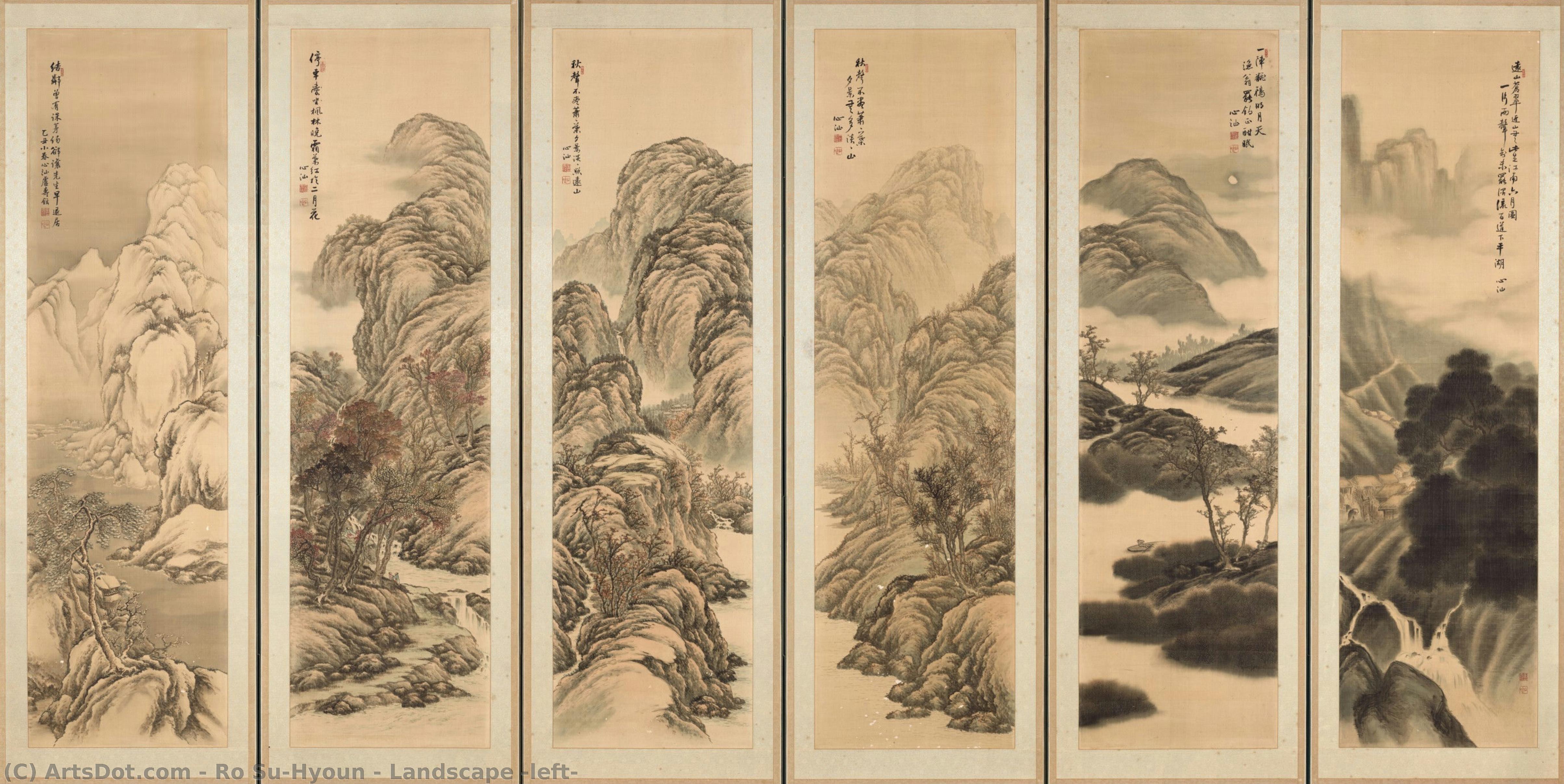
- Landscape (left)
 Preview
 Tellimaks maali Osta digipilt
 Saada
Saada
 Jaga
Jaga
 Teave teose kohta
 Lisa lemmikutesse

 Laadi alla
 Sarnased teosed
 Röntgenuuring
 Slaidietendus
Landscape (left)
 1925
1925 154.0 x 42.0 cm
 Horim Museum
 Loe lähemalt
Giclée / Kunstiprint
Muuseumikvaliteediga giclée- või kangasprint kiire tootmisega ja paindlikud viimistlusvõimalused.




































Vali meie eelmääratud suurused, mis vastavad teose algupärastele proportsioonidele.

Saate sisestada oma mõõdud, et need sobiks konkreetse raami või ruumi sisse. Kui valitud suurus ei vasta originaalteose proportsioonidele, lõigame teose ära või laiendame pilti peegeldatud või ühtlase servaga. Enne tootmisprotsessi algust saadetakse Teie kinnitamiseks digitaalne näidis.
Palun märka, et ekraanil kuvatav eelvaade ei kajasta tegelikku lõigamist või laiendamist. Ainult näidis kujutab täpselt lõplikku kompositsiooni.
Kuigi erimõõdu on saadaval, soovitame originaaproportsioonide säilitamiseks valida mõõt ette määratud nimekirjast.
Ülemaailmne tarne () 2 nädala jooksul, tavalise 4/5 nädala asemel. (25 juuli)

Tasuta ekspresssaatmine üle maailma

Kõrgekvaliteediline linakangas

Täielik transpordikindlustus

Tollimaksude tagastamise garantii

Värvitoime täpsuse garantii

60-päevane tagastusõig: ainult tootmisdefektide korral

100% raha tagasi garantii

Hulgusoodustus
 Klaasivalik on saadaval ainult suuruses kuni 110 cm

Landscape (left)
Giclée / Kunstiprint
Reproduktsiooni suurus
-


Kogusumma
-
Kunstniku elulugu
Early Life and Artistic Beginnings
ro su-hyoun, born in Uljin, South Korea in 1899, emerged from a period of profound cultural transformation within Korea—a nation grappling with the pressures of Western influence while striving to preserve its traditions. Precise details regarding her formative years remain elusive, reflecting the limitations of archival records during that era. However, it is understood that she possessed an innate fascination for art and pursued formal training at Bunka Gakuin University in Tokyo, where she honed her skills in oil painting—a deliberate choice aligning with prevailing artistic trends of the time. This education provided her with a foundational understanding of Western techniques and aesthetics, which would subsequently inform her distinctive approach to Korean landscape painting.Note: The biography is based on the provided information and may not be a comprehensive or entirely accurate account of ro su-hyoun’s life and career.A Singular Vision: Landscape Painting on Folding Screens
ro su-hyoun distinguished herself from her contemporaries through her unwavering dedication to the medium of folding screens—a practice remarkably rare in Korean art history. These intricately crafted wooden panels, traditionally used for ceremonial purposes and displaying calligraphy or paintings, became her favored canvas. Her artistic vision centered on capturing the essence of Korean landscapes with meticulous realism and subtle brushstrokes—a stylistic hallmark that resonated deeply with the sensibilities of her time.- She skillfully employed layering techniques to create depth and dimensionality, immersing viewers in scenes of serene mountainsides and flowing rivers.
- Her color palette favored muted tones, reflecting the quiet beauty of Korean nature and conveying a sense of contemplative harmony.
- The deliberate choice of folding screens wasn’t merely stylistic; it served as a powerful symbol of Korean cultural heritage—a tangible representation of artistic tradition.
- Her work was recognized for its ability to evoke emotion and convey profound spiritual insight.
Technique and Style
ro su-hyoun's technique embodied the spirit of Korean painting traditions. She favored a meticulous approach, painstakingly blending pigments with painstaking attention to detail.Specifically, she utilized wet-on-wet brushwork—a technique that allowed for gradual tonal shifts and subtle gradations of color—resulting in landscapes imbued with atmospheric luminescence.This method ensured that the textures of rocks, trees, and water surfaces were rendered with remarkable accuracy. Furthermore, her compositions often incorporated asymmetrical arrangements—a stylistic element characteristic of Korean art—creating visual balance while subtly emphasizing the grandeur of the natural world.Legacy and Recognition
ro su-hyoun’s contribution to Korean landscape painting extends beyond her individual artworks.- Her pioneering use of folding screens elevated the medium's artistic potential, establishing a precedent for future generations of artists.
- She served as an inspiration to female Korean painters who sought to forge their own paths in a male-dominated field.
- Her paintings are held in prestigious collections, including those of the Korean Art Museum Association and the British Museum, cementing her place among Korea’s most celebrated artistic figures.
Further Exploration
To delve deeper into ro su-hyoun's oeuvre and artistic influence, explore these resources:- Landscape (Left): Admire her masterful depiction of Korean scenery.
- Landscape (Right): Discover another captivating portrayal of Korean landscapes.
- ro su-hyoun: Explore her biography and artistic journey.
- OriginalUniqueArt.com: View more of ro su hyoun’s artworks.

Ro Su-hyoun
1899 - 1978 , South Korea
Lühikesed faktid
- Artistic Movement Or Style: Landscape Painting
- Date Of Birth: 1899
- Date Of Death: 1978
- Full Name: ro su-hyoun
- Nationality: Korean
- Notable Artworks:
- Landscape (left)
- Landscape (Right)
- Place Of Birth: South Korea (Uljin)

