

 Vaata sisu
 Jaga teost
 Jaga
Jaga
 Detailid
 Õppekate juhend

 Laadi alla
 Sarnased teosed
 Röntgenuuring
 Slaidietendus
 Statistika
SS 'Toxteth'
 Academic Realism
 58.0 x 89.0 cm
 Loe lähemalt
Giclée / Kunstiprint
Muuseumikvaliteediga giclée- või kangasprint kiire tootmisega ja paindlikud viimistlusvõimalused. ( Telli käsitsi maalitud reproduktsioon Ülemineku digitaalse pildi müügi kanalisse)




P118B €10

P118H €10

P118W €10

P438Z €10

P508JH €12

P508YH €12

P805H €10

P805Z €10

P919BZ €10

P919G €10

P919XJ €10

P959ZH €10

P968JZ €12

W106C €8

W218G €10

W218JH €8

W218Y €10

W307PJ €10

W316G €10

W316PJ €8

W316Y €10

W398PJ €8

W4111J €10

W500HY €15

W500JH €15

W692G €12

W849H €8

W940BG €15

W953PJ €8




Vali meie eelmääratud suurused, mis vastavad teose algupärastele proportsioonidele.

Sisestage vajalik laius ja kõrgus, et see sobiks teie raamile või seinale. Trükki saab ainult lõigata, seda ei saa kunagi pildist suuremaks teha, seega ka differentse vormiga suurus kaotab osa pildist. Enne trükkimist saadame teile kinnitamiseks digitaalse näidisprojektsiooni. Sellel lehel näidatud pilt ei kujuta reaalset lõiget — seda näitab ainult näidisprojekttsioon.
Ülemaailmne tarne () 2 nädala jooksul, tavalise 4/5 nädala asemel. (27 oktoober)

Tasuta ekspresssaatmine üle maailma

Kõrgekvaliteediline lina-kangastest muld

Täielik transpordikindlustus

Tollimaksude tagastamise garantii

Värvitoime täpsuse garantii

100 päeva tagastusõigus (ainult defektide korral)

100% raha tagasi garantii

Hulgusoodustus
 Klaasivalik on saadaval ainult kuni 110 cm suuruses teostes

SS 'Toxteth'
Giclée / Kunstiprint
Reproduktsiooni mõõtmed
-


Lõppsumma
€ 70
Kunstniku elulugu
A Life Painted on the Waves: Richard Ball Spencer and the Spirit of Maritime England
Richard Ball Spencer, born in London’s East End on November 11th, 1812, was a painter inextricably linked to the rhythms and romance of the sea. Though not formally trained, Spencer emerged as a significant figure within the tradition of British marine painting during the mid-19th century. His life story is one of quiet dedication, rooted in the working-class fabric of London yet reaching out to capture the grandeur and drama of seafaring life. He wasn’t a product of aristocratic patronage or academic institutions; instead, Spencer honed his skills through observation and a deep connection to the bustling ports that defined his surroundings. His father, John Spencer, was a grocer, and Elizabeth Ball, his mother, provided a stable family environment in Mile End Old Town—a backdrop that would profoundly shape his artistic focus. The year 1843 marked a personal milestone with his marriage to Caroline Gibson at St George’s in the East, Stepney, solidifying his identity as ‘Painter’, a profession he pursued with unwavering commitment.The “Pierhead Painter” and His Technique
Spencer earned the moniker of a “pierhead painter,” a term that speaks volumes about his working method and clientele. These artists weren't typically found in grand galleries; rather, they established themselves at busy ports—Brunswick Wharf and the Isle of Dogs among them—offering their services directly to sailors and ship captains eager for portraits of their vessels. Speed and accessibility were paramount. Spencer’s paintings are characterized by broadside views, a standard composition that allowed him to efficiently capture the essence of a ship while working in the dynamic environment of a busy harbor. While he rarely ventured far from shore himself, his canvases transported viewers to the open sea, meticulously detailing rigging, deck features, and the overall majesty of the ships he depicted. He wasn’t striving for high art in the academic sense; instead, he provided a valuable service—a tangible memento of a ship's identity and a sailor’s pride. His style, while not revolutionary, demonstrated a keen eye for detail and an ability to convey the power and beauty of these working vessels. He drew inspiration from contemporaries like Joseph Heard, William John Huggins, and Robert Salmon, but developed his own distinct approach—one that prioritized accuracy in ship representation over elaborate scenic backgrounds.Family Legacy: The Spencer Tradition
The artistic talent wasn’t confined to Richard Ball Spencer alone. His son, William Ball Spencer (1854-1923), followed in his father's footsteps, also becoming a respected ship portraitist. Interestingly, William was sometimes incorrectly referred to as Richard Barnett Spencer, highlighting the complexities of family history and artistic attribution within this period. The continuation of the Spencer name in the marine painting world speaks to a shared passion and a successful transmission of skills across generations. Both father and son produced works that are remarkably similar in style and subject matter, often making it challenging to definitively attribute specific paintings without careful examination. This familial continuity underscores the importance of apprenticeship and inherited artistic traditions within the context of 19th-century British art.Subjects and Historical Context
Spencer’s oeuvre primarily consists of ship portraits—a testament to the vital role maritime commerce played in Victorian England. He captured a wide range of vessels, from barques like the ‘Randolph’, dramatically depicted during a rescue off Eddystone Light, to the majestic ‘Queen of Nations’. These paintings weren't merely representations of ships; they were visual records of an era defined by global trade, naval power, and exploration. The 'Bombardment of Algiers' (1816) demonstrates his ability to capture historical events, albeit with a focus on the maritime aspects of conflict. His work provides valuable insight into the types of vessels that populated British waters during this period, as well as the pride and identity associated with seafaring life. While he didn’t engage in grand historical narratives or allegorical themes, Spencer's paintings offer a compelling glimpse into the everyday realities of maritime commerce and naval activity.A Lasting Impression: The Enduring Appeal of Richard Ball Spencer
Richard Ball Spencer died in East Ham in 1897, leaving behind a substantial body of work that continues to resonate with art collectors and historians alike. His paintings are now held in prominent public collections, including the National Maritime Museum, Science Museum, Bristol Museum & Art Gallery, and others—a testament to their enduring artistic and historical value. He may not be a household name like Turner or Constable, but his contribution to British marine painting is significant. Spencer’s legacy lies in his ability to capture the spirit of maritime England with honesty, skill, and a deep understanding of his subject matter. His paintings are more than just portraits of ships; they are windows into a bygone era—a celebration of seafaring life, commerce, and the enduring power of the waves.- Born: November 11th, 1812, London, England
- Died: 1897, East Ham, England
- Style: Marine Painting, Ship Portraiture
- Known For: Broadside views of ships, “Pierhead Painter” style
- Influences: Joseph Heard, William John Huggins, Robert Salmon

Richard Ball Spencer
1812 - 1897
Lühikest infot
- Full Name: Richard Ball Spencer
- Nationality: British
- Date Of Birth: 1812
- Date Of Death: 1897
- Place Of Birth: England
- Notable Artworks:
- The Montgomery Castle
- The Ship 'Gitana'
- SS 'Toxteth'
- Barque 'Randolph'
- Artistic Movement Or Style: Marine Painting
- Artists Who Influenced This Artist:
- William Turner
- John Constable
- Artists Or Movements Influenced By This Artist: ['Romanticism']
Sarnased artiklid
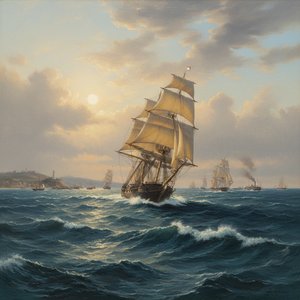
James E. Buttersworth: Navigating the Seas of Victorian Marine Painting
Explore the captivating world of James Edward Buttersworth, a foremost Victorian marine painter. Discover his meticulous ship portraits, America's Cup chronicles & enduring legacy in museums worldwide. Learn about his technique and style.
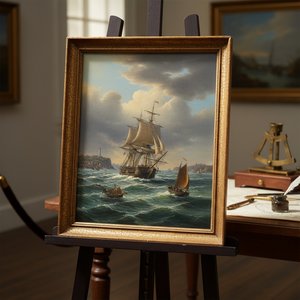
Samuel Walters: Capturing Victorian Maritime Life with Precision & Artistry
Explore the exquisite maritime paintings of Samuel Walters (1811-1882). Discover his mastery of detail, historical scenes & influence on Victorian art. Learn about collecting his works and find high-quality reproductions at OriginalUniqueArt.
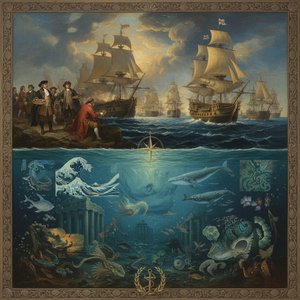
Navigating the Depths of Representation: A Historical Exploration of Marine Painting
Explore the rich history of marine painting with OriginalUniqueArt. Discover Dutch Masters, Romantic seascapes & renowned artists like Wyllie and Harris. Expert guidance for collectors & custom reproductions.

Tarne ja tagastused
APS pakub eksperdilist ülemaailmset kunstiteoste transporti muuseumitaseme hooldusega, täieliku jälgimise ja 100-päevase raha tagasi garantiiga. Alates tollitoe abistusest kuni Priority Productionini, usaldage läbipaistvat teenust, turvalist pakendamist ja usaldusväärset kohaletoimetamist kollektsionääridele, disaineritele ja galeriidele.

19th Century Masterpieces: 10 Paintings That Defined an Era | OriginalUniqueArt
Journey through 19th century art with OriginalUniqueArt! Explore 10 iconic paintings – from Monet & Renoir to Courbet – and discover the stories behind Romanticism, Realism & Impressionism. Find museum-quality reproductions for your home decor. Explore the full collection online!