Eelvaade
 Saada
Saada Jaga
Jaga
 Teave teose kohta

 Laadi alla
 Sarnased teosed
 Röntgenuuring
 Slaidietendus
 Statistika
The survivor


 Loe lähemalt
Giclée / Kunstiprint
Muuseumikvaliteediga giclée- või kangasprint kiire tootmisega ja paindlikud viimistlusvõimalused. ( Osta käsitsi maalitud maal Ülemineks digitaalse pildiga müügi kanalisse)




P118B $10

P118H $10

P118W $10

P438Z $10

P508JH $12

P508YH $12

P805H $10

P805Z $10

P919BZ $10

P919G $10

P919XJ $10

P959ZH $10

P968JZ $12

W106C $8

W218G $10

W218JH $8

W218Y $10

W307PJ $10

W316G $10

W316PJ $8

W316Y $10

W398PJ $8

W4111J $10

W500HY $15

W500JH $15

W692G $12

W849H $8

W940BG $15

W953PJ $8




Vali meie eelmääratud suurused, mis vastavad teose algupärastele proportsioonidele.

Saate sisestada oma mõõdud, et need sobiks konkreetse raami või ruumi sisse. Kui valitud suurus ei vasta originaalteose proportsioonidele, lõigame teose ära või laiendame pilti peegeldatud või ühtlase servaga. Enne tootmisprotsessi algust saadetakse Teie kinnitamiseks digitaalne näidis.
Palun märka, et ekraanil kuvatav eelvaade ei kajasta tegelikku lõigamist või laiendamist. Ainult näidis kujutab täpselt lõplikku kompositsiooni.
Kuigi erimõõdu on saadaval, soovitame originaaproportsioonide säilitamiseks valida mõõt ette määratud nimekirjast.
Ülemaailmne tarne () 2 nädala jooksul, tavalise 4/5 nädala asemel. (13 september)

Tasuta ekspresssaatmine üle maailma

Kõrgekvaliteediline linakangas

Täielik transpordikindlustus

Tollimaksude tagastamise garantii

Värvitoime täpsuse garantii

100 päeva tagastusõigus (ainult tootmisdefektide korral)

100% raha tagasi garantii

Hulgusoodustus
 Klaasivalik on saadaval ainult suuruses kuni 110 cm

The survivor
Giclée / Kunstiprint
Reproduktsiooni suurus
-


Kogusumma
$ 80
A Disturbing Domesticity: Unveiling René Magritte’s ‘The Survivor’
This 1950 oil painting by René Magritte is a masterclass in unsettling juxtaposition. It presents a seemingly ordinary domestic interior disrupted by the stark presence of a rifle, creating a powerful and enduring image that lingers long after viewing. The work isn't about glorifying weaponry or depicting heroic action; it’s about the insidious creep of violence into everyday life, and the anxieties simmering beneath a veneer of civility.Style & Technique: Surrealism Through Defamiliarization
Magritte, a pivotal figure in the Surrealist movement, employs his signature technique of *defamiliarization* here. Rather than relying on fantastical imagery, he renders commonplace objects with meticulous realism and places them within unexpected contexts. The painting’s strength lies in its hyper-realistic execution – observe the detailed wood grain of the floorboards, the subtle texture of the wallpaper, and the metallic sheen of the rifle itself. This precision amplifies the unsettling effect; Magritte doesn't distort reality, he *questions* it. His brushwork is controlled, building depth through layered colors, reminiscent of his earlier Impressionistic explorations but now serving a dramatically different emotional purpose.Composition & Color: A Study in Tension and Contrast
The composition centers the rifle as its dominant element, drawing the eye immediately to its dark form. Strong vertical lines – the gun itself, the wall paneling – create a sense of rigidity and formality, contrasted by the grounding stability of the horizontal floorboards. The repeating pattern of the wallpaper adds to this feeling of order, ironically highlighting the implied chaos signaled by the crimson stain beneath the weapon. The color palette is largely composed of warm tones—muted oranges and browns evoking aged elegance but also hinting at decay. This warmth is brutally interrupted by the rifle’s stark blackness and, crucially, the shocking splash of dark red – an undeniable symbol of bloodshed. Directional lighting casts long shadows, further emphasizing the gun's presence and contributing to the overall mood of mystery and foreboding.Historical Context & Symbolism: Echoes of Post-War Trauma
Created in 1950, just five years after the end of World War II, ‘The Survivor’ deeply resonates with the anxieties of a world grappling with immense loss and trauma. While Magritte rarely directly addressed political events, his work often reflects a broader sense of unease and disillusionment. The rifle isn't presented as an emblem of power or glory; it simply *exists*, casually leaning against a wall within what appears to be a comfortable home. This juxtaposition forces the viewer to confront the insidious presence of violence within everyday life. The opulent setting could symbolize societal structures, suggesting that brutality can lurk beneath even the most refined and orderly surfaces. The bloodstain isn’t merely graphic; it's a stark reminder of mortality and the fragility of peace.Emotional Impact & Interpretation: A Lingering Disquiet
‘The Survivor’ is not designed for passive enjoyment. It evokes feelings of discomfort, anxiety, and perhaps even dread. Magritte masterfully creates psychological tension, leaving much open to interpretation. Is this a scene depicting past violence? A looming threat? Or a meditation on the inherent destructive potential within humanity itself? The painting's power resides in its ambiguity; it doesn’t offer answers but compels us to confront uncomfortable questions about our world and ourselves. It is a hauntingly beautiful work that continues to resonate with viewers, serving as a potent reminder of the darkness that can exist even within seemingly civilized settings. It serves as a powerful statement on the human condition and the ever-present shadow of conflict.Key Features for Collectors & Designers
- Subject Matter: Still life with symbolic elements, exploring themes of violence, peace, and societal anxieties.
- Style: Surrealism, characterized by realism combined with unsettling juxtapositions.
- Color Palette: Warm tones (oranges, browns) contrasted with stark black and crimson red.
- Emotional Impact: Evokes feelings of discomfort, anxiety, and contemplation.
- Interior Design Applications: A striking focal point for living rooms, studies, or hallways. Its somber tones pair well with minimalist or mid-century modern aesthetics. Consider placement to encourage thoughtful conversation and reflection.
Kunstniku elulugu
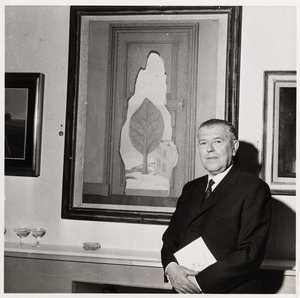
René Magritte (1898–1967): Exploring the Surrealist Landscape
René Magritte, born René François Ghislain Magritte on November 21, 1898, in Lessines, Belgium, emerged from a childhood profoundly shaped by tragedy – the untimely death of his mother when he was merely thirteen. This formative experience instilled within him an unwavering fascination with mystery, loss, and the unsettling power of what remains unseen; it would subtly permeate his artistic vision throughout his prolific career.
Early Artistic Explorations: Impressionism and Beyond
Despite initial inclinations toward Impressionism, Magritte swiftly recognized its limitations in conveying the complexities he wished to explore. He enrolled at the Académie Royale des Beaux-Arts in Brussels, seeking a more rigorous training but ultimately rejecting its formal conventions. Recognizing the influence of Giorgio de Chirico’s *The Song of Love* (1922), Magritte discovered a new aesthetic path—one where familiar landscapes could transform into dreamlike realms and commonplace objects could provoke unsettling questions about reality.
The Surrealist Breakthrough: Challenging Perception
Magritte's commitment to Surrealism solidified in 1926 with *Le Jockey Perdu*, marking his decisive departure from traditional artistic styles. Embracing the principles of automatism championed by André Breton, he sought to liberate creativity from conscious control, mirroring the broader intellectual currents of the era. His distinctive approach distinguished him from many fellow Surrealists; Magritte wasn’t interested in delving into subconscious anxieties through free association but rather in meticulously crafting visual paradoxes that disrupted viewers' perceptions.
Iconic Works and Recurring Themes: Paradoxical Imagery
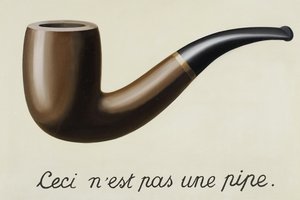
Magritte’s oeuvre is characterized by a masterful manipulation of illusion and representation. *The Treachery of Images (This is not a pipe)* (1929) exemplifies his genius—a deceptively simple depiction that compels us to reconsider the relationship between image and object, mirroring the core tenets of Surrealist thought. Similarly, *Les Amants* (1927-1928), featuring shrouded figures, echoes the trauma of his mother’s death while simultaneously exploring themes of concealment and intimacy. Masterpieces like *Time Transfixed* (1938) and *The Human Condition* (1933) further demonstrate Magritte's ability to unsettle viewers with unsettling juxtapositions and visual puzzles.
Legacy and Influence: A Surrealist Pioneer
René Magritte’s artistic legacy extends far beyond the confines of Belgian art history. His pioneering exploration of Surrealism profoundly impacted subsequent generations of artists—from Pop Art luminaries like Andy Warhol to Minimalist sculptors such as Donald Judd—establishing him as a cornerstone of 20th-century visual culture. Today, his paintings reside in prestigious museum collections worldwide, including the Musées royaux des beaux-arts de Belgique and the Magritte Museum, ensuring that his visionary aesthetic continues to inspire awe and provoke contemplation for decades to come.
René Magritte
1898 - 1967 , Belgia
Lühikesed faktid
- Artistic Movement Or Style: Surrealism
- Artists Who Influenced This Artist: ['Giorgio de Chirico']
- Date Of Birth: November 21, 1898
- Date Of Death: August 15, 1967
- Full Name: René François Ghislain Magritte
- Nationality: Belgian
- Notable Artworks:
- Les Amants
- The Treachery of Images
- Time Transfixed
- Place Of Birth: Lessines, Belgium
Seotud artiklid
The Treachery of Images: Decoding René Magritte’s Surrealist Philosophy and the Paradox of Representation
Explore the profound mystery of René Magritte’s 'The Treachery of Images.' Dive into an expert analysis of his Surrealist philosophy, the paradox of representation, and how he challenged reality through the interplay of language and visual perception.

The Enduring Legacy of Oil on Canvas: Technique, History & Aesthetic Impact
Explore the rich history & techniques of oil painting – from Renaissance masters to Impressionism. Discover pigments, layering methods, and why this timeless medium endures. Expert insights for artists & art enthusiasts.
Surrealist Painting Masterpieces: 10 Artworks That Redefined Reality | OriginalUniqueArt
Journey into the dreamlike world of Surrealism! Explore 10 masterpieces by Dali, Magritte & Miró that redefined art. Discover their stories & find museum-quality reproductions to elevate your home decor on OriginalUniqueArt.com.

Oil on Canvas: A Historical & Technical Exploration of a Timeless Artistic Medium
Explore the rich history & enduring techniques of oil painting on canvas. Discover the science behind its longevity, conservation practices, and contemporary relevance. Expert insights for art enthusiasts.

The Treachery of Images: Decoding René Magritte’s Surrealist Vision and the Paradox of Representation
Delve into the profound mysteries of René Magritte’s Surrealism. Explore an expert analysis of 'The Treachery of Images,' decoding the philosophical paradoxes and visual subversions that redefined modern art history for collectors and connoisseurs alike.