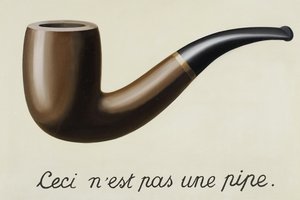
Vaata sisu
 Jaga teost
 Jaga
Jaga
 Detailid
 Õppekate juhend

 Laadi alla
 Sarnased teosed
 Röntgenuuring
 Slaidietendus
 Statistika
The Lovers
 Oil On Canvas
- WallArt
- Surrealist Dreamscape
 1928
1928- Modern
 54.0 x 73.0 cm
 Loe lähemalt
Sellel lehel kuvatav kunstiteos on kaitstud autoriõigusega, mis tähendab, et meil ei ole seaduslikku õigust luua või müüa identset reproduktsiooni. Seda kaitset rakendatakse rahvusvaheliste kokkulepete alusel, nagu näiteks Berne konventsioon ning riiklike seadustega, sealhulgas nendega, mida on sätestatud USA autoriõiguse seadus – 17. peatükk.
See meetod järgib täielikult autoriõiguse reegleid, kuna see ei põhine kaitstud kunstiteose kopeerimisel või dupliteerimisel. Selle asemel on tegu loova reinterpreetatsiooniga – uue maaldisega, mis on algteosest inspireeritud, kuid ei ole sellest identiline.
Giclée / Kunstiprint
Muuseumikvaliteediga giclée- või kangasprint kiire tootmisega ja paindlikud viimistlusvõimalused. ( Telli käsitsi maalitud reproduktsioon Ülemineku digitaalse pildi müügi kanalisse)




P118B €10

P118H €10

P118W €10

P438Z €10

P508JH €12

P508YH €12

P805H €10

P805Z €10

P919BZ €10

P919G €10

P919XJ €10

P959ZH €10

P968JZ €12

W106C €8

W218G €10

W218JH €8

W218Y €10

W307PJ €10

W316G €10

W316PJ €8

W316Y €10

W398PJ €8

W4111J €10

W500HY €15

W500JH €15

W692G €12

W849H €8

W940BG €15

W953PJ €8




Vali meie eelmääratud suurused, mis vastavad teose algupärastele proportsioonidele.

Saate sisestada oma mõõdud, et need sobiks konkreetse raami või ruumi sisse. Kui valitud suurus ei vasta originaalteose proportsioonidele, lõigame teose ära või laiendame pilti peegeldatud või ühtlase servaga. Enne tootmisprotsessi algust saadetakse Teie kinnitamiseks digitaalne näidis.
Palun märka, et ekraanil kuvatav eelvaade ei kajasta tegelikku lõigamist või laiendamist. Ainult näidis kujutab täpselt lõplikku kompositsiooni.
Kuigi erimõõdu on saadaval, soovitame originaaproportsioonide säilitamiseks valida mõõt ette määratud nimekirjast.
Ülemaailmne tarne () 2 nädala jooksul, tavalise 4/5 nädala asemel. (10 oktoober)

Tasuta ekspresssaatmine üle maailma

Kõrgekvaliteediline lina-kangastest muld

Täielik transpordikindlustus

Tollimaksude tagastamise garantii

Värvitoime täpsuse garantii

100 päeva tagastusõigus (ainult defektide korral)

100% raha tagasi garantii

Hulgusoodustus
 Klaasivalik on saadaval ainult kuni 110 cm suuruses teostes

The Lovers
Giclée / Kunstiprint
Reproduktsiooni mõõtmed
-


Lõppsumma
€ 69
A Veil of Mystery: The Enigmatic Allure of René Magritte’s The Lovers
To encounter René Magritte’s "The Lovers" is to step into a realm where the familiar becomes profoundly unsettling, and the boundaries between intimacy and isolation dissolve. Completed in 1928, this seminal Surrealist masterpiece does not merely depict a moment of affection; it presents a haunting meditation on the barriers that exist even within our most profound connections. At first glance, the composition draws us into a central embrace between two figures, yet Magritte immediately subverts our expectations by shrouding their faces in heavy, white fabric. This striking visual choice creates an immediate sense of concealment and secrecy, transforming what should be a transparent moment of passion into a profound exploration of the unseen. For the discerning collector or interior designer, this piece offers more than just aesthetic beauty; it provides a psychological depth that serves as a captivating focal point in any sophisticated space.
The technical execution of "The Lovers" is characterized by a meticulous, almost photographic precision that is a hallmark of Magritte’s Surrealist style. Unlike the fluid, spontaneous brushwork of the Impressionists, Magritte employs a disciplined technique to render textures—the weight of the cloth, the smoothness of skin, and the starkness of the background—with startling clarity. This hyper-realism serves a vital conceptual purpose: by painting the impossible with such tangible accuracy, he forces the viewer to confront the illogical nature of the scene as if it were an undeniable reality. The composition is anchored by a deliberate use of geometric stability, yet this rigidity is constantly challenged by the soft, flowing drapery that obscures the subjects' identities. This tension between structure and chaos creates a visual rhythm that keeps the eye moving, searching for the faces hidden beneath the shroud.
Symbolism and the Subconscious Landscape
Deeply rooted in the intellectual ferment of the early 20th century, "The Lovers" reflects the influence of Freudian psychoanalysis and the Surrealist desire to liberate the subconscious mind. The white cloth acts as a powerful symbol of the barriers—both psychological and social—that prevent true communion between individuals. It represents the masks we wear and the inherent mystery that remains even in our closest relationships. Some historians suggest that the motif of the veiled face may even trace back to Magritte’s personal history, specifically the traumatic memory of his mother's death, where her hair covered her face. This layer of biographical tragedy adds a poignant, melancholic resonance to the work, inviting viewers to contemplate themes of loss, thwarted desire, and the elusive nature of truth.
Beyond the central figures, the subtle inclusion of elements like the clock introduces the concept of temporal decay, reminding us of the fleeting nature of life and the persistence of time even amidst frozen moments of intimacy. For those looking to integrate this artwork into a curated collection or a high-end interior, "The Lovers" acts as a conversational cornerstone. It is a piece that demands contemplation, offering a sophisticated interplay of light, shadow, and mystery. Whether displayed in a minimalist gallery setting or as a dramatic statement in a contemporary living space, Magritte’s vision continues to provoke, inspire, and haunt the modern imagination.
Küsimused ja vastused
Mis aastal loodi teos „The Lovers“, autor René Magritte?
Teose „The Lovers“, autor René Magritte loomimisaeg on 1928.
Mis vanuses loos René Magritte teose "The Lovers"?
René Magritte oli 30 aastane, kui ta lõi teose "The Lovers" aastal 1928. Empiiriline vanus on arvutatud kunstniku sünnaaasta põhjal, 1898.
Kes lõi "The Lovers"?
Teose "The Lovers" autoriks on mõeldud René Magritte.
Milline värv silmapaistvalt "The Lovers" esile tuleb?
Putty (#d7e2e3) on teose „The Lovers“, autor René Magritte domineeriv värv.
Mis on teose „The Lovers“, autor René Magritte kuju ja mõõdud?
Teose „The Lovers“, autor René Magritte mõõtmed on 54 x 73 cm ja selle formaat on Landscape.
Millist trükkimisviisi soovitatakse teosele „The Lovers“, autor René Magritte?
Medium suurus, Landscape orientatsioon: see on teosele „The Lovers“, autor René Magritte soovitatud trükkimise seadistus.
Kui palju inimesi vaatab teost "The Lovers"?
Teose "The Lovers" jaoks on olemas Statistika leht. See kajastab teose ja kunstniku teiste teoste kuutlikke külastusi riigi ja keele järgi lahutatud statistikaga.
Kunstniku elulugu
René Magritte (1898–1967): Exploring the Surrealist Landscape
René Magritte, born René François Ghislain Magritte on November 21, 1898, in Lessines, Belgium, emerged from a childhood profoundly shaped by tragedy – the untimely death of his mother when he was merely thirteen. This formative experience instilled within him an unwavering fascination with mystery, loss, and the unsettling power of what remains unseen; it would subtly permeate his artistic vision throughout his prolific career.
Early Artistic Explorations: Impressionism and Beyond
Despite initial inclinations toward Impressionism, Magritte swiftly recognized its limitations in conveying the complexities he wished to explore. He enrolled at the Académie Royale des Beaux-Arts in Brussels, seeking a more rigorous training but ultimately rejecting its formal conventions. Recognizing the influence of Giorgio de Chirico’s *The Song of Love* (1922), Magritte discovered a new aesthetic path—one where familiar landscapes could transform into dreamlike realms and commonplace objects could provoke unsettling questions about reality.
The Surrealist Breakthrough: Challenging Perception
Magritte's commitment to Surrealism solidified in 1926 with *Le Jockey Perdu*, marking his decisive departure from traditional artistic styles. Embracing the principles of automatism championed by André Breton, he sought to liberate creativity from conscious control, mirroring the broader intellectual currents of the era. His distinctive approach distinguished him from many fellow Surrealists; Magritte wasn’t interested in delving into subconscious anxieties through free association but rather in meticulously crafting visual paradoxes that disrupted viewers' perceptions.
Iconic Works and Recurring Themes: Paradoxical Imagery
Magritte’s oeuvre is characterized by a masterful manipulation of illusion and representation. *The Treachery of Images (This is not a pipe)* (1929) exemplifies his genius—a deceptively simple depiction that compels us to reconsider the relationship between image and object, mirroring the core tenets of Surrealist thought. Similarly, *Les Amants* (1927-1928), featuring shrouded figures, echoes the trauma of his mother’s death while simultaneously exploring themes of concealment and intimacy. Masterpieces like *Time Transfixed* (1938) and *The Human Condition* (1933) further demonstrate Magritte's ability to unsettle viewers with unsettling juxtapositions and visual puzzles.
Legacy and Influence: A Surrealist Pioneer
René Magritte’s artistic legacy extends far beyond the confines of Belgian art history. His pioneering exploration of Surrealism profoundly impacted subsequent generations of artists—from Pop Art luminaries like Andy Warhol to Minimalist sculptors such as Donald Judd—establishing him as a cornerstone of 20th-century visual culture. Today, his paintings reside in prestigious museum collections worldwide, including the Musées royaux des beaux-arts de Belgique and the Magritte Museum, ensuring that his visionary aesthetic continues to inspire awe and provoke contemplation for decades to come.
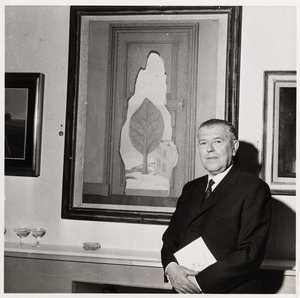
René Magritte
1898 - 1967 , Belgia
Lühikest infot
- Artistic Movement Or Style: Surrealism
- Artists Who Influenced This Artist: ['Giorgio de Chirico']
- Date Of Birth: November 21, 1898
- Date Of Death: August 15, 1967
- Full Name: René François Ghislain Magritte
- Nationality: Belgian
- Notable Artworks:
- Les Amants
- The Treachery of Images
- Time Transfixed
- Place Of Birth: Lessines, Belgium
Sarnased artiklid
Mysterious Masterpieces: 10 Artworks That Captivate & Intrigue |
Delve into 10 iconic artworks that stir deep mystery & emotion. Explore masterpieces by [Artist Name], Surrealism, and Romanticism – discover the stories behind their captivating power. Find museum-quality art reproductions at !
Max Ernsti 25 parimat teost: Surrealismi meistriteosed teie interjööri
Avastage Max Ernsti 25 parimat teost! Sukelduge surrealismi ja dadaismi maailma, tutvuge kunstniku lugude ja tehnikatega. Leidke täiuslik maali oma interjööri OriginalUniqueArt.com-ist – kvaliteetsed kunstireprodutsioonid ja kollektsioonid.

The Treachery of Images: Decoding René Magritte’s Surrealist Vision and the Paradox of Representation
Delve into the profound mysteries of René Magritte’s Surrealism. Explore an expert analysis of 'The Treachery of Images,' decoding the philosophical paradoxes and visual subversions that redefined modern art history for collectors and connoisseurs alike.
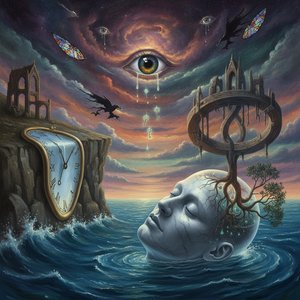
Surrealist Expression: Unlocking the Power of Dreams and the Subconscious through Art History
Explore the profound depths of Surrealism. From Dalí’s dreamscapes to Magritte’s enigmas, master the history of the subconscious mind through our expert art guide and discover museum-quality oil reproductions of the world's most iconic surrealist masterpieces.
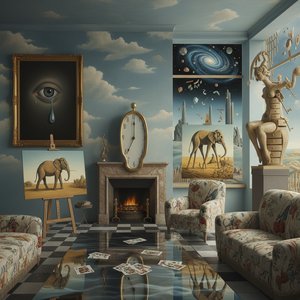
Surrealismi 10 Meisterteost: Kunsti, Mis Muudab Reaalsuse
Sukeldu sürreaalsete meistriteoste maailma! Salvador Dalí, René Magritte jt legendid. Avasta 10 teost, mis defineerisid sürrealismi. Kunstiajalugu ja inspiratsioon interjöördisainiks – OriginalUniqueArt.com