Eelvaade
 Saada
Saada Jaga
Jaga
 Teave teose kohta

 Laadi alla
 Sarnased teosed
 Röntgenuuring
 Slaidietendus
The forbidden world


 Loe lähemalt
Käsitsi valmistatud õlimaalireproduktsioon
Meie kunstnike poolt tellimusel valmistatud käsitsi maalitud õli-kainaste teos teie soovitud suuruses ja raamis. ( Osta print Osta pilt)




P118B $10

P118H $10

P118W $10

P438Z $10

P508JH $12

P508YH $12

P805H $10

P805Z $10

P919BZ $10

P919G $10

P919XJ $10

P959ZH $10

P968JZ $12

W106C $8

W218G $10

W218JH $8

W218Y $10

W307PJ $10

W316G $10

W316PJ $8

W316Y $10

W398PJ $8

W4111J $10

W500HY $15

W500JH $15

W692G $12

W849H $8

W940BG $15

W953PJ $8




Vali meie eelmääratud suurused, mis vastavad teose algupärastele proportsioonidele.

Sa võite sisestada oma mõõtmed konkreetse raami või ruumi sobivuse tagamiseks. Kui teie valitud suurus ei vasta originaalpildi proportsioonidele, siis kärvime kunstiteost või laiendame maali täiendavate käsitsi maalitud elementidega. Enne tootmise algust saadetakse teile heakskiitmiseks digitaalne eelvaade.
Palun pidage meeles, et ekraanil kuvatav eelvaade ei kajasta tegelikku kärpimist või laiendamist. Ainult eelvaade näitab täpselt lõplikku kompositsiooni.
Kuigi on saadaval kohandatud suurused, soovitame originaalproportsioonide säilimiseks valida mõõdud eelmääratletud nimekirjast.
Pärast tellimust saadab OriginalUniqueArt.com meeskond kliendile e-posti juhised ning esitab eelvaate kavandi.
Maailmline tarne 3–4 nädala jooksul tavalise 5 nädala asemel. (27 august). Kvaliteedis kompromisse ei tehta.

Tasuta ekspresssaatmine üle maailma

Kõrgekvaliteediline linakangas

Täielik transpordikindlustus

Tollimaksude tagastamise garantii

Värvitoime täpsuse garantii

60-päevane tagastusõig: ainult tootmisdefektide korral

100% raha tagasi garantii

Hulgusoodustus
 Klaasivalik on saadaval ainult suuruses kuni 110 cm

The forbidden world
Reproduktsiooni tehnika
Reproduktsiooni suurus
-


Kogusumma
$ 300
A Dreamscape of Sensuality: Unveiling Magritte’s Forbidden World
In the vast, enigmatic gallery of Surrealism, few works capture the tension between the tangible and the impossible as poignantly as René Magritte’s The Forbidden World. Painted in 1949, this masterpiece invites the viewer into a realm where the boundaries of reality and dream dissolve into a quiet, unsettling beauty. At first glance, the scene presents a captivating tableau: a nude woman gracefully reclining upon an opulent, golden couch. The composition is masterfully dominated by her form, drawing the eye immediately to the soft contours of her body, which serves as a luminous anchor amidst a swirling, blue-toned expanse that suggests a submerged, underwater landscape.
The technique employed in this work marks a fascinating departure from Magritte’s typically precise and clinical style. Here, the brushwork is loose and expressive, lending an impressionistic quality to the piece that enhances its dreamlike atmosphere. Through the skillful blending of oil or acrylic paints, Magritte achieves a diffused lighting effect, casting soft shadows that dance across the textured surface. This layered approach creates a sense of movement within the water-like background, where hazy shades of blue and green create a profound sense of depth and mystery, making the viewer feel as though they are peering through a veil into a hidden dimension.
Symbolism and the Subconscious Mind
Beyond its visual splendor, The Forbidden World is rich with symbolic layers that demand deep contemplation. A subtle yet striking element is the integration of a mermaid tail within the woman's form, a motif that suggests transformation, fluidity, and a profound connection to the subconscious. This metamorphosis bridges the gap between the human and the mythic, echoing themes of hidden desires and unexplored emotional realms. The luxurious couch, rendered in warm pinks and golds, represents a sanctuary of comfort and opulence, yet its placement within such a wild, aquatic setting introduces a poignant sense of isolation.
The title itself acts as a key to the painting's psychological depth, hinting at the mysteries of the feminine psyche and the "forbidden" territories of the human heart. For the collector or art enthusiast, this piece offers more than mere decoration; it provides a window into the evolution of Magritte himself. While he is often celebrated for his stark, thought-provoking imagery, this work showcases a softer, more sensual side of his oeuvre, proving that even within the unsettling nature of Surrealism, there exists a breathtaking capacity for grace and enchantment.
An Inspiration for Modern Interiors
For interior designers and connoisseurs of fine art, a high-quality reproduction of The Forbidden World serves as a profound focal point for any sophisticated space. The color palette—a captivating contrast between the warm, radiant golds and pinks of the foreground and the cool, tranquil blues of the background—allows it to integrate seamlessly into diverse decor styles, from contemporary minimalist galleries to lush, maximalist salons. It is a piece that does not merely occupy a wall but commands the atmosphere of a room, sparking conversation and inviting quiet reflection.
Owning a reproduction of this caliber means bringing a fragment of art history into the home—a piece that embodies the enduring legacy of one of Belgium's greatest masters. Whether used to add a touch of fantasy to a bedroom or to provide a cerebral edge to a study, this artwork remains a timeless testament to the power of the imagination and the eternal allure of the unknown.
Kunstniku elulugu
René Magritte (1898–1967): Exploring the Surrealist Landscape
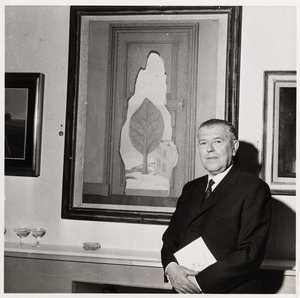
René Magritte, born René François Ghislain Magritte on November 21, 1898, in Lessines, Belgium, emerged from a childhood profoundly shaped by tragedy – the untimely death of his mother when he was merely thirteen. This formative experience instilled within him an unwavering fascination with mystery, loss, and the unsettling power of what remains unseen; it would subtly permeate his artistic vision throughout his prolific career.
Early Artistic Explorations: Impressionism and Beyond
Despite initial inclinations toward Impressionism, Magritte swiftly recognized its limitations in conveying the complexities he wished to explore. He enrolled at the Académie Royale des Beaux-Arts in Brussels, seeking a more rigorous training but ultimately rejecting its formal conventions. Recognizing the influence of Giorgio de Chirico’s *The Song of Love* (1922), Magritte discovered a new aesthetic path—one where familiar landscapes could transform into dreamlike realms and commonplace objects could provoke unsettling questions about reality.
The Surrealist Breakthrough: Challenging Perception
Magritte's commitment to Surrealism solidified in 1926 with *Le Jockey Perdu*, marking his decisive departure from traditional artistic styles. Embracing the principles of automatism championed by André Breton, he sought to liberate creativity from conscious control, mirroring the broader intellectual currents of the era. His distinctive approach distinguished him from many fellow Surrealists; Magritte wasn’t interested in delving into subconscious anxieties through free association but rather in meticulously crafting visual paradoxes that disrupted viewers' perceptions.
Iconic Works and Recurring Themes: Paradoxical Imagery
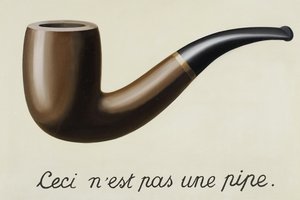
Magritte’s oeuvre is characterized by a masterful manipulation of illusion and representation. *The Treachery of Images (This is not a pipe)* (1929) exemplifies his genius—a deceptively simple depiction that compels us to reconsider the relationship between image and object, mirroring the core tenets of Surrealist thought. Similarly, *Les Amants* (1927-1928), featuring shrouded figures, echoes the trauma of his mother’s death while simultaneously exploring themes of concealment and intimacy. Masterpieces like *Time Transfixed* (1938) and *The Human Condition* (1933) further demonstrate Magritte's ability to unsettle viewers with unsettling juxtapositions and visual puzzles.
Legacy and Influence: A Surrealist Pioneer
René Magritte’s artistic legacy extends far beyond the confines of Belgian art history. His pioneering exploration of Surrealism profoundly impacted subsequent generations of artists—from Pop Art luminaries like Andy Warhol to Minimalist sculptors such as Donald Judd—establishing him as a cornerstone of 20th-century visual culture. Today, his paintings reside in prestigious museum collections worldwide, including the Musées royaux des beaux-arts de Belgique and the Magritte Museum, ensuring that his visionary aesthetic continues to inspire awe and provoke contemplation for decades to come.
René Magritte
1898 - 1967 , Belgia
Lühikesed faktid
- Artistic Movement Or Style: Surrealism
- Artists Who Influenced This Artist: ['Giorgio de Chirico']
- Date Of Birth: November 21, 1898
- Date Of Death: August 15, 1967
- Full Name: René François Ghislain Magritte
- Nationality: Belgian
- Notable Artworks:
- Les Amants
- The Treachery of Images
- Time Transfixed
- Place Of Birth: Lessines, Belgium
Seotud artiklid
The Treachery of Images: Decoding René Magritte’s Surrealist Philosophy and the Paradox of Representation
Explore the profound mystery of René Magritte’s 'The Treachery of Images.' Dive into an expert analysis of his Surrealist philosophy, the paradox of representation, and how he challenged reality through the interplay of language and visual perception.

The Treachery of Images: Decoding René Magritte’s Surrealist Vision and the Paradox of Representation
Delve into the profound mysteries of René Magritte’s Surrealism. Explore an expert analysis of 'The Treachery of Images,' decoding the philosophical paradoxes and visual subversions that redefined modern art history for collectors and connoisseurs alike.

The Enduring Allure of the Nude: A Historical & Artistic Exploration of the Human Form
Explore the captivating history of nude art! Discover iconic paintings & artists from classical to modern eras. Uncover symbolism, techniques & find museum-quality reproductions at OriginalUniqueArt.
Surrealist Painting Masterpieces: 10 Artworks That Redefined Reality | OriginalUniqueArt
Journey into the dreamlike world of Surrealism! Explore 10 masterpieces by Dali, Magritte & Miró that redefined art. Discover their stories & find museum-quality reproductions to elevate your home decor on OriginalUniqueArt.com.
Surrealismi 10 Meisterteost: Kunsti, Mis Muigasid Reaalsust
Sukeldu sürreaalsesse maailma! Avasta 10 meistriteost, mis defineerisid sürrealismi liikumist – Dalí, Magritte jt. Kunstiajalugu ja inspiratsioon interjööriks OriginalUniqueArt.com-il. Uuri täielik kollektsioon veebis!