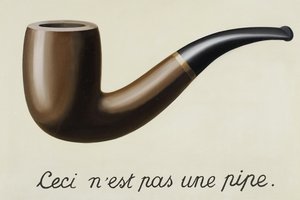
Eelvaade
 Saada
Saada Jaga
Jaga
 Teave teose kohta

 Laadi alla
 Sarnased teosed
 Röntgenuuring
 Slaidietendus
Les Jours Gigantesques

 Loe lähemalt
Giclée / Kunstiprint
Muuseumikvaliteediga giclée- või kangasprint kiire tootmisega ja paindlikud viimistlusvõimalused. ( Osta käsitsi maalitud maal Osta pilt)




P118B $10

P118H $10

P118W $10

P438Z $10

P508JH $12

P508YH $12

P805H $10

P805Z $10

P919BZ $10

P919G $10

P919XJ $10

P959ZH $10

P968JZ $12

W106C $8

W218G $10

W218JH $8

W218Y $10

W307PJ $10

W316G $10

W316PJ $8

W316Y $10

W398PJ $8

W4111J $10

W500HY $15

W500JH $15

W692G $12

W849H $8

W940BG $15

W953PJ $8




Vali meie eelmääratud suurused, mis vastavad teose algupärastele proportsioonidele.

Saate sisestada oma mõõdud, et need sobiks konkreetse raami või ruumi sisse. Kui valitud suurus ei vasta originaalteose proportsioonidele, lõigame teose ära või laiendame pilti peegeldatud või ühtlase servaga. Enne tootmisprotsessi algust saadetakse Teie kinnitamiseks digitaalne näidis.
Palun märka, et ekraanil kuvatav eelvaade ei kajasta tegelikku lõigamist või laiendamist. Ainult näidis kujutab täpselt lõplikku kompositsiooni.
Kuigi erimõõdu on saadaval, soovitame originaaproportsioonide säilitamiseks valida mõõt ette määratud nimekirjast.
Ülemaailmne tarne () 2 nädala jooksul, tavalise 4/5 nädala asemel. (30 august)

Tasuta ekspresssaatmine üle maailma

Kõrgekvaliteediline linakangas

Täielik transpordikindlustus

Tollimaksude tagastamise garantii

Värvitoime täpsuse garantii

60-päevane tagastusõig: ainult tootmisdefektide korral

100% raha tagasi garantii

Hulgusoodustus
 Klaasivalik on saadaval ainult suuruses kuni 110 cm

Les Jours Gigantesques
Giclée / Kunstiprint
Reproduktsiooni suurus
-


Kogusumma
$ 80
A Fragment of Intimacy: Decoding Magritte’s *Les Jours Gigantesques*
 René Magritte’s *Les Jours Gigantesques* (The Giant Days), painted between 1927 and 1930, is a masterclass in Surrealist suggestion. It isn't a depiction of a complete scene, but rather an evocative fragment – the exposed back of a woman embraced by an unseen presence. This deliberate incompleteness is central to the painting’s enduring power and mystery.
Subject & Style: The Poetry of What Isn’t Shown
Magritte deliberately rejects conventional romantic imagery. Instead of a full embrace, we are presented with the graceful curve of a woman's spine, the delicate line of her bra strap, and an overall sense of vulnerability. This partial view isn’t about *seeing* intimacy; it’s about *feeling* its presence. The style is starkly minimalist, focusing on form and texture over elaborate detail. This approach aligns with Magritte’s core Surrealist principle: to create a dreamlike quality within the realm of reality, rather than simply illustrating dreams themselves. He aims for an unsettling familiarity – something recognizable yet profoundly strange.Technique & Palette: Hyperrealism Serving the Unreal
The painting is executed in a predominantly monochromatic palette of grays, blacks, and whites. This limited color scheme amplifies the dramatic tension and contributes to a timeless quality. Magritte’s brushwork is meticulous, achieving a smooth, almost photographic realism that sharply contrasts with the illogical nature of the scene. This juxtaposition – hyperrealism serving an unreal subject matter – is a defining characteristic of his artistic approach. The precise rendering emphasizes the tangible reality of the woman's form while simultaneously highlighting the absence and mystery surrounding her companion.Historical Context & Surrealist Roots
Emerging in the aftermath of World War I, Magritte’s work reflects a broader post-war sensibility questioning established norms and exploring themes of desire, alienation, and the irrationality of existence. The Surrealist movement, to which he was central, sought to unlock the creative potential of the unconscious mind. *Les Jours Gigantesques* embodies this ethos, hinting at hidden narratives and challenging conventional representations of love and relationships. While initially influenced by Impressionism and Cubism, Magritte ultimately rejected their aesthetic principles in favor of a more precise and enigmatic style – one that prioritized psychological impact over purely visual representation.Symbolism & Emotional Resonance
The unseen partner is the key to unlocking the painting’s emotional depth. Who are they? What is the nature of their connection with the woman? Magritte intentionally leaves these questions unanswered, inviting viewers to project their own interpretations and experiences onto the scene. This ambiguity evokes a complex range of emotions – desire, longing, vulnerability, perhaps even a subtle unease. The painting isn’t about depicting a specific event; it's about exploring the psychological space surrounding intimacy, the power of suggestion, and the inherent mystery of human connection. The exposed back symbolizes both vulnerability and surrender, while the unseen presence represents the unknown aspects of love and desire.Display & Interior Design Considerations
*Les Jours Gigantesques* would be best showcased in a space that complements its contemplative mood. Consider these recommendations:- Color Palette: Surround the artwork with neutral tones – grays, whites, or deep blues – to enhance its dramatic impact.
- Setting: Its relatively small size makes it ideal for more intimate settings such as a bedroom, study, or hallway.
- Furniture & Lighting: Pair the painting with minimalist furniture and subtle lighting to allow its inherent drama to take center stage. Avoid overly busy surroundings that might detract from its contemplative mood.
- Framing: A simple, elegant frame in black or a muted metallic tone will complement the artwork’s monochromatic palette without overpowering it.
Further Exploration
To delve deeper into René Magritte's world and Surrealist art, consider visiting The Menil Collection in Houston. Their significant collection offers invaluable insights into this fascinating artistic movement.Kunstniku elulugu
René Magritte (1898–1967): Exploring the Surrealist Landscape
René Magritte, born René François Ghislain Magritte on November 21, 1898, in Lessines, Belgium, emerged from a childhood profoundly shaped by tragedy – the untimely death of his mother when he was merely thirteen. This formative experience instilled within him an unwavering fascination with mystery, loss, and the unsettling power of what remains unseen; it would subtly permeate his artistic vision throughout his prolific career.
Early Artistic Explorations: Impressionism and Beyond
Despite initial inclinations toward Impressionism, Magritte swiftly recognized its limitations in conveying the complexities he wished to explore. He enrolled at the Académie Royale des Beaux-Arts in Brussels, seeking a more rigorous training but ultimately rejecting its formal conventions. Recognizing the influence of Giorgio de Chirico’s *The Song of Love* (1922), Magritte discovered a new aesthetic path—one where familiar landscapes could transform into dreamlike realms and commonplace objects could provoke unsettling questions about reality.
The Surrealist Breakthrough: Challenging Perception
Magritte's commitment to Surrealism solidified in 1926 with *Le Jockey Perdu*, marking his decisive departure from traditional artistic styles. Embracing the principles of automatism championed by André Breton, he sought to liberate creativity from conscious control, mirroring the broader intellectual currents of the era. His distinctive approach distinguished him from many fellow Surrealists; Magritte wasn’t interested in delving into subconscious anxieties through free association but rather in meticulously crafting visual paradoxes that disrupted viewers' perceptions.
Iconic Works and Recurring Themes: Paradoxical Imagery
Magritte’s oeuvre is characterized by a masterful manipulation of illusion and representation. *The Treachery of Images (This is not a pipe)* (1929) exemplifies his genius—a deceptively simple depiction that compels us to reconsider the relationship between image and object, mirroring the core tenets of Surrealist thought. Similarly, *Les Amants* (1927-1928), featuring shrouded figures, echoes the trauma of his mother’s death while simultaneously exploring themes of concealment and intimacy. Masterpieces like *Time Transfixed* (1938) and *The Human Condition* (1933) further demonstrate Magritte's ability to unsettle viewers with unsettling juxtapositions and visual puzzles.
Legacy and Influence: A Surrealist Pioneer
René Magritte’s artistic legacy extends far beyond the confines of Belgian art history. His pioneering exploration of Surrealism profoundly impacted subsequent generations of artists—from Pop Art luminaries like Andy Warhol to Minimalist sculptors such as Donald Judd—establishing him as a cornerstone of 20th-century visual culture. Today, his paintings reside in prestigious museum collections worldwide, including the Musées royaux des beaux-arts de Belgique and the Magritte Museum, ensuring that his visionary aesthetic continues to inspire awe and provoke contemplation for decades to come.
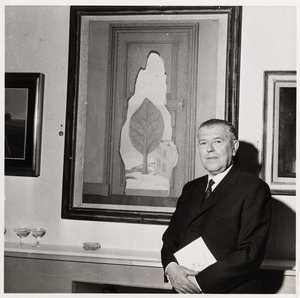
René Magritte
1898 - 1967 , Belgia
Lühikesed faktid
- Artistic Movement Or Style: Surrealism
- Artists Who Influenced This Artist: ['Giorgio de Chirico']
- Date Of Birth: November 21, 1898
- Date Of Death: August 15, 1967
- Full Name: René François Ghislain Magritte
- Nationality: Belgian
- Notable Artworks:
- Les Amants
- The Treachery of Images
- Time Transfixed
- Place Of Birth: Lessines, Belgium
Seotud artiklid
The Treachery of Images: Decoding René Magritte’s Surrealist Philosophy and the Paradox of Representation
Explore the profound mystery of René Magritte’s 'The Treachery of Images.' Dive into an expert analysis of his Surrealist philosophy, the paradox of representation, and how he challenged reality through the interplay of language and visual perception.

Dark Masterpieces: 10 Iconic Paintings Dominated by Black Tones |
Explore 10 iconic paintings dominated by black tones, from Rembrandt’s chiaroscuro to Goya's dark expressions. Discover the stories behind these masterpieces & find museum-quality art reproductions for your home at .

The Treachery of Images: Decoding René Magritte’s Surrealist Vision and the Paradox of Representation
Delve into the profound mysteries of René Magritte’s Surrealism. Explore an expert analysis of 'The Treachery of Images,' decoding the philosophical paradoxes and visual subversions that redefined modern art history for collectors and connoisseurs alike.
Surrealist Painting Masterpieces: 10 Artworks That Redefined Reality | OriginalUniqueArt
Journey into the dreamlike world of Surrealism! Explore 10 masterpieces by Dali, Magritte & Miró that redefined art. Discover their stories & find museum-quality reproductions to elevate your home decor on OriginalUniqueArt.com.
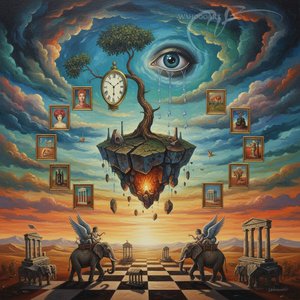
Surrealismi 10 Meisterteost: Kunsti, Mis Muigasid Reaalsust
Sukeldu sürreaalsesse maailma! Avasta 10 meistriteost, mis defineerisid sürrealismi liikumist – Dalí, Magritte jt. Kunstiajalugu ja inspiratsioon interjööriks OriginalUniqueArt.com-il. Uuri täielik kollektsioon veebis!