Eelvaade
 Saada
Saada Jaga
Jaga
 Teave teose kohta

 Laadi alla
 Sarnased teosed
 Röntgenuuring
 Slaidietendus
Le modèle rouge


 Loe lähemalt
Käsitsi valmistatud õlimaalireproduktsioon
Meie kunstnike poolt tellimusel valmistatud käsitsi maalitud õli-kainaste teos teie soovitud suuruses ja raamis. ( Osta print Osta pilt)




P118B $10

P118H $10

P118W $10

P438Z $10

P508JH $12

P508YH $12

P805H $10

P805Z $10

P919BZ $10

P919G $10

P919XJ $10

P959ZH $10

P968JZ $12

W106C $8

W218G $10

W218JH $8

W218Y $10

W307PJ $10

W316G $10

W316PJ $8

W316Y $10

W398PJ $8

W4111J $10

W500HY $15

W500JH $15

W692G $12

W849H $8

W940BG $15

W953PJ $8




Vali meie eelmääratud suurused, mis vastavad teose algupärastele proportsioonidele.

Sa võite sisestada oma mõõtmed konkreetse raami või ruumi sobivuse tagamiseks. Kui teie valitud suurus ei vasta originaalpildi proportsioonidele, siis kärvime kunstiteost või laiendame maali täiendavate käsitsi maalitud elementidega. Enne tootmise algust saadetakse teile heakskiitmiseks digitaalne eelvaade.
Palun pidage meeles, et ekraanil kuvatav eelvaade ei kajasta tegelikku kärpimist või laiendamist. Ainult eelvaade näitab täpselt lõplikku kompositsiooni.
Kuigi on saadaval kohandatud suurused, soovitame originaalproportsioonide säilimiseks valida mõõdud eelmääratletud nimekirjast.
Pärast tellimust saadab OriginalUniqueArt.com meeskond kliendile e-posti juhised ning esitab eelvaate kavandi.
Maailmline tarne 3–4 nädala jooksul tavalise 5 nädala asemel. (26 august). Kvaliteedis kompromisse ei tehta.

Tasuta ekspresssaatmine üle maailma

Kõrgekvaliteediline linakangas

Täielik transpordikindlustus

Tollimaksude tagastamise garantii

Värvitoime täpsuse garantii

60-päevane tagastusõig: ainult tootmisdefektide korral

100% raha tagasi garantii

Hulgusoodustus
 Klaasivalik on saadaval ainult suuruses kuni 110 cm

Le modèle rouge
Reproduktsiooni tehnika
Reproduktsiooni suurus
-


Kogusumma
$ 300
Teose kirjeldus
The Enigmatic Footprints of René Magritte’s *Le Modèle Rouge*
René Magritte's Le Modèle Rouge (1937) is not merely a depiction of a man’s feet in boots; it’s an invitation to a profound meditation on perception, reality, and the unsettling nature of the familiar. This iconic image, captured in black and white photography, embodies the core tenets of Magritte's surrealist approach – a deliberate disruption of expectations that forces the viewer to confront their own assumptions about how they see the world. The painting’s stark simplicity—a man’s feet planted firmly on dirt ground—is deliberately devoid of narrative context, creating an immediate sense of unease and prompting questions about the subject's identity and purpose.
- Subject Matter: The central focus is undeniably the man’s feet, rendered with meticulous detail. The boots themselves are unremarkable, yet their placement within the composition carries significant weight.
- Composition: The arrangement of the figure and the subtle inclusion of additional shoes contribute to a layered visual experience, suggesting multiple perspectives or perhaps hinting at hidden narratives.
- Technical Execution: Magritte’s technique is characterized by precise brushwork and a controlled palette, typical of his meticulous approach to realism. This careful rendering amplifies the unsettling effect of the scene.
A Surrealist Dialogue with Representation
Painted during a period of intense experimentation within the surrealist movement, Le Modèle Rouge aligns perfectly with Magritte’s broader project: to challenge the conventions of representational art and expose the constructed nature of visual experience. Magritte was deeply influenced by philosophers like Gaston Leroux, whose writings explored the relationship between dreams and reality, and he sought to translate these ideas into his artwork. The painting's power lies in its ability to evoke a dreamlike state, where logic and reason are suspended, and the viewer is left adrift in a sea of ambiguity.
The photograph itself adds another layer of complexity. The black-and-white format strips away any potential for color distraction, intensifying the focus on form and texture. It’s as if the image has been unearthed from a forgotten archive, further contributing to its sense of mystery and timelessness.
Symbolic Layers and Personal Trauma
While Magritte famously resisted definitive interpretations of his work, it's impossible to ignore the potential symbolic weight of Le Modèle Rouge. The recurring motif of feet – often depicted in a state of stillness or vulnerability – can be interpreted as representing mortality, grounding, or perhaps even the limitations of human perception. The presence of the additional shoes adds an element of disorientation and suggests a fractured reality, echoing the trauma of Magritte’s childhood—the suicide of his mother, whose image continues to haunt his oeuvre.
The dirt ground upon which the man stands is particularly significant; it represents the earth, the foundation of existence, yet also a space of vulnerability and exposure. It's a stark reminder that even in the most seemingly ordinary settings, profound questions can be raised about our place in the universe.
Emotional Resonance and Artistic Legacy
Le Modèle Rouge remains one of Magritte’s most enduringly captivating works, its impact stemming from its ability to tap into universal anxieties about identity, perception, and the nature of reality. It's a painting that demands attention, provoking contemplation long after the initial viewing. As a hand-painted reproduction, this artwork offers an unparalleled opportunity to experience Magritte’s genius firsthand, bringing his enigmatic vision into your home or studio. Its timeless appeal makes it a valuable addition to any art collection and a powerful tool for inspiring creative thought.
Kunstniku elulugu
René Magritte (1898–1967): Exploring the Surrealist Landscape
René Magritte, born René François Ghislain Magritte on November 21, 1898, in Lessines, Belgium, emerged from a childhood profoundly shaped by tragedy – the untimely death of his mother when he was merely thirteen. This formative experience instilled within him an unwavering fascination with mystery, loss, and the unsettling power of what remains unseen; it would subtly permeate his artistic vision throughout his prolific career.
Early Artistic Explorations: Impressionism and Beyond
Despite initial inclinations toward Impressionism, Magritte swiftly recognized its limitations in conveying the complexities he wished to explore. He enrolled at the Académie Royale des Beaux-Arts in Brussels, seeking a more rigorous training but ultimately rejecting its formal conventions. Recognizing the influence of Giorgio de Chirico’s *The Song of Love* (1922), Magritte discovered a new aesthetic path—one where familiar landscapes could transform into dreamlike realms and commonplace objects could provoke unsettling questions about reality.
The Surrealist Breakthrough: Challenging Perception
Magritte's commitment to Surrealism solidified in 1926 with *Le Jockey Perdu*, marking his decisive departure from traditional artistic styles. Embracing the principles of automatism championed by André Breton, he sought to liberate creativity from conscious control, mirroring the broader intellectual currents of the era. His distinctive approach distinguished him from many fellow Surrealists; Magritte wasn’t interested in delving into subconscious anxieties through free association but rather in meticulously crafting visual paradoxes that disrupted viewers' perceptions.
Iconic Works and Recurring Themes: Paradoxical Imagery
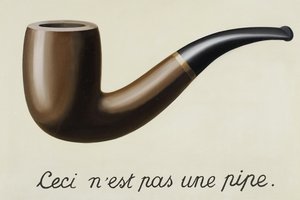
Magritte’s oeuvre is characterized by a masterful manipulation of illusion and representation. *The Treachery of Images (This is not a pipe)* (1929) exemplifies his genius—a deceptively simple depiction that compels us to reconsider the relationship between image and object, mirroring the core tenets of Surrealist thought. Similarly, *Les Amants* (1927-1928), featuring shrouded figures, echoes the trauma of his mother’s death while simultaneously exploring themes of concealment and intimacy. Masterpieces like *Time Transfixed* (1938) and *The Human Condition* (1933) further demonstrate Magritte's ability to unsettle viewers with unsettling juxtapositions and visual puzzles.
Legacy and Influence: A Surrealist Pioneer
René Magritte’s artistic legacy extends far beyond the confines of Belgian art history. His pioneering exploration of Surrealism profoundly impacted subsequent generations of artists—from Pop Art luminaries like Andy Warhol to Minimalist sculptors such as Donald Judd—establishing him as a cornerstone of 20th-century visual culture. Today, his paintings reside in prestigious museum collections worldwide, including the Musées royaux des beaux-arts de Belgique and the Magritte Museum, ensuring that his visionary aesthetic continues to inspire awe and provoke contemplation for decades to come.

René Magritte
1898 - 1967 , Belgia
Lühikesed faktid
- Artistic Movement Or Style: Surrealism
- Artists Who Influenced This Artist: ['Giorgio de Chirico']
- Date Of Birth: November 21, 1898
- Date Of Death: August 15, 1967
- Full Name: René François Ghislain Magritte
- Nationality: Belgian
- Notable Artworks:
- Les Amants
- The Treachery of Images
- Time Transfixed
- Place Of Birth: Lessines, Belgium
Seotud artiklid

OriginalUniqueArt.com F.A.Q.: Elevate Your Decor with Premium Textured Giclée Prints
Discover the distinction of OriginalUniqueArt.com premium textured Giclée prints. Expertly crafted with archival 12-color pigments and museum-grade substrates, our prints offer unparalleled vividness for the discerning collector seeking luxury, durability, and timeless elegance.