- Avaleht

- Trükk lõendile
- René Magritte
- Le 16 septembre
 Tellimaks maali Osta digipilt
 Saada
Saada
 Jaga
Jaga
 Teave teose kohta
 Lisa lemmikutesse

 Laadi alla
 Sarnased teosed
 Röntgenuuring
 Slaidietendus
Le 16 septembre

 Loe lähemalt
Giclée / Kunstiprint
Muuseumikvaliteediga giclée- või kangasprint kiire tootmisega ja paindlikud viimistlusvõimalused.




P118B $10

P118H $10

P118W $10

P438Z $10

P508JH $12

P508YH $12

P805H $10

P805Z $10

P919BZ $10

P919G $10

P919XJ $10

P959ZH $10

P968JZ $12

W106C $8

W218G $10

W218JH $8

W218Y $10

W307PJ $10

W316G $10

W316PJ $8

W316Y $10

W398PJ $8

W4111J $10

W500HY $15

W500JH $15

W692G $12

W849H $8

W940BG $15

W953PJ $8




Vali meie eelmääratud suurused, mis vastavad teose algupärastele proportsioonidele.

Saate sisestada oma mõõdud, et need sobiks konkreetse raami või ruumi sisse. Kui valitud suurus ei vasta originaalteose proportsioonidele, lõigame teose ära või laiendame pilti peegeldatud või ühtlase servaga. Enne tootmisprotsessi algust saadetakse Teie kinnitamiseks digitaalne näidis.
Palun märka, et ekraanil kuvatav eelvaade ei kajasta tegelikku lõigamist või laiendamist. Ainult näidis kujutab täpselt lõplikku kompositsiooni.
Kuigi erimõõdu on saadaval, soovitame originaaproportsioonide säilitamiseks valida mõõt ette määratud nimekirjast.
Ülemaailmne tarne () 2 nädala jooksul, tavalise 4/5 nädala asemel. (23 juuli)

Tasuta ekspresssaatmine üle maailma

Kõrgekvaliteediline linakangas

Täielik transpordikindlustus

Tollimaksude tagastamise garantii

Värvitoime täpsuse garantii

60-päevane tagastusõig: ainult tootmisdefektide korral

100% raha tagasi garantii

Hulgusoodustus
 Klaasivalik on saadaval ainult suuruses kuni 110 cm

Le 16 septembre
Giclée / Kunstiprint
Reproduktsiooni suurus
-


Kogusumma
-
Kogumuse kirjeldus
Le 16 septembre: A Silent Dialogue Between Tree and Moon
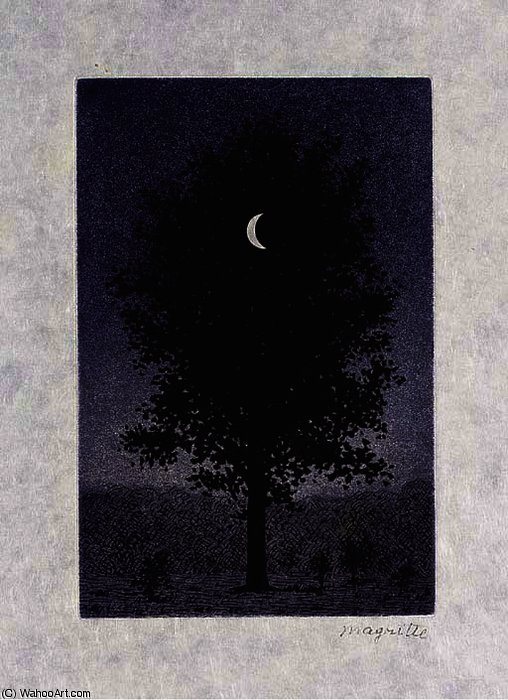
René Magritte’s *Le 16 septembre*, painted in 1956, is more than just a depiction of a solitary tree against a nocturnal sky; it's an invitation to contemplate the profound mysteries inherent within seemingly simple visual representations. This iconic Surrealist artwork embodies Magritte’s signature preoccupation with questioning perception and destabilizing accepted notions of reality—a characteristic that continues to resonate powerfully with audiences today.Composition and Visual Language: Surrealism Embodied
The painting's composition is remarkably restrained, prioritizing clarity and unsettling juxtaposition. A towering tree dominates the foreground, rendered in shades of grey and black, its branches reaching upwards towards a crescent moon positioned prominently in the upper right quadrant. Beneath it stretches a horizontal band representing the earth—a subtle grounding element amidst the ethereal expanse above. The deliberate lack of perspective contributes to the artwork’s dreamlike quality, fostering an atmosphere of quiet contemplation rather than dramatic narrative. Magritte eschews conventional realism, opting instead for a flattened space that mirrors the subconscious mind's tendency to bypass linear thought processes.Technique and Material Considerations: Lithograph Precision
Based on visual analysis, *Le 16 septembre* is executed as a lithograph—a printing process renowned for its ability to achieve exceptional tonal gradations and fine lines. This meticulous technique underscores Magritte’s commitment to precision while simultaneously conveying the impression of a drawing rather than thick impasto paint application. The subtle graininess visible in the sky background adds textural depth, hinting at the printing process's careful attention to detail. It speaks volumes about Magritte’s dedication to crafting an image that captures both visual beauty and intellectual provocation.Symbolism: Isolation, Resilience, and Lunar Intuition
The tree itself serves as a potent symbol—representing resilience, steadfastness, and perhaps even loneliness. Its silhouette against the moon embodies the human condition's yearning for connection amidst solitude. Simultaneously, the crescent moon symbolizes cycles of change, intuition, and hidden knowledge—themes central to Surrealist thought. Magritte’s masterful use of these symbols invites viewers to delve beneath the surface appearance of the image, prompting reflection on existential questions concerning identity and perception.Historical Context: Challenging Artistic Conventions
Magritte's work emerged during the height of Surrealism, a movement spearheaded by André Breton that sought to liberate art from rational constraints and tap into the realm of dreams and unconsciousness. Influenced by Freud’s psychoanalytic theories, Surrealists aimed to disrupt conventional artistic conventions and explore the irrational forces shaping human experience. *Le 16 septembre* exemplifies this ethos—challenging viewers to reconsider their assumptions about how they perceive the world and embracing ambiguity as a pathway to deeper understanding.Emotional Impact: Contemplative Melancholy
Ultimately, *Le 16 septembre* evokes a feeling of contemplative melancholy—a quiet sadness born from recognizing the limitations of human comprehension in confronting the vastness of existence. The painting’s understated palette and deliberate lack of dynamism encourage viewers to linger on its visual details, fostering an emotional connection that transcends mere aesthetic appreciation. It remains a testament to Magritte's ability to distill complex philosophical ideas into deceptively simple yet profoundly evocative imagery.Kunstniku elulugu
René Magritte (1898–1967): Exploring the Surrealist Landscape
René Magritte, born René François Ghislain Magritte on November 21, 1898, in Lessines, Belgium, emerged from a childhood profoundly shaped by tragedy – the untimely death of his mother when he was merely thirteen. This formative experience instilled within him an unwavering fascination with mystery, loss, and the unsettling power of what remains unseen; it would subtly permeate his artistic vision throughout his prolific career.
Early Artistic Explorations: Impressionism and Beyond
Despite initial inclinations toward Impressionism, Magritte swiftly recognized its limitations in conveying the complexities he wished to explore. He enrolled at the Académie Royale des Beaux-Arts in Brussels, seeking a more rigorous training but ultimately rejecting its formal conventions. Recognizing the influence of Giorgio de Chirico’s *The Song of Love* (1922), Magritte discovered a new aesthetic path—one where familiar landscapes could transform into dreamlike realms and commonplace objects could provoke unsettling questions about reality.
The Surrealist Breakthrough: Challenging Perception
Magritte's commitment to Surrealism solidified in 1926 with *Le Jockey Perdu*, marking his decisive departure from traditional artistic styles. Embracing the principles of automatism championed by André Breton, he sought to liberate creativity from conscious control, mirroring the broader intellectual currents of the era. His distinctive approach distinguished him from many fellow Surrealists; Magritte wasn’t interested in delving into subconscious anxieties through free association but rather in meticulously crafting visual paradoxes that disrupted viewers' perceptions.
Iconic Works and Recurring Themes: Paradoxical Imagery
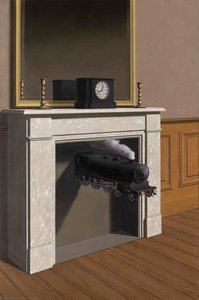
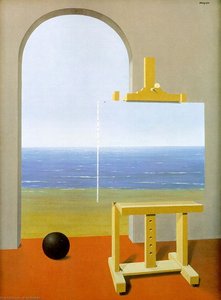
Magritte’s oeuvre is characterized by a masterful manipulation of illusion and representation. *The Treachery of Images (This is not a pipe)* (1929) exemplifies his genius—a deceptively simple depiction that compels us to reconsider the relationship between image and object, mirroring the core tenets of Surrealist thought. Similarly, *Les Amants* (1927-1928), featuring shrouded figures, echoes the trauma of his mother’s death while simultaneously exploring themes of concealment and intimacy. Masterpieces like *Time Transfixed* (1938) and *The Human Condition* (1933) further demonstrate Magritte's ability to unsettle viewers with unsettling juxtapositions and visual puzzles.
Legacy and Influence: A Surrealist Pioneer
René Magritte’s artistic legacy extends far beyond the confines of Belgian art history. His pioneering exploration of Surrealism profoundly impacted subsequent generations of artists—from Pop Art luminaries like Andy Warhol to Minimalist sculptors such as Donald Judd—establishing him as a cornerstone of 20th-century visual culture. Today, his paintings reside in prestigious museum collections worldwide, including the Musées royaux des beaux-arts de Belgique and the Magritte Museum, ensuring that his visionary aesthetic continues to inspire awe and provoke contemplation for decades to come.
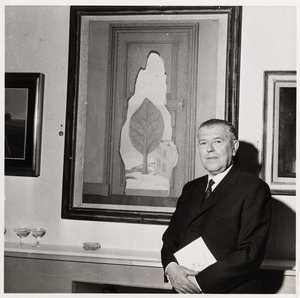
René Magritte
1898 - 1967 , Belgia
Lühikesed faktid
- Artistic Movement Or Style: Surrealism
- Artists Who Influenced This Artist: ['Giorgio de Chirico']
- Date Of Birth: November 21, 1898
- Date Of Death: August 15, 1967
- Full Name: René François Ghislain Magritte
- Nationality: Belgian
- Notable Artworks:
- Les Amants
- The Treachery of Images
- Time Transfixed
- Place Of Birth: Lessines, Belgium
Seotud artiklid

Josef Kriehuber: A Life Immersed in Viennese Topography – From Lithographic Precision to Romantic Observation
Explore the life and work of Josef Kriehuber, a master lithographer who captured 19th-century Vienna. Discover his portraits of nobility, landscapes, & artistic techniques. A guide for collectors & art enthusiasts.
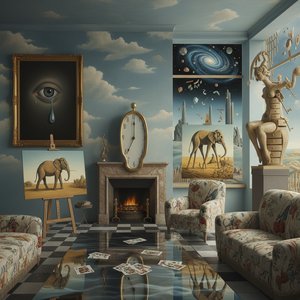
Surrealismi 10 Meisterteost: Kunsti, Mis Muudab Reaalsuse
Sukeldu sürreaalsete meistriteoste maailma! Salvador Dalí, René Magritte jt legendid. Avasta 10 teost, mis defineerisid sürrealismi. Kunstiajalugu ja inspiratsioon interjöördisainiks – OriginalUniqueArt.com
Arboreal Echoes: A Historical & Artistic Exploration of Trees in Painting
Explore the rich history of trees in painting! Discover symbolism, Romantic masterpieces by Caspar David Friedrich & beyond. A curated journey for art enthusiasts.

Arboreal Echoes: A Historical & Artistic Exploration of Trees in Painting
Explore the rich history of trees in painting! Discover symbolism, Romantic masterpieces by Caspar David Friedrich & beyond. A curated journey for art enthusiasts.
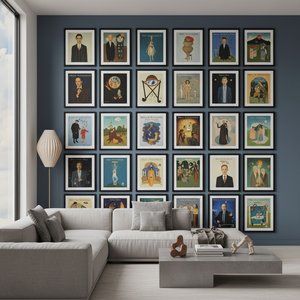
René Magritte: 25 meistriteost, mis muudavad teie kodu kunstigaleriiks | OriginalUniqueArt
Avastage René Magritte 25 kõige ikoonilisemat maali! Sukeldume surrealismi maailma, õppige kunstniku lugu ja tehnikat ning leidke inspiratsiooni oma kodukaunistuseks. Kvaliteetsed reprodubktsioonid OriginalUniqueArt.com-is. Avastage kogu kollektsioon online!