Jaga teost
 Jaga
Jaga
 Detailid
 Juhend

 Laadi alla
 Sarnased teosed
 Slaidietendus
 Statistika
Black Flag
 Digital Painting
- Digital
- Surrealism
 1937
1937- Modern
 54.0 x 73.0 cm
 Loe lähemalt
Giclée / Kunstiprint
Muuseumikvaliteediga giclée- või kangasprint kiire tootmisega ja paindlikud viimistlusvõimalused. ( Telli käsitsi maalitud reproduktsioon Ülemineku digitaalse pildi müügi kanalisse)




































Vali meie eelmääratud suurused, mis vastavad teose algupärastele proportsioonidele.

Saate sisestada oma mõõdud, et need sobiks konkreetse raami või ruumi sisse. Kui valitud suurus ei vasta originaalteose proportsioonidele, lõigame teose ära või laiendame pilti peegeldatud või ühtlase servaga. Enne tootmisprotsessi algust saadetakse Teie kinnitamiseks digitaalne näidis.
Palun märka, et ekraanil kuvatav eelvaade ei kajasta tegelikku lõigamist või laiendamist. Ainult näidis kujutab täpselt lõplikku kompositsiooni.
Kuigi erimõõdu on saadaval, soovitame originaaproportsioonide säilitamiseks valida mõõt ette määratud nimekirjast.
Ülemaailmne tarne () 2 nädala jooksul, tavalise 4/5 nädala asemel. (20 september)

Tasuta ekspresssaatmine üle maailma

Kõrgekvaliteediline lina-kangastest muld

Täielik transpordikindlustus

Tollimaksude tagastamise garantii

Värvitoime täpsuse garantii

100 päeva tagastusõigus (ainult defektide korral)

100% raha tagasi garantii

Hulgusoodustus
 Klaasivalik on saadaval ainult kuni 110 cm suuruses teostes

Black Flag
Giclée / Kunstiprint
Reproduktsiooni mõõtmed
-


Lõppsumma
$ 80
A Vision of Mechanical Isolation
In the hauntingly beautiful expanse of René Magritte’s 1937 masterpiece, Black Flag, the viewer is invited into a realm where the boundaries between reality and dream dissolve into a muted, celestial void. This is not a painting of a literal flag, but rather a profound exploration of geometric isolation. Within a somber, deep blue atmosphere, Magritte has constructed a surreal landscape populated by floating spheres, rectangles, and angular structures that seem to drift through an infinite, silent vacuum. These forms, reminiscent of futuristic spacecraft or the cold components of an advanced machine, are arranged in a deliberately unbalanced composition. This lack of traditional harmony creates an immediate sense of unease, pulling the observer into a state of detached contemplation, as if witnessing the quiet, lonely movement of celestial debris in a forgotten corner of the universe.
The aesthetic language of Black Flag is a sophisticated dialogue between Surrealism and the structured principles of Constructivism. While Magritte is celebrated for his ability to subvert the familiar, here he utilizes simplified, precise lines and geometric shapes to evoke a sense of rigid, mechanical existence. The artwork avoids the lush textures of traditional oil painting in favor of smooth, flat surfaces that contribute to its cold, almost clinical aesthetic. This precision, combined with a limited palette of blues, gretras, and silvers, lends the piece a modern, almost digital quality even decades before the advent of computer-generated imagery. For the discerning collector or interior designer, this work offers a striking focal point that embodies a minimalist yet deeply psychological presence, perfect for spaces that value intellectual depth and avant-garde sophistication.
Echoes of an Uncertain Era
To understand the emotional weight of Black Flag, one must look to the historical shadows cast by 1937. As Europe teetered on the precipice of global conflict, Magritte’s work began to reflect the growing anxieties of a world gripped by technological advancement and political instability. The mechanical shapes in the painting do not feel celebratory; instead, they evoke themes of alienation and the potential for a technological dystopia. There is a profound sense of loneliness in these floating structures—a feeling of being lost within a vast, indifferent machinery. This symbolic layer transforms the painting from a mere abstract exercise into a poignant critique of modern society’s increasing detachment from the organic world.
For those seeking to integrate this piece into a curated collection or a contemporary living space, Black Flag serves as more than just decoration; it is an invitation to wonder. Its ability to evoke both stillness and tension makes it a versatile masterpiece for high-end interiors. Whether placed in a quiet study to inspire deep thought or as a bold statement in a modern gallery setting, the painting’s subtle vignette and diffuse lighting draw the eye inward, demanding a moment of silent reflection. It remains a timeless testament to Magritte's ability to capture the unseen mysteries of the human psyche through the language of form and color.
Kunstniku elulugu
René Magritte (1898–1967): Exploring the Surrealist Landscape
René Magritte, born René François Ghislain Magritte on November 21, 1898, in Lessines, Belgium, emerged from a childhood profoundly shaped by tragedy – the untimely death of his mother when he was merely thirteen. This formative experience instilled within him an unwavering fascination with mystery, loss, and the unsettling power of what remains unseen; it would subtly permeate his artistic vision throughout his prolific career.
Early Artistic Explorations: Impressionism and Beyond
Despite initial inclinations toward Impressionism, Magritte swiftly recognized its limitations in conveying the complexities he wished to explore. He enrolled at the Académie Royale des Beaux-Arts in Brussels, seeking a more rigorous training but ultimately rejecting its formal conventions. Recognizing the influence of Giorgio de Chirico’s *The Song of Love* (1922), Magritte discovered a new aesthetic path—one where familiar landscapes could transform into dreamlike realms and commonplace objects could provoke unsettling questions about reality.
The Surrealist Breakthrough: Challenging Perception
Magritte's commitment to Surrealism solidified in 1926 with *Le Jockey Perdu*, marking his decisive departure from traditional artistic styles. Embracing the principles of automatism championed by André Breton, he sought to liberate creativity from conscious control, mirroring the broader intellectual currents of the era. His distinctive approach distinguished him from many fellow Surrealists; Magritte wasn’t interested in delving into subconscious anxieties through free association but rather in meticulously crafting visual paradoxes that disrupted viewers' perceptions.
Iconic Works and Recurring Themes: Paradoxical Imagery
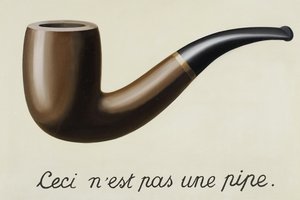
Magritte’s oeuvre is characterized by a masterful manipulation of illusion and representation. *The Treachery of Images (This is not a pipe)* (1929) exemplifies his genius—a deceptively simple depiction that compels us to reconsider the relationship between image and object, mirroring the core tenets of Surrealist thought. Similarly, *Les Amants* (1927-1928), featuring shrouded figures, echoes the trauma of his mother’s death while simultaneously exploring themes of concealment and intimacy. Masterpieces like *Time Transfixed* (1938) and *The Human Condition* (1933) further demonstrate Magritte's ability to unsettle viewers with unsettling juxtapositions and visual puzzles.
Legacy and Influence: A Surrealist Pioneer
René Magritte’s artistic legacy extends far beyond the confines of Belgian art history. His pioneering exploration of Surrealism profoundly impacted subsequent generations of artists—from Pop Art luminaries like Andy Warhol to Minimalist sculptors such as Donald Judd—establishing him as a cornerstone of 20th-century visual culture. Today, his paintings reside in prestigious museum collections worldwide, including the Musées royaux des beaux-arts de Belgique and the Magritte Museum, ensuring that his visionary aesthetic continues to inspire awe and provoke contemplation for decades to come.
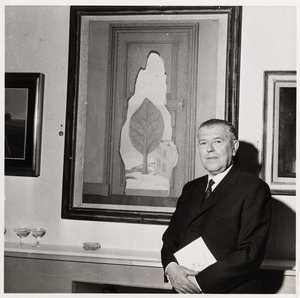
René Magritte
1898 - 1967 , Belgia
Lühikest infot
- Artistic Movement Or Style: Surrealism
- Artists Who Influenced This Artist: ['Giorgio de Chirico']
- Date Of Birth: November 21, 1898
- Date Of Death: August 15, 1967
- Full Name: René François Ghislain Magritte
- Nationality: Belgian
- Notable Artworks:
- Les Amants
- The Treachery of Images
- Time Transfixed
- Place Of Birth: Lessines, Belgium
Sarnased artiklid

Kandinsky's Masterpieces: 25 Paintings That Define Abstract Art | OriginalUniqueArt
Journey through Wassily Kandinsky's 25 most iconic abstract paintings. Explore his revolutionary use of color, form & spiritual expressionism. Find museum-quality Kandinsky reproductions and elevate your home decor with OriginalUniqueArt.com. Discover all masterpieces on OriginalUniqueArt.com!

Pure Chaos & Color: The High-Voltage World of Abstract Expressionism
Dive into the high-voltage world of Abstract Expressionism. Explore the raw energy of Action Painting and the legendary masters of the New York School through a visual journey of pure chaos and color. Discover how to bring bold, high-impact abstract art into your modern space.
Beyond the Lines: Mastering the High-Impact World of Contemporary Abstraction
Master the high-impact world of contemporary abstraction. Discover how bold colors, textures, and modern movements like Abstract Expressionism can transform your space with premium, high-energy art curated for the design-conscious professional.

Abstract Ekspressionismi 10 Meisterteost: Kunsti ja Sisustamise Klassikat
Sukeldu abstraktse ekspressionismi maailma! Avasta 10 legendaarset kunstiteost – Pollock, Rothko jt. – ja nende loo. Leia inspiratsiooni interjööriks ning kaunista kodu OriginalUniqueArt.com kvaliteetsete reproduktsioonidega. Uuri kollektsiooni!
Lyrical Abstraction: The Emotional Power of Color and Form in Modern Art History
Explore the profound emotional depth of Lyrical Abstraction. Discover how masters like Raymond Parker used color and form to bridge Impressionism and Abstract Expressionism. Learn about this pivotal movement through our expert-led art history guide.