Vaata sisu
 Jaga teost
 Jaga
Jaga
 Detailid
 Õppekate juhend

 Laadi alla
 Sarnased teosed
 Röntgenuuring
 Slaidietendus
 Statistika
Armurid


 Loe lähemalt
Sellel lehel kuvatav kunstiteos on kaitstud autoriõigusega, mis tähendab, et meil ei ole seaduslikku õigust luua või müüa identset reproduktsiooni. Seda kaitset rakendatakse rahvusvaheliste kokkulepete alusel, nagu näiteks Berne konventsioon ning riiklike seadustega, sealhulgas nendega, mida on sätestatud USA autoriõiguse seadus – 17. peatükk.
See meetod järgib täielikult autoriõiguse reegleid, kuna see ei põhine kaitstud kunstiteose kopeerimisel või dupliteerimisel. Selle asemel on tegu loova reinterpreetatsiooniga – uue maaldisega, mis on algteosest inspireeritud, kuid ei ole sellest identiline.
Giclée / Kunstiprint
Muuseumikvaliteediga giclée- või kangasprint kiire tootmisega ja paindlikud viimistlusvõimalused. ( Telli käsitsi maalitud reproduktsioon Ülemineku digitaalse pildi müügi kanalisse)




P118B €10

P118H €10

P118W €10

P438Z €10

P508JH €12

P508YH €12

P805H €10

P805Z €10

P919BZ €10

P919G €10

P919XJ €10

P959ZH €10

P968JZ €12

W106C €8

W218G €10

W218JH €8

W218Y €10

W307PJ €10

W316G €10

W316PJ €8

W316Y €10

W398PJ €8

W4111J €10

W500HY €15

W500JH €15

W692G €12

W849H €8

W940BG €15

W953PJ €8




Vali meie eelmääratud suurused, mis vastavad teose algupärastele proportsioonidele.

Sisestage vajalik laius ja kõrgus, et see sobiks teie raamile või seinale. Trükki saab ainult lõigata, seda ei saa kunagi pildist suuremaks teha, seega ka differentse vormiga suurus kaotab osa pildist. Enne trükkimist saadame teile kinnitamiseks digitaalse näidisprojektsiooni. Sellel lehel näidatud pilt ei kujuta reaalset lõiget — seda näitab ainult näidisprojekttsioon.
Ülemaailmne tarne () 2 nädala jooksul, tavalise 4/5 nädala asemel. (21 oktoober)

Tasuta ekspresssaatmine üle maailma

Kõrgekvaliteediline lina-kangastest muld

Täielik transpordikindlustus

Tollimaksude tagastamise garantii

Värvitoime täpsuse garantii

100 päeva tagastusõigus (ainult defektide korral)

100% raha tagasi garantii

Hulgusoodustus
 Klaasivalik on saadaval ainult kuni 110 cm suuruses teostes

Armurid
Giclée / Kunstiprint
Reproduktsiooni mõõtmed
-


Lõppsumma
€ 70
Intiimsuse kummituslik uuring
René Magritte’i teos “Armastajad” (1928) on tõlgenduste järgi tema kõige ikoonilisem ja püsivaim imagem – võimas ja rahutu kujendus sidumisest, mis on mürgi kätkedud. See ei ole pelgalt maal suudlustest; see on sügav meditaatio barjäride üle, mida me teadlikult ja teadmatult ehitame oma kõige lähedamate suhete sisse.
Surrealism ja reaalsuse alluvõtmine
Magritte’i murdmepunktival surrealistlikul perioodil loodud teos on tema signatuurstiili parim näide: hoolikas tavalistest esemestest inimestest, mis on asetatud ootamatutes kontekstidesse. Kunstnik ei olnud huvitatud unesidest enda$\\text{s}$ kohta, vaid ta tahtis luua „poetilist üllatust”, ühendades tuttavusi elemente viisil, mis suudab meie reaalsuse tajumist murendada. “Armastajad” saavutab selle briljantselt varjatud näodega, mis rikkub koheselt oodatud läheduse ja k臂tuse atmosfääri.
Tehnika ja kompositsiooniline meistriklass
Magritte kasutas märkimisväärselt täpsest õlitehnikat, saavutades siledad pinnad ja peened toonivariatsioonid. Kompositsioon on petlikult lihtne – kaks tehmed figuurit on asetsatud keskusele vastu vaigendatud taust, mida kirjastab erks kollane või punane arhitektuuriline element. See terav kontrast tõmbab pilget ja suurendab stseenil emotsionaalset kaalu. Negatiivse ruumi kasutamine rõhutab veelgi enam nii sündmuste vahelist lähedust *kui* ka armastajate kogetavat isolatsiooni.
Sümbolismi dekodeerimine
Näod varjastava draperii kanga on maali kõige silmapaistvaim element, mis kutsub esile lõputuid tõlgendusi. Mõned uurijad seostavad selle Magritte’i lapsepuidetraumaga, mil ta nägi oma uppunud ema keha, mis oli märgade kangaste mähitud. Laiemalt sümboliseerib see anonümsust, identiteedi kaotust suhtes ja teise inimese olemuse lõplikku arvamatusust. Punane pilaster võib tähistada kire, vangistust või isegi ohtu – lisades narratiivile uusi keerukusi. Kas see on armastuse kallis kallis kättestapamine või frustratsioonist tulenev lootusetu klamardumine?
Ajalooline kontekst ja püsiv mõju
Loodud Pariisis ajal, mil valitses kunstiline eksperimentimine ja sotsiaalne segadus, peegeldab “Armastajad” vahekaartide aastate ärevust ja ebakindlust. Magritte’i töö on avaldanud sügavat mõju järgnevatele kunstnikute, filmikunstnike (eriti Pedro Almodóvari) ja disajnerite põlvkonadele. Tema kujundite maailm resonatsioonib tänapäevani, esinedes populaarkultuuris ja inspireerides lugematuid uusi tõlgendusi.
Emotsionaalne kaja ja sisekujunduslik väärtus
“Armastajad” tekitab keeruka emotsioonide spektri – melankoolia, müüritust, igatsust ja võibutagi isegi ebamugavust. Kuidas suurepärane keskpunktteos, lisab see igale sisekujundusele sügavust ja intellektuaalset põnevust. Selle pidundunud värvikombinatsioon — hallid, punased ja kreemikas noodid — pakub mitmeksidust, sobides nii modernset kui ka traditsioonset interjööri. Sellise meistriteose reproduktsiooni olemasolu kutsub inimest mõttema ja algatab vestlust, olles erakordne lisand nii kunstikogujatele kui ka disainiarmastajatele.
Küsimused ja vastused
Kas teos „Armurid“, autor René Magritte on värviline või tumenev?
Teose „Armurid“, autor René Magritte tajutav heledus on varjud. Seda saab kohandada mõeldud ruumi valgusest koos.
Millist atmosfääri teevad „Armurid“, autor René Magritte sisekujundusse?
Olles meeleoluult Müstiline, soovitatakse teost "Armurid" ruumiks Elutuba.
Millest tunnest on "Armurid" seotud?
Teos "Armurid" on seotud Salapärane tundega. Emotsionaalne toon kirjeldab teose tekitavat muljet.
Kunstniku elulugu
René Magritte (1898–1967): Exploring the Surrealist Landscape
René Magritte, born René François Ghislain Magritte on November 21, 1898, in Lessines, Belgium, emerged from a childhood profoundly shaped by tragedy – the untimely death of his mother when he was merely thirteen. This formative experience instilled within him an unwavering fascination with mystery, loss, and the unsettling power of what remains unseen; it would subtly permeate his artistic vision throughout his prolific career.
Early Artistic Explorations: Impressionism and Beyond
Despite initial inclinations toward Impressionism, Magritte swiftly recognized its limitations in conveying the complexities he wished to explore. He enrolled at the Académie Royale des Beaux-Arts in Brussels, seeking a more rigorous training but ultimately rejecting its formal conventions. Recognizing the influence of Giorgio de Chirico’s *The Song of Love* (1922), Magritte discovered a new aesthetic path—one where familiar landscapes could transform into dreamlike realms and commonplace objects could provoke unsettling questions about reality.
The Surrealist Breakthrough: Challenging Perception
Magritte's commitment to Surrealism solidified in 1926 with *Le Jockey Perdu*, marking his decisive departure from traditional artistic styles. Embracing the principles of automatism championed by André Breton, he sought to liberate creativity from conscious control, mirroring the broader intellectual currents of the era. His distinctive approach distinguished him from many fellow Surrealists; Magritte wasn’t interested in delving into subconscious anxieties through free association but rather in meticulously crafting visual paradoxes that disrupted viewers' perceptions.
Iconic Works and Recurring Themes: Paradoxical Imagery
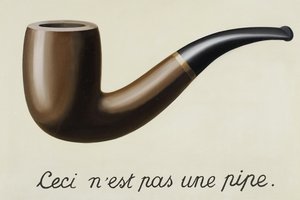
Magritte’s oeuvre is characterized by a masterful manipulation of illusion and representation. *The Treachery of Images (This is not a pipe)* (1929) exemplifies his genius—a deceptively simple depiction that compels us to reconsider the relationship between image and object, mirroring the core tenets of Surrealist thought. Similarly, *Les Amants* (1927-1928), featuring shrouded figures, echoes the trauma of his mother’s death while simultaneously exploring themes of concealment and intimacy. Masterpieces like *Time Transfixed* (1938) and *The Human Condition* (1933) further demonstrate Magritte's ability to unsettle viewers with unsettling juxtapositions and visual puzzles.
Legacy and Influence: A Surrealist Pioneer
René Magritte’s artistic legacy extends far beyond the confines of Belgian art history. His pioneering exploration of Surrealism profoundly impacted subsequent generations of artists—from Pop Art luminaries like Andy Warhol to Minimalist sculptors such as Donald Judd—establishing him as a cornerstone of 20th-century visual culture. Today, his paintings reside in prestigious museum collections worldwide, including the Musées royaux des beaux-arts de Belgique and the Magritte Museum, ensuring that his visionary aesthetic continues to inspire awe and provoke contemplation for decades to come.
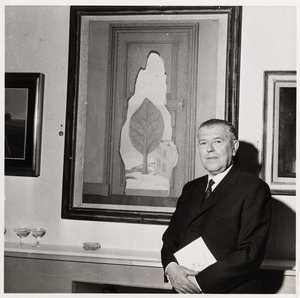
René Magritte
1898 - 1967 , Belgia
Lühikest infot
- Artistic Movement Or Style: Surrealism
- Artists Who Influenced This Artist: ['Giorgio de Chirico']
- Date Of Birth: November 21, 1898
- Date Of Death: August 15, 1967
- Full Name: René François Ghislain Magritte
- Nationality: Belgian
- Notable Artworks:
- Les Amants
- The Treachery of Images
- Time Transfixed
- Place Of Birth: Lessines, Belgium
Sarnased artiklid

Crimson Threads of Narrative: Exploring Symbolism & Representation in Artworks Featuring the Red Dress
Explore the rich symbolism of the red dress in art history! From ancient power displays to iconic portraits like Cézanne’s 'Madame Cezanne', discover the cultural and artistic significance behind this captivating color. Expert analysis & insights.
Surrealist Painting Masterpieces: 10 Artworks That Redefined Reality | OriginalUniqueArt
Journey into the dreamlike world of Surrealism! Explore 10 masterpieces by Dali, Magritte & Miró that redefined art. Discover their stories & find museum-quality reproductions to elevate your home decor on OriginalUniqueArt.com.

The Treachery of Images: Decoding René Magritte’s Surrealist Vision and the Paradox of Representation
Delve into the profound mysteries of René Magritte’s Surrealism. Explore an expert analysis of 'The Treachery of Images,' decoding the philosophical paradoxes and visual subversions that redefined modern art history for collectors and connoisseurs alike.
Mysterious Masterpieces: 10 Artworks That Captivate & Intrigue |
Delve into 10 iconic artworks that stir deep mystery & emotion. Explore masterpieces by [Artist Name], Surrealism, and Romanticism – discover the stories behind their captivating power. Find museum-quality art reproductions at !
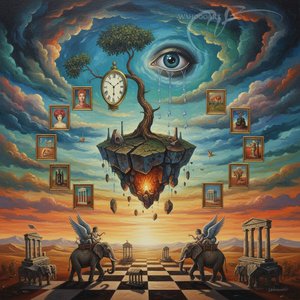
Surrealismi 10 Meisterteost: Kunsti, Mis Muigasid Reaalsust
Sukeldu sürreaalsesse maailma! Avasta 10 meistriteost, mis defineerisid sürrealismi liikumist – Dalí, Magritte jt. Kunstiajalugu ja inspiratsioon interjööriks OriginalUniqueArt.com-il. Uuri täielik kollektsioon veebis!