Text size

() ·

A painting made for you, by hand

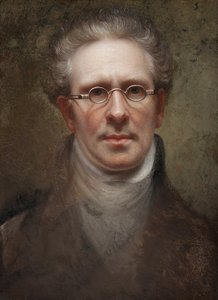
Philosopher in Meditation

Käsitsi valmistatud õlimaalireproduktsioon

Meie kunstnike poolt tellimusel valmistatud käsitsi maalitud õli-kainaste teos teie soovitud suuruses ja raamis. ( Lülita trükkitoodetele Lülita digitaalse pildi juurde)

Kogumisobjekti kirjeldus

Explore Rembrandt Peale’s ‘Philosopher in Meditation’ (1632). A Baroque masterpiece featuring dramatic lighting & a contemplative figure. Discover this American classic!

Kunstniku elulugu

Avastage Rembrandt Peale, kuulsaim ameerika portreekunstnik, tuntud Washingtoni ja Jeffersoni vapustavate kujutiste poolest. Tutvuge tema neoklassitsistliku stiili ja muuseumipärandiga.

from ·

Chapter 1

How large should it be?

Slide to change the size; the picture on the left shows the frame at its real width. The proportions of the original are kept.

Standardne suurus
kohandatud
CM
INCH

Vali meie eelmääratud suurused, mis vastavad teose algupärastele proportsioonidele.

laius
kõrgus

Sisestage vajalik laius ja kõrgus, et teos sobiks teie raamile või seinale. Kuna tegu on käsipainatud teosega, siis erineva kujuga suuruse korral võib kunstnik jätta pildi ümber veidi rohkem marginaali või lõigata osa ära — valik on teie. Enne maali alustamist saadame teile kinnitamiseks digitaalse näidisprojektsiooni. Sellel lehel näidatud pilt ei kajasta tegelikku tulemust — seda näitab ainult näidisprojektsioon.

Chapter 2

How should it arrive?

Choose the edges of the stretched canvas

Choose your frame

Corner sample of the WhiteWrap canvas edge finish, stretched on massivpuit bars
White €1
Corner sample of the BlurSideWrap canvas edge finish, stretched on massivpuit bars
Blurside €1
Corner sample of the ExtendedWrap canvas edge finish, stretched on massivpuit bars
Extended €1
Corner sample of the P118B picture frame: vormitud polüstüreen, 5 cm wide and 3 cm thick
P118B €10
Corner sample of the P118H picture frame: vormitud polüstüreen, 5 cm wide and 3 cm thick
P118H €10
Corner sample of the P118W picture frame: vormitud polüstüreen, 5 cm wide and 3 cm thick
P118W €10
Corner sample of the P438Z picture frame: vormitud polüstüreen, 5.5 cm wide and 3.5 cm thick
P438Z €10
Corner sample of the P508JH picture frame: vormitud polüstüreen, 7 cm wide and 3.5 cm thick
P508JH €12
Corner sample of the P508YH picture frame: vormitud polüstüreen, 7 cm wide and 3.5 cm thick
P508YH €12
Corner sample of the P805H picture frame: vormitud polüstüreen, 5 cm wide and 3.5 cm thick
P805H €10
Corner sample of the P805Z picture frame: vormitud polüstüreen, 5 cm wide and 3.5 cm thick
P805Z €10
Corner sample of the P919BZ picture frame: vormitud polüstüreen, 7 cm wide and 3.5 cm thick
P919BZ €10
Corner sample of the P919G picture frame: vormitud polüstüreen, 7 cm wide and 3.5 cm thick
P919G €10
Corner sample of the P919XJ picture frame: vormitud polüstüreen, 7 cm wide and 3.5 cm thick
P919XJ €10
Corner sample of the P959ZH picture frame: vormitud polüstüreen, 5 cm wide and 3 cm thick
P959ZH €10
Corner sample of the P968JZ picture frame: vormitud polüstüreen, 6 cm wide and 4 cm thick
P968JZ €12
Corner sample of the W106C picture frame: massivpuit, 5 cm wide and 3 cm thick
W106C €8
Corner sample of the W218G picture frame: massivpuit, 5 cm wide and 3 cm thick
W218G €10
Corner sample of the W218JH picture frame: massivpuit, 5 cm wide and 3 cm thick
W218JH €8
Corner sample of the W218Y picture frame: massivpuit, 5 cm wide and 3 cm thick
W218Y €10
Corner sample of the W307PJ picture frame: massivpuit, 6 cm wide and 3 cm thick
W307PJ €10
Corner sample of the W316G picture frame: massivpuit, 6 cm wide and 3 cm thick
W316G €10
Corner sample of the W316PJ picture frame: massivpuit, 6 cm wide and 3 cm thick
W316PJ €8
Corner sample of the W316Y picture frame: massivpuit, 6 cm wide and 3 cm thick
W316Y €10
Corner sample of the W398PJ picture frame: massivpuit, 5 cm wide and 3 cm thick
W398PJ €8
Corner sample of the W4111J picture frame: massivpuit, 6.5 cm wide and 3.5 cm thick
W4111J €10
Corner sample of the W500HY picture frame: massivpuit, 7 cm wide and 5 cm thick
W500HY €15
Corner sample of the W500JH picture frame: massivpuit, 7 cm wide and 5 cm thick
W500JH €15
Corner sample of the W692G picture frame: massivpuit, 8 cm wide and 4 cm thick
W692G €12
Corner sample of the W849H picture frame: massivpuit, 5 cm wide and 3 cm thick
W849H €8
Corner sample of the W940BG picture frame: massivpuit, 7.5 cm wide and 4.5 cm thick
W940BG €15
Corner sample of the W953PJ picture frame: massivpuit, 6 cm wide and 3.5 cm thick
W953PJ €8
Corner sample of the H24-GOLD picture frame: kareeritud puit ja gesso, 10 cm wide and 6 cm thick
H24-GOLD €30
Corner sample of the H24-SILVER picture frame: kareeritud puit ja gesso, 10 cm wide and 6 cm thick
H24-SILVER €30
Corner sample of the H36-GOLD picture frame: kareeritud puit ja gesso, 15 cm wide and 6.5 cm thick
H36-GOLD €45
Corner sample of the H36-SILVER picture frame: kareeritud puit ja gesso, 15 cm wide and 6.5 cm thick
H36-SILVER €45
Raami eelvaade
Raamitud

Moulding: . Overall size with the frame: .

Chapter 3

Who paints it, and should anything change?

Examples of what can be changed: Replace face with customer photo; Add pet (e.g., replace cat with dog); Include hidden message in background; Change background landscape or elements.
After order, OriginalUniqueArt.com team will email client for instructions and provide a mockup preview

Maailmline tarne 3–4 nädala jooksul tavalise 5 nädala asemel. (2 november). Kvaliteedis kompromisse ei tehta.

Chapter 4

The finishing touches

A nameplate, as in a museum?

Graveeritud pronksplaadi üksikasjad

This elegant plaque features the artist's name and the title of the artwork, finely engraved for a timeless presentation.

It is made from bronze with a refined, elegant finish. The text is precisely laser-engraved for a sharp and permanent result. Measuring 9x2 cm, the plaque is compact yet easy to read. It's built to be durable and scratch-resistant, offering a professional, museum-quality look. Mounting is simple thanks to the included adhesive backing.

Läbipaistva akrüülplaadi üksikasjad

The plaque includes essential engraved details such as the artist's name, the title of the artwork, the date it was created, the type of media used-like oil on canvas or watercolor-a brief description of the piece, and a QR code that links to the complete artwork information.

It is crafted from clear acrylic, offering a sleek, modern appearance. The text is UV-engraved in black to ensure strong visual contrast. With a size of 10x15 cm, it ensures optimal readability. It comes equipped with two metal hooks for secure wall mounting. The plaque is designed to be weather-resistant, making it suitable for various environments, and it includes interactive features that work seamlessly with smartphone scanning.

Musta akrüülplaadiรายละเอียด (Note: The user provided "Musta akrüülplaadi detailid" as the current translation and asked for an improved version. Since "Musta akrüülplaadi

This elegant plaque includes engraved information such as the artist's name, the title of the artwork, the date it was created, the type of media used (like oil on canvas or watercolor), a short description of the artwork, and a QR code for quick access to more information.

The plaque itself is made from refined black acrylic with a premium finish. The text is laser-engraved in white for high contrast and readability. Its size is 10x15 cm, designed to be easy to read. It comes with two metal hooks for professional mounting. The design is sleek and fits any interior style. It is also weather-resistant and durable, with built-in digital integration for mobile compatibility.

A protective varnish?

When do you need it?

Chapter 5

Your painting, as you ordered it

Philosopher in Meditation

Reproduktsiooni tehnika

Reproduktsiooni suurus

-

Eelistatud tippkunstnik

Rohkem detaile, peenust ja lisatootmisaega

-

Reproduktsiooni raamivalikud

-

-

Kunstiteoste või reproduktsioonide puhul, mille üks külg on üle 105 cm (umbikmolt 41 tolli), saadetakse raam kirjal asendis, la Dismantlitud komplektina. See meetod tagab ohutuse kohaletoimetamisel ja väldib transpordil tekkivaid kahjustusi.

Vajalik professionaalne kokkupanek – see ei ole isetegevusega valmistamiseks mõeldud toode.
Komplekt tuleb kokku panna ja lõvet pingutada kogemusega professionaalse raamija, kasutades puiduliim (ei kuulu komplekti), lõvetpingi ja klempe, et hoida raami kande mustad õigena liimi kuivamisaja jooksul. Vale kokkupanek või ebaühtlane lõvetping võib kunstiteost püsivalt kahjustada ning seda ei katta meie garantii.

  • Kaasatud on kõik tahked puidust liistud, täpselt lõigatud vastavaks suuruseks.

  • Kokku panemiseks kasutatakse lisatud kruvisid ning nurkade liimamiseks vajalikku puuliima, mida ei ole komplektis ja mida peab raamivalmistaja ise hankima.

  • Vajalik on kasutada professionaalseid tööriistu, mis ei kuulu komplekti: lõvetelapide pingist (pingutaja) ja klambreid, et hoida raami puidu nurgas õigena liimi kuivamisaja jooksul.

Oluline:
Nurgaliimamiseks on vaja puiduliim, liimimine peab toimuma klempide all kuni liim on täielikult kuivanud ning kokku monteeritud raami kanga pingutamiseks on vajalik kanga pingutustang. Kumbki neist ei kuulu komplekti. Palun veenduge enne selle suuruse tellimist, et teil on saadaval kogenud professionaalne raamistaja.

Nimesildikiri

-

-

Kaitsevärnitsus

Läikiv lakk (muudab värvid elavamaks ning kaitseb valgust ja niiskust eest)

-

Kohanda oma teost

Näiteid muudatuste kohta: Asenda nägu kliendi fotoga; Lisa lemmikloom (nt asenda kass koeraga); Lisa taustale peidetud sõnum; Muuda tausta maastikku või elemente.

-

Kiire tarne

Ülemaailmne tarne riiki 3–4 nädalaga tavalise 5 nädala asemel. (2 november). Kvaliteedis kompromisse ei tehta.

-

Kiirsaatmine

Ülemaailmne tarne () 5 nädala jooksul. (9 november).

Sisse kuuluv

Koguhind

€ 289

Kogu summa € 289

Klaasivalik on saadaval ainult kuni 110 cm suuruses teostes

Included with every order

  • Tasuta ekspresssaatmine üle maailma
  • Kõrgekvaliteediline lina-kangas
  • Täielik transpordikindlustus
  • Tollimaksude tagastamise garantii
  • Värvitoime täpsuse garantii
  • 100 päeva tagastusõigus (ainult valmistusdefektide korral)
  • 100% raha tagasi garantii
  • Hulgusoodustus

A Moment of Contemplation: Rembrandt Peale’s ‘Philosopher in Meditation’

Rembrandt Peale's “Philosopher in Meditation,” painted in 1632, is more than just a portrait; it’s a carefully constructed tableau of introspection and the pursuit of knowledge. Emerging from the burgeoning artistic landscape of early America through his father, Charles Willson Peale, Rembrandt inherited not only technical skill but also a deep-seated belief in art's power to illuminate the human condition. This particular work, housed within the Louvre’s collection, immediately draws the viewer into a dimly lit interior, dominated by a dramatic spiral staircase and the solitary figure of an aged philosopher lost in profound thought. The scene isn’t merely observed; it’s experienced – a palpable sense of quiet solemnity hangs in the air, punctuated only by the subtle play of light and shadow.

The painting's Baroque realism is evident in every meticulously rendered detail. Peale masterfully employs chiaroscuro—the dramatic contrast between light and dark—to sculpt the scene. A focused beam of illumination, originating from the upper right corner, casts long shadows across the room, emphasizing the philosopher’s solitude and creating a sense of depth that pulls the viewer into the intimate space. The rough textures of the aged walls, the worn wooden steps, and even the folds in the philosopher's garments speak to a historical setting, lending an air of timelessness and gravitas. The artist’s use of lines is particularly striking; the spiraling staircase acts as a visual pathway, guiding our eye upwards towards the light source – a potent symbol of enlightenment and spiritual ascent.

Symbolism and Interpretation

Beyond its technical brilliance, “Philosopher in Meditation” is rich with symbolic meaning. The spiral staircase itself represents a journey—a metaphorical climb toward wisdom and understanding. It’s not simply a physical structure but a visual embodiment of intellectual pursuit, suggesting that knowledge requires effort, dedication, and a willingness to ascend beyond the mundane. The philosopher, an elderly figure seated in quiet contemplation, embodies this very process. His bowed head and folded hands convey a sense of deep reflection, inviting us to consider our own place within the larger scheme of existence. The woman tending the hearth adds another layer of complexity, perhaps representing domesticity and the grounding forces that support intellectual endeavors.

Interestingly, recent scholarship suggests that the painting may depict “Tobit and Anna waiting for their son Tobias,” a biblical scene often associated with wisdom and divine guidance. This interpretation further enriches the work’s symbolism, suggesting that the philosopher's contemplation is not merely an individual pursuit but a connection to something greater—a search for truth guided by faith or intuition. The inclusion of the third figure in the stairs, previously unseen, adds another layer of intrigue, possibly representing the external world and its influence on the contemplative mind.

Technique and Materials

“Philosopher in Meditation” is a testament to Peale’s skill as an oil painter. The brushstrokes are visible yet controlled, creating a textured surface that adds depth and realism to the scene. The layering of colors—from the warm yellows and browns of the light source to the cool blues and grays of the shadows—is expertly executed, contributing to the painting's atmospheric quality. Peale’s use of perspective is somewhat shallow, focusing primarily on the immediate foreground and midground, creating a sense of intimacy and drawing the viewer into the scene. The choice of oak panel as the support further enhances the work’s aged appearance, reinforcing its historical context.

A Legacy of Likeness

Rembrandt Peale's legacy extends far beyond this single masterpiece. As the founder of The Peale Museum in Baltimore, he championed the power of art to educate and inspire. His portraits of prominent figures like George Washington and Thomas Jefferson helped shape American national identity, solidifying his place as a pivotal figure in early American art history. Today, reproductions of “Philosopher in Meditation” continue to captivate audiences, offering a glimpse into a moment of profound contemplation—a timeless reminder of the enduring human quest for knowledge and understanding.

Korduvad küsimused

Kui palju valgust tundub teose "Philosopher in Meditation" värvid peegeldavat?

Teose „Philosopher in Meditation“, autor Rembrandt Peale luminants on Dark.

Mis on teose "Philosopher in Meditation" formaat ja suurus?

Teose "Philosopher in Meditation" vorming on Landscape ning originaali mõõdud on 34 x 28 cm. Mõlemad on kasulikud reproduktsiooni planeerimisel.

Kuhu Rembrandt Peale loomingulisse perioodi kuulub teos "Philosopher in Meditation"?

Teos "Philosopher in Meditation" esindab kunstniku Rembrandt Peale loovperioodi Mature Period.

More about this painting

Eelvaade AR-eelvaade Lülita trükkitoodetele Lülita digitaalse pildi juurde Saada
Teave teose kohta Juhend Lisa lemmikutesse Laadi alla Sarnased teosed Röntgenuuring Slaidietendus Q&A Statistika

In numbers

  • 1632the year it was painted
  • 29frames to choose from
  • standard sizes, in its own proportions
  • 5weeks to paint and deliver it
Rembrandt Peale

Rembrandt Peale

1778 - 1860, United States of America

Quick facts about Rembrandt Peale

  • Artistic Movement Or Style: Neoklassitsism
  • Artists Who Influenced This Artist: ['Rembrandt van Rijn']
  • Date Of Birth: 1778-02-22
  • Date Of Death: 1860
  • Full Name: Rembrandt Peale
  • Nationality: Ameeriklaste rahvus
  • Notable Artworks:
    • George Washington
    • Man with a beard
  • Place Of Birth (City And Country): Bucks County, USA

Kunstniku elulugu

Päranduse maal: Rembrandt Peale elu ja kunst

Rembrandt Peale, sündinud 1778. aastal Pennsylvania osariigis Bucks County’s, kasvas üles perekonnas, mis oli sügavalt juurdunud varajase Ameerika kunstimaailma arengusse. Tema isa, Charles Willson Peale, ei olnud pelgalt kunstnik, vaid kultuuriline jõud – maalikunstnik, muuseumi asutaja ja innukas uskija kunsti võimesse kujundada rahvuslikku identiteeti. Just selles stimuleerivas keskkonnas sai noor Rembrandt oma põhialased koolitused koos oma õdede-vendadega, õppides isa oskuslikes kätes portree- ja maastikumaalimise tehnikaid. Nime andmine “Rembrandt”, mis kajastas hollandi meistri Harmenszoon van Rijn’i nime, tähistas Charles Willson Peale ambitsioone oma poja suhtes – lootust, et ta kannaks edasi kunstilise tipptase traditsiooni. Juba üllatavalt noorelt näitas Rembrandt tähelepanuväärset annet, lõpetades esimese autoportree juba kolmeteistkümne aasta vanuselt, töö, mis vihjas tema küpsemas stiilis täpsusele ja ambitsioonilele. See varajane teos ei olnud lihtsalt tehnilise oskuse väljapanemine; see oli taotlusavaldus, noor kunstnik deklareeris oma kohaloleku Ameerika kunstis.

Formatiivsed Aastad ja Neoklassitsistlikud Mõjud

Peale’i kunstiline teekond viis ta varajaseks kolmekümneks Pariisi, pöördelise kogemuse, mis mõjutas sügavalt tema esteetilisi tundeid. Sukeldunud Euroopa kultuuri südamesse, kohtas ta valitsevaid Prantsuse neoklassitsismi voolusid – stiili, mis rõhutas korda, selgust ja tagasipöördumist klassikalistele ideaalidele. See mõju on kergesti nähtav Peale’i hilisemates töödes, mida iseloomustab rafineeritud joonistusvõime, tasakaalustatud kompositsioonid ja tähelepanuväärne detailitäpsus. Kuigi isa portreedes oli sageli teatud maaeluline elujõud, kaldus Rembrandti oma rohkem poleeritud ja idealiseeritud esitusele tema subjektide suhtes. Sel perioodil omaks ta vaha kasutamise tehnika – iidse meetodi, mis kasutas vahaga keskmist, demonstreerides pühendumust uuenduslike maalimismeetodite uurimisele. Peale ei jälendanud aga lihtsalt Euroopa stiile; ta kohandas neid Ameerika konteksti, luues portreesid, mis kajastasid riigi arenevat identiteeditunnet ja selle ambitsioone kultuurilise iseseisvuse poole. Tema pühendumine täpsete sarnasuste jäädvustamisele, kombineerituna tema neoklassitsistliku koolitusega, võimaldas tal luua pilte, mis olid nii esteetiliselt meeldivad kui ka ajalooliselt olulised.

Viljakas Portreekunstnik: Ühe Ajastu Jäädvustamine

Rembrandt Peale’i karjäär oli tähelepanuväärselt viljakas, mida iseloomustas reljeefne püüdlemine kunstilise täiuslikkuse poole ja pühendumine oma aja silmapaistvate figuuride dokumenteerimisele. Ta sai eriti tuntuks George Washingtoni portreedest, luues üle seitsmekümne tema ikoonilise “Patriae Pater” (Isa Tema Riigi) koopia. Need pildid ei olnud lihtsalt füüsilise välimuse esitused; need olid hoolikalt konstrueeritud sümbolid riiklikust uhkusest ja juhtimisest. Peale mõistis portree võimu kujundada avaliku arvamust ja aidata kaasa kollektiivse mälu loomisele. Washingtoni kõrval maalis ta arvukalt teisi mõjukaid isiksusi, sealhulgas Thomas Jefferson, John C. Calhoun ja erinevad Ameerika eliidi liikmed. Tema portreed ei piirdunud poliitiliste figuuridega; ta jäädvustas ka tavakodanike sarnasusi, pakkudes pilku igapäevaste ameeriklaste ellu ja ambitsioonidesse. Mees habega, kuigi dateerimata, on näide tema oskusest tabada individuaalset iseloomu ja psühholoogilist sügavust. Iga pintselitõmme paljastab mitte ainult füüsilisi tunnuseid, vaid viitab ka istuja sisemisele elule.

Lõuendi Tagata: Peale’i Muuseum ja Püsiv Pärand

Rembrandt Peale’i panus ulatus maalimise valdkonnast kaugemale; ta oli ettenägelik muuseumiasutaja, mida ajendas soov harida avalikkust ja edendada kunstilist hindamist. 1814. aastal asutas ta oma esimese muuseumi Baltimore’is Marylandis – murranguline institutsioon, mis teenis eeskujuks paljudele kaasaegsetele kunstimuuseumidele. See ei olnud lihtsalt galeriikunstiteoste väljapanemiseks; see oli kavandatud õppekeskuseks, pakkudes näitusi maalidest, skulptuuridest ja looduslooduspetsimenidest. Muuseumist sai hiljem teine Baltimore’i linna raekoda enne taastamist Peale’i muuseumiks, jätkates tema pärandust avaliku teenimise kaudu kunsti abil. Tema pühendumine kunsti kättesaadavaks tegemisele kõigile peegeldab sügavalt juurdunud uskumust selle transformatiivsesse jõudu. Tänapäeval on Rembrandt Peale’i tööd majutatud mainekates kollektsioonides üle maailma, sealhulgas National Portrait Gallery Washingtonis D.C., ja neid jätkuvalt tähistatakse nende ajaloolise tähtsuse ja kunstilise väärtuse eest. Tema mõju on näha järgnevate põlvkondade Ameerika portreekunstnike töödes, kinnistades tema koha rahva kunstiajaloo keskse figuurina.

Püsiv Mulje

Rembrandt Peale’i elu oli pühendunud nii kunstilisele loomingule kui ka kultuuririkastamisele. Ta ei olnud pelgalt maalikunstnik; ta oli ajaloolane, pedagoog ja Ameerika identiteedi pooldaja. Tema portreed pakuvad hindamatuid ülevaateid oma ajastu isiksustest ja väärtustest, samal ajal kui tema muuseum teenis valgustuse majakana kiiresti muutuvas riigis. Tema pärand kestab mitte ainult tema arvukate kunstiteoste kaudu, vaid ka tema uuendusliku vaimu ja järjekindla pühendumise kunsti võimule. Ta jättis maha teose, mis jätkab inspireerimist ja lummamist tänapäevalgi, meenutades meile meie kultuuripärandi säilitamise ja nende saavutuste tähistamise püsivat tähtsust, kes tulid enne meid.

Teave teose kohta

  • Influences: Dutch Baroque
  • Title: Philosopher in Meditation
  • Notable elements: Spiral staircase, light
  • Artistic style: Baroque realism
  • Medium: Oil on canvas

Kunstiteaduse kvartett

Iga küsimuse kohta on ainult üks õige vastus.

Küsimus 1:
What is the primary subject matter depicted in Rembrandt Peale’s ‘Philosopher in Meditation’?
Küsimus 2:
The strong, focused light source in the painting primarily serves to:
Küsimus 3:
The spiral staircase in ‘Philosopher in Meditation’ symbolically represents:
Küsimus 4:
Based on the description, what artistic style is most evident in ‘Philosopher in Meditation’?
Küsimus 5:
What material was primarily used to create this artwork?