High Renaissance · 1520
The Transfiguration (detail) (Raffael, 1520)
Raffael (1483–1520) on loonud teose The Transfiguration (detail). See on pärinev 1520 aastast. See kuulub High Renaissance suuntrime. Teos on valmistatud materjalist Oil On Panel.
- 1520
- Oil On Panel

 Eelvaade

 Käsitsi maalatud õlimaalatsioon
 Saada
 Jaga
 Teave teose kohta


 Laadi alla
 Sarnased teosed
 Röntgenuuring
 Slaidietendus
 KÜSIMUSED JA VASTUSID

 Statistika
The Transfiguration (detail) lühidalt
- Pealkiri
- The Transfiguration (detail)
- Kunstnik
- Raffael (1483–1520)
- Kunstnik on sündinud
- Urbino, Itaalia
- Kuupäev
- 1520
- Tehnika
- Oil On Panel
- Suunad
- High Renaissance
- Aeglkond
- Renaissance
- Teema
- biblical narrative, religious symbolism, divine light, renaissance art, christ figure, mount tabor
Mida The Transfiguration (detail) kujutab?
A Divine Revelation Captured in Light and Color
The Raphael (Raffaello Sanzio Da Urbino)’s *The Transfiguration*, completed in 1520, stands as an unparalleled achievement of High Renaissance artistry—a testament to Raphael’s mastery of perspective, color theory, and humanist ideals. Currently residing within the Pinacoteca Vaticana, this monumental painting transcends mere representation; it embodies a profound spiritual narrative rooted in Christian theology. Commissioned by Cardinal Giulio de' Medici (later Pope Clement VII), *The Transfiguration* exemplifies the artistic fervor that characterized Rome during its papal ascendancy.- Subject Matter: The artwork depicts the biblical episode recounted in Matthew, Mark, and Luke—Jesus’ ascension to Mount Tabor alongside Moses and Elijah. This dramatic scene portrays Christ transforming before his disciples' eyes into a radiant figure bathed in heavenly light, symbolizing divine glory and spiritual transcendence.
- Style & Technique: Raphael skillfully employs pyramidal composition—a hallmark of Renaissance art—to create stability and grandeur. The meticulous attention to detail is evident throughout the painting, from the folds of Christ’s robe to the expressions on the faces of Moses and Elijah, demonstrating Raphael's dedication to anatomical accuracy and realistic portrayal. Fresco technique was utilized, ensuring durability and preserving the vibrancy of color for centuries.
Historical Context: The Renaissance Spirit Embodied
Painted at the apex of the Italian Renaissance—a period marked by intellectual curiosity, artistic innovation, and humanist revival—*The Transfiguration* reflects the broader cultural landscape of its time. Raphael’s work aligns seamlessly with the prevailing fascination for classical ideals and biblical narratives, demonstrating a desire to elevate human experience through contemplation of divine beauty. The painting's placement within the cathedral of S. Giusto in Narbonne underscores its significance as a devotional artwork intended to inspire awe and reverence.
Symbolism: Light, Revelation, and Heavenly Grace
The pervasive luminescence dominating *The Transfiguration* serves as a central symbol—representing divine illumination and spiritual enlightenment. Moses and Elijah, figures revered for their prophetic roles in Jewish tradition, stand alongside Christ, symbolizing law and prophecy respectively – representing the Old Testament and New Testament faiths united. The birds perched atop Mount Tabor are interpreted as emblems of freedom and divine grace, furthering the painting’s overarching message of redemption and spiritual ascension.
Emotional Impact: A Moment Frozen in Time
*The Transfiguration* continues to captivate viewers with its breathtaking beauty and profound emotional resonance. Raphael's masterful manipulation of color—particularly the golden hues illuminating Christ—evokes feelings of serenity, majesty, and spiritual contemplation. The painting’s enduring appeal lies in its ability to convey a timeless narrative of faith, hope, and divine revelation—a masterpiece that secures Raphael’s place among the greatest artists of all time.
Discover More About This Iconic Artwork
For a deeper understanding of *The Transfiguration* and its artistic legacy, explore resources such as Wikipedia (
The Transfiguration (detail) kõrge resolutsiooniga pildid

Avalik omanik: kunstnik suri aastal 1520.
Teised laiused, uueste lõikud ja alluding →Raffael, The Transfiguration (detail) (1520). Avalik omaniklik õigus
Küsimused teemal The Transfiguration (detail) – vastused
Mis aastal loodi teos „The Transfiguration (detail)“, autor Raffael?
Teose „The Transfiguration (detail)“, autor Raffael loomimisaastaks on märgitud 1520.
Millest on teos "The Transfiguration (detail)" valmistatud?
Teose "The Transfiguration (detail)" loomisel kasutas Raffael Oil On Panel tehnikat. See tehnika määrab originaalteose materjalilise olemuse.
Mille kohta teos "The Transfiguration (detail)" on?
„The Transfiguration (detail)“, autor Raffael kujutab: biblical narrative, religious symbolism, divine light, renaissance art, christ figure, mount tabor, holy trinity.
Kas teos „The Transfiguration (detail)“, autor Raffael kuulub avalikku omandisse?
Teos „The Transfiguration (detail)“, autor Raffael on lubaõiguslikult avalikus õiguses – selle autoriõigud onหมดunud. See staatus reguleerib teose pildi reprodüseerimise võimalusi.
Kes on teose "The Transfiguration (detail)" kunstnik?
Teose "The Transfiguration (detail)" autoriks on mõeldud Raffael.
Millissele stiilile kuulub "The Transfiguration (detail)"?
Teosest „The Transfiguration (detail)“, autor Raffael tuntud kunstisuuna on High Renaissance. See klassifikatsioon aitab teost paigutada sarnaste kunstnike ja teoste hulka.
Kuhu Raffael loomingulisse perioodi kuulub teos "The Transfiguration (detail)"?
Teos "The Transfiguration (detail)" kuulub Raffael loomingulise karjääri perioodi Mature Period. See klassifikatsioon seostab teose kunstniku loovliku arenguga.
Kui palju oli Raffael aastane, kui teos "The Transfiguration (detail)" loodi?
Raffael loobus teose "The Transfiguration (detail)" 37 aasta vanuses. Kunstnik on sündinud aastal 1483 ning teos on dateeritud 1520.
Mis selgitab teose „The Transfiguration (detail)“, autor Raffael autoriõiguste olukorda?
Raffael teos "The Transfiguration (detail)" on avalikus õiguses – selle autoriõigud onหมดunud. Autoriõiguse kaitseajad arvutatakse alates kunstniku surmaõigustest ning Raffael suri aastal 1520.
Kunstnikust, Raffael

1483–1520, Itaalia
Raffael
Urbino Renessanssi Sünd: Rafaeli Varase Elu ja Moodustumine Raffaello Sanzio da Urbino, maailmale tuntud kui Raphael, tekkis märkimisväärselt viljakas kultuurikeskkonnas. 1483. aastal sündinud Urbino müüride sees, keskijääma Itaalias asuva väikese, kuid intellektuaalselt elava linna-riigi seinte vahel, olid tema varased aastad läbi imbunud atmosfäärist, mis väärtustas nii kunstilisi oskusi kui humanistlikku õpetust. Tema isa, Giovanni Santi, ei olnud pelgalt Duke Federico da Montefeltro poolt teenitud maalija – ta oli mees, kes osales sügavalt renessanssiaegsete mõttevoolude seas, luuletaja, kes kroonikas hertsogi elu ja püüdis aktiivselt leida uuenduslikke kunstilisi ideid kogu Itaaliast ja mujalt.
Ka Raffael teosed
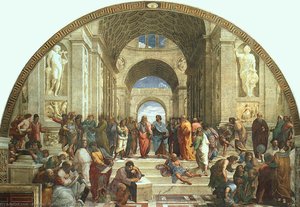 Atene kool1511
 Siistine Madonna1513
 Transfiguratsioon1520
 Neitsi Maarja abiellumine1504
Essee teemadel The Transfiguration (detail)
 Who Made The Transfiguration? The Story of Raphael's Final MasterpieceDiscover the artist behind The Transfiguration and the dramatic shift in style that defines this High Renaissance masterpiece
 Masterpieces of Perfection: The Top 25 Greatest Artworks by RaphaelJourney through the sublime beauty of the High Renaissance with our curated list of Raphael's top 25 masterpieces. From iconic Madonnas to …
 16th century Italian paintersMasterpieces by Titian, Michelangelo, and Raphael define the Italian Renaissance. Explore the full collection online at OriginalUniqueArt.c…