
 Eelvaade
 Saada
Saada Jaga
Jaga
 Teave teose kohta
 Juhend

 Laadi alla
 Sarnased teosed
 Röntgenuuring
 Slaidietendus
 Q&A
Q&A Statistika
St Anne Altarpiece (central panel)

- 224.0 x 219.0 cm


 Loe lähemalt
Giclée / Kunstiprint
Muuseumikvaliteediga giclée- või kangasprint kiire tootmisega ja paindlikud viimistlusvõimalused. ( Osta käsitsi maalatud teos Lülita digitaalse pildi juurde)




P118B €10

P118H €10

P118W €10

P438Z €10

P508JH €12

P508YH €12

P805H €10

P805Z €10

P919BZ €10

P919G €10

P919XJ €10

P959ZH €10

P968JZ €12

W106C €8

W218G €10

W218JH €8

W218Y €10

W307PJ €10

W316G €10

W316PJ €8

W316Y €10

W398PJ €8

W4111J €10

W500HY €15

W500JH €15

W692G €12

W849H €8

W940BG €15

W953PJ €8




Vali meie eelmääratud suurused, mis vastavad teose algupärastele proportsioonidele.

Sisestage vajalik laius ja kõrgus, et see sobiks teie raamile või seinale. Trükki saab ainult lõigata, seda ei saa kunagi pildist suuremaks teha, seega ka erineva mustega suurus kaotab osa pildist. Enne trükkimist saadame teile kinnitamiseks digitaalse näidisprojektsiooni. Sellel lehel näidatud pilt ei kujuta reaalset lõiget — seda näitab ainult näidisprojektsioon.
Ülemaailmne tarne () 2 nädala jooksul, tavalise 4/5 nädala asemel. (31 oktoober)

Tasuta ekspresssaatmine üle maailma

Kõrgekvaliteediline lina-kangas

Täielik transpordikindlustus

Tollimaksude tagastamise garantii

Värvitoime täpsuse garantii

100 päeva tagastusõigus (ainult valmistusdefektide korral)

100% raha tagasi garantii

Hulgusoodustus
 Klaasivalik on saadaval ainult kuni 110 cm suuruses teostes

St Anne Altarpiece (central panel)
Giclée / Kunstiprint
Reproduktsiooni suurus
-


Koguhind
€ 71
The St Anne Altarpiece: A Window into Renaissance Devotion
Quentin Massys’s “St Anne Altarpiece (central panel),” completed in 1509, is more than just a religious painting; it's a meticulously crafted microcosm of late medieval and early Renaissance ideals. Commissioned by the Confraternity of St Anne in Leuven, Belgium, this monumental work offers a profound glimpse into the spiritual life, social dynamics, and artistic innovations of its time. Measuring an impressive 224 x 219 cm, the central panel immediately commands attention with its rich palette, intricate detail, and carefully orchestrated composition – a testament to Massys’s skill as both a painter and a master of visual storytelling.
The scene depicted is centered around St Anne, the Virgin Mary's mother, revered for her piety and role as a model of domestic virtue. She sits serenely within a grand architectural setting, reminiscent of Italianate design – a deliberate nod to the burgeoning influence of Renaissance architecture on Northern European art. Surrounding her are her family: the infant Jesus nestled in her arms, Mary Cleophas (Mary Magdalene) and Mary Salome, both young women adorned in luxurious fabrics and jewels. The inclusion of these figures isn’t merely decorative; it underscores the importance of lineage, faith, and familial devotion within the context of 16th-century piety. The overall atmosphere is one of dignified reverence, a carefully constructed tableau designed to inspire contemplation and foster a sense of connection with the sacred.
A Symphony of Technique: Massys’s Renaissance Vision
Massys's mastery lies not only in his subject matter but also in his innovative technique. He skillfully employed oil paints – a relatively new medium at the time – to achieve unprecedented levels of realism and luminosity. Note the subtle gradations of color, the delicate rendering of fabrics, and the meticulous detail lavished upon each figure’s face and expression. The use of *sfumato*, a technique borrowed from Leonardo da Vinci, creates an atmospheric haze that softens edges and imbues the scene with a sense of depth and realism. The architectural background, painted in trompe-l'oeil fashion, further enhances this illusionistic effect, blurring the boundaries between reality and representation.
Furthermore, Massys demonstrates a keen understanding of perspective – a key element of Renaissance art. The receding planes of the architecture create a convincing sense of space, drawing the viewer’s eye into the scene. The figures are arranged in a pyramidal composition, lending stability and harmony to the overall design. This careful attention to detail reflects Massys's commitment to capturing not just the outward appearance but also the inner essence of his subjects.
Symbolism and Social Commentary
Beyond its religious subject matter, the altarpiece is rich in symbolic meaning. The inclusion of various saints, prophets, and biblical figures – such as David, representing Christ’s lineage – serves to reinforce the narrative of salvation and divine grace. The presence of wealthy patrons like Joost Vijdt and his wife Lysbette, depicted as donors on the wings of the altarpiece, highlights the close relationship between art and patronage during this period. It also subtly reflects the rising prominence of a new merchant class in Antwerp, eager to demonstrate their piety and social standing through artistic commissions.
The depiction of St Anne’s family is particularly noteworthy. The inclusion of her three daughters – Mary Cleophas, Mary Salome, and the young cousin of Jesus – represents the continuity of faith across generations. Each figure embodies different aspects of womanhood—the devout mother, the penitent Magdalene, and the youthful bride—reflecting the multifaceted roles women played in Renaissance society.
A Legacy of Innovation
The “St Anne Altarpiece” stands as a pivotal work in the development of Flemish painting. Massys’s innovative use of oil paint, his mastery of perspective, and his skillful integration of Italianate architectural elements foreshadowed the emergence of the Antwerp School – a vibrant artistic movement that would profoundly influence generations of artists. This altarpiece is not merely a devotional image; it's a window into a complex and dynamic society—a testament to the enduring power of art to reflect, shape, and inspire.
Korduvad küsimused
Millist värvipaletti ja millist tunnet "St Anne Altarpiece (central panel)" ühendab?
Teose „St Anne Altarpiece (central panel)“, autor Quentin Matsijs Earthy värvigamma sobib suurepäraselt kokku selle Tranquil emotsionaalse tooniga. Värv on üks viiseid, kuidas teos tunde edastab.
Millist kontrasti näitab teos „St Anne Altarpiece (central panel)“, autor Quentin Matsijs?
Teoses „St Anne Altarpiece (central panel)“, autor Quentin Matsijs on nähtav Statement kontrast heellemiste ja tumedate alade vahel.
Kas teose „St Anne Altarpiece (central panel)“, autor Quentin Matsijs värvid on kütkestatud või pehmed?
Teose „St Anne Altarpiece (central panel)“, autor Quentin Matsijs värvitoit on Balanced Soft kütkusega.
Kunstniku elulugu
Antwerpi koolkonna arhitekt
XVI sajandi karge ja kasvava madalaste riikide maastikus ei kõla vähede nimed nii fundamentaalse tähtsusega kui Quentin Massys. Sageli Antwerpi koolkonna pioneerina tunnustatud Massys oli maalari, kes tõid sild ehk ühenduse hoolika, vaimse pühendumuse ning varajase nöaterandliku traditsiooni ja Põhja-Renessanssi kasvava humanismi vahel. Sündinud umbes 1466. aastal Belgias Leuvenis, on tema varajane elu jäänud legendide ja ajalooliste fragmentide kanga. Kunstiajas on laialt levinud legend, et enne kui ta puudutas peenikest pintslit, õppis ta sepana – detail, mis annab tema hilisemale tekstuuride ja materjalide meisterlikule valdamisele sügava, füülinise kaalu. Metallitöö taust on tõenäoliselt installeerinud temasse ainulaadse austuse füüsilise maailma vastu, võimaldades tal kujundada siidist läiked, müned ja külm sära ning inimeste kulumisi naha täiusliku täpsusega.
Kui ta 1490. aastates liikus Leuveni akadeemilisest õhust Antwerpi kargeid kaubanduskeskusi, hakkas Massys kuduma oma eripärase niidi flamimaja kunstilisse kudusse. Tema varajane õpetus, võimalikult Dirk Boutsilt, seutas ta sisse meisterlikkuse nimekirja, kuhu kuuluvad Hans Memling ja Rogier van der Weyden. Nendelt eelkäijaid päris temalt pühendumus verisimilituudile ehk tõetruususele esituses. Siiski ei olnud Massys pelgalt imitator. Kuigi ta säilitas oma esivanemate suurepärane detailikäsitlus, infuseeris ta oma teostesse uue, kasvava elujõu ning tahtliku soov uurida inimliku olukorra keerukusi nii religioosne pühendumus kui ka terav sotsiaalne kommentaar.
Pühenduse ja satiiri meisterlikkus
Massysi briljantsus peitub tema hämmastavs võklus navigeerida kahe näibavalt eraldatud maailma vahel: püeva ja profaneeritud. Ühelt poolt toimivad tema religioosne kompositsioonid sügavate meditaatseidena usus. Teostes nagu Kristus ristil koos donoritega tabab ta ristiarmatuse raavad ja emotsionaalne raskus, kasutades kõrge renessanssi tundlikkust, et esitada stseen, mis on nii sügavalt liigutav kui tehniliselt veatu. Tema võime kujutada jumalikku inimliku kannatuse prisma kaudu võimaldas tema religioossetel teemadel resonoida visceraalne lähedusega, muutes vaimuse vaatajale kättesaavaks.
Vastupidiselt oli Massys satiirilise žanri meister, kasutades oma pintslit peeglikuna oma ajastu muutuvate sotsiaalsete moraalide näitamiseks. Tal oli terav silm inimliku nõrkuse jaoks, luues sageli stsène, kus realism ühtlendas peidetud, pilkava vaimuga. See duallism on kaugeimalt nähtav tema portreetide ja žanripainture loomas, kus ta võis lühikeselt liikuda Neitsi ja Laps rahustavast ilust kuni kaasaegse elu keerukamate, moraalsetest kihtidest koosnevate kujendusteni. Tema töö uuris sageli ahne edge, ilu ja materjaalse rikkuse ning vaimse puhtuse vahelist pinget, tehes temast eeldaja suurevatele žanripaintretele, kes järgnesid talle sajandeid.
Pärand ja kunstiline tähenduslikkus
Quentin Massysi ajaloolist tähtsust ei saa ümarate sõnadega väljendada; ta oli Antwerpis toimunud kunstilise revolutsiooni katalüsaator. Tutvustades uusi motiveerivaid elemente ja tehnikaid, kuid jäädes samas juurdunuks oma kodumaa rikkalikku traditsioonidesse, pakkus ta kavad trummi maalide koolkonnale, mis domineeris Flandrias kogu XVI sajandi jooksul. Tema mõju on jälgitav Põhja-Euroopa kunsti evolutsioonis, kuna ta avas te пути ekspressiivsemale ja tähelepanelikule stiilile, mis omakasutas moderniseeruva maailma keerukusi.
Tänapäeval me pidame Massysit meel me ei ainult käsitöömeistrina, vaid luguarmastajana, kes tabas ajastu hinget. Tema pärand on säilinud tema kujundite igavuslikus jõus:
- Tehniline innovatsioon: metallitööst inspireeritud täpsuse sujuv integratsioon renessanssipainture õrna graatsusega.
- Antwerpi koolkond: püsiva kunstiliikumuse loomine, mis eelistas nii realismist kui ka moraalset narratiivi.
- Humanistlik perspektiiv: ainulaadne võime ühendada religioossete ikoonide sügav püha olemus sotsiaalse satiiri terava tähelepanekuga.

Quentin Matsijs
1466 - 1530 , Belgia
Lühikest infot
- Artistic Movement Or Style: Antwerpeni koolkond
- Artists Or Movements Influenced By This Artist: ['Hans Memling']
- Artists Who Influenced This Artist: ['Dirk Bouts']
- Date Of Birth: c. 1466 Leuven, Belgia
- Date Of Death: 1530
- Full Name: Quentin Massys
- Nationality: Flaami
- Notable Artworks:
- St Anne Altarpiece
- The Moneylender
- Place Of Birth: Leuven, Belgia
Sarnased artiklid

El Greco 25 parimat teost: Hingemattev kunst kollektsioon OriginalUniqueArt.com-is
Avastage El Greco 25 parimat teost! Sukelduge hispaania renessansi ja baroki maailma. Vaadake ikoonilisi maale nagu St Sebastian, Laagendatud Maria ja palju muud. Leidke täiuslik kunstiteos oma kodule OriginalUniqueArt.com-is – kvaliteetsed reproduktsioonid ja inspiratsioon interjööridisainiks. Avastage kogu

Giotto di Bondone: 25 meistriteost, mis muutsid kunsti – OriginalUniqueArt.com
Avastage Giotto di Bondone 25 suurimat meistriteost! Sukelduge renessansi kunstimaailma, imetlege freskosid ja maale. Leidke täiuslik seina kaunistus OriginalUniqueArt.com-ist – kvaliteetsed reproduktsioonid ja inspiratsioon interjööri jaoks. Avastage kogu kollektsioon veebis!

Fra Angelico: 25 meistriteost, mis täidavad kodu vaimsust ja ilu
Avastage Fra Angelico 25 võrratut meistriteost! Sukelduge renessansi kunstimaailma, religioossete freskode ja altarimaalide lummusesse. Leidke inspiratsiooni kodukaunistuseks OriginalUniqueArt.com-is – kvaliteetsed reproduktsioonid otse teie seinale. Vaadake kogu kollektsiooni online!

Mastering Detail: A Guide to the Timeless Beauty and Technical Brilliance of Flemish Painting
Explore the exquisite precision of Flemish painting. From Jan van Eyck to Robert Campin, discover the revolutionary oil techniques and rich symbolism that defined the Northern Renaissance and continue to inspire fine art collectors today.
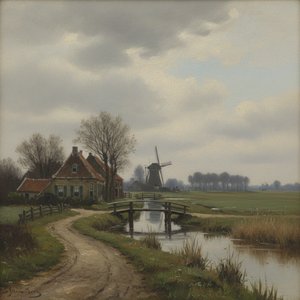
Jacob Henricus Maris: A Master of Dutch Atmospheric Realism & the Intimate Landscape
Explore the captivating world of Jacob Henricus Maris, a leading figure of the Dutch Hague School. Discover his atmospheric landscapes, signature brushstrokes & lasting influence on 19th-century art. Learn more at OriginalUniqueArt.