Gongbi Landscape · 1530
Handscroll (Qiu Ying, 1530)
Qiu Ying (1494–1552) on loonud teose Handscroll. See on pärinev 1530 aastast. See kuulub Gongbi Landscape suuntrime. See on valmistatud materjalist Acrylic On Canvas. Teos on säilitatud Metropolitan Museum of Art kogamuses New York, USA.
- 1530
- Acrylic On Canvas
- Metropolitan Museum of Art, New York

 Eelvaade

 Käsitsi maalatud õlimaalatsioon
 Saada
 Jaga
 Teosest infokaart


 Laadi alla
 Sarnased teosed
 Röntgenuuring
 Slaidietendus
 KÜSIMUSED JA VASTUSID

 Statistika
Handscroll lühidalt
- Pealkiri
- Handscroll
- Kunstnik
- Qiu Ying (1494–1552)
- Kunstniku sünnukoht
- Taicang, Hiina
- Kuupäev
- 1530
- Materjalid
- Acrylic On Canvas
- Kus seda näeb
- Metropolitan Museum of Art, New York, USA
- Liikumine
- Gongbi Landscape
- Aeglkond
- Late Medieval
- Teema
- ming dynasty, landscape, scroll, qiu ying, luohans, chinese art
Mida Handscroll kujutab?
Qiu Ying’s “Up the River During Qingming”: A Masterpiece of Ming Dynasty Serenity
“Up the River During Qingming,” painted by Qiu Ying during the mid-16th century, is more than just a landscape; it's a carefully constructed meditation on harmony, leisure, and the enduring beauty of nature. Attributed to one of China’s Four Masters of the Ming Dynasty – alongside Shen Zhou, Tang Yin, and Wen Zhengming – this exquisite handscroll offers a rare glimpse into the refined aesthetic sensibilities of Suzhou during that era. The work, currently residing in the collection of the National Gallery of Canada, invites viewers into a tranquil scene brimming with subtle symbolism and masterful brushwork.
Qiu Ying’s artistic journey was remarkably unconventional for his time. Rather than pursuing formal training within established art circles, he began as a lacquer artisan, honing his skills in meticulous detail – a foundation that profoundly influenced the precision and control evident throughout “Up the River During Qingming.” This early experience instilled in him an unparalleled understanding of line and color, qualities he would later translate into his celebrated landscape paintings. His apprenticeship with Zhou Chen in Suzhou further solidified his technical abilities, exposing him to the techniques of the Wu School, known for its emphasis on ink washes and a more expressive approach to nature.
A Symphony of Detail: Technique and Style
The painting’s remarkable quality stems from Qiu Ying's mastery of the gongbi technique – a highly detailed, realistic style that was favored by court painters. Each element—from the meticulously rendered bamboo stalks to the delicate folds of the pavilions—is executed with painstaking precision, creating an illusion of incredible depth and texture. Notice the subtle gradations of color achieved through layering washes of ink and pigment; this creates a luminous quality that brings the scene to life. The composition is carefully balanced, drawing the eye across the landscape in a deliberate and engaging manner. The artist’s use of loose brushwork, particularly in depicting the distant mountains and flowing river, contrasts beautifully with the tightly controlled detail of the foreground elements, demonstrating Qiu Ying's versatility and his ability to seamlessly blend different artistic approaches.
Symbolism Woven into the Landscape
“Up the River During Qingming” is rich in symbolic meaning. The scene depicts a scholar leisurely enjoying a day by the river, surrounded by carefully arranged pavilions and gardens. This imagery reflects the Confucian ideals of scholarly pursuits, contemplation, and harmony with nature – values highly esteemed during the Ming Dynasty. The presence of the tavern and the farmer gathering water vegetables adds a touch of everyday life to the scene, reminding us that even amidst beauty and tranquility, human activity continues. The bamboo grove, a recurring motif in Chinese art, symbolizes resilience, integrity, and longevity—qualities admired in virtuous individuals. The distant mountains represent permanence and stability, while the flowing river embodies fluidity and change.
A Window into Ming Dynasty Culture
Beyond its aesthetic beauty, “Up the River During Qingming” offers a valuable insight into Ming Dynasty culture. It reflects the importance of gardens as spaces for contemplation, artistic expression, and social interaction. The lavish furnishings within the pavilions—including the exquisite celadon vase—demonstrate the wealth and sophistication of the era’s elite. The painting also reveals the influence of philosophical ideas, particularly those associated with Zhou Dunyi, whose “On the Love for the Lotus” inspired the scene's composition and symbolism. Qiu Ying’s ability to seamlessly integrate these diverse elements into a cohesive and harmonious whole is a testament to his artistic skill and cultural awareness.
Collecting a Legacy: Reproduction and Inspiration
Reproductions of “Up the River During Qingming” capture only a fraction of the painting's original impact. The subtle nuances of color, texture, and brushwork are difficult to replicate fully, but high-quality reproductions offer an accessible way to appreciate Qiu Ying’s artistry. This work serves as a powerful reminder of the enduring appeal of Chinese landscape painting—a genre that continues to inspire artists and captivate viewers with its beauty, symbolism, and profound sense of serenity.
Kumba muuseumis asub teos Handscroll?
Metropolitan Museum of Art
New York, USA
Metropolitan Museum of Art päritolu ja ajalugu Metropolitan Museum of Art sai alguse visioonis, mida jagas grupp ettevõtjaid, finantsierimeid ning juhtkavad kunstnikud ja mõtlejad. Pärast asutamist 1870. aastal otsis institutsioon püsivat kodu oma üha suurendale koguvedele.


Handscroll kõrge resolutsiooniga pildid

Qiu Ying, Handscroll (1530), Metropolitan Museum of Art. Avalik omaniklik õigus
Küsimused teemal Handscroll – vastused
Kust saab teose „Handscroll“, autor Qiu Ying täna vaadata?
Teos „Handscroll“, autor Qiu Ying on näitustel Metropolitan Museum of Art, New York, USA. Muuseumi keterangane viitab originaalteosele, mitte reproduktsioonidele.
Millal loodi teos "Handscroll"?
Teos „Handscroll“, autor Qiu Ying loodi aastal 1530.
Millises materjalis on teos „Handscroll“, autor Qiu Ying valmistatud?
Teose "Handscroll" loomisel kasutas Qiu Ying Acrylic On Canvas tehnikat. See tehnika määrab originaalteose materjalilise olemuse.
Millised teemad teoses „Handscroll“, autor Qiu Ying esile tõelve?
Teemad, mis teoses „Handscroll“, autor Qiu Ying esinevad, hõlmavad ming dynasty, landscape, scroll, qiu ying, luohans, chinese art, gongbi. Koos need kokkuvõtavad teose sisu.
Kas teos "Handscroll" on ilma autoriõigusteta?
Autoriõiguse teave teose „Handscroll“, autor Qiu Ying kohta: teos kuulub luba ala avalik && copyright on aegunud. See määrab, kas kujundist on lubatud vabadelt reproduktsioone teha.
Kes on teose "Handscroll" looja?
Teose "Handscroll" loovija on Qiu Ying. Selle lehe info kirjeldab Qiu Ying algteost.
Millissele kunstisuunale kuulub teos „Handscroll“, autor Qiu Ying?
Teos „Handscroll“, autor Qiu Ying kuulub Gongbi Landscape suunasse. See suund annab teosele stilistilise konteksti.
Kuhu Qiu Ying loomingulisse perioodi kuulub teos "Handscroll"?
Qiu Ying loomingus kuulub teos "Handscroll" perioodi Mid-16th Century. See etap aitab seda võrdida kunstniku teiste töödega.
Mis vanuses loos Qiu Ying teose "Handscroll"?
Qiu Ying oli 36 aastane, kui ta teosest "Handscroll" aastal 1530 lõi. Vanus on arvutatud kunstniku sünnaaasta põhjal, 1494.
Kunstnik Qiu Ying kohta
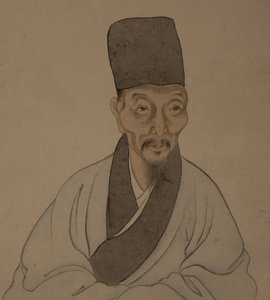
1494–1552, Hiina
Qiu Ying
Pind, mis on loodud pintslitõgudest: Qiu Yingi maailm Sündides vaesesse sasse 1494. aastal Taicangi linnas, tänase Jiangsu provintsi lähedal, tõusis Qiu Ying ühe Mingi dinastia kuulsaima maalari künni. Erinevalt paljudest oma ajastumest kunstnikest, kes olid saanud osa teadlikust õpilikus kasvatustest ja ametlikust haridusest establisheditud kunstiringkondades, oli Qiu Yingi tee märkimisväärselt ise loodud. Tema kunstiline teekond ei alganud traditsioonitud kanalite kaudu, vaid lakkakunstniku õpilasena, teritando oma oskusi detailsetes dekoratiivtöödes – see alus mõjutas sügavalt hilisemate maalidele omust täpsust ja hoolikust.
Ka Qiu Ying teosed
 Up the River During Qingming1644
 Zhao Mengfu Writing the Heart (Hridaya) Sutra in Exchange for Tea1542
 Lady Su Hui and Her Verse Puzzle501
 The Seven sages of the bamboo grove1552

Teemad teemal Handscroll
 Understanding Chinese Painting: A Comparison of Gongbi and XieyiMaster the differences between Gongbi and Xieyi styles. Discover the history and techniques of Chinese ink painting now.
 25 Must-See Masterpieces at Berlin's Alte NationalgalerieExplore 25 iconic masterpieces from Berlin's Alte Nationalgalerie. From Romanticism to Impressionism, discover them all on OriginalUniqueAr…
 Understanding Chinese Art: Literati Painting and Song Academy PaintingMaster the distinction between Song Academy and Literati painting styles. Explore Chinese art history through expert analysis today.