Impressionism · 1931
Peterhof (Pjotr Kontšalovski, 1931)
Pjotr Kontšalovski (1876–1956) on loonud teose Peterhof. See on pärinev 1931 aastast. See kuulub Impressionism suuntrime. Teos on valmistatud materjalist Watercolor. Mõõdud on 39 × 52 cm.
- 1931
- Watercolor
- 39 × 52 cm

 Eelvaade

 Käsitsi maalatud õlimaalatsioon
 Saada
 Jaga
 Teave teose kohta


 Laadi alla
 Sarnased teosed
 Röntgenuuring
 Slaidietendus
 KÜSIMUSED JA VASTUSID

 Statistika
Peterhof lühidalt
- Pealkiri
- Peterhof
- Kunstnik
- Pjotr Kontšalovski (1876–1956)
- Kunstnik on sündinud
- Slovjansk, Ukraina
- Kuupäev
- 1931
- Tehnika
- Watercolor
- Mõõtmed
- 39 × 52 cm
- Suunad
- Impressionism
- Aeglkond
- Modern
- Teema
- russian architecture, park landscape”, “watercolor painting”, “historic palace”, “impressionist style”, “peterhof gardens”
Mida Peterhof kujutab?
Identification of the Artwork and Artist
In this watercolor, we encounter Peterhof, a work created by Pyotr Konchalovsky around 1931. The piece offers a quiet study of the intersection between architecture and nature, focusing on a large red brick building situated within a park-like setting. It captures a specific sense of place through a lens that balances the structured lines of the facade with the organic, fluid forms of the surrounding trees.
Pyotr Konchalovsky was a significant figure in the Russian and Soviet art scenes, moving through various stylistic movements throughout his career. This particular work reflects a period in his development where his approach to form and color had become increasingly grounded. The composition relies on a sense of distance between the viewer and the building, using perspective to establish a tranquil atmosphere within the landscape.
Visual Composition and Subject Matter
In this watercolor, the viewer is presented with an exterior view of a large red brick building, positioned within a quiet, park-like setting. The composition is anchored by the building’s facade, which is framed and softened by the surrounding trees. Through a careful use of perspective, the artist creates a sense of depth, drawing the eye into the space between the architectural forms and the organic lines of the foliage. It is a subtle blending of urban and natural elements, where the geometry of the structure meets the fluid, irregular shapes of the landscape.
The subject matter suggests a moment of stillness. There is a certain tranquility in the way the building sits amidst the greenery, offering a nostalgic view of a historic setting. The interplay between the man-made brickwork and the natural environment creates a balanced, quiet atmosphere. Rather than focusing on sharp, rigid details, the work emphasizes the relationship between the architecture and the light of an overcast day, capturing the essence of the site through soft transitions and a sense of distance.
Artistic Technique and Materials
In this watercolor, the artist utilizes a wet-on-wet application to achieve soft transitions and blended colors. This method allows the pigments to bleed into one another, creating a sense of atmosphere that suggests a diffused, overcast light. The texture is built through a layered effect, where visible brushstrokes interact with various washes of color to establish depth within the park-like setting.
The approach is reminiscent of impressionistic or post-impressionistic sensibilities. Rather than focusing on precise architectural detail, the work relies on fluid and expressive lines to define the building's facade and the organic forms of the surrounding trees. These lines provide a sense of movement to the branches and the structural elements of the red brick building. The medium of watercolor on paper allows for a certain transparency, capturing the interplay between the architecture and the natural elements through light and subtle tonal shifts.
Related Works by Pyotr Konchalovsky
To understand the breadth of Konchalovsky’s development, one might look toward his earlier explorations of form and color. In 1912, he painted Family Portrait (Siena), a work that offers a striking portrayal of domesticity. This large-scale oil painting transcends a simple depiction of a family, employing a flattened perspective and simplified forms characteristic of early 20th-century Modernism. The scene centers on a mother, child, and an older man seated around a table within an interior setting.
His output during the 1930s demonstrates a transition toward a more monumental style. He produced Bakhchisaray in 1930 and View on Beshtau place duel with Lermontov in 1938. These works align with the evolving aesthetic of the era, moving away from the fragmented planes of his youth toward a more solid, grounded representation of life. Even his still life compositions, such as Still Life with a Coffeepot from 1919, reveal a consistent interest in the physical presence of his subjects and the weight of their forms.
Peterhof kõrge resolutsiooniga pildid

Avalik omanik: kunstnik suri aastal 1956.
Teised laiused, uueste lõikud ja alluding →Pjotr Kontšalovski, Peterhof (1931). Avalik omaniklik õigus
Küsimused teemal Peterhof – vastused
Millal loodi teos "Peterhof"?
Teos "Peterhof" on pärit aastast 1931. See ajastu aitab mõista teost Pjotr Kontšalovski karjääri ja selle ajastu kontekstis.
Millist tehnikat teose „Peterhof“, autor Pjotr Kontšalovski valmistamisel kasutati?
Teos "Peterhof" on valmistatud tehnika Watercolor.
Mis on teose „Peterhof“, autor Pjotr Kontšalovski tegelik suurus?
Teose "Peterhof" originaalmõõdud on 39 x 52 cm. Algdimensioonid on kasulik viide reproduktsiooni suuruse valimisel.
Mida „Peterhof“, autor Pjotr Kontšalovski kujutab?
„Peterhof“, autor Pjotr Kontšalovski kujutab: russian architecture, park landscape”, “watercolor painting”, “historic palace”, “impressionist style”, “peterhof gardens”, “1930s art”.
Kas teos „Peterhof“, autor Pjotr Kontšalovski kuulub avalikku omandisse?
Tegijateõiguse osas on teos "Peterhof" kuuluv klassifikatsiooni alla: avalikus õiguses – selle autoriõigud onหมดunud.
Millisele kunstnikule on teos "Peterhof" atribuutseeritud?
Teose "Peterhof" loovija on Pjotr Kontšalovski. Selle lehe info kirjeldab Pjotr Kontšalovski algteost.
Millissele stiilile kuulub "Peterhof"?
"Peterhof" on Impressionism suunaga teos. See suundumine viitab kunstilisele traditsioonile, millega teos on seotud.
Millist etap Pjotr Kontšalovski loomingus teos "Peterhof" esindab?
Pjotr Kontšalovski loomingus kuulub teos "Peterhof" perioodi Mature Period. See etap aitab seda võrdida kunstniku teiste töödega.
Kui vana oli Pjotr Kontšalovski, kui ta loositud teose "Peterhof" aastal 1931?
Pjotr Kontšalovski oli 55 aastane, kui ta teosest "Peterhof" aastal 1931 lõi. Vanus on arvutatud kunstniku sünnaaasta põhjal, 1876.
Kunstnikust, Pjotr Kontšalovski
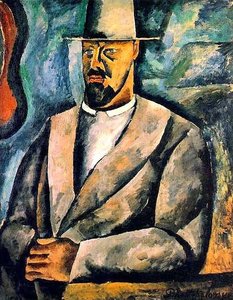
1876–1956, Ukraina
Pjotr Kontšalovski
Varane elu, pere ja kunstiline haridus Peeter Kontšalovski lugu algab Slavianka külas, mis asus Vene Imperiaali Harkovi voivodeelis. Sündides 21. veebruaril 1876 astus ta maailma, kus kunsti ja intellekti piirjooned olid juba tema ümbrivatest inimestest määratletud. Tema isa, Pjotr Petrovitš Kontšalovski, oli kirjamees ja kunstikatkete avaldaja – amet, mis tagas koduperese süvenemise selle ajastu visuaalsetesse ja kirjandilistesse vooludesse.
Teel Pjotr Kontšalovski kohta Pjotr Kontšalovski silmapaistvad teosed
Ka Pjotr Kontšalovski teosed
 Bridge in Abramtsevo1911
 Matador Manuel Gartha1910
 Piazza della Signoria in Siena1912
 San Gimignano1912
Essee teemadel Peterhof
 Unveiling Emotion: The Top 25 Masterpieces by Alexej von JawlenskyImmerse yourself in the vibrant world of Alexej von Jawlensky. Explore 25 iconic Expressionist masterpieces, from emotive portraits to bold…
 Ukrainian artworks of the 1910sUkrainian artworks from the 1910s featuring Kazimir Malevich, Ilya Repin, and Zinaida Serebryakova. View the full collection at OriginalUni…
 Russian artworks of the 1890s1890s Russian art by Ivan Shishkin, Viktor Vasnetsov, and Konstantin Makovsky captures the nation's soul. View the full collection at Origi…