

 Vaata sisu
 Jaga teost
 Jaga
Jaga
 Detailid
 Õppekate juhend

 Laadi alla
 Sarnased teosed
 Röntgenuuring
 Slaidietendus
 Statistika
Sir Charles Watson
 Oil On Canvas
- WallArt
- Neoclassicism
 75.0 x 99.0 cm
 Fondazione Cariplo
 Loe lähemalt
Käsitsi valmistatud õlimaalireproduktsioon
Meie kunstnike poolt tellimusel valmistatud käsitsi maalitud õli-kainaste teos teie soovitud suuruses ja raamis. ( Lülita trükkitoodetele Ülemineku digitaalse pildi müügi kanalisse)




P118B €10

P118H €10

P118W €10

P438Z €10

P508JH €12

P508YH €12

P805H €10

P805Z €10

P919BZ €10

P919G €10

P919XJ €10

P959ZH €10

P968JZ €12

W106C €8

W218G €10

W218JH €8

W218Y €10

W307PJ €10

W316G €10

W316PJ €8

W316Y €10

W398PJ €8

W4111J €10

W500HY €15

W500JH €15

W692G €12

W849H €8

W940BG €15

W953PJ €8




Vali meie eelmääratud suurused, mis vastavad teose algupärastele proportsioonidele.

Sisestage vajalik laius ja kõrgus, et teos sobiks teie raamile või seinale. Kuna tegu on käsipainatud teosega, siis erineva kujuga suuruse korral võib kunstnik jätta pildi ümber veidi rohkem marginaali või lõigata osa ära — valik on teie. Enne maali alustamist saadame teile kinnitamiseks digitaalse näidisprojektsiooni. Sellel lehel näidatud pilt ei kajasta tegelikku tulemust — seda näitab ainult näidisprojekttsioon.
Pärast tellimust saadab OriginalUniqueArt.com meeskond kliendile e-posti juhised ning esitab eelvaate kavandi
Maailmline tarne 3–4 nädala jooksul tavalise 5 nädala asemel. (25 oktoober). Kvaliteedis kompromisse ei tehta.

Tasuta ekspresssaatmine üle maailma

Kõrgekvaliteediline lina-kangastest muld

Täielik transpordikindlustus

Tollimaksude tagastamise garantii

Värvitoime täpsuse garantii

100 päeva tagastusõigus (ainult defektide korral)

100% raha tagasi garantii

Hulgusoodustus
 Klaasivalik on saadaval ainult kuni 110 cm suuruses teostes

Sir Charles Watson
Reproduktsiooni materjal
Reproduktsiooni mõõtmed
-


Lõppsumma
€ 263
A Glimpse into Aristocratic Grandeur: Pompeo Batoni's Portrait of Sir Charles Watson
To stand before this portrait is to step directly into the gilded salons of eighteenth-century Rome, a place where culture, ambition, and artistry converged. Pompeo Batoni, master chronicler of the privileged elite, has captured not merely a likeness, but an entire moment in aristocratic life. The subject, Sir Charles Watson, gazes out with a composed intensity that speaks volumes of his station and the era's expectations for gentlemen of means. His bearing is one of assured refinement; the crisp lines of his ruffled collar contrast beautifully with the deep tones of his brown coat, anchoring the composition against the stark, dramatic backdrop.
The Allure of Fashion and Historical Echoes
What immediately draws the eye, beyond the sitter's steady gaze, is the costume itself. Batoni has dressed Sir Charles in what is described as the Van Dyck dress—a fashion choice that transports us back to the opulent courts of the early seventeenth century. The golden mantle and buttons evoke the grandeur associated with Antoon Van Dyck’s time at the court of Charles I, a style that held immense sway among the British aristocracy during this period. This deliberate nod to historical costume suggests more than mere vanity; it is a sophisticated cultural citation, a visual language understood only by those who navigated the intellectual currents of the Grand Tour. The feather held delicately in his hand serves as both an accessory and a subtle emblem of status.
Mastery of Technique and Atmosphere
Technically, this oil on canvas exemplifies Batoni's genius for portraiture. His ability to render texture—the soft sweep of the white beard against the dark fabric, the sheen of the gold trim—is breathtaking. The contrast between the richly detailed foreground and the almost monolithic black background is a masterful stroke. This simplicity forces the viewer’s entire attention onto the sitter's face and gesture. Batoni, whose style drew from Bolognese Classicism and Raphael, achieves here a balance: the formality of classical portraiture infused with the vibrant immediacy of contemporary life. It is art that feels both timelessly grand and intimately personal.
A Statement for the Modern Collector
For the discerning collector or designer seeking to infuse a space with historical depth and undeniable elegance, this piece offers profound resonance. Reproducing such an artwork allows one to own a tangible piece of cultural history. It speaks to themes of lineage, worldly success, and enduring style. Imagine this portrait gracing a library or drawing-room; it does not merely decorate—it narrates the story of those who shaped the world from within its most cultured circles. It is an object that commands conversation, whispering tales of Oxford graduations, naval supremacy, and the dazzling allure of Italian artistic patronage.
Küsimused ja vastused
Kuidas saan teoseid „Sir Charles Watson“, autor Pompeo Batoni vaadata diapositatsioonina?
Teost „Sir Charles Watson“, autor Pompeo Batoni saab vaadata diapositena teose Slideshow lehel.
Millist tehnikat ja stiili iseloomustavad teos „Sir Charles Watson“, autor Pompeo Batoni?
„Sir Charles Watson“, autor Pompeo Batoni ühendab endas Oil On Canvas tehnikat ja Neoclassicism stiili. Tehnika ja suundumus kirjeldavad teose valmistusviisi ja stiili.
Millised värvid domineerivad teoses „Sir Charles Watson“, autor Pompeo Batoni?
Teoses „Sir Charles Watson“, autor Pompeo Batoni on kasutatud Earthy värvipaletti, kus domineerib Black (#151512) värv.
Kunstniku elulugu
Varase elu ja õppimine
- Sündinud: Lucca, Itaalia (1708)
- Surnud: 1787
- Pompeo Batoni kolis Rooma aastal 1727.
- Ta õppis õpilasena Agostino Masuccil, Sebastiano Concail ja Francesco Imperialil.
- Tema esimene iseseisva tellimus tuli pärast aprillikuud, mil Rooma lahkas tugevad vihmad aastal 1ARG32.
- Maalits "Siena sveta Katariina ekstaas" illustreerib tema akadeemilist täpsust hilispariisi stiilis.
Kunstiline stiil ja mõjud
- Batoni stiili said inspiratsiooniks klassikaline antiik, Prantsuse rokoko, Boloogna klassitsism ning kunstnikud nagu Nicolas Poussin, Claude Lorrain ja eriti Raphael.
- Teda peetakse neoklassitsimi esialuseks.
- Tema teoseid saab leida erinevatest muuseumidest, sealhulgas Itaalias Milanis asuvast Pinacoteca di Brerast.
Olulised teosed ja tellimused
- Neitsi ja Laps pühadega
- Rüütel Roomas: Charles Cecil Roberts – kuulus portree Briti reisist, mille taustal on Rooma varemed.
- Venetsia triumf
- Lennukad altarmaalid Itaalia kirikutesse, näiteks Sienas asuvasse Duomo muuseumi.
- Tema portreemipidajate nõudlus oli suur, eriti Briti reisijate seas "Grand Tour" ajal, kes tellitasid portreid antiikses keskkonnas.
Areng ja ajalooline tähendus
- Batoni sai Roomas väga populaarseks maalari pärast seda, kui tema rivaal Anton Raphael Mengs aastal 1761 Spanyolasse lahkus.
- Ta sõrmekontaktidees Winckelmanniga ning ta püüdis oma maalides klassitsismi kontrollitud ja tasakaalustatud vormis hoida.
- Tema portreed tabasid "Grand Tour" ajastu vaimu, peegeldades Euroopa eliidi kummardust klassikalisele antiikile.
- Batoni võime ühendada barokk-tehnikad koosilmnevad neoklassikalised ideaalid tõi teda Itaalia kunstiajal üles üleminekufiguurina.
Pärand
- Pompeo Batoni surmas 4. veebruaril 1787 Roomas.
- Ta jättis endast maha pärandi kui ühe oma aja kuulsaima itaalse maalari.
- Tema tööd on jätkuvalt imetlust väärivad tehnilise oskuse, elegantsete kompositsioonide ja sügavate iseloomuportreettide poolest, kus isikud on tugevalt seotud oma ajaloolise kontekstiga.

Pompeo Batoni
1708 - 1787 , Italia
Lühikest infot
- Artistic Movement Or Style: Neoklassitsism
- Artists Who Influenced This Artist:
- Nicolas Poussin
- Claude Lorrain
- Raphael
- Date Of Birth: 1708
- Date Of Death: 1787
- Full Name: Pompeo Batoni
- Nationality: Itaalia
- Notable Artworks:
- Neitsi ja laps pühadega
- Rüütel Roomas
- Venetsia triumf
- Place Of Birth (City And Country): Lucca, Itaalia
Sarnased artiklid

Lõuendi püsivus ja väljendusvõime: Tehnika, ajalugu ja kaasaegne praktika
Avastage lõuendi püsivuse ja väljendusvõime saladused! Ajaloolised tehnikad, kaasaegsed lähenemised ja ekspertide nõuanded maalikunsti austajatele. Lugege nüüd!

The Enduring Legacy of Oil on Canvas: Technique, History & Aesthetic Impact
Explore the rich history & techniques of oil painting – from Renaissance masters to Impressionism. Discover pigments, layering methods, and why this timeless medium endures. Expert insights for artists & art enthusiasts.

Oil on Canvas: A Historical & Technical Exploration of a Timeless Artistic Medium
Explore the rich history & enduring techniques of oil painting on canvas. Discover the science behind its longevity, conservation practices, and contemporary relevance. Expert insights for art enthusiasts.

The Soul of Impressionism: Why Oil on Canvas Captures Eternal Light and Timeless Emotion
Discover the enchanting alchemy of Impressionism. Explore how the mastery of oil on canvas, through glazing and impasto, captures eternal light and emotion. Perfect for lovers of Monet and Van Gogh seeking the profound depth of hand-painted fine art.
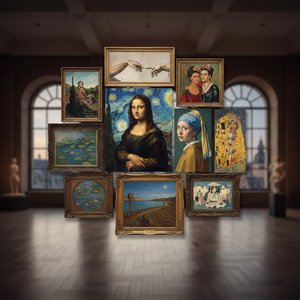
Oil on Canvas Masters: 10 Paintings That Redefined Art History |
Journey through art history with our guide to 10 legendary oil on canvas masterpieces! Explore iconic works by Van Gogh, Monet & Rembrandt. Find museum-quality reproductions and elevate your home decor at . Discover all masterpieces online.
