

 Vaata sisu
 Jaga teost
 Jaga
Jaga
 Detailid
 Õppekate juhend

 Laadi alla
 Sarnased teosed
 Röntgenuuring
 Slaidietendus
 Statistika
Achilles and the Centaur Chiron
 Oil On Canvas
- WallArt
- Baroque Rococo
 1746
1746 159.0 x 127.0 cm
 Uffizi galerii
 Loe lähemalt
Giclée / Kunstiprint
Muuseumikvaliteediga giclée- või kangasprint kiire tootmisega ja paindlikud viimistlusvõimalused. ( Telli käsitsi maalitud reproduktsioon Ülemineku digitaalse pildi müügi kanalisse)




P118B €10

P118H €10

P118W €10

P438Z €10

P508JH €12

P508YH €12

P805H €10

P805Z €10

P919BZ €10

P919G €10

P919XJ €10

P959ZH €10

P968JZ €12

W106C €8

W218G €10

W218JH €8

W218Y €10

W307PJ €10

W316G €10

W316PJ €8

W316Y €10

W398PJ €8

W4111J €10

W500HY €15

W500JH €15

W692G €12

W849H €8

W940BG €15

W953PJ €8




Vali meie eelmääratud suurused, mis vastavad teose algupärastele proportsioonidele.

Sisestage vajalik laius ja kõrgus, et see sobiks teie raamile või seinale. Trükki saab ainult lõigata, seda ei saa kunagi pildist suuremaks teha, seega ka differentse vormiga suurus kaotab osa pildist. Enne trükkimist saadame teile kinnitamiseks digitaalse näidisprojektsiooni. Sellel lehel näidatud pilt ei kujuta reaalset lõiget — seda näitab ainult näidisprojekttsioon.
Ülemaailmne tarne () 2 nädala jooksul, tavalise 4/5 nädala asemel. (26 oktoober)

Tasuta ekspresssaatmine üle maailma

Kõrgekvaliteediline lina-kangastest muld

Täielik transpordikindlustus

Tollimaksude tagastamise garantii

Värvitoime täpsuse garantii

100 päeva tagastusõigus (ainult defektide korral)

100% raha tagasi garantii

Hulgusoodustus
 Klaasivalik on saadaval ainult kuni 110 cm suuruses teostes

Achilles and the Centaur Chiron
Giclée / Kunstiprint
Reproduktsiooni mõõtmed
-


Lõppsumma
€ 70
Pompeo Batoni’s “Achilles and the Centaur Chiron”: A Masterpiece of Baroque Narrative
Pompeo Batoni's "Achilles and the Centaur Chiron," painted in 1746, is more than just a depiction of a classical myth; it’s a profound meditation on mentorship, transformation, and the delicate balance between savagery and civilization. This monumental canvas, now housed within the Galleria degli Uffizi in Florence, immediately captivates with its dramatic lighting, rich textures, and meticulously rendered figures – hallmarks of Batoni's signature Baroque style. The scene unfolds with a palpable sense of intimacy as the young Achilles, barely a man, receives instruction from Chiron, the renowned centaur tutor, a figure steeped in both wisdom and wildness.
Batoni’s artistic approach is deeply rooted in the traditions of Bolognese Classicism, yet he skillfully infuses it with the dynamism and emotional intensity characteristic of the late Baroque. He draws inspiration from Raphael's balanced compositions and Poussin’s masterful use of light and shadow, but elevates them through a heightened sense of theatricality. The painting isn’t merely illustrating a story; it’s actively *performing* it – a carefully orchestrated tableau designed to evoke both wonder and contemplation.
The Symbolism of the Encounter
The central relationship between Achilles and Chiron is laden with symbolic weight. Chiron represents the crucible of transformation, the place where raw potential is honed into refined skill. The centaur’s role as a teacher—a figure often associated with wilderness and instinct—contrasts sharply with Achilles' burgeoning humanity. Batoni subtly emphasizes this duality through the composition: Chiron, despite his animalistic features, possesses an air of serene authority, while Achilles embodies youthful eagerness and vulnerability. The woman standing between them, shrouded in mystery, is believed to be Thetis, Achilles’ mother, acting as a witness to this pivotal moment.
Notably, the lyre that Chiron plays isn't simply an instrument; it symbolizes Apollo, the god of music and healing—a direct link to Chiron’s divine lineage. The act of teaching through music suggests a deeper connection between knowledge, harmony, and the cultivation of virtue. The arrow visible in the upper right corner could represent both Achilles’ future as a warrior and the potential for violence inherent within him – a reminder that even the most noble heroes are shaped by their experiences.
Technique and Artistic Detail
Batoni's technical mastery is immediately apparent in the painting’s exquisite detail. The fabrics of the figures—Achilles’ tunic, Chiron’s cloak—are rendered with astonishing realism, showcasing a deep understanding of texture and drapery. The artist employs *chiaroscuro* – the dramatic contrast between light and shadow – to create a sense of depth and volume, drawing the viewer's eye into the scene. The warm, golden hues of the lighting bathe the figures in an ethereal glow, enhancing their emotional impact.
Furthermore, Batoni’s use of color is particularly noteworthy. He employs a rich palette of reds, blues, and browns to create a sense of warmth and vitality. The subtle variations in tone contribute to the painting's overall harmony and visual appeal. The meticulous attention to detail extends to the background—the ancient tree, the distant landscape—which serves as a carefully constructed stage for this dramatic encounter.
A Legacy of Grandeur
"Achilles and the Centaur Chiron" stands as a testament to Batoni’s artistic genius and his ability to seamlessly blend classical ideals with Baroque drama. It's a painting that continues to resonate with viewers centuries after its creation, inviting us to contemplate themes of mentorship, transformation, and the enduring power of myth. Reproductions of this masterpiece offer an opportunity to bring this captivating scene into any space, imbuing it with a sense of history, grandeur, and timeless beauty.
Küsimused ja vastused
Kust koht sellest teosest "Achilles and the Centaur Chiron" on Pompeo Batoni laupikus?
Teos "Achilles and the Centaur Chiron" jagab koos Pompeo Batoni teistega Baroque Rococo stiili ja korduvaid teemasid: classical antiquity, rococo style, grand tour, aristocratic patronage, mythological narrative, heroic themes, batoni’s signature, idealized figures.
Mis on teose „Achilles and the Centaur Chiron“, autor Pompeo Batoni luminants?
Teose „Achilles and the Centaur Chiron“, autor Pompeo Batoni luminants on Dark. Luminants kirjeldab, kui palju valgust värvid peegeldavad.
Millist teemat ja atmosfääri „Achilles and the Centaur Chiron“, autor Pompeo Batoni ühendab?
Teos „Achilles and the Centaur Chiron“, autor Pompeo Batoni ühendab endas mythology, chiron, achilles, centaur, renaissance, allegory, painting ning loob Dramatic atmosfääri.
Kunstniku elulugu
Varase elu ja õppimine
- Sündinud: Lucca, Itaalia (1708)
- Surnud: 1787
- Pompeo Batoni kolis Rooma aastal 1727.
- Ta õppis õpilasena Agostino Masuccil, Sebastiano Concail ja Francesco Imperialil.
- Tema esimene iseseisva tellimus tuli pärast aprillikuud, mil Rooma lahkas tugevad vihmad aastal 1ARG32.
- Maalits "Siena sveta Katariina ekstaas" illustreerib tema akadeemilist täpsust hilispariisi stiilis.
Kunstiline stiil ja mõjud
- Batoni stiili said inspiratsiooniks klassikaline antiik, Prantsuse rokoko, Boloogna klassitsism ning kunstnikud nagu Nicolas Poussin, Claude Lorrain ja eriti Raphael.
- Teda peetakse neoklassitsimi esialuseks.
- Tema teoseid saab leida erinevatest muuseumidest, sealhulgas Itaalias Milanis asuvast Pinacoteca di Brerast.
Olulised teosed ja tellimused
- Neitsi ja Laps pühadega
- Rüütel Roomas: Charles Cecil Roberts – kuulus portree Briti reisist, mille taustal on Rooma varemed.
- Venetsia triumf
- Lennukad altarmaalid Itaalia kirikutesse, näiteks Sienas asuvasse Duomo muuseumi.
- Tema portreemipidajate nõudlus oli suur, eriti Briti reisijate seas "Grand Tour" ajal, kes tellitasid portreid antiikses keskkonnas.
Areng ja ajalooline tähendus
- Batoni sai Roomas väga populaarseks maalari pärast seda, kui tema rivaal Anton Raphael Mengs aastal 1761 Spanyolasse lahkus.
- Ta sõrmekontaktidees Winckelmanniga ning ta püüdis oma maalides klassitsismi kontrollitud ja tasakaalustatud vormis hoida.
- Tema portreed tabasid "Grand Tour" ajastu vaimu, peegeldades Euroopa eliidi kummardust klassikalisele antiikile.
- Batoni võime ühendada barokk-tehnikad koosilmnevad neoklassikalised ideaalid tõi teda Itaalia kunstiajal üles üleminekufiguurina.
Pärand
- Pompeo Batoni surmas 4. veebruaril 1787 Roomas.
- Ta jättis endast maha pärandi kui ühe oma aja kuulsaima itaalse maalari.
- Tema tööd on jätkuvalt imetlust väärivad tehnilise oskuse, elegantsete kompositsioonide ja sügavate iseloomuportreettide poolest, kus isikud on tugevalt seotud oma ajaloolise kontekstiga.

Pompeo Batoni
1708 - 1787 , Italia
Lühikest infot
- Artistic Movement Or Style: Neoklassitsism
- Artists Who Influenced This Artist:
- Nicolas Poussin
- Claude Lorrain
- Raphael
- Date Of Birth: 1708
- Date Of Death: 1787
- Full Name: Pompeo Batoni
- Nationality: Itaalia
- Notable Artworks:
- Neitsi ja laps pühadega
- Rüütel Roomas
- Venetsia triumf
- Place Of Birth (City And Country): Lucca, Itaalia
Sarnased artiklid
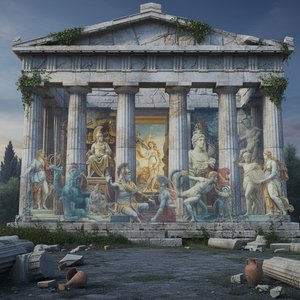
Echoes of Olympus: Mythological Narratives in Western Art Through the Ages
Explore the captivating history of mythological narratives in Western art! From ancient Greece to modern masterpieces, discover iconic artworks & symbolism. Expert analysis and high-quality reproductions at OriginalUniqueArt.

Baroki tippteosed: 10 kunstiteost, mis muutisid maailma
Sukeldu baroki maailma! Avasta 10 meistriteost, mis defineerisid kunstivoolu – Rembrandt, Caravaggio jt. Loe lugusid, vaata värve ja naudi ajatu ilu. Leia inspiratsiooni interjööriks OriginalUniqueArt.com-ist!

The Visceral Stage: Exploring Dramatic Narratives & Emotional Intensity in Baroque Art
Explore the dramatic world of Baroque art! Discover iconic masters like Caravaggio & Rembrandt, their techniques, and the movement's lasting impact. Expert insights for collectors & enthusiasts at OriginalUniqueArt.

Baroki draama ja luksus: Kuidas ajalooline elegants kaasaegsesse interjööri tuua
Avastage baroki maalide võlu OriginalUniqueArt'is! Käsitsi valmistatud reproduktsioonid, fotodest maalid ja ekspertkonsultatsioonid. Toome ajaloolise elegantsi Teie interjööri. Kvaliteet garanteeritud!

The Dramatic Flourish: Exploring the Baroque Movement's Enduring Legacy in Art History
Explore the dramatic world of Baroque art! Discover iconic artists like Caravaggio & Rubens, defining techniques, and its lasting impact on art history. Expert insights for collectors & enthusiasts at OriginalUniqueArt.
